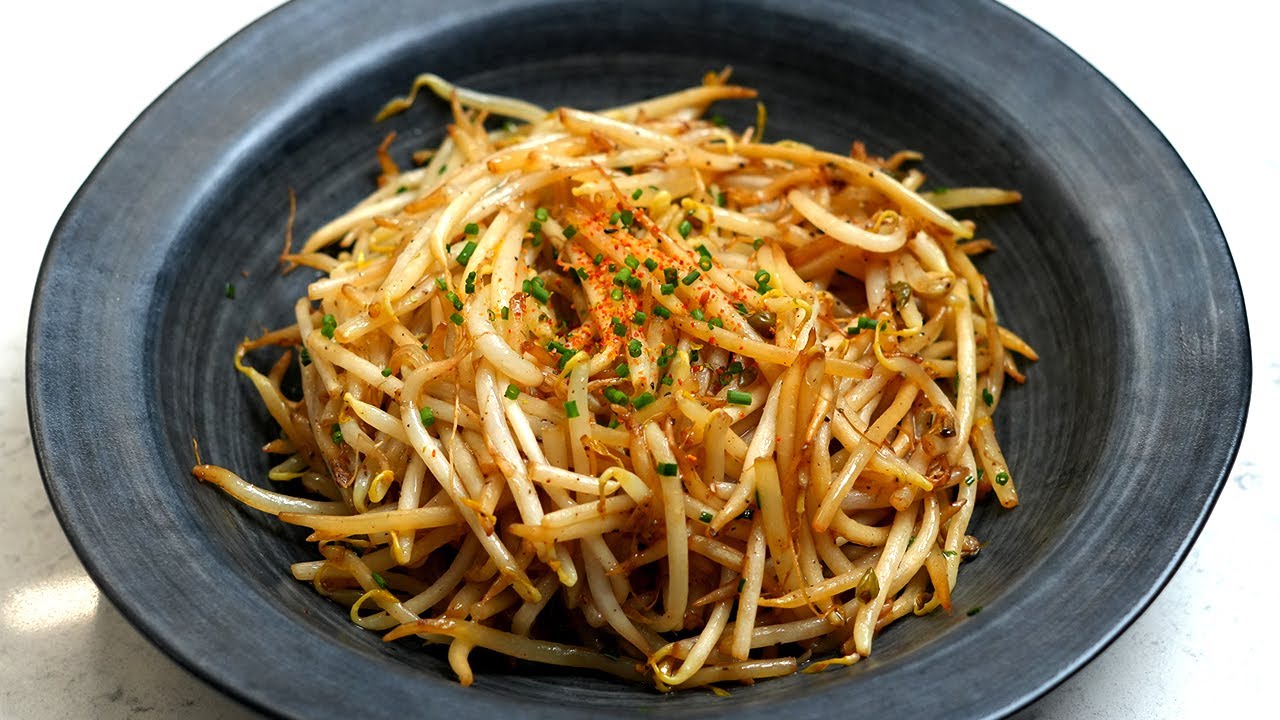
Bean Sprouts Recipe: Bean sprouts might be small, but they’re bursting with benefits and flavor. Whether you’re craving something light, healthy, and full of crunch or need a quick side dish to pair with your main meal, bean sprouts are the ultimate go-to. They’re used in cuisines across the world—from Asian stir-fries to fresh salads—and they cook in minutes, which makes them a lifesaver on busy nights. Plus, they soak up flavor like a sponge, meaning you can customize them to match any craving—spicy, tangy, savory, or all three.
In this guide, you’ll learn everything from the essential ingredients to advanced tips for perfect texture. Whether you’re a total kitchen newbie or a seasoned cook, this bean sprouts recipe guide will walk you through each step clearly and casually, like a friend showing you how it’s done. Ready to get started?
Benefits of Cooking with Bean Sprouts
Bean sprouts aren’t just a crunchy filler—they’re a powerhouse of nutrition. Mung bean sprouts, in particular, are high in vitamins B and C, iron, potassium, and essential enzymes that help with digestion. They’re naturally low in calories and carbs, making them ideal for weight-conscious eaters or anyone trying to maintain a healthy diet.
Another big win? Bean sprouts cook super fast. You can go from raw to ready in under 5 minutes, making them perfect for when you’re short on time but don’t want to sacrifice nutrition. They’re also incredibly affordable, so if you’re on a budget, these little greens are your wallet’s best friend.
On top of that, they’re a great source of plant-based protein and fiber. This means they help keep you full longer while supporting your digestive system. And if you’re trying to eat more veggies, adding bean sprouts to your meals is a super easy way to sneak in an extra serving without even trying.
Ingredients You’ll Need
To make a basic yet flavor-packed bean sprouts dish, here’s what you’ll want to gather:
Main Ingredients:
- 2 cups fresh mung bean sprouts (washed and drained)
- 2 tablespoons sesame oil (or any neutral oil like canola or sunflower)
- 2 garlic cloves, minced
- 1 teaspoon ginger, minced
- 1 tablespoon soy sauce (low sodium preferred)
- 1 teaspoon rice vinegar or lemon juice
- ½ teaspoon salt (adjust to taste)
- ¼ teaspoon black pepper or white pepper
- 1 green onion, thinly sliced
Optional Add-Ins (Customize It!):
- Crushed red chili flakes or sliced fresh chili for heat
- Julienned carrots, bell peppers, or cabbage for added crunch
- Tofu cubes, pre-cooked chicken strips, or shrimp for protein
- Toasted sesame seeds or crushed peanuts for garnish
These ingredients are super flexible. Don’t stress if you don’t have every single one—this recipe plays well with whatever you’ve got in the fridge.
Choosing the Right Bean Sprouts
Not all sprouts are created equal. The most commonly used type for cooking is mung bean sprouts, which are white, crisp, and mild in flavor. Soybean sprouts are another option, but they tend to have a thicker stem and a slightly nuttier taste.
When shopping or selecting bean sprouts, look for ones that are:
- Bright white and crisp
- Free from slime or a strong smell
- Moist but not mushy
If they look limp, yellowed, or soggy, skip them. Freshness is key to that signature crunch and mild taste. If possible, buy them the same day you plan to cook.
Additional Ingredients to Enhance Flavor
Want to level up your sprouts? These extras can transform a basic dish into something next-level:
Aromatics:
- Garlic & Ginger – Adds a warm, punchy depth that balances the freshness of the sprouts.
- Green Onion – Brings a mild, herby sharpness and color contrast.
Seasonings:
- Soy Sauce – Salty and umami-rich, this is your main flavor base.
- Sesame Oil – Nutty and aromatic; just a little goes a long way.
- Rice Vinegar or Lemon Juice – Adds a touch of acidity to brighten the flavors.
Garnishes:
- Toasted Sesame Seeds – A little crunch and nutty flavor.
- Crushed Peanuts – Great for texture and an extra savory element.
These ingredients are also highly adjustable. Like it spicy? Toss in some chili oil or Sriracha. Want a Thai twist? Add a splash of fish sauce and lime juice.
Step-by-Step Guide to Making the Best Bean Sprouts Dish
Step 1: Wash and Prepare the Sprouts
Rinse the bean sprouts thoroughly under cold running water to remove dirt and any bean hulls. Pick through and discard limp or brown sprouts. Drain well and pat dry lightly—excess water can make the dish soggy.
Proper Washing Method
Swirl the sprouts in a bowl of cold water, then lift them out instead of pouring, leaving debris behind.
Removing Bad Sprouts
Remove any sprouts with a strong smell or dark tips to keep the dish fresh and crisp.
Step 2: Blanching or Stir-Frying – What to Choose?
Blanching (30–60 seconds in boiling water) keeps sprouts mild and tender—great for salads or light dishes. Stir-frying delivers bold flavor and crunch.
Benefits of Each Method
Blanching reduces raw taste; stir-frying enhances aroma and texture.
When to Use Each Method
Use blanching for delicate dishes, stir-frying for savory mains and sides.
Step 3: Stir-Frying the Bean Sprouts
Heat a wok or pan over high heat with a small amount of oil. Add the sprouts and stir-fry for 1–2 minutes only. Keep them moving to avoid sogginess and retain crunch.
Step 4: Seasoning the Dish
Season lightly with salt, soy sauce, or fish sauce. Add a touch of chili or vinegar for balance. Less is more—bean sprouts shine when not overpowered.
Step 5: Add Optional Ingredients
Add tofu, chicken, beef, or vegetables like carrots or scallions. Cook proteins first, remove, then stir-fry sprouts and return everything at the end.
Step 6: Garnish and Serve
Finish with spring onions, sesame seeds, or fresh herbs. Serve immediately on a warm plate for the best flavor and texture.
Tips for Perfect Bean Sprouts Every Time
Want to make sure your bean sprouts turn out amazing every single time? Here are a few golden rules to follow:
- Don’t overcook them – Seriously. A minute too long, and you’ll end up with a soggy mess instead of a crisp stir-fry.
- Use high heat – It locks in the crunch and creates those little caramelized edges.
- Avoid overcrowding the pan – Cook in batches if needed.
- Wash and dry sprouts well – Water = steam = soggy sprouts.
- Taste and adjust seasoning at the end – Sprouts are delicate. Season lightly, then add more if needed.
Storage Tip: If you’re making extra, let the leftovers cool completely before storing in an airtight container. They’ll keep for about 2 days in the fridge—but they’ll lose some crunch.
Variations of Bean Sprouts Recipes
One of the best things about bean sprouts is how versatile they are. You can easily give them an international twist or keep things super simple. Here are a few delicious variations you can try to keep things fresh and exciting.
Spicy Bean Sprouts Stir-Fry
If you like heat, this one’s for you. Spicy bean sprouts pack a punch and go great with rice or noodles. Here’s how to do it:
Ingredients to Add:
- 1–2 teaspoons chili oil (or Sriracha)
- ½ teaspoon red pepper flakes
- 1 small fresh red chili, thinly sliced
- Optional: dash of gochujang (Korean chili paste) for deeper spice
Steps:
- Follow the same basic stir-fry method.
- Add the chili oil and red pepper flakes along with garlic and ginger.
- Toss in the fresh chili after the bean sprouts go in.
- Stir-fry everything together, then adjust the heat level to your liking.
You’ll get a dish that’s fiery, bold, and bursting with flavor. If you’re serving it with something neutral like plain rice, the heat balances beautifully.
Korean-Style Bean Sprouts (Sukju Namul Muchim)
This version is super popular in Korean cuisine and is often served as part of banchan (side dishes). It’s light, garlicky, and sesame-flavored.
What You’ll Need:
- 2 cups mung bean sprouts
- 1 teaspoon sesame oil
- 1 tablespoon soy sauce
- 1 garlic clove, finely minced
- ½ teaspoon toasted sesame seeds
- Salt to taste
- Optional: sliced green onion or a pinch of gochugaru (Korean red pepper flakes)
Steps:
- Blanch the sprouts in boiling water for 30–40 seconds.
- Drain and cool immediately in cold water.
- Squeeze out excess moisture gently with clean hands.
- Mix all the ingredients in a bowl and toss well.
This version isn’t cooked in oil—just a quick blanch and seasoning. It’s perfect as a cold side dish or salad, and it’s incredibly refreshing.
Bean Sprouts Salad with Sesame Dressing
Looking for something light and refreshing? Try a chilled salad with a nutty sesame dressing. It’s fast, clean, and full of texture.
You’ll Need:
- 2 cups blanched bean sprouts
- 1 teaspoon sesame oil
- 1 tablespoon soy sauce
- 1 teaspoon rice vinegar
- 1 teaspoon honey or maple syrup
- 1 teaspoon roasted sesame seeds
- Optional: sliced cucumber, shredded carrots
Instructions:
- Blanch and cool the sprouts.
- Whisk all the dressing ingredients together in a bowl.
- Toss everything until coated.
- Chill for 10–15 minutes before serving.
This is an amazing side dish for grilled meats, or even a light lunch with tofu or eggs on the side.
Common Mistakes to Avoid
Even though bean sprouts are easy to cook, there are a few common mistakes that can mess up your dish. Don’t worry—we’ve got you covered.
1. Overcooking
This is the most frequent mistake. Bean sprouts only need 2–3 minutes max on the stove. Overcooking will make them mushy and lifeless. Trust us—less is more.
2. Using Wet Sprouts
After rinsing, always drain and pat dry your sprouts. Any leftover water will cause them to steam instead of fry, resulting in sogginess.
3. Skimping on Heat
Your pan needs to be hot before you add anything. Cold oil in a cold pan equals greasy, uneven cooking. Preheat your pan until it’s almost smoking before adding oil and aromatics.
4. Overcrowding the Pan
Too many ingredients at once lowers the temperature and causes steaming. Cook in batches for better results.
5. Underseasoning
Bean sprouts are bland on their own. Don’t be afraid to add soy sauce, vinegar, pepper, or garlic. Just keep it balanced.
Avoiding these errors will take your bean sprouts from “meh” to mouthwatering every single time.
Why Bean Sprouts are a Budget-Friendly Superfood
Let’s talk savings and health. Bean sprouts are one of the cheapest superfoods out there, especially if you buy them fresh in bulk—or better yet, sprout them yourself at home!
Here’s why they’re great for your budget and your body:
- Cost-Effective: A handful of sprouts goes a long way. For just a couple of dollars, you can whip up a full meal or prep multiple servings.
- Nutrient-Dense: Low in calories but high in fiber, vitamins, and antioxidants. Great for immune support, digestion, and energy levels.
- Fast Cooking: Saves on time and energy costs—no long cooking or special prep required.
- Versatile: Add them to stir-fries, soups, sandwiches, wraps, and salads.
- Easy to Grow: You can sprout mung beans at home in just a few days with nothing more than a jar and some water. It’s fun, cheap, and satisfying.
If you’re eating healthy on a budget or just want more bang for your grocery buck, bean sprouts are a no-brainer.
FAQs about Bean Sprouts Recipe
1. How do I store fresh bean sprouts to keep them from going bad?
Keep them in a container of cold water in the fridge. Change the water daily. This keeps them fresh for 3–4 days.
2. Can I freeze cooked bean sprouts?
Technically yes, but it’s not recommended. They tend to lose their crisp texture when thawed. Best to eat them fresh or refrigerated for up to 2 days.
3. Are bean sprouts safe to eat raw?
Yes, but make sure they’re washed thoroughly. If you’re concerned about bacteria, lightly blanch them before adding to salads.
4. What’s the best oil to use for stir-frying bean sprouts?
Sesame oil adds great flavor, but any high-smoke-point oil like sunflower, avocado, or canola oil works well too.
5. How long do cooked bean sprouts last in the fridge?
Store in an airtight container for up to 2 days. Reheat quickly in a pan to maintain some texture.
Conclusion
And there you have it—a complete, step-by-step guide to making delicious, healthy, and flavorful bean sprouts at home. From simple stir-fries to Korean side dishes and spicy salads, these tiny sprouts are packed with possibilities. They’re quick, affordable, and ridiculously good when cooked right.
Now that you know the basics (and a few pro tips), you’re ready to experiment. Start with the simple recipe, then try out the spicy or sesame salad versions when you’re feeling adventurous. Trust your taste buds, and don’t be afraid to tweak things based on what you’ve got in the fridge.
One last tip: always serve them fresh and hot for the best texture and taste.
Go ahead—grab some sprouts and get cooking. You’ve got this.