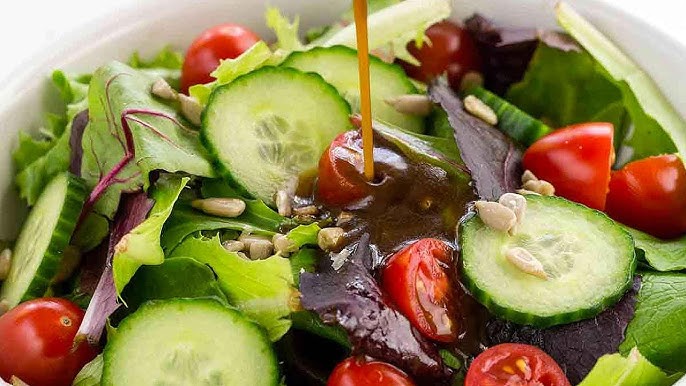
Balsamic Vinegar Salad Dressing Recipe: Salads are only as good as the dressing you drizzle over them, right? And if you’re tired of store-bought dressings that taste overly processed, are filled with preservatives, or just don’t hit the spot—this is your sign to go homemade. Making your own balsamic vinegar salad dressing not only gives you total control over the flavor, but it also allows you to skip the unhealthy additives hiding in many pre-packaged dressings.
Balsamic vinegar has this deep, tangy sweetness that balances beautifully with olive oil and other simple ingredients. Whether you’re dressing a fresh summer salad or marinating vegetables or proteins, this dressing is incredibly versatile and undeniably delicious.
In this guide, we’ll break down everything: what ingredients you’ll need, how to mix them for the perfect flavor, storage tips, and even creative variations. If you want a recipe that elevates every bite of greens, you’ve landed in the right place.
Health Benefits of Balsamic Vinegar
Think balsamic vinegar is just a flavor booster? Think again. It’s actually loaded with health benefits that make it a smart choice for everyday meals. First off, it’s packed with antioxidants. These powerful compounds help fight off cell damage and inflammation. This means that adding balsamic to your meals isn’t just tasty—it can help support your immune system too.
Another win: balsamic vinegar can aid digestion. Thanks to its acetic acid content, it supports good gut health and encourages healthy digestion after meals. And let’s not forget its low-calorie nature. Unlike creamy, heavy dressings, balsamic-based vinaigrettes are light and waistline-friendly. They bring bold flavor without piling on the calories, which is perfect if you’re trying to eat cleaner or manage your weight.
Plus, its natural sweetness lets you skip the added sugar. So you’re getting a rich, complex taste without unnecessary junk. That’s a major bonus in any healthy kitchen.
Why Make Your Own Dressing?
So why bother making your own salad dressing when you could just buy one? Here’s the deal: homemade dressings beat store-bought every time. For starters, you’re in full control of what goes into it. No weird additives, artificial flavorings, or stabilizers—just real, fresh ingredients that you can pronounce.
Then there’s the flavor. Store-bought dressings are often overly acidic, too oily, or just plain dull. But when you make it yourself? You get to decide if it’s sweeter, tangier, creamier, or even spicy. Want a hint of garlic or a pop of mustard? You do you.
Cost is another factor. A small bottle of gourmet balsamic dressing at the store can cost a pretty penny. But at home, you can whip up a big batch for a fraction of the price. And it’s fresh, every single time.
Lastly, making your own is quick. Like, less than five minutes quick. With just a handful of ingredients and a good whisk or jar, you’re good to go. No excuses.
Ingredients You’ll Need
Before you start, gather these pantry staples:
- Balsamic Vinegar – Go for a high-quality aged balsamic. It should be dark, syrupy, and sweet-tangy in flavor.
- Extra Virgin Olive Oil – Cold-pressed and high-quality. It’s the base that carries the flavor.
- Dijon Mustard – Helps emulsify and adds a subtle sharpness.
- Garlic (minced or crushed) – Fresh is best, but powdered works in a pinch.
- Honey or Maple Syrup – Optional for a touch of sweetness.
- Salt and Black Pepper – To balance and enhance flavor.
Optional add-ins:
- Fresh herbs (basil, thyme, oregano)
- Shallots or onions
- Red pepper flakes for heat
Ingredient Tip: Always taste your balsamic vinegar before using. Some brands are very tangy, while others lean sweeter. This affects how much oil or sweetener you’ll want to add.
Essential Kitchen Tools
To make the dressing smooth, balanced, and well-mixed, you’ll want the right tools. Don’t worry—you probably have most of these already.
- Mixing Bowl or Measuring Cup – Great for whisking all ingredients together.
- Whisk or Fork – A whisk gives better emulsion, but a fork works in a pinch.
- Mason Jar with Lid – Ideal if you want to shake and store in the same container.
- Measuring Spoons and Cups – Accuracy matters for the perfect ratio.
- Garlic Press – Makes prep quicker if you’re using fresh garlic.
- Small Funnel – Helps pour into bottles without spilling.
Want to go the extra mile? A mini food processor or immersion blender makes emulsifying foolproof.
The Perfect Ratio for Salad Dressing
A great vinaigrette always starts with the right ratio. The golden rule? Three parts oil to one part vinegar. So if you’re using 3 tablespoons of olive oil, you’ll want 1 tablespoon of balsamic vinegar.
But here’s the cool part—you don’t have to follow this rule strictly. If you like a sharper tang, try a 2:1 ratio. Want something mellower? Go 4:1. The key is to taste and adjust based on your preferences.
The other ingredients—mustard, garlic, sweeteners—are there to round it out. Dijon mustard helps the oil and vinegar mix smoothly, while honey or maple syrup balances the acidity with sweetness. Salt and pepper are essential to bring everything together.
Keep this formula in mind, and you’ll be able to freestyle a delicious dressing any time.
Step-by-Step Guide to Making Balsamic Vinegar Dressing
Alright, time to get into the action. Here’s how to whip up the best balsamic vinegar salad dressing—step by step.
Step 1: Gather Your Ingredients
Line up your balsamic vinegar, olive oil, mustard, garlic, honey, salt, and pepper. Have your tools ready, too. Don’t forget to taste your balsamic first to gauge sweetness or acidity.
Step 2: Measure Accurately
Start with this basic formula:
- 3 tablespoons extra virgin olive oil
- 1 tablespoon balsamic vinegar
- 1 teaspoon Dijon mustard
- 1 clove garlic (minced)
- 1 teaspoon honey or maple syrup (optional)
- Salt and pepper to taste
Step 3: Mix It Up
Add everything into a bowl or a jar. Use a whisk to combine until fully emulsified, or if you’re using a jar, seal the lid and shake it vigorously for 30 seconds.
Step 4: Taste and Adjust
Dip a piece of lettuce or a spoon and taste. Too acidic? Add more oil. Not tangy enough? More vinegar. Want more zip? Try a touch of mustard or garlic.
Step 5: Store Properly
Transfer to a glass container with a tight-fitting lid. Refrigerate for up to 1 week. Shake well before each use.
Pro Tips for the Best Flavor
Want to elevate your balsamic dressing from “good” to “next-level delicious”? Here are a few expert tips that make all the difference.
Let It Sit
After mixing your dressing, let it sit for at least 10–15 minutes before using it. Why? This allows the flavors to meld and mellow. The garlic softens, the vinegar chills out a bit, and everything just becomes more balanced. It’s like letting soup simmer—it just gets better with a little time.
Use Fresh, Quality Ingredients
There’s no hiding in a recipe this simple. Each ingredient matters. That’s why you should always use:
- High-quality balsamic vinegar – Aged balsamic has a thicker, more syrupy texture and a deeper flavor.
- Cold-pressed extra virgin olive oil – It should have a clean, fruity taste.
- Fresh garlic – Powder works, but nothing beats the punch of fresh.
Balance is Key
If your dressing tastes too sharp, try adding a drop of honey or a small pinch of sugar. Still too harsh? Add a tiny splash of water to mellow it out without changing the flavor too much.
Emulsify for Creaminess
Want a smooth, luxurious texture that clings to your greens just right? Whisk it well, or shake it in a jar until you can’t see oil floating on top. Better yet, use a mini blender for the silkiest finish.
How to Store Your Dressing
You’ve made a fresh, flavorful dressing—now let’s keep it that way. Storing your balsamic vinaigrette properly can keep it delicious for days (or even weeks).
Use a Clean, Airtight Container
Glass is best. A small mason jar, swing-top bottle, or recycled salad dressing bottle works great. Plastic can absorb odors, so avoid that if you can.
Keep It in the Fridge
Store your dressing in the refrigerator, especially if it includes fresh garlic or herbs. It’ll stay fresh for about 7 to 10 days. Always check for smell or cloudiness before using it after a week.
Shake Before Each Use
Natural separation will occur—the oil will float to the top. Just give it a good shake or stir before pouring.
Pro Tip: If the oil solidifies slightly in the fridge, let it sit at room temperature for a few minutes or place the container in warm water for 30 seconds to soften.
Variations You Can Try
One of the best things about balsamic dressing? It’s super versatile. You can customize it endlessly based on what flavors you’re in the mood for. Here are a few variations to experiment with:
1. Honey Balsamic Vinaigrette
Add 1 tablespoon of honey for a sweeter, smoother flavor. Perfect with spinach, strawberries, and goat cheese salads.
2. Garlic Balsamic Dressing
Double the garlic or roast it for a deeper flavor. Great for heartier salads or as a marinade.
3. Mustard Balsamic Dressing
Add an extra teaspoon of Dijon or even whole grain mustard. Tangy and bold—amazing with arugula or kale.
4. Herb-Infused Balsamic
Mix in chopped fresh herbs like basil, thyme, oregano, or rosemary. Let it sit for a few hours to infuse.
5. Spicy Balsamic
Toss in a pinch of red pepper flakes or a tiny squirt of hot sauce. Adds a nice kick.
6. Creamy Balsamic
Blend in a spoonful of Greek yogurt or mayo for a creamier texture. Still tangy, but smoother and rich.
Pairing Suggestions
Wondering what salads and dishes go best with your new balsamic masterpiece? Here are some foolproof pairings.
Best Greens to Use
- Mixed spring greens
- Spinach
- Arugula
- Romaine
- Kale (massage it first to soften!)
Perfect Salad Combos
- Spinach + strawberries + walnuts + feta
- Arugula + pear + blue cheese + pecans
- Romaine + cherry tomatoes + cucumber + grilled chicken
- Mixed greens + roasted veggies + quinoa + goat cheese
Great Proteins to Add
- Grilled chicken or steak
- Shrimp
- Tofu or tempeh
- Chickpeas or black beans
- Boiled eggs
Toppings That Shine
- Toasted nuts or seeds
- Dried cranberries or fresh berries
- Croutons or pita chips
- Grated parmesan or shredded mozzarella
Common Mistakes to Avoid
Even though this recipe is simple, a few common slip-ups can ruin the flavor or texture. Here’s what to watch out for:
1. Using Low-Quality Vinegar or Oil
This is the number one killer of great vinaigrettes. If your dressing tastes bitter or harsh, it’s probably the ingredients, not the recipe.
2. Skipping the Emulsion Step
Don’t just mix and pour. Without whisking or shaking thoroughly, your oil and vinegar will separate quickly and won’t coat your salad well.
3. Overpowering with Garlic or Mustard
These are bold flavors. Start small—you can always add more.
4. Making It Too Sweet
A little honey goes a long way. Taste as you go to avoid turning your salad into dessert.
5. Not Tasting Before Serving
This might sound basic, but it’s crucial. Always taste and tweak before pouring it over your salad.
Nutrition Breakdown
Here’s an estimate for a 2-tablespoon serving of the basic balsamic vinegar dressing recipe:
| Nutrient | Amount (Approx.) |
|---|---|
| Calories | 120 |
| Total Fat | 13g |
| Saturated Fat | 2g |
| Sugar | 1–2g (with honey) |
| Sodium | 150mg |
| Carbohydrates | 2g |
| Protein | 0g |
Want to make it healthier? Try these swaps:
- Use less oil or mix with water for a lighter version
- Replace honey with a small amount of mashed fruit
- Use avocado oil for a different nutrient profile
Balsamic Vinaigrette vs. Other Dressings
You might be wondering, “What makes balsamic vinaigrette so special compared to all the other dressings out there?” Let’s break it down.
Balsamic Vinaigrette
This dressing is made with a base of balsamic vinegar and olive oil. It’s tangy, slightly sweet, and super versatile. The rich depth of balsamic vinegar gives it a bold flavor that pairs beautifully with a variety of salads and roasted vegetables.
Italian Dressing
Often confused with balsamic vinaigrette, Italian dressing typically uses white or red wine vinegar, not balsamic. It’s lighter, zesty, and often includes a blend of dried herbs, garlic, and sometimes even sugar or corn syrup in the bottled versions. It’s more herb-forward, while balsamic is richer and deeper.
Caesar Dressing
Creamy and garlicky, Caesar dressing is a whole different game. It’s made with anchovies, garlic, lemon juice, egg yolk, mustard, and Parmesan. Unlike balsamic vinaigrette, it’s thick, savory, and heavy.
Ranch Dressing
Another creamy option, ranch is made with buttermilk, mayo, garlic, herbs, and onion. It’s rich, cool, and often the go-to for dipping rather than dressing a light salad.
When to Use Balsamic
Balsamic vinaigrette shines with leafy greens, grilled veggies, fruits, nuts, and lighter proteins like chicken or tofu. It’s best when you want a dressing that enhances without overpowering. If you’re looking for flavor depth without all the heaviness, balsamic is your go-to.
So while all these dressings have their place, balsamic vinaigrette wins big on flavor, versatility, and healthiness.
FAQs about Balsamic Vinegar Salad Dressing Recipe
1. Can I use white balsamic vinegar instead?
Yes! White balsamic vinegar has a lighter color and a milder, slightly sweeter flavor. It works beautifully in vinaigrettes if you want a more delicate taste or a dressing that won’t darken your salad.
2. How long does homemade balsamic dressing last?
Typically, about 7–10 days in the refrigerator. If you include fresh ingredients like garlic or herbs, aim to use it within a week. Always check for smell and texture before using.
3. Is balsamic vinaigrette vegan?
Yes—if you leave out honey and use maple syrup or skip sweeteners entirely, it’s completely vegan. Always check the labels of your balsamic vinegar and mustard, though, to be sure.
4. What if my dressing separates?
That’s totally normal. Oil and vinegar naturally separate over time. Just shake the container or whisk again before serving. Adding mustard helps it stay together longer.
5. Can I freeze balsamic vinaigrette?
Not recommended. The texture changes, and it may separate or become grainy once thawed. It’s best made fresh or stored in the fridge in small batches.
Conclusion
There you have it—your complete step-by-step guide to mastering the art of balsamic vinegar salad dressing. From understanding the perfect oil-to-vinegar ratio to experimenting with herbs and sweeteners, you’re now equipped to ditch store-bought bottles for good.
This dressing is more than just a topping—it’s a flavor boost, a health kick, and a way to impress anyone who takes a bite of your salad. And the best part? You made it yourself. That’s real kitchen magic.
So next time you’ve got a bowl of greens waiting, skip the preservatives and fake flavors. Grab your whisk, pour in some balsamic, and create a dressing that brings your salad—and your meals—to life.