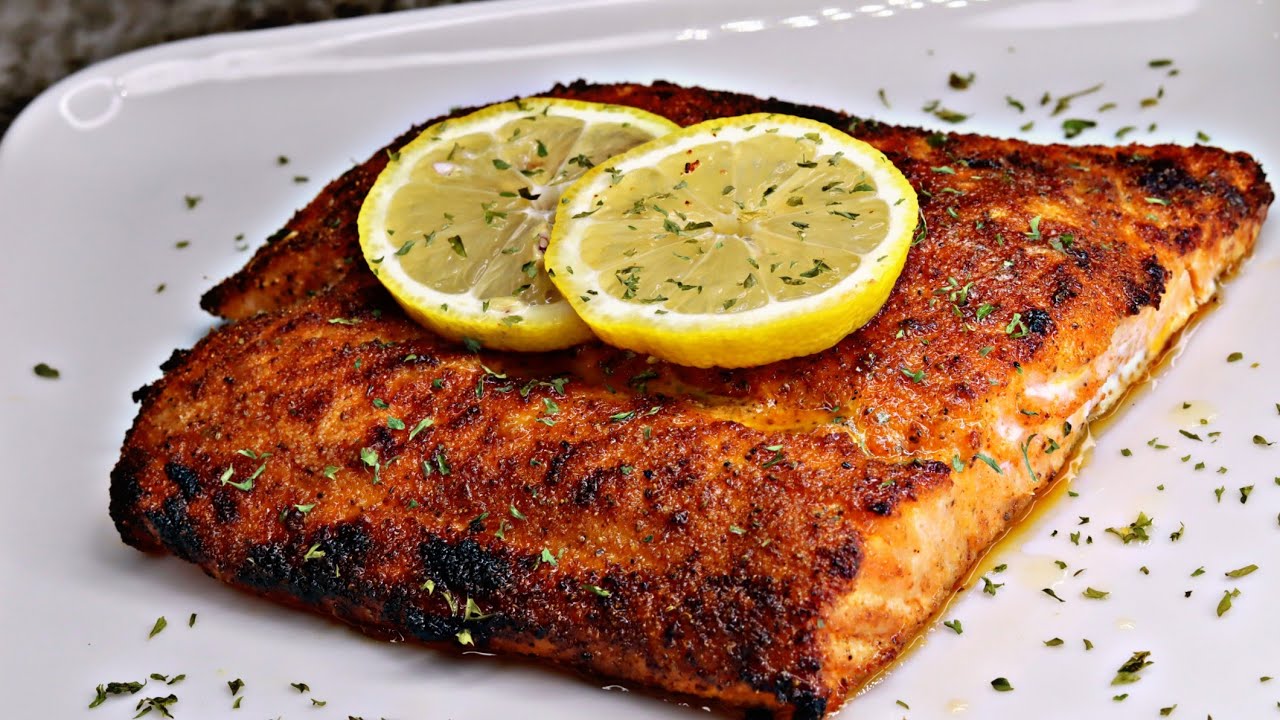
Baking Salmon Recipe: If you’re on the hunt for a recipe that’s both delicious and nutritious, baked salmon might just become your new go-to dish. It’s fast, flavorful, and full of health benefits—perfect for weeknight dinners or special gatherings. Whether you’re a total beginner or a confident home cook looking for the perfect technique, this step-by-step guide will help you master the art of baking salmon like a pro.
Not only is salmon packed with omega-3 fatty acids and lean protein, but baking it also preserves its natural flavors and textures without requiring loads of oil or complicated steps. From selecting the freshest fillet to choosing the right seasoning and baking temperature, we’ve got you covered from start to finish.
So, roll up your sleeves, preheat your oven, and let’s dive into everything you need to know to serve up a restaurant-quality baked salmon right at home.
Ingredients You’ll Need
Let’s start with the essentials. The beauty of baked salmon is that it doesn’t require a laundry list of ingredients. Most of what you need might already be in your pantry or fridge. Here’s a simple list to keep your dish flavorful and healthy.
Main Ingredients:
- Fresh Salmon Fillets (4 to 6 oz each): Choose skin-on or skinless depending on your preference.
- Olive Oil (or melted butter): For moisture and richness.
- Lemon Juice: Adds brightness and balances the rich flavor.
- Garlic (minced or powder): A must-have for flavor depth.
- Salt and Black Pepper: Essential seasoning.
- Fresh Herbs (like dill, parsley, or thyme): For a fragrant finish.
- Lemon Slices: Beautiful presentation and extra flavor.
Optional Add-ins:
- Paprika or Cayenne Pepper: Adds a kick.
- Honey or Maple Syrup: For a touch of sweetness.
- Soy Sauce or Mustard: Great for marinades.
- Chili Flakes: If you like it spicy.
- Vegetables (zucchini, carrots, asparagus): Roast them alongside your salmon for a one-pan meal.
The best part? You can mix and match these based on your flavor preferences or what’s in your kitchen. Baking salmon is flexible—don’t be afraid to get creative with your ingredients.
Choosing the Best Salmon for Baking
The foundation of a great baked salmon dish starts with picking high-quality fish. Here’s how to choose wisely:
Wild-Caught vs. Farm-Raised
Wild-caught salmon tends to have a deeper, richer flavor and a firmer texture. Farm-raised is often milder and more widely available. Both can work beautifully, but wild-caught is often considered superior in flavor and nutritional value.
Fresh or Frozen?
Fresh is ideal, but frozen is just as good if handled properly. When buying fresh, look for:
- Vibrant color (rich orange or reddish-pink)
- A moist texture, not slimy
- No fishy or off-putting smell
If buying frozen, ensure it’s vacuum-sealed and check the label for added preservatives or sodium.
Skin-On or Skinless?
Skin-on salmon helps hold the fillet together during baking and adds extra flavor. You can always peel it off after cooking if you’re not a fan.
Preparing the Salmon Before Baking
Proper preparation makes a big difference in how your salmon turns out. Follow these prep tips to set yourself up for success.
1. Thaw Properly (If Frozen)
If using frozen fillets, thaw them in the fridge overnight. For a quicker option, place them in a sealed plastic bag and submerge in cold water for 30–45 minutes. Never thaw at room temperature!
2. Pat Dry
Use a paper towel to gently pat your salmon dry. Removing excess moisture helps seasonings stick better and improves the texture.
3. Remove Pin Bones
Run your fingers along the flesh to feel for any tiny bones. Use tweezers or clean fingers to pull them out gently.
4. Cut into Portions (if needed)
If you’ve got a large fillet, slice it into even pieces so everything cooks at the same rate.
5. Season or Marinate
You can go simple—salt, pepper, lemon—or jazz it up with a marinade for 15–30 minutes. But don’t over-marinate, or the acid from lemon/vinegar can “cook” the fish and turn it mushy.
Tools and Equipment You’ll Need
You don’t need a fancy kitchen setup to bake salmon, but having the right tools can make the process easier and more enjoyable.
Essentials:
- Baking Sheet or Dish: Large enough to hold your fillets with space between them.
- Aluminum Foil or Parchment Paper: For easier cleanup and moisture retention.
- Knife and Cutting Board: For slicing and prepping ingredients.
- Tongs or Fish Spatula: Makes it easy to serve without breaking the fillet.
- Meat Thermometer (optional but helpful): Ensures perfect doneness without guesswork.
These tools help ensure your salmon cooks evenly, doesn’t stick to the pan, and stays juicy from oven to plate.
Step-by-Step Guide to Baking Salmon
Step 1: Preheat Your Oven
Preheat your oven to 200°C / 400°F. A properly heated oven ensures the salmon cooks evenly and stays moist rather than drying out.
Step 2: Line Your Baking Tray
Line a baking tray with parchment paper or aluminum foil. This prevents sticking and makes cleanup quick and stress-free.
Step 3: Prepare the Salmon
Pat the salmon fillets dry with paper towels. Drying the surface helps the seasoning stick better and improves texture. Place the fillets skin-side down on the prepared tray.
Step 4: Season Generously
Drizzle the salmon with olive oil or melted butter, then season with salt, black pepper, garlic powder, and a squeeze of lemon juice. Rub gently to coat all sides.
Step 5: Add Aromatics and Herbs
Top the fillets with lemon slices, minced garlic, and fresh herbs like dill, parsley, or thyme. These infuse the salmon with fresh, vibrant flavor as it bakes.
Step 6: Bake the Salmon
Bake uncovered for 12–15 minutes, depending on thickness. Thicker fillets may need a few extra minutes. The salmon should appear opaque and flake easily.
Step 7: Check for Doneness
Use a fork to gently flake the thickest part. For accuracy, an internal temperature of 63°C / 145°F means it’s perfectly cooked.
Step 8: Let it Rest
Remove the salmon from the oven and let it rest for 2–3 minutes. This allows the juices to redistribute, keeping the fish tender and juicy.
Step 9: Serve and Enjoy!
Serve immediately with roasted vegetables, rice, or a fresh salad. Finish with extra lemon or a drizzle of sauce for a restaurant-quality meal at home.
Pro Tips for Perfect Baked Salmon
Want to make your salmon unforgettable? These pro tips will help you go from good to great every time:
1. Don’t Overcook It
This is the #1 rule. Salmon dries out quickly when overdone. Stick to the recommended times and check early. Once it flakes easily, it’s done.
2. Use a Thermometer
Investing in a meat thermometer takes out all the guesswork. Hit that 145°F internal temp, and you’re golden.
3. Let It Sit Before Serving
A few minutes of resting after baking keeps your salmon juicy and flavorful. It’s a small step that makes a big difference.
4. Try Foil Pouch Baking
Wrap your fillet in foil with herbs and lemon for ultra-moist, steam-baked salmon that’s bursting with flavor.
5. Keep It Simple
Don’t overload it with spices. Let the natural flavor of the salmon shine. Even just olive oil, salt, and lemon can taste amazing.
Common Mistakes to Avoid
Even with a simple recipe like baked salmon, a few missteps can turn your perfect dinner into a dry or bland experience. Let’s walk through the most common mistakes and how to avoid them.
1. Overbaking the Salmon
Hands down, this is the most frequent mistake. Overbaking makes salmon dry, tough, and chalky. Remember, salmon continues to cook even after it’s removed from the oven due to residual heat. So aim to take it out just as it reaches doneness (145°F internal temp), or even a few degrees before.
Pro Tip: If you don’t have a thermometer, check if it flakes easily and looks opaque. Still translucent in the middle? Bake for a couple more minutes—max.
2. Seasoning Too Lightly
Salmon has a rich, fatty flavor that pairs well with bold seasonings. But too often, people hold back. Don’t be afraid to season generously with salt, pepper, lemon juice, herbs, and spices. Just like a good steak, it needs some love to shine.
3. Using Cold Salmon
Putting ice-cold salmon straight into a hot oven is a recipe for uneven cooking. The outside can be overcooked while the center remains raw. Let your salmon sit at room temperature for 15–20 minutes before baking to ensure it cooks evenly.
4. Skipping the Oil or Butter
Some skip this step to keep it “healthier,” but a little fat goes a long way in keeping the salmon juicy. A drizzle of olive oil or melted butter also helps carry the seasoning and prevent the fish from drying out.
5. Crowding the Pan
Give your salmon space to breathe! If you’re baking multiple pieces, leave a little space between each fillet. Crowding traps steam, leading to soggy rather than flaky salmon.
Avoid these simple mistakes, and you’re already ahead of the game.
Flavor Variations to Try
Once you’ve mastered the basic baked salmon, why not mix it up a little? Here are some tasty variations to keep things interesting and exciting on your dinner table.
1. Honey Garlic Glaze
Sweet and savory, this combo is a crowd-pleaser.
- Mix 2 tablespoons honey, 1 tablespoon soy sauce, and 2 minced garlic cloves.
- Pour over salmon before baking and finish with sesame seeds.
2. Lemon Dill Butter
A classic, refreshing combo.
- Melt 2 tablespoons butter, mix with lemon juice and fresh dill.
- Brush over salmon before baking and again right before serving.
3. Cajun-Spiced Salmon
For a bold, smoky flavor with a bit of heat:
- Mix paprika, cayenne, garlic powder, onion powder, and thyme.
- Rub the mix generously over your fillets.
4. Asian-Inspired Soy Ginger Glaze
- Combine soy sauce, grated ginger, garlic, and a dash of sesame oil.
- Brush it on before baking and garnish with scallions and sesame seeds.
5. Pesto-Crusted Salmon
- Spread store-bought or homemade pesto over the fillets before baking.
- Add a sprinkle of breadcrumbs and Parmesan cheese for a golden crust.
These variations are easy to prepare and can transform your usual salmon night into a brand-new dish.
What to Serve with Baked Salmon
Pairing your salmon with the right sides takes your meal to the next level. Here are some tasty and well-balanced options:
1. Roasted Vegetables
Pop carrots, zucchini, asparagus, or broccoli onto the tray alongside your salmon. They cook at the same temperature and soak up all those delicious flavors.
2. Garlic Mashed Potatoes
Creamy, buttery mashed potatoes are a perfect contrast to salmon’s richness. Add roasted garlic or herbs to make them even better.
3. Rice or Quinoa
A simple bed of white rice, brown rice, or fluffy quinoa is perfect to soak up the juices from the salmon. Try wild rice for an earthy twist.
4. Fresh Salad
For a lighter option, serve salmon with a crisp green salad. Add vinaigrette, avocado, and some nuts for a satisfying crunch.
5. Pasta or Noodles
Lemon-butter pasta or garlic noodles can complement salmon beautifully, especially with Mediterranean or Asian flavor variations.
6. Bread or Flatbread
A slice of warm sourdough or herb flatbread is great for scooping up leftover sauces and juices.
Mix and match based on what you’re craving or what you have on hand.
How to Store and Reheat Leftover Salmon
Have leftovers? Great! Salmon keeps well when stored correctly and can be used in tons of ways for your next meal.
How to Store:
- Let salmon cool to room temperature.
- Place it in an airtight container.
- Refrigerate within 2 hours of cooking.
- Use within 3 days for best taste and texture.
Can You Freeze It?
Yes, baked salmon freezes well!
- Wrap it tightly in foil or plastic wrap, then place in a freezer bag.
- Label with the date.
- Freeze for up to 2 months.
Best Way to Reheat:
Avoid the microwave—it dries salmon out quickly.
- Instead, reheat in the oven at 275°F (135°C) for 10–15 minutes.
- Or reheat in a pan on low with a splash of broth or water and cover it to steam.
Or eat it cold! Flaked baked salmon makes a delicious topping for salads or sandwiches the next day.
Nutritional Benefits of Baked Salmon
One of the best reasons to eat more salmon? It’s incredibly good for you.
1. High in Omega-3 Fatty Acids
Salmon is loaded with heart-healthy omega-3s, which help reduce inflammation, support brain health, and may even improve mood and memory.
2. Excellent Source of Protein
Each 4-oz serving of salmon packs about 23 grams of protein, making it ideal for muscle repair and overall strength.
3. Rich in Vitamins and Minerals
Salmon is full of:
- Vitamin B12 – great for energy and nerve function
- Vitamin D – supports immune and bone health
- Selenium – an antioxidant that protects your cells
4. Supports Heart Health
Eating baked salmon regularly can help lower blood pressure and reduce the risk of heart disease.
Plus, since it’s baked—not fried—it’s lower in saturated fats and calories. It’s a win-win for both taste and nutrition.
FAQs about Baking Salmon Recipe
1. Can I bake salmon straight from frozen?
Yes, but it will need more time—typically around 25–30 minutes at 375°F. Rinse off any ice glaze and season as you normally would.
2. What’s the white stuff that comes out during baking?
That’s albumin, a natural protein. It’s harmless and forms when salmon is cooked quickly. To reduce it, cook at a lower temperature and don’t overbake.
3. How do I know when salmon is fully cooked?
It flakes easily with a fork, turns opaque, and reaches an internal temp of 145°F. It’s okay to remove it just before that point—it keeps cooking as it rests.
4. Should I bake salmon with the skin on or off?
Both work! Skin-on helps the salmon hold its shape and adds flavor. You can peel it off after baking if you don’t want to eat it.
5. How long can I store leftover salmon?
Refrigerated salmon stays fresh for up to 3 days. If freezing, store for up to 2 months in an airtight container or freezer bag.
Conclusion
There you have it—the ultimate step-by-step guide to baking salmon. From selecting the freshest fillet and seasoning it just right, to nailing the cooking time and serving it with perfect sides, you now have everything you need to make this healthy, flavorful dish a regular part of your menu.
Baked salmon is more than just a recipe—it’s a fast, flexible, and foolproof meal that suits nearly any diet or occasion. Whether you’re cooking for your family, impressing guests, or just treating yourself to something special, this dish delivers every single time.
Don’t be afraid to experiment with different flavors or add your personal twist. Trust the process, and you’ll be baking salmon like a pro in no time.