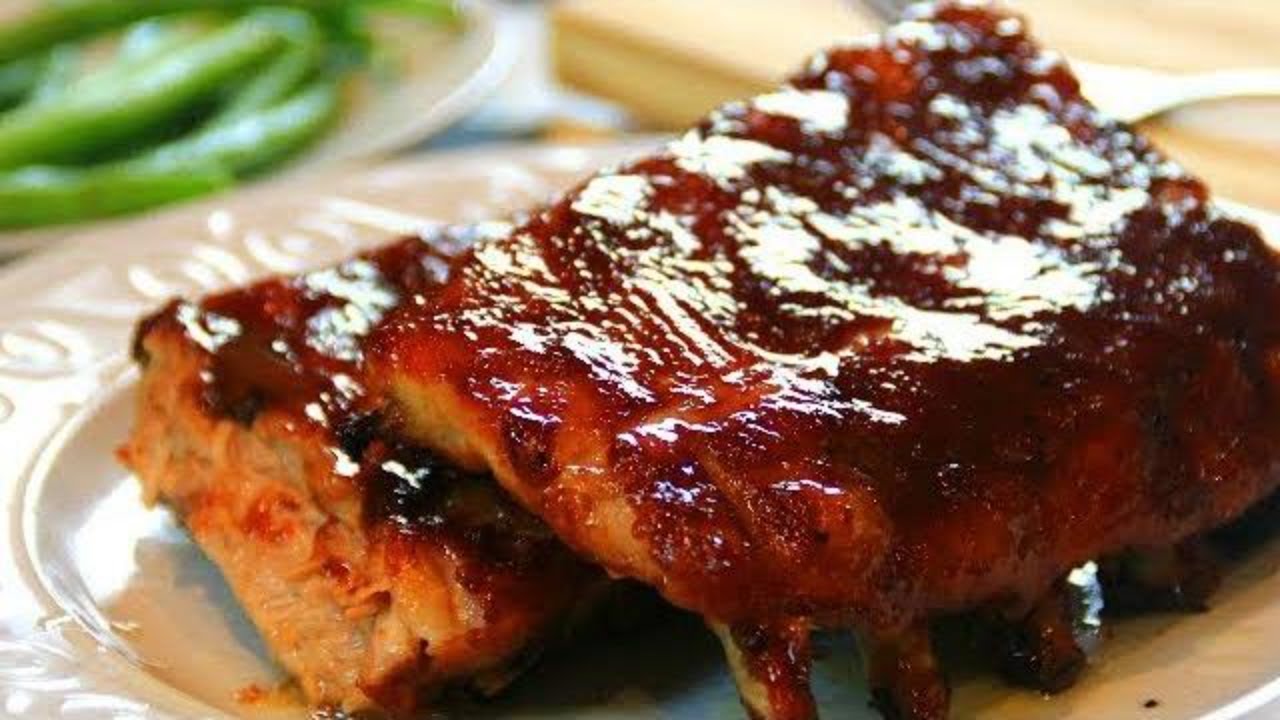
Baked Pork Ribs Recipe: There’s something incredibly satisfying about biting into perfectly cooked, fall-off-the-bone pork ribs. Whether you’re planning a casual weekend dinner or prepping for a holiday feast, baked pork ribs are a crowd-pleaser that never go out of style. What makes this dish even better? You don’t need a grill or smoker to achieve mouthwatering, smoky flavor and juicy meat. That’s right—we’re talking oven-baked pork ribs. This guide will walk you through everything you need to know, from choosing the right ribs to serving them up with style.
So if you’ve ever wanted to impress your guests (or just treat yourself) with an epic homemade rib feast, this is your go-to guide. Simple, savory, and seriously delicious—these baked pork ribs will steal the show every time.
Benefits of Baking Pork Ribs
Why bake ribs when you could grill or smoke them? Good question. Baking pork ribs in the oven is actually one of the most beginner-friendly, low-maintenance, and rewarding methods you can try. Here’s why:
- Consistent Results: Ovens provide even, controllable heat, meaning no sudden flare-ups or hot spots to worry about.
- Healthier Cooking Method: Unlike deep-frying, baking doesn’t require any added oils or fats.
- Indoor Convenience: No need to step outside or fire up the grill—bake your ribs any time of year, rain or shine.
- Less Supervision: You can “set it and forget it” while the oven works its magic, giving you time to prep other parts of your meal.
- Easy Cleanup: With foil and proper pan-lining, post-meal cleanup is a breeze.
Whether you’re short on time, new to cooking, or just love good food, oven-baking your pork ribs is the way to go.
List of Ingredients You’ll Need
Let’s talk ingredients. Here’s everything you’ll need to make mouthwatering baked pork ribs, starting with the basics:
Essential Ingredients
- 2–3 pounds of pork ribs (baby back or spare ribs)
- Salt and pepper to taste
- Aluminum foil
- Olive oil or cooking spray
Dry Rub (Optional but Recommended)
- 2 tbsp brown sugar
- 1 tbsp paprika (smoked or sweet)
- 1 tsp garlic powder
- 1 tsp onion powder
- 1 tsp black pepper
- ½ tsp cayenne pepper (for a little heat)
- 1 tsp salt
Homemade BBQ Sauce (Optional)
- 1 cup ketchup
- 2 tbsp apple cider vinegar
- 2 tbsp brown sugar
- 1 tbsp Worcestershire sauce
- 1 tsp garlic powder
- 1 tsp smoked paprika
Kitchen Tools
- Baking sheet or roasting pan
- Wire rack (optional, for airflow)
- Mixing bowls
- Brush or spoon (for sauce application)
- Sharp knife
- Paper towels
Having everything ready before you start is key. Once the ribs go in the oven, you’ll want the process to be smooth and stress-free.
Types of Pork Ribs to Use
Not all pork ribs are created equal. When you’re heading to the store or butcher, you’ll usually find these three main types:
1. Baby Back Ribs
- Shorter, curved ribs from the top of the pig’s rib cage
- Lean and tender
- Cook a bit faster than other types
2. Spare Ribs
- Larger, meatier ribs from the belly area
- More connective tissue = more flavor
- Take longer to cook but worth the wait
3. St. Louis-Style Ribs
- Trimmed version of spare ribs
- More uniform shape = easier to cook evenly
- Great balance between meat and fat
For baked recipes, baby back ribs or St. Louis-style ribs are often preferred. They’re easier to manage and bake more evenly in the oven. But if you like rich, meaty bites, spare ribs are still a solid choice.
Choosing the Right Cut of Meat
Want next-level ribs? It starts with the cut. Here’s how to make sure you’re getting high-quality meat:
- Look for Marbling: A bit of fat running through the meat is a good thing—it adds flavor and keeps the ribs juicy.
- Avoid Excess Bone: Choose racks with more meat than bone. Flat, meaty racks = happy eaters.
- Color Matters: Fresh ribs should be pinkish-red. Avoid dull gray or discolored meat.
- Check for Moisture: The surface should be slightly moist, not slimy.
Don’t be afraid to ask your butcher for help. They can remove the membrane for you or recommend the best cut for baking.
How to Prepare Pork Ribs Before Baking
Before you even think about tossing those ribs in the oven, there’s some prep work that’ll make all the difference in flavor and texture. Skipping this part can lead to chewy, bland ribs—and nobody wants that. Here’s how to properly prep pork ribs for baking.
1. Remove the Membrane
This is probably the most important prep step, yet it’s often overlooked. The membrane is a thin, silvery skin on the bone side of the ribs. If you leave it on, it becomes tough and rubbery when cooked.
How to remove it:
- Flip the ribs bone-side up.
- Slide a butter knife under the membrane on one end to loosen it.
- Use a paper towel for grip, then gently pull it off in one piece.
If it tears, no worries—just keep working at it until it’s gone.
2. Trim Excess Fat
Too much fat can result in greasy ribs. Use a sharp knife to trim any thick layers of fat from the surface. A little marbling is good, but large chunks can make the final dish oily and chewy.
3. Rinse and Dry
Give the ribs a quick rinse under cold water to remove bone fragments or packaging residue. Then, pat them completely dry with paper towels. This step is essential, especially if you’re applying a dry rub—it helps the seasoning stick.
Proper preparation makes your ribs cook more evenly and absorb more flavor. It only takes a few extra minutes but pays off in a big way.
How to Make a Dry Rub (Optional but Recommended)
If you want your ribs bursting with flavor, a dry rub is your best friend. It’s a mix of spices that forms a delicious crust as the ribs bake. Think of it as the ribs’ flavor armor.
Why Use a Dry Rub?
- Adds deep flavor
- Helps form a crispy crust
- Enhances natural pork taste
- Easy to customize
Simple Dry Rub Recipe
- 2 tbsp brown sugar
- 1 tbsp paprika (smoked if you like that BBQ flavor)
- 1 tsp garlic powder
- 1 tsp onion powder
- 1 tsp black pepper
- ½ tsp cayenne pepper (for heat)
- 1 tsp salt
Mix everything in a bowl. If you like experimenting, add your favorite spices like cumin, mustard powder, or chili flakes.
How to Apply the Dry Rub
- Pat the ribs dry first
- Rub a little olive oil on the surface (helps spices stick)
- Generously apply the rub on both sides
- Massage it into the meat so it really sinks in
Let It Marinate
You can bake the ribs right away, but for even better flavor, wrap them in plastic and refrigerate for at least 2 hours—or overnight if you’ve got the time. This allows the spices to fully penetrate the meat.
How to Make Homemade BBQ Sauce
While some people love dry ribs, others swear by saucy, sticky goodness. That’s where homemade BBQ sauce comes in. Sure, you can use a store-bought version, but making your own means you control the flavor—whether sweet, tangy, smoky, or spicy.
Simple Homemade BBQ Sauce Recipe
- 1 cup ketchup
- 2 tbsp brown sugar
- 2 tbsp apple cider vinegar
- 1 tbsp Worcestershire sauce
- 1 tsp garlic powder
- 1 tsp smoked paprika
- ½ tsp chili powder (optional for spice)
Steps:
- Add all ingredients to a saucepan.
- Simmer over medium heat for 10–15 minutes, stirring often.
- Let it cool before using.
Flavor Variations:
- Smoky: Add liquid smoke or more smoked paprika.
- Spicy: Use cayenne or hot sauce.
- Sweet: Add honey or molasses.
Use it during the final stage of baking (more on that soon) or serve it on the side for dipping.
Step-by-Step Guide to Baking Pork Ribs
Alright, the prep is done, the flavor is locked in, and it’s time to bake these bad boys. Here’s how to do it right, step-by-step.
1. Preheat the Oven
Set your oven to 300°F (150°C). This low and slow cooking method makes the meat incredibly tender.
2. Prepare the Baking Pan
- Line a baking sheet with aluminum foil for easy cleanup.
- Place a wire rack inside if you have one—this allows for airflow around the ribs.
3. Wrap the Ribs
Place the ribs on a large piece of foil, bone side down. Wrap them tightly to trap steam and juices during baking.
4. Bake Low and Slow
- Place the wrapped ribs on the baking sheet.
- Bake for 2.5 to 3 hours, depending on the size and type of ribs.
- Don’t open the foil during baking—it traps moisture for that tender, fall-apart texture.
This phase is all about letting the meat cook gently and evenly.
Low and Slow: Why Temperature Matters
You might be tempted to crank up the heat to save time—but don’t do it. Baking pork ribs at a low temperature ensures they cook evenly and become ultra tender.
Why Low and Slow Works:
- Breaks Down Collagen: The connective tissue slowly melts, making the meat soft and juicy.
- Prevents Drying Out: Gentle heat keeps the ribs from overcooking or getting tough.
- Flavor Infusion: The seasoning and fat render into the meat over time.
Time & Temp Guide:
| Rib Type | Temp | Time |
|---|---|---|
| Baby Back Ribs | 300°F | 2.5 hours |
| Spare Ribs | 300°F | 3–3.5 hours |
| St. Louis-Style | 300°F | 3 hours |
Patience pays off here. Trust the process.
Uncover and Finish: How to Get Crispy, Caramelized Edges
After the ribs have baked low and slow, it’s time for the magic touch—getting those irresistibly sticky, crispy edges.
1. Unwrap the Ribs
Carefully open the foil and drain off any excess liquid. Be gentle—the ribs will be very tender.
2. Add Sauce (Optional)
Brush a generous layer of your BBQ sauce over the top. You can also go with dry ribs and skip this step—it’s up to you.
3. Broil for a Few Minutes
- Set your oven to broil (around 500°F).
- Place the ribs uncovered on the middle rack.
- Broil for 5–7 minutes, or until the top caramelizes and bubbles.
Tip: Watch closely! BBQ sauce can burn quickly under high heat. You’re looking for a slightly charred, sticky finish—not a blackened mess.
How to Know When Pork Ribs Are Done
So, how do you know when your ribs are perfectly baked—not undercooked, not overdone, but just right? Trust us, it’s more than just timing; there are a few key signs you should always check to ensure your ribs are ready for that first epic bite.
1. Internal Temperature
The USDA recommends pork be cooked to at least 145°F (63°C), but for ribs, you’re aiming for a higher temp—around 190°F to 203°F (88°C to 95°C). Why? Because ribs are full of connective tissue that needs to break down to become tender. The higher temp ensures melt-in-your-mouth results.
Use a meat thermometer inserted into the thickest part of the meat, avoiding the bone. If it reads within that range, you’re golden.
2. The Bend Test
Pick up the ribs with a pair of tongs from one end:
- If the meat bends easily and begins to crack on the surface, they’re done.
- If it stays stiff or doesn’t flex much, they need more time.
This test is super handy when you don’t have a thermometer around.
3. Bone Peek
Another easy visual check is the bone. When ribs are cooked perfectly, the meat will start to shrink back from the bones, revealing about ¼ to ½ inch of bone on the ends. That’s your visual cue.
4. Fork-Tender Feel
Try inserting a fork or knife into the thickest part of the meat. It should slide in with little resistance. The ribs shouldn’t be “falling off the bone” before serving (that can be a sign of overcooking), but they should be tender and juicy.
Serving Suggestions for Baked Pork Ribs
Now that your ribs are ready, it’s time to plate them up! But what goes well with baked pork ribs? A whole lot, actually. Here are some delicious serving ideas to take your meal from good to unforgettable.
Classic Sides
- Cornbread: Soft, buttery, and slightly sweet. A perfect match for smoky ribs.
- Coleslaw: The crunchy, tangy contrast cuts through the richness of the pork.
- Mac & Cheese: Creamy comfort food that pairs beautifully with BBQ flavors.
- Baked Beans: Smoky, sweet, and hearty—an iconic BBQ side.
Lighter Options
- Grilled or roasted vegetables (zucchini, bell peppers, carrots)
- Garden salad with a tangy vinaigrette
- Corn on the cob with lime and chili powder
Beverage Pairings
- Sweet iced tea for a Southern-style vibe
- Craft beer like a pale ale or lager
- Lemonade or a citrus soda for a refreshing kick
Plating Tips
- Cut the ribs into individual portions before serving.
- Stack them casually on a wooden board or large platter for a rustic, mouth-watering presentation.
- Drizzle a little extra BBQ sauce over the top and garnish with chopped parsley or green onions for a pop of color.
Storage and Reheating Tips
Got leftovers? Lucky you! Baked pork ribs actually taste even better the next day when all the flavors have had time to mingle. But if you don’t store or reheat them properly, you might end up with dry, rubbery meat. Here’s how to avoid that.
How to Store Leftover Ribs
- Cool First: Let the ribs cool to room temperature before storing.
- Wrap Well: Use plastic wrap or foil to tightly cover the ribs.
- Use Airtight Containers: Place the wrapped ribs in a container to prevent odors from escaping or getting in.
- Refrigeration: Store in the fridge for up to 4 days.
- Freezing: Ribs can be frozen for up to 3 months. Wrap in foil and place in a freezer-safe zip bag.
How to Reheat Ribs Without Drying Them Out
Oven Method (Best)
- Preheat oven to 275°F (135°C).
- Place ribs in a baking dish and add a splash of broth, water, or BBQ sauce.
- Cover tightly with foil.
- Heat for 20–30 minutes, or until warmed through.
Microwave Method (Quickest)
- Place ribs in a microwave-safe dish.
- Cover with a damp paper towel.
- Microwave in 1-minute intervals until warm.
Tip: Avoid reheating ribs on high heat or without moisture—they’ll dry out fast. Slow and gentle always wins.
Common Mistakes to Avoid When Baking Ribs
Even the best recipe can be ruined by a few small missteps. Here are some of the most common rib-cooking mistakes—and how to avoid them.
1. Skipping the Membrane Removal
As mentioned earlier, leaving the membrane on makes the ribs chewy and tough. Always take the time to remove it.
2. Not Seasoning Enough
Ribs are thick, meaty, and need a lot of flavor. Don’t be shy with your dry rub or sauce. Season both sides and really massage it in.
3. Cooking Too Hot or Too Fast
Ribs need time to become tender. High heat may speed up cooking but usually dries out the meat. Stick with low and slow.
4. Not Wrapping in Foil
Foil traps steam and moisture, which keeps ribs juicy. Baking uncovered the whole time can result in dry, tough ribs.
5. Forgetting to Rest the Meat
Just like steak or roast, letting your ribs rest after baking gives juices time to redistribute. Wait 5–10 minutes before slicing and serving.
6. Burning the Sauce
If you broil your ribs with sauce on, keep a close eye. BBQ sauce has sugar, which burns fast. Use the middle rack and don’t leave them unattended.
Avoiding these simple mistakes makes a big difference in how your ribs turn out. Remember—ribs are a labor of love, and the small details matter.
FAQs about Baked Pork Ribs Recipe
1. Can I bake ribs without foil?
Yes, but they may come out drier. Foil helps trap moisture and makes the ribs more tender. If you skip it, be sure to baste regularly.
2. How long should I marinate the ribs?
Ideally, let them marinate for at least 2 hours, or overnight for the deepest flavor. If you’re in a hurry, even 30 minutes is better than nothing.
3. What’s the difference between baby back and spare ribs?
Baby back ribs are shorter, leaner, and more tender. Spare ribs are larger, meatier, and have more fat, which means more flavor when cooked right.
4. Can I use store-bought BBQ sauce?
Absolutely! Just make sure to choose one with flavors you like. You can also customize it by adding honey, hot sauce, or spices.
5. Should I flip the ribs while baking?
Nope. If they’re wrapped in foil, there’s no need to flip them. They’ll cook evenly in the sealed environment.
Conclusion
There you have it—your complete, foolproof, step-by-step guide to making oven-baked pork ribs that are tender, flavorful, and guaranteed to wow your guests. With the right prep, a bold dry rub, and a patient low-and-slow bake, you’ll be amazed at how restaurant-quality your homemade ribs can be. Add a drizzle of BBQ sauce, some classic sides, and you’ve got the kind of meal that turns an ordinary day into a celebration.
So the next time you’re craving ribs, skip the takeout. Your oven’s got your back.