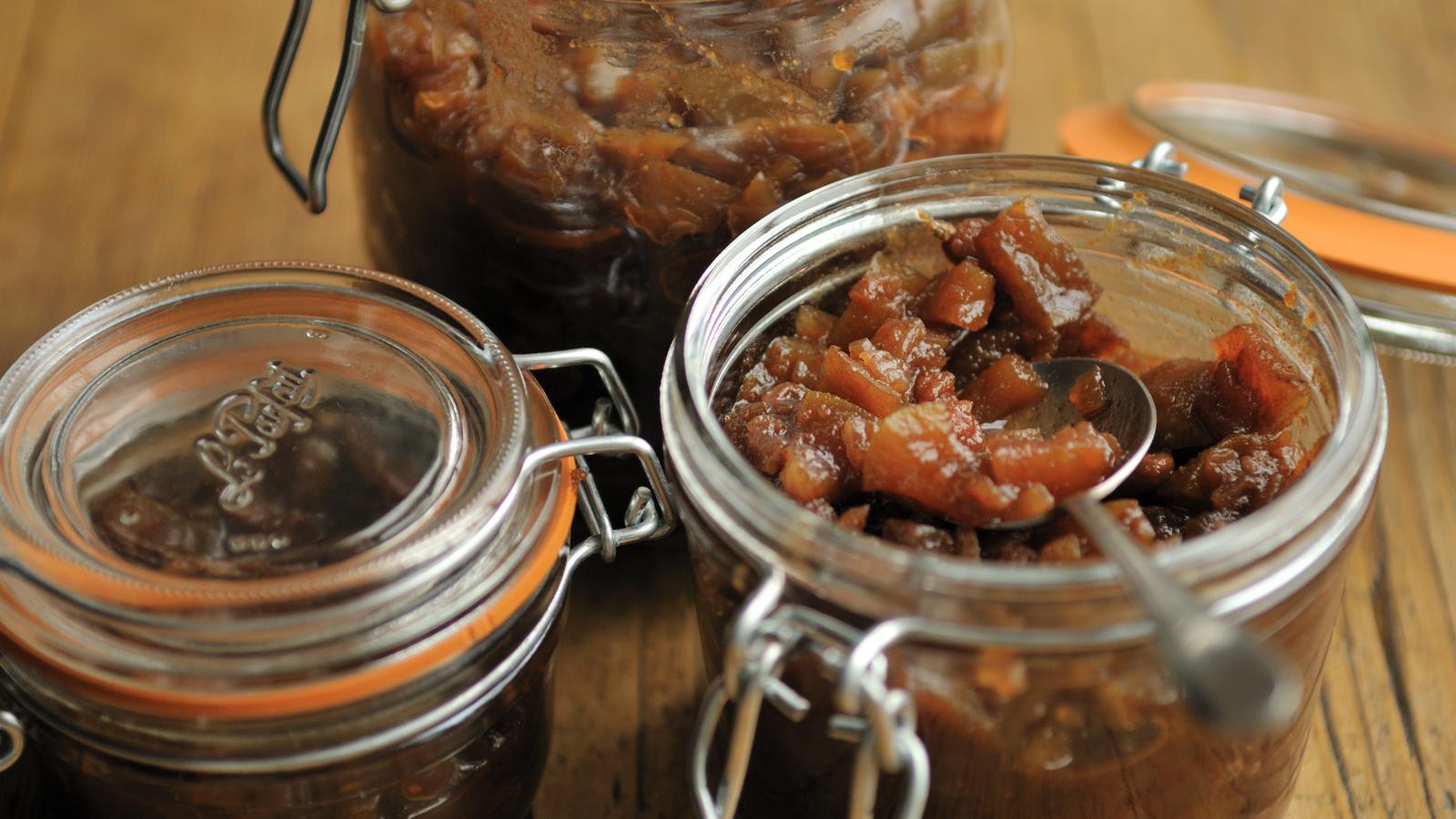
Apple Chutney Recipe: Apple chutney is a delightful blend of fresh apples, vinegar, sugar, and spices simmered into a thick, flavorful condiment. It has the perfect balance of sweet, tart, and spicy that makes it a wonderful companion to a wide range of dishes—from grilled meats to cheese boards, and even sandwiches. Think of it as a jam with attitude. The spices give it complexity, while the vinegar preserves it for future use.
Why Make Apple Chutney at Home?
Homemade apple chutney is not just tastier—it’s customizable, healthier, and preservative-free. Plus, your kitchen will smell incredible while it’s simmering! Unlike store-bought options, you control the sweetness, the heat, and the texture. It’s a great way to use up extra apples, especially during fall harvest or after apple picking trips. Once you make it, you’ll never want to go back to the jarred stuff again.
Health Benefits of Apple Chutney
Nutritional Value of Apples
Apples are naturally rich in fiber, vitamin C, and antioxidants. They help support heart health, aid digestion, and even stabilize blood sugar. When used in chutney, the slow cooking preserves much of their nutrition, while the spices like ginger and cinnamon add anti-inflammatory benefits.
Natural Preservatives and Spices
Vinegar acts as a natural preservative and gives chutney its tangy depth. Spices like cinnamon, cloves, and chili not only enhance flavor but also boost metabolism and digestion. With minimal added sugar, apple chutney becomes a functional food—one that’s both tasty and healthy.
Best Apples for Chutney
Sweet vs. Tart Apples
When choosing apples for chutney, aim for a mix of sweet and tart varieties. This combination creates a more balanced flavor. Sweet apples add depth and body, while tart ones bring the necessary acidity to cut through the sugar and spices.
Recommended Apple Varieties
- Sweet: Fuji, Gala, Honeycrisp
- Tart: Granny Smith, Braeburn, Pink Lady
Mix and match according to what you have on hand. Too many sweet apples? Add more vinegar. Too tart? Balance it with extra sugar or raisins.
Essential Ingredients You’ll Need
Here’s your go-to list for making a classic apple chutney:
Main Ingredients:
- 4 large apples (peeled, cored, and chopped)
- 1 large onion (finely chopped)
- 1 cup brown sugar
- 1 cup apple cider vinegar
- ½ cup raisins (or sultanas)
- 1 tablespoon grated fresh ginger
- 1 teaspoon ground cinnamon
- ½ teaspoon ground cloves
- ½ teaspoon chili flakes (adjust to taste)
- 1 teaspoon salt
Optional Add-ons for Flavor Variation:
- ½ teaspoon mustard seeds (for heat)
- 1 small cinnamon stick (for a deeper spice)
- Zest of 1 orange (for a citrus twist)
- A few dried cranberries or chopped dates (for sweetness)
Kitchen Equipment Needed
To make your chutney-cooking process smooth and stress-free, make sure you’ve got the right tools ready. You don’t need anything fancy—just a few basic kitchen essentials:
Must-Have Tools:
- Large heavy-bottomed pot or saucepan – This ensures even cooking and prevents burning, especially when the chutney starts to thicken.
- Wooden spoon or silicone spatula – For stirring regularly without scratching your cookware.
- Sharp knife and cutting board – To chop apples and onions finely and safely.
- Measuring cups and spoons – Precision matters when balancing sugar, vinegar, and spices.
- Grater or zester – For the fresh ginger or optional citrus zest.
- Jars or airtight containers – For storing your finished chutney, sterilized if you’re planning to store long-term.
Optional but Helpful:
- Food processor or apple peeler – To save time during prep.
- Canning funnel and ladle – Makes transferring hot chutney into jars much cleaner and easier.
- Thermometer – If you’re preserving and want to check temperatures.
Having the right tools not only makes the job easier but also improves the consistency and final quality of your chutney. Make sure everything is clean before you start—especially your storage jars.
Step-by-Step Apple Chutney Recipe
This is the heart of the article—the step-by-step breakdown of the apple chutney-making process. Let’s get cooking!
Step 1: Preparing the Ingredients
Start by washing, peeling, and coring your apples. Chop them into small, even pieces so they cook uniformly. Finely dice onions and mince garlic and ginger if using. Measure out spices, sugar, vinegar, and salt ahead of time—this makes cooking smooth and stress-free.
Step 2: Cooking the Chutney
Place the chopped apples, onions, vinegar, sugar, and spices into a heavy-bottomed saucepan. Stir everything together over medium heat until the sugar dissolves and the mixture begins to release liquid.
Step 3: Simmering and Stirring
Reduce the heat to low and let the chutney simmer gently for 30–40 minutes. Stir occasionally to prevent sticking and ensure even cooking. As it simmers, the apples soften and break down, creating a thick, jam-like consistency.
Step 4: Final Taste Adjustment
Once thickened, taste the chutney. Adjust sweetness with more sugar, tang with extra vinegar, or warmth with spices as needed. Simmer for another 5 minutes to blend the flavors.
Step 5: Storing the Chutney
Allow the chutney to cool completely. Transfer to clean, airtight jars. Store in the refrigerator for up to 2 weeks. Flavors deepen after a day, making it even better with time.
Tips for the Perfect Apple Chutney
Crafting the perfect apple chutney isn’t rocket science, but a few simple tricks can elevate your chutney from good to chef’s kiss. Whether you’re a beginner or a seasoned cook, these tips will help you get it right every single time.
1. Balance is Everything
Chutney is all about contrast—sweet, sour, spicy, and savory should all play together in harmony. Don’t overdo any one ingredient. If it’s too sweet, it’ll taste more like apple jam. If it’s too tart, it can overpower the dish you’re serving it with. Always adjust to taste in the final stages.
2. Don’t Rush the Simmer
Great chutney takes time. A slow simmer lets the apples soften completely, the flavors to meld, and the moisture to reduce to that perfect sticky consistency. If you try to speed things up by increasing the heat, you risk burning the bottom and ruining the batch.
3. Stir Often, Especially Toward the End
As the chutney thickens, it can easily stick to the bottom of the pan and scorch. Use a wooden spoon or silicone spatula to gently scrape the bottom of the pot regularly. This keeps it moving and prevents burning.
4. Use Good-Quality Vinegar
Your vinegar makes a big difference in the overall flavor. Apple cider vinegar is the gold standard here, but white wine vinegar or even balsamic (for a deeper twist) can be great if used thoughtfully.
5. Let It Mature
Sure, fresh chutney is delicious, but if you can wait a week or two, it gets even better. Letting it sit in a sealed jar in the fridge allows the spices and flavors to fully develop.
6. Label Your Jars
If you’re storing multiple batches or trying different variations, label them with the date and ingredients used. You’ll thank yourself later.
How to Store Apple Chutney
Proper storage is crucial to preserving that hard work. The great thing about chutney is it keeps really well—especially when made and stored correctly.
Refrigeration (Short-Term Storage):
- After cooling, pour the chutney into clean, airtight jars or containers.
- Store in the refrigerator for up to 4 weeks.
- Always use a clean spoon to scoop some out—this helps avoid contamination.
Canning (Long-Term Storage):
If you’re making large batches, canning is your best friend.
Here’s how to safely can chutney:
- Sterilize your glass jars and lids by boiling them in water.
- While the chutney is still hot, ladle it into the jars using a canning funnel.
- Wipe the rims clean, seal with lids, and process in a boiling water bath for 10–15 minutes.
- Once cooled, check for a vacuum seal (the lid should not flex).
- Store in a cool, dark place for up to 12 months.
Always refrigerate after opening and consume within a few weeks.
Serving Suggestions
One of the best things about apple chutney? It’s incredibly versatile. It can turn a basic meal into a gourmet experience. Here’s how to enjoy it:
With Meats:
- Serve alongside grilled chicken, roast pork, or lamb chops for a sweet and spicy contrast.
- Add a spoonful on top of sausages or meatloaf to elevate the flavor.
With Cheese:
- Pair it with cheddar, brie, or goat cheese on a cracker or charcuterie board.
- Add it to a grilled cheese sandwich—it’s mind-blowingly good.
On Sandwiches and Burgers:
- Spread it on turkey sandwiches, paninis, or even a veggie burger for an extra kick.
As a Dip or Side:
- Serve as a dip with naan bread or poppadoms for an Indian-inspired snack.
- Add a spoonful next to your holiday roast instead of cranberry sauce.
In Wraps and Bowls:
- Use it in wraps with leftover meat, roasted veggies, or even tofu.
- Top off your grain bowls for a burst of flavor.
This chutney is basically your secret weapon—once you make it, you’ll start finding excuses to put it on everything.
Apple Chutney Variations
Want to get a little creative? These apple chutney variations can take your recipe to the next level. Whether you’re craving something spicy, fruity, or tangy, there’s a version for you.
1. Spicy Apple Chutney
Turn up the heat by adding more chili flakes, fresh chopped red chilies, or a dash of cayenne pepper. You can also include mustard seeds or black pepper for more depth.
2. Apple and Onion Chutney
This one leans more savory. Add a large amount of slow-cooked red onions, maybe a splash of balsamic vinegar, and reduce the sugar slightly. It pairs perfectly with roast beef or mature cheeses.
3. Apple and Cranberry Chutney
Great for the holidays. Add ½ cup of dried cranberries to your chutney pot. They bring a tart burst that works beautifully with turkey or stuffing.
4. Apple and Ginger Chutney
Use extra fresh ginger or even candied ginger pieces. The bold warmth of ginger makes this chutney really zingy.
5. Apple and Mango Chutney
Add diced mango toward the end of cooking or use dried mango for a tropical touch. It’s amazing with grilled chicken or fish.
Feel free to experiment. Chutney is very forgiving and can be adapted to suit your taste or whatever you have in the kitchen.
Vegan and Gluten-Free Version
Good news: apple chutney is naturally vegan and gluten-free—but it’s still important to double-check your ingredients to be sure. Here’s how to keep your chutney completely plant-based and allergen-friendly without sacrificing flavor.
Vegan Tips:
- No animal products needed: The base recipe already avoids butter, honey, or other animal-derived ingredients.
- Sugar check: Some commercial sugars are processed using bone char. If you want a fully vegan option, choose organic or certified vegan sugar.
- Skip honey: If your variation calls for it, replace it with maple syrup, agave nectar, or coconut sugar.
Gluten-Free Tips:
- Most chutney ingredients are naturally gluten-free.
- Double-check vinegar labels: Some malt vinegars contain gluten. Stick to apple cider vinegar, white wine vinegar, or any labeled gluten-free vinegar.
- Safe storage: Make sure jars and utensils are clean and have not come into contact with gluten-containing ingredients.
Bonus Substitutes for Dietary Needs:
- Low-sugar option: Reduce sugar and use natural sweeteners like stevia or monk fruit if you’re avoiding refined sugar.
- Fruit substitutions: Can’t have apples? Try pears, peaches, or pineapple for a similar texture.
This version is perfect for anyone with food sensitivities or following a plant-based lifestyle. And guess what? It tastes just as amazing.
Troubleshooting Your Chutney
Even the best cooks run into hiccups. Here are some common problems and how to fix them:
Problem 1: My chutney is too sweet
Add a splash more vinegar or a pinch of salt to cut the sweetness. You can also stir in a bit of lemon juice to bring back the tang.
Problem 2: My chutney is too sour
Try adding a little more sugar or a few chopped dates or raisins. These naturally sweet additions will mellow the acidity.
Problem 3: It’s too thin
No worries—just cook it a bit longer. Simmer uncovered, stirring often. The longer it simmers, the thicker it gets.
Problem 4: The chutney burnt at the bottom
Don’t scrape the bottom! Carefully transfer the unburnt chutney into a clean pan and continue cooking on low heat. Stir more often next time.
Problem 5: The texture is too chunky or too smooth
Chop your apples smaller next time for a smoother consistency. Or use a potato masher toward the end if you prefer a softer chutney.
These quick fixes will save your chutney and help you improve future batches.
Nutritional Breakdown Per Serving
Let’s take a quick look at what’s in a typical 2-tablespoon serving of homemade apple chutney:
| Nutrient | Amount |
|---|---|
| Calories | 45–60 |
| Total Fat | 0g |
| Carbohydrates | 14–16g |
| Sugars | 10–12g |
| Fiber | 1g |
| Sodium | 50–100mg |
| Protein | <1g |
These values can vary depending on your sugar content and ingredients. It’s a condiment, so enjoy it in moderation—but it’s definitely a flavorful upgrade compared to store-bought sauces filled with preservatives.
FAQs about Apple Chutney Recipe
1. Can I make apple chutney without onions?
Yes! You can skip the onion or substitute it with fennel, celery, or even leeks for a different flavor.
2. What dishes go best with apple chutney?
Try it with roast meats, cheese boards, sandwiches, curries, and even breakfast wraps.
3. Can I use white sugar instead of brown sugar?
You can, but brown sugar adds a deeper, more caramelized flavor. White sugar makes it lighter and slightly less rich.
4. Is apple chutney spicy?
It can be! You control the heat. Add chili flakes or leave them out depending on your taste preference.
5. How can I make my chutney chunkier?
Don’t overcook the apples and chop them into larger pieces. Avoid mashing, and stir gently during cooking.
Conclusion
Apple chutney is one of those magical recipes that can transform everyday ingredients into something extraordinary. With just a few apples, some spices, and a bit of time, you get a jar full of rich, tangy, sweet goodness that pairs with everything from sandwiches to savory meals and cheese platters.
Whether you’re a seasoned home cook or a total beginner, making chutney at home is easier than you think—and once you’ve tried it, you’ll wonder why you ever bought it pre-made.
So go ahead—grab those apples, stir in some spice, and fill your kitchen with the irresistible aroma of homemade chutney. Trust me, once your friends and family taste it, they’ll be asking for jars of their own!