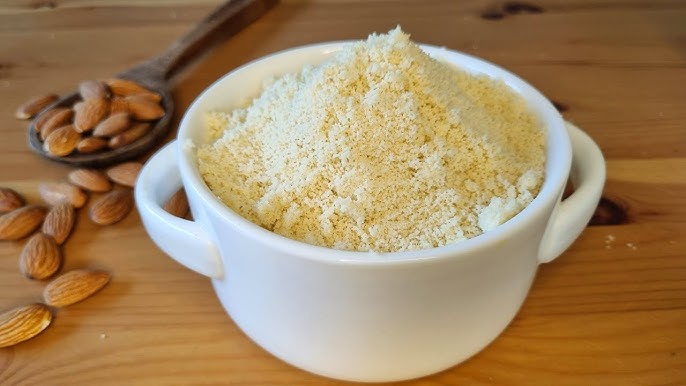
Almond Flour Recipe: Looking to make your own almond flour at home? Whether you’re avoiding gluten, counting carbs, or just love that subtly nutty flavor in your baking, almond flour is your new best friend. It’s versatile, easy to prepare, and way fresher (and cheaper!) when you make it yourself.
Ready to learn how? Let’s go step-by-step in this complete guide, starting from what almond flour really is, to making, storing, and using it the right way.
Introduction to Almond Flour
Almond flour is exactly what it sounds like: finely ground almonds used as a flour alternative. But don’t confuse it with almond meal! While both are made from almonds, almond flour is typically made using blanched almonds (with the skins removed) and ground to a much finer texture. That makes it perfect for light and fluffy baking.
It’s become super popular in recent years thanks to keto, paleo, and gluten-free diets. But beyond trends, almond flour is just a solid, healthy, and tasty ingredient you can use in tons of recipes.
And the best part? You don’t need to be a professional chef to make it. With the right steps and a little patience, you can whip up your own batch of fresh almond flour at home that beats any store-bought brand.
Health Benefits of Almond Flour
Almond flour isn’t just a flour alternative—it’s a nutritional powerhouse. Here’s why so many people are making the switch:
- Low in carbs and sugar: Ideal for keto and diabetic diets
- Naturally gluten-free: A safe option for those with celiac disease or gluten intolerance
- High in protein: Helps with muscle repair and staying full longer
- Rich in vitamin E: A powerful antioxidant that’s great for your skin
- Contains healthy fats: Promotes heart health
Unlike traditional white flour, almond flour won’t spike your blood sugar levels. It’s low on the glycemic index and loaded with fiber, which helps slow digestion and keep your energy levels stable.
So if you’re looking for a healthier way to enjoy baked goods without sacrificing flavor or texture, almond flour might just become your pantry staple.
Difference Between Almond Flour and Almond Meal
This one’s important. A lot of people use the terms almond flour and almond meal interchangeably, but they’re not quite the same.
- Almond Flour: Made from blanched almonds (skins removed), ground into a fine, flour-like texture. Best for baking where you want a smooth consistency—think cakes, cookies, and muffins.
- Almond Meal: Made from raw almonds with skins, usually ground more coarsely. Great for recipes like breadcrumbs, coatings, or rustic baked goods like crackers.
Bottom line: If your recipe calls for almond flour, using almond meal might give you a grainy texture. Choose accordingly!
Types of Almond Flour
Now that you know the difference, let’s break down the different types of almond flour you might come across:
Blanched Almond Flour
- Made from almonds with the skins removed
- Light color, soft texture
- Perfect for baked goods
Unblanched Almond Flour
- Made from whole almonds, skins included
- Slightly darker, heartier texture
- Good for savory dishes or dense desserts
Superfine vs Coarse Grind
- Superfine almond flour gives the smoothest texture, ideal for light baking
- Coarse flour is more rustic, useful in recipes like granola bars or tart crusts
When making almond flour at home, you can control how fine or coarse you want it—another reason to ditch the store-bought version!
When to Use Almond Flour
Almond flour is incredibly flexible. Here are just a few ways you can use it:
- Baking: Cookies, cakes, muffins, pancakes
- Cooking: Coating for chicken or fish (instead of breadcrumbs)
- Thickening agent: In sauces or soups
- Low-carb doughs: Pizza crust, tortillas, or bread
It’s important to note that almond flour doesn’t behave exactly like wheat flour. It’s heavier and moister, so you may need to adjust liquid or egg amounts in a recipe. Still, with a little experimenting, almond flour can become your go-to swap.
List of Ingredients You’ll Need
Here’s the beauty of it—you only need one main ingredient:
- Blanched almonds (or whole almonds if you want to blanch them yourself)
And a few kitchen tools to make the magic happen:
- High-speed blender or food processor
- Fine-mesh sieve or sifter
- Airtight container (for storage)
- Clean kitchen towel (if blanching)
Simple, right? You probably already have most of this in your kitchen!
How to Make Almond Flour at Home
Alright, let’s get into the heart of this guide—the actual process of making almond flour. It’s not complicated, but there are a few steps to follow if you want the best texture and freshness.
Step 1: Choose the Right Almonds
You can use raw almonds or blanched almonds (skins removed). Blanched almonds produce finer, lighter flour ideal for baking. Choose fresh, whole almonds without a rancid smell for best results.
Tip: Avoid roasted or salted almonds—they alter flavor and texture.
Step 2: Blanching Almonds (If Needed)
If using raw almonds with skins, blanch them first. Boil almonds for 1–2 minutes, then transfer immediately to cold water. The skins will slide off easily.
Time-saving tip: Buy pre-blanched almonds to skip this step entirely.
Step 3: Dry the Almonds Properly
Almonds must be completely dry before grinding to prevent clumping.
- Air-drying: Spread almonds on a towel and dry for 24 hours
- Oven-drying: Bake at 100–120°C (210–250°F) for 10–15 minutes
Let them cool fully before grinding.
Step 4: Grinding the Almonds
Use a food processor or high-speed blender. Add almonds in small batches and pulse, not blend continuously. This prevents turning them into almond butter.
Step 5: Sifting the Flour
Sift the ground almonds to remove coarse bits. Re-grind leftover pieces or save them for smoothies or oatmeal.
Step 6: Storing Almond Flour
Store almond flour in an airtight container.
- Pantry: up to 1 month
- Refrigerator: 3 months
- Freezer: 6 months
Proper storage keeps it fresh and flavorful.
Common Mistakes to Avoid
Even though making almond flour is pretty straightforward, there are a few easy mistakes that can mess up your batch. Let’s save you the headache and cover what to watch out for:
1. Over-Grinding
You want flour, not butter. If you process the almonds for too long, the oils start releasing and turn everything into a sticky mess. Always pulse, never blend continuously.
2. Using Wet Almonds
Moisture is your enemy here. Wet almonds will gum up the blades, and the flour won’t store well. Make sure they’re completely dry before grinding.
3. Skipping the Sift
Even if the flour looks fine, skipping the sifting step can result in lumps or uneven baking. Sift every time for best results.
4. Not Storing Properly
Homemade almond flour doesn’t have preservatives. If you leave it out or store it in a poorly sealed container, it can go bad quickly.
Avoid these simple errors, and you’ll always end up with top-quality almond flour ready to elevate your kitchen game.
Top Recipes You Can Make with Almond Flour
Wondering what to do with all that fresh almond flour? Oh, you’re in for a treat! It’s way more versatile than most people realize. Here are some tasty ideas to get you inspired:
1. Almond Flour Pancakes
Fluffy, gluten-free pancakes with a light nutty flavor. Great for weekend brunches!
2. Almond Flour Cookies
Soft, chewy, and naturally sweet. You can make classic chocolate chip, snickerdoodle, or even shortbread.
3. Almond Flour Banana Bread
Moist and dense with a delicious almond touch. Bonus—it’s naturally grain-free.
4. Low-Carb Pizza Crust
Yes, you can still enjoy pizza on a low-carb diet. Almond flour crusts are surprisingly sturdy and crispy.
5. Almond Flour Muffins
From blueberry to chocolate chip, these muffins are a great snack or breakfast option.
6. Gluten-Free Cakes
Almond flour adds a delicate crumb and light texture. Perfect for sponge cakes, carrot cake, or lemon loaf.
7. Coating for Meat or Fish
Use almond flour instead of breadcrumbs for a crunchy, gluten-free crust on chicken tenders or baked fish.
With almond flour in your pantry, your options are nearly endless. It adapts well to most recipes and adds both flavor and nutrition.
FAQs about Almond Flour Recipe
1. Can I substitute almond flour for regular flour in any recipe?
Not always 1:1. Almond flour is heavier and doesn’t contain gluten, so you may need to adjust other ingredients like eggs or liquids. Try using recipes specifically developed for almond flour for best results.
2. Is almond flour good for weight loss?
Almond flour is high in protein and fiber, which can help you feel full longer. It also has fewer carbs than wheat flour. But like all nuts, it’s calorie-dense, so portion control is key.
3. Can I make almond flour with almond meal?
Not quite. Almond meal is coarser and includes almond skins. You can try grinding it further, but it won’t get as fine as true almond flour. Best to start with blanched almonds.
4. How do I know if my almond flour has gone bad?
Smell it. Rancid almond flour will have a sour, unpleasant odor. It should smell slightly nutty and sweet when fresh. If in doubt, toss it out.
5. Can I use almond flour for frying?
Yes! It makes a great coating for pan-frying or oven-baking. It won’t crisp up exactly like breadcrumbs, but it still gives a tasty, crunchy texture—especially when mixed with parmesan or spices.
Conclusion
Making almond flour at home isn’t just easy—it’s smart. You get a fresh, clean ingredient with zero additives or preservatives, and the flexibility to grind it exactly how you like. Whether you’re on a gluten-free diet, cutting carbs, or just trying to bake healthier, almond flour is a kitchen staple you’ll come back to again and again.
It saves money, boosts your baking game, and tastes way better than most store-bought options. All you need is a handful of almonds and a little know-how. Now that you’ve got both, what will you make first?