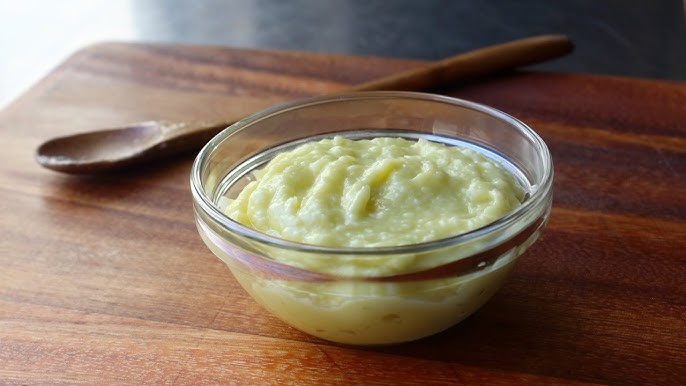
Aioli Sauce Recipe: Aioli is more than just a fancy condiment—it’s a bold, flavorful, and versatile sauce that’s deeply rooted in Mediterranean culinary traditions. Originating from the southern regions of France and Spain, particularly Provence and Catalonia, aioli traditionally consists of just garlic, olive oil, and salt, pounded together in a mortar and pestle until they emulsify into a creamy, garlicky spread.
Over time, modern recipes have evolved to include egg yolks and lemon juice, giving it a richer texture and slightly tangier taste—closer to what most people now associate with garlic mayonnaise. But make no mistake: authentic aioli, especially the traditional version without egg, packs a pungent punch and an artisanal flair that store-bought condiments just can’t match.
So, what makes aioli so beloved? It’s the combination of simple ingredients with a complex flavor profile. The magic lies in the emulsification—when two things that don’t usually mix (like oil and water or, in this case, oil and lemon juice/egg yolk) come together to form something smooth and creamy.
Ready to dive into the world of homemade aioli? Let’s get started by gathering the ingredients you’ll need.
Why You’ll Love This Homemade Aioli
Making your own aioli at home isn’t just about saving money or impressing dinner guests—it’s about flavor. Store-bought sauces often contain preservatives, unnecessary sugars, or low-quality oils. When you make aioli from scratch, you’re in total control of what goes in, and the result is a luxurious, velvety sauce that adds personality to any dish.
Here’s why homemade aioli is a game-changer:
- Unmatched Flavor: Fresh garlic, quality olive oil, and a dash of lemon make a punchy, creamy condiment you’ll want to slather on everything.
- No Preservatives: Clean, fresh ingredients mean no hidden chemicals or stabilizers.
- Customizable: You can add spices, herbs, or even roasted veggies to create your signature aioli flavor.
- Healthier Option: Using high-quality oils and skipping unnecessary additives makes it a more wholesome choice.
- Impress Your Guests: Serve homemade aioli with fries, roasted vegetables, or grilled meats, and watch the compliments roll in.
Whether you’re dipping fries, topping grilled fish, or spreading it on sandwiches, this sauce elevates everything it touches.
Ingredients You’ll Need for Classic Aioli
To make a classic garlic aioli from scratch, you’ll only need a handful of pantry staples—but don’t be fooled by the simplicity. The quality of these ingredients will make or break your sauce.
Here’s a full list of what you’ll need:
Basic Ingredients:
- 2 to 3 garlic cloves – peeled and crushed
- 1 large egg yolk – at room temperature
- 1 tablespoon lemon juice – freshly squeezed
- 1/2 teaspoon Dijon mustard (optional, for stability and a slight tang)
- 1/2 teaspoon sea salt
- 3/4 cup olive oil (or a mix of olive oil and neutral oil like grapeseed for a lighter taste)
- 1 tablespoon water (optional, to adjust consistency)
Ingredient Tips:
- Use fresh garlic – Avoid pre-minced garlic in jars. Fresh cloves give a more vibrant, less bitter flavor.
- Room temperature egg yolk – This helps the emulsion form more easily.
- Choose a good olive oil – The oil is the base of the aioli, so its flavor will shine through. A strong extra virgin olive oil will give you a bolder flavor; a lighter olive oil or blended oil will yield a more mellow taste.
Ready with your ingredients? Let’s dive into the step-by-step guide next.
Tools and Equipment Needed
To whip up the perfect aioli, you don’t need a high-end kitchen setup. But a few key tools will make the process easier and more consistent:
Kitchen Essentials:
- Mixing bowl – A medium-sized glass or metal bowl works best.
- Whisk – Essential for hand-emulsifying the sauce.
- Mortar and pestle (optional) – For crushing the garlic traditionally.
- Blender or food processor (optional) – Speeds up the process, especially for larger batches.
- Measuring spoons and cups – For accurate ingredient proportions.
- Rubber spatula – To scrape down the sides and get every last bit.
Pro Tip:
If it’s your first time, try making it by hand to really learn the process. Once you get the hang of emulsifying, you can speed things up with a food processor or immersion blender.
Step-by-Step Guide to Making Traditional Aioli
Now let’s get into the good stuff—the actual process of making aioli. It might seem a little intimidating at first, but once you understand the rhythm of emulsification, you’ll master it in no time.
Step 1: Prep Your Ingredients
Start by separating your egg yolk from the white. Make sure it’s at room temperature. Crush your garlic cloves and juice your lemon. Measure everything out so it’s ready to go—this helps things move quickly and smoothly.
Step 2: Crush the Garlic
Using a mortar and pestle or the flat side of a chef’s knife, crush the garlic with a pinch of salt until it forms a smooth paste. The salt helps break down the garlic and draws out its juices for a more intense flavor.
Step 3: Combine the Yolks and Garlic
In your mixing bowl, whisk together the egg yolk, garlic paste, lemon juice, and Dijon mustard (if using). Whisk vigorously until everything is well combined.
Step 4: Slowly Add the Oil
This step is crucial—go slowly! Start adding your olive oil drop by drop while whisking continuously. You’re trying to form an emulsion, so patience is key. Once the mixture thickens a bit, you can start adding the oil in a thin, steady stream.
Keep whisking until the aioli starts to look creamy and thick. If it becomes too thick, whisk in a bit of water to loosen the texture.
Step 5: Taste and Adjust
Once your aioli has reached your desired thickness, taste it. Add more salt or lemon juice if needed. If it tastes too strong, blend in a bit more neutral oil.
There you have it—your homemade aioli is ready!
Tips for Perfect Emulsification
Getting the emulsification process just right is the heart and soul of making aioli. It’s where most beginners stumble, but don’t worry—we’re about to break down exactly what you need to know to avoid any kitchen disasters.
Start Slow – Patience is Power
The biggest mistake people make? Adding the oil too fast. When you dump oil in all at once, it won’t blend properly with the egg yolk or lemon juice, and the whole thing can separate (aka “break”). Instead, start with just a few drops of oil while whisking like your life depends on it. Once the sauce thickens and emulsifies, you can start pouring the oil in a thin, steady stream.
Use Room Temperature Ingredients
Cold ingredients don’t blend well. Make sure your egg yolk and lemon juice are at room temperature before you start. This small detail makes a huge difference in how easily everything comes together.
Whisk Consistently
Whether you’re doing it by hand or using a blender, the key is consistent motion. Keep whisking as you add the oil. Stop whisking for even a second, and you risk breaking the emulsion.
Choose the Right Oil
Extra virgin olive oil adds strong flavor but can be overpowering and slightly bitter in large amounts. A mix of olive oil and a neutral oil like grapeseed, canola, or sunflower can help balance the flavor and prevent bitterness.
Don’t Panic if It Breaks
Even if your aioli breaks (it looks watery or curdled), you can fix it! We’ll cover that in detail further down, but just know—it’s not the end of the world.
Perfect emulsification is all about technique, not luck. Once you get it down, you’ll never go back to store-bought sauces again.
Variations of Aioli Sauce
One of the best things about aioli is how versatile it is. You can start with the classic version and then tweak it to match any flavor profile or dish. Want it spicy? Herbaceous? Tangy? There’s an aioli for that.
1. Lemon Aioli
Add extra lemon zest and juice to brighten the flavor. This variation pairs beautifully with seafood and grilled vegetables.
2. Spicy Aioli
Mix in a bit of sriracha, chipotle chili, or even smoked paprika for heat. Perfect for burgers, fries, or tacos.
3. Herb-Infused Aioli
Finely chop fresh herbs like parsley, basil, dill, or cilantro and fold them in at the end. This is a great option for summer dishes and roasted veggies.
4. Roasted Garlic Aioli
Instead of raw garlic, use roasted garlic for a sweet, mellow, and nutty flavor. Just roast a head of garlic in foil until soft, squeeze it out, and mix it in.
5. Vegan Aioli
No eggs? No problem. Use aquafaba (the liquid from a can of chickpeas) as a substitute for egg yolks. It emulsifies surprisingly well and tastes great with garlic and lemon.
These variations allow you to transform a basic condiment into a flavor-packed experience that elevates any dish. Don’t be afraid to experiment with ingredients you love—aioli is incredibly forgiving and customizable.
Aioli with Eggs vs. Eggless Aioli
This is where things get interesting. Some purists insist that true aioli should never include egg yolks—it should only be garlic, oil, and salt pounded by hand. Others prefer the richness and easier emulsification that comes with eggs. So, which one is better?
Egg Yolks: Easier & Creamier
Adding egg yolks makes the emulsification process much easier. They act as a natural stabilizer and give the sauce a creamy, silky texture. It’s closer to mayonnaise in texture, but with way more flavor.
Eggless: Traditional & Punchy
Eggless aioli (often called aïoli à l’ancienne) is traditional and has a sharper, more intense garlic flavor. It’s usually thicker and not quite as smooth. This version requires more arm power and precision, especially if you’re doing it by hand.
Which Should You Choose?
- Use egg-based aioli if you want a lighter, creamier spread with consistent results.
- Go eggless if you’re going for authenticity, want a stronger garlic kick, or are avoiding eggs for dietary reasons.
Both versions are delicious—it really depends on your personal taste and how much time you want to spend whisking.
Storage and Shelf Life
Homemade aioli, like any fresh sauce made without preservatives, has a shorter shelf life than store-bought condiments. But if stored properly, it will last long enough for you to enjoy it in a variety of meals.
How to Store It:
- Refrigerator Only: Always store aioli in an airtight container in the fridge.
- Glass Jars Are Best: Glass containers prevent any odor or taste from transferring, and they help keep the aioli fresh.
- Label & Date: Always write the date on the container so you know when you made it.
How Long Does It Last?
- With eggs: Up to 4 days
- Without eggs: Up to 7 days (eggless versions tend to last a bit longer)
Signs It’s Gone Bad:
- Odd or sour smell
- Separation that can’t be re-emulsified
- Mold or discoloration
To be safe, if it smells funky or looks different than when you made it—toss it out. Better safe than sorry!
Best Foods to Serve with Aioli
Aioli isn’t just for fancy restaurant plates. It can bring excitement and flavor to even the most basic dishes at home. Here are some of the best pairings:
1. Fries and Roasted Potatoes
The ultimate combo—crispy, salty potatoes dipped into garlicky aioli is pure heaven.
2. Grilled Vegetables
Think charred bell peppers, asparagus, eggplant, or zucchini. The creamy aioli contrasts beautifully with the smoky flavors.
3. Sandwiches & Burgers
Replace your mayo with aioli to give sandwiches an upgrade. Works especially well with turkey, roast beef, or veggie burgers.
4. Seafood
Aioli and fish are best friends. Serve it with shrimp, grilled salmon, or crispy fish tacos.
5. Chicken
Use it as a dip for chicken tenders or drizzle over grilled chicken breasts for extra richness.
6. Artichokes
Serve steamed artichokes with a side of lemon aioli for a simple yet elegant appetizer.
When in doubt, ask yourself: “Would this taste good with garlic?” If yes, then aioli probably belongs on it.
Making Aioli in a Blender or Food Processor
While hand-whisking aioli is a satisfying and traditional process, sometimes you just want speed and convenience. That’s where blenders and food processors come in. They’re perfect for beginners, or anyone who doesn’t want to risk a tired arm.
How to Make Blender Aioli
- Add egg yolk, garlic, lemon juice, salt, and mustard (if using) into the blender or food processor.
- Pulse a few times to combine the ingredients.
- Start the blender on low speed, and very slowly drizzle in the oil through the top opening. Make sure it’s a thin, steady stream.
- As the sauce thickens, increase the speed slightly and continue blending until the aioli is smooth and creamy.
- Taste and adjust the seasoning if necessary.
Benefits of Using a Blender or Processor
- Consistency: You’ll get a silky-smooth aioli every time.
- Speed: What takes 10+ minutes by hand takes under 2 minutes with a machine.
- Less Risk of Breaking: Blenders emulsify ingredients more easily and steadily.
Drawbacks to Consider
- Less control over flavor: Blending aggressively can slightly dull garlic’s sharpness.
- Texture: Hand-whisked aioli has a more rustic, artisan texture, while machine-made aioli is smoother and more mayonnaise-like.
- Overheating: Some blenders can heat up the ingredients slightly, which can affect taste if over-blended.
In short, for fast, foolproof results—use the blender. For a more authentic feel and control—whisk it by hand. Either way, the result is going to be delicious.
Nutritional Value of Homemade Aioli
Aioli might taste indulgent, but when made with high-quality ingredients, it’s not as unhealthy as you might think. Yes, it’s high in fat—but it’s mostly from heart-healthy oils, and there are no artificial additives, sugars, or trans fats like in many commercial spreads.
Nutritional Breakdown (Per Tablespoon Approx.):
| Nutrient | Amount (Approx.) |
|---|---|
| Calories | 90–100 kcal |
| Total Fat | 10g |
| Saturated Fat | 1.5g |
| Carbohydrates | 0g |
| Protein | 0.2g |
| Cholesterol | 10–15mg |
| Sodium | 50–60mg |
Health Benefits (When Consumed in Moderation):
- Healthy Fats: Using olive oil provides monounsaturated fats, which are good for heart health.
- No Sugar: Unlike many condiments, homemade aioli contains no added sugars.
- Natural Ingredients: No preservatives, additives, or hidden ingredients.
Health Tips:
- Use light olive oil or avocado oil to cut back on intense flavors and saturated fats.
- Add fresh herbs like parsley or basil to boost antioxidant content.
- For a lighter version, consider blending in a little Greek yogurt.
Homemade aioli is rich, sure—but it’s clean. A tablespoon here and there can absolutely be part of a healthy diet, especially when paired with wholesome foods.
Frequently Made Mistakes When Making Aioli
If your first attempt at aioli didn’t turn out perfect, don’t feel bad—it happens to everyone. There are a few common mistakes that can easily be avoided with a little know-how.
1. Adding Oil Too Quickly
We’ve said it before, and we’ll say it again: slow and steady wins the aioli race. Dumping in oil too fast is the #1 way to break your emulsion.
2. Using Cold Ingredients
Cold eggs or lemon juice can prevent emulsification. Always let them sit out for 15–30 minutes before starting.
3. Overpowering with Garlic
Raw garlic is strong. Using too much can make the aioli bitter and overwhelming. Start with one clove, taste, and add more if needed.
4. Using Strong Olive Oil Only
Extra virgin olive oil can be very bitter in high quantities. Consider mixing it with a milder oil if your batch tastes harsh.
5. Not Whisking Constantly
Even pausing for a few seconds can throw off the emulsion. Once you start adding oil, you can’t stop whisking until it’s all combined.
6. Using the Wrong Tools
A narrow, deep bowl and a balloon whisk work best for hand-whisking. Wide or shallow bowls make it hard to emulsify properly.
By avoiding these simple errors, your aioli will come out rich, creamy, and restaurant-worthy every time.
How to Fix Broken Aioli
Sometimes, even when you follow all the rules, your aioli might “break.” This means the oil has separated from the egg or lemon juice and won’t come together into a smooth sauce. Don’t toss it out just yet—you can save it!
Step-by-Step: How to Fix It
- Start fresh: In a clean bowl, add 1 new egg yolk and whisk it well.
- Slowly drizzle in the broken aioli: Yes, the broken batch can be salvaged! Add it a few drops at a time into the new yolk while whisking vigorously.
- As it thickens, increase the pace of oil addition. You’ll see the emulsion start to come back together.
- Taste and adjust salt or lemon juice if needed.
Prevention Tips:
- Always start with room-temperature ingredients.
- Never rush the oil.
- Use a stable base like Dijon mustard if you’re new to emulsifying.
Even top chefs break aioli sometimes—it’s all part of the learning process. Knowing how to fix it just makes you that much more confident in the kitchen.
FAQs about Aioli Sauce Recipe
1. Can I freeze aioli?
Not really. Freezing will break the emulsion, and the sauce will likely separate when thawed. It’s best made fresh and used within a few days.
2. What’s the best oil to use?
Extra virgin olive oil is traditional, but it can be strong. A mix of olive oil and a neutral oil like grapeseed or canola balances the flavor while maintaining richness.
3. Can I make it super spicy?
Absolutely! Add sriracha, chipotle, cayenne, or even roasted jalapeños to spice things up. Start small and build up the heat to your taste.
4. Is raw garlic safe to eat in aioli?
Yes, but always use fresh garlic. If you’re worried about strong flavor or digestion, try roasting the garlic first or using slightly less.
5. Can I use garlic powder instead of fresh garlic?
Technically, yes—but it won’t taste the same. Fresh garlic gives aioli its signature kick. Garlic powder is better for quick mayo-based spreads.
Conclusion
There’s something deeply satisfying about making your own aioli. It’s not just about the rich, garlicky flavor or the creamy texture—it’s about taking simple ingredients and turning them into something extraordinary. Once you’ve made it from scratch, you’ll start to see aioli not just as a condiment, but as a canvas for creativity in your cooking.
Whether you keep it classic or play with exciting variations, aioli is a culinary power move. It can elevate even the most basic meals, from sandwiches to roasted vegetables, into something that feels gourmet.
So, grab your garlic, get whisking, and start making magic in your kitchen. Once you taste real, homemade aioli, there’s no going back.