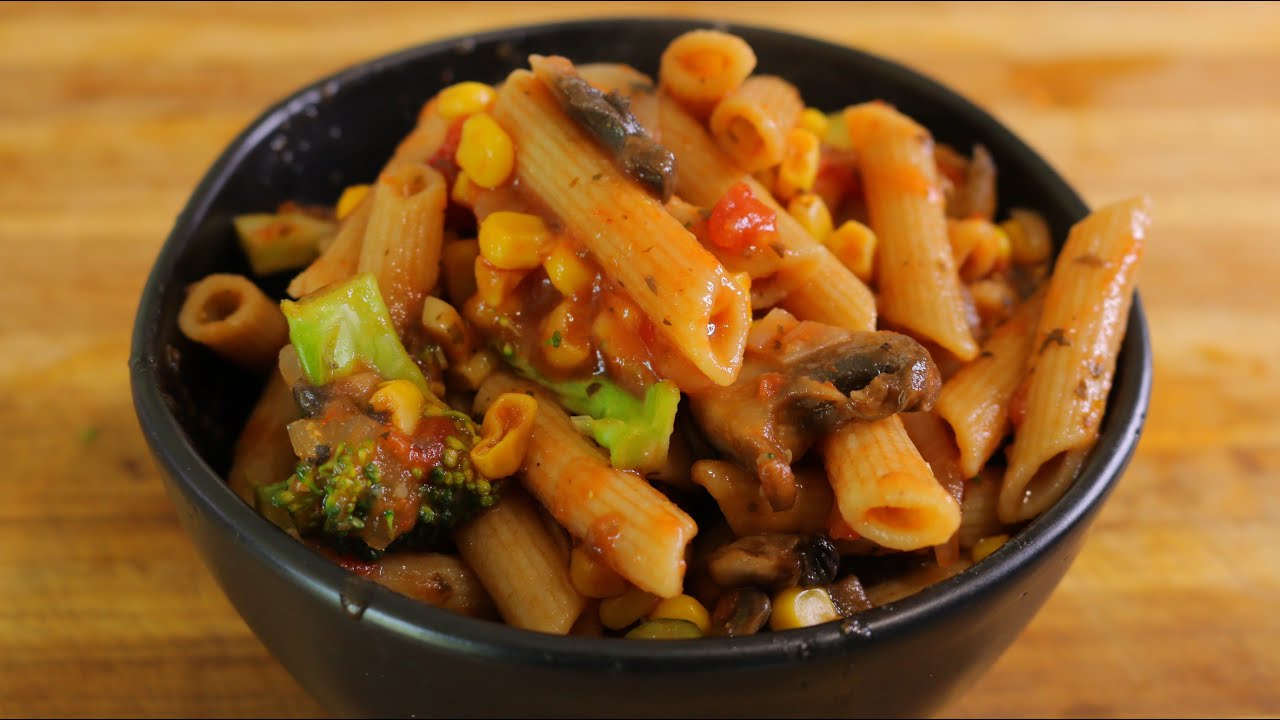
Whole Wheat Pasta Recipe: So, you’re looking to whip up something healthy, hearty, and satisfying? Say hello to whole wheat pasta. It’s the perfect mix of flavor and nutrition, and best of all—you can make it from scratch right in your kitchen. Whole wheat pasta isn’t just a trend; it’s a lifestyle upgrade. With its earthy flavor and chewy bite, it brings something extra to your plate that white pasta just can’t match.
Sure, store-bought pasta is convenient, but there’s nothing quite like homemade. You control the ingredients, skip the preservatives, and feel that sense of accomplishment after turning flour and water into a beautiful bowl of noodles. Whether you’re a beginner or just looking to try something new, this step-by-step guide will walk you through the entire process. Trust me, once you make whole wheat pasta at home, there’s no going back.
Benefits of Whole Wheat Pasta
Whole wheat pasta isn’t just good—it’s good for you. Unlike traditional pasta made with refined flour, whole wheat pasta is made using the entire grain kernel. This means you get all the fiber, vitamins, and minerals that are stripped away in white flour. That’s a big win for your body.
Let’s break down some of the key benefits:
- High in Fiber: Whole wheat pasta contains nearly twice the fiber of white pasta. Fiber keeps your digestion regular and helps you feel full longer, which can be great for managing your weight.
- More Nutrients: You’ll get more magnesium, iron, and B vitamins—key players for energy, immunity, and brain health.
- Lower Glycemic Index: This means it causes a slower rise in blood sugar compared to white pasta, which is especially important for people managing diabetes or blood sugar levels.
- Sustained Energy: Thanks to its complex carbs, whole wheat pasta gives you a more steady release of energy—no more carb crashes.
Whether you’re trying to eat clean, lose weight, or just feel better after meals, whole wheat pasta is a fantastic choice.
Types of Whole Wheat Pasta
The fun part? Whole wheat pasta comes in all your favorite shapes and sizes. So, whether you like your noodles long and twirly or short and sturdy, there’s a whole wheat version for you.
Here are some popular options:
- Spaghetti: Classic and versatile. Perfect for tomato-based sauces or a simple olive oil and garlic drizzle.
- Penne: Great for baked dishes or thick sauces that get caught in the ridges.
- Fusilli: Spiral-shaped and fun. Works well with chunky veggie sauces or pesto.
- Linguine and Fettuccine: Wider noodles that go beautifully with cream sauces.
Homemade vs. Store-Bought? If you’re in a pinch, store-bought whole wheat pasta will still give you a solid nutritional boost. But if you’re going the homemade route (which we’re doing here), you’ll love the freshness and texture. You can also control the shape, thickness, and flavor.
Ingredients You’ll Need
Here’s the beauty of pasta—it doesn’t need much to shine. Making whole wheat pasta from scratch only requires a handful of ingredients. Simplicity is the secret.
Basic Ingredients:
- Whole wheat flour – 2 cups (stone-ground is best for flavor)
- Large eggs – 2 (adds richness and structure)
- Olive oil – 1 tablespoon (optional, for smoother texture)
- Water – 2–4 tablespoons as needed
- Salt – ½ teaspoon (for flavor)
Optional Add-ins:
- Spinach puree (for color and nutrients)
- Beet juice or carrot juice (adds color and subtle sweetness)
- Fresh herbs like basil or oregano (for extra flavor)
Substitutions:
- Egg-free version: Replace eggs with water or flaxseed meal + water.
- Gluten-free version: Use a whole grain gluten-free flour blend (though texture may vary).
Simple, right? You don’t need anything fancy, and chances are, you already have most of these ingredients in your kitchen.
Tools and Equipment Required
Before we roll up our sleeves, let’s talk tools. You don’t need a fully stocked kitchen to make pasta, but a few basics can make the process smoother.
Essential Tools:
- Mixing bowl – For combining your ingredients.
- Fork or hands – For mixing the dough (your call).
- Rolling pin – If you don’t have a pasta machine.
- Knife or pizza cutter – To cut your dough into shapes.
- Clean surface or pastry board – For kneading and rolling.
- Kitchen towel or plastic wrap – To rest your dough.
Nice-to-Have Tools:
- Pasta machine – Speeds up the rolling and gives even thickness.
- Pasta cutter or wheel – For pretty edges.
- Drying rack – If you want to store your pasta for later.
No pasta maker? No problem. Plenty of Italian nonnas have been making pasta by hand for centuries. It just takes a little elbow grease—and maybe a bit of patience.
Step-by-Step Guide to Making Whole Wheat Pasta Dough
Now we’re getting to the heart of the recipe—making that beautiful, golden-brown dough. This is where the magic happens. Making whole wheat pasta dough is easier than it sounds, and once you do it a couple of times, it becomes second nature.
Step 1: Measure Your Ingredients
Start by measuring out your ingredients. You’ll need:
- 2 cups of whole wheat flour
- 2 large eggs
- ½ teaspoon salt
- 1 tablespoon olive oil (optional)
- 2–4 tablespoons of water (as needed)
Place the flour on a clean surface or in a large mixing bowl. Make a well in the center with your hands.
Step 2: Mix and Knead
Crack the eggs into the well, add salt and olive oil, and start mixing with a fork, slowly incorporating the flour into the eggs from the sides of the well. Once the mixture thickens, use your hands to knead it into a dough.
Knead the dough for about 8–10 minutes. Yes, it’s a workout—but a good one! You’ll know it’s ready when it becomes smooth, elastic, and firm, but not sticky. If it’s too dry, add a teaspoon of water at a time. If it’s too wet, sprinkle in a bit more flour.
Step 3: Rest the Dough
Form the dough into a ball, wrap it in plastic wrap or a clean towel, and let it rest for 30–45 minutes at room temperature. This step allows the gluten to relax, which makes it easier to roll out later.
Don’t skip the resting phase—it makes all the difference. Think of it as letting the dough take a nap before the big stretch.
Rolling Out the Dough
Time to stretch that dough out! This part is where you start to see the transformation.
Hand-Rolling Method
If you’re going old school with a rolling pin:
- Cut your rested dough into 2 or 4 pieces (makes it easier to handle).
- Flatten a piece slightly, then roll from the center outwards, rotating the dough often.
- Keep flouring lightly to prevent sticking.
- Roll until the dough is about 1–2 mm thick (depending on your pasta type).
Using a Pasta Machine
If you have a pasta roller, life just got easier:
- Flatten a piece of dough and feed it through the widest setting.
- Fold it and repeat 2–3 times to build gluten structure.
- Gradually reduce the settings to get your desired thickness.
Take your time and don’t rush the process. Uneven rolling can lead to uneven cooking, and nobody wants that.
Tips for Success:
- Don’t skip dusting with flour; whole wheat dough is a bit stickier than white.
- If the dough springs back while rolling, let it rest a few more minutes.
- Don’t roll it too thin, especially for shapes like tagliatelle or fettuccine—it’ll tear easily.
Cutting the Pasta
Alright, you’ve rolled out your dough like a pro—now it’s time to cut it into shape.
Choosing a Pasta Shape
Depending on the dish you’re planning to make, choose your pasta shape:
- Fettuccine or Tagliatelle: Roll the sheet into a log and cut into strips with a sharp knife.
- Pappardelle: Same method, just wider strips.
- Lasagna sheets: Cut into rectangles.
- Hand-cut Shapes: Be creative! Triangles, ribbons, you name it.
If you’re using a pasta machine, you can use the cutter attachment to get even, beautiful strips.
Prevent Sticking
After cutting, lightly toss the pasta in flour or cornmeal to keep it from sticking together. Lay it out in single layers or use a pasta drying rack.
Let it air out for 10–15 minutes if you plan to cook it immediately. If not, let it dry for 1–2 hours before storing.
Drying the Pasta (Optional Step)
If you’re not cooking the pasta right away, you can dry it and store it for later. Here’s how.
How to Dry Pasta at Home:
- Spread the pasta on a floured tray or clean surface in a single layer.
- Turn it occasionally for even drying.
- Depending on the humidity, it may take 12–24 hours to fully dry.
Once dry, store in an airtight container for up to a month. If you’re in a hurry, you can also freeze the pasta (more on that in the storage section).
Drying pasta isn’t a must, but it’s super convenient for future meals.
Boiling the Pasta
Let’s bring this baby to life! Cooking fresh whole wheat pasta is quick and easy—way faster than store-bought dried pasta.
Boiling Tips:
- Use plenty of water. A large pot helps prevent sticking.
- Add salt once the water boils—about 1 tablespoon per 4 quarts.
- Do not add oil—it doesn’t prevent sticking, it just makes sauce slide off.
Cooking Time:
- Fresh whole wheat pasta cooks in 2–4 minutes, depending on thickness.
- Taste test early—it should be al dente (tender with a slight bite).
Once cooked, drain immediately but don’t rinse the pasta unless your recipe specifically calls for it (like a cold pasta salad). Rinsing removes the starch that helps sauce stick.
Whole Wheat Pasta Cooking Tips
Cooking pasta seems simple, right? But even experienced home cooks make small mistakes that can affect texture, taste, or how well the sauce clings. When it comes to whole wheat pasta, there are a few specific tips to help you nail that perfect al dente texture every time.
Tip #1: Don’t Overcook It
Whole wheat pasta softens more quickly than white pasta and can go from perfect to mushy in seconds. Keep a close eye and start testing it for doneness after 2 minutes. You’re aiming for a slight bite in the center—it’ll finish cooking in the sauce.
Tip #2: Save Some Pasta Water
That cloudy water you’re tempted to dump down the drain? Save a cup! It’s liquid gold. Pasta water contains starch that helps your sauce stick to the noodles, creating a smoother, more cohesive dish.
Tip #3: Toss It With the Sauce Immediately
Drain your pasta and immediately toss it with your hot sauce in the pan. This helps everything bind together beautifully. Letting pasta sit in a colander causes it to clump and cool down quickly.
Tip #4: Don’t Use Oil in Boiling Water
A lot of people add oil to the pot thinking it stops the noodles from sticking. It doesn’t—and worse, it makes the noodles slippery so sauce won’t cling. Just stir the pasta once or twice during cooking and use enough water.
Tip #5: Use It Fresh
If you’ve made homemade pasta, use it within a few hours for the best taste and texture. Unlike dried pasta, fresh pasta doesn’t need long storage and shines brightest when cooked the same day.
Serving Suggestions
You’ve got your perfectly cooked whole wheat pasta—now let’s make it shine with the right sauce and toppings. The earthy, nutty flavor of whole wheat pasta pairs best with bold, hearty sauces, but honestly, the possibilities are endless.
Classic Sauce Pairings:
- Tomato Basil Sauce – A classic marinara made with garlic, olive oil, crushed tomatoes, and lots of fresh basil.
- Garlic and Olive Oil (Aglio e Olio) – Light and simple, yet incredibly flavorful.
- Pesto – Basil, spinach, or kale pesto are all fantastic choices that coat the noodles well.
- Creamy Mushroom Sauce – The richness of mushrooms complements the nuttiness of whole wheat.
- Lentil Bolognese – For a protein-packed vegetarian option that feels like a classic meat sauce.
Protein Additions:
- Grilled chicken
- Sautéed shrimp
- Plant-based meatballs
- Chickpeas or cannellini beans
Toppings and Garnishes:
- Freshly grated Parmesan or Pecorino
- Cracked black pepper
- Red chili flakes for heat
- Fresh herbs like parsley or basil
- A drizzle of high-quality extra virgin olive oil
Mix and match your sauces and toppings based on what you have on hand, and don’t be afraid to experiment. Whole wheat pasta is more forgiving than you’d think—it loves strong flavors and creamy textures.
Storage and Reheating Tips
Life gets busy, and sometimes you want to prep your meals in advance. Here’s how to store and reheat whole wheat pasta without ruining its texture or flavor.
Storing Uncooked Pasta:
- Fresh (uncooked) pasta can be stored in an airtight container in the fridge for up to 2 days.
- To store longer, freeze it in nests or single layers. It can last up to 2 months. No need to thaw—just toss into boiling water straight from the freezer.
Storing Cooked Pasta:
- Toss cooked pasta lightly with olive oil to prevent sticking, then store in an airtight container for 3–4 days in the fridge.
- Keep sauce and pasta separate if possible for better texture when reheating.
Best Reheating Methods:
- Stovetop: Reheat in a skillet with a splash of water or broth and your sauce over medium heat.
- Microwave: Place pasta in a microwave-safe bowl with a damp paper towel on top. Heat in short bursts, stirring in between.
Avoid overcooking during reheating, especially with whole wheat pasta. It softens fast, so keep it brief and check frequently.
Common Mistakes and How to Avoid Them
Even seasoned cooks make these small but significant missteps. Let’s go over some of the most common pasta-making mistakes and how you can steer clear of them.
1. Not Kneading the Dough Long Enough
Kneading is where the gluten magic happens. If you don’t knead for a full 8–10 minutes, your pasta will be tough or fall apart. The dough should be smooth and elastic before it rests.
2. Skipping the Resting Time
Don’t be tempted to rush this. Resting the dough relaxes the gluten and makes it easier to roll out. If you skip it, you’ll have a fight on your hands trying to shape the dough.
3. Rolling the Dough Unevenly
Thick spots will be undercooked, and thin spots can fall apart in boiling water. Aim for a consistent thickness and check it by holding it up to the light.
4. Not Enough Flour During Rolling and Cutting
Whole wheat dough is sticky. Use just enough flour to prevent sticking—but don’t overdo it, or your pasta may turn dry and tough.
5. Overcooking the Pasta
Fresh whole wheat pasta cooks quickly! 2–4 minutes is usually all you need. Taste often, and pull it the moment it hits that al dente sweet spot.
Learning from these little slip-ups will take your pasta game from good to amazing.
FAQs about Whole Wheat Pasta Recipe
1. Can I make whole wheat pasta without eggs?
Absolutely! Just replace the eggs with water or use flaxseed meal + water for a vegan version. The texture will be slightly different but still tasty.
2. Is whole wheat pasta gluten-free?
No, whole wheat still contains gluten. If you need a gluten-free option, look for pasta made from rice, lentils, or quinoa flour.
3. Can I freeze homemade whole wheat pasta?
Yes! Shape the pasta, let it dry slightly, then freeze it in portions. It cooks straight from the freezer in just a few minutes.
4. Why is my dough too dry or crumbly?
Whole wheat flour absorbs more moisture. Add water a teaspoon at a time while kneading until it becomes smooth and elastic.
5. How long can I store homemade pasta?
Fresh pasta lasts up to 2 days in the fridge and 1–2 months in the freezer. Dried pasta (air-dried for 24+ hours) can be stored in an airtight container for several weeks.
Conclusion
There’s something deeply satisfying about making pasta from scratch—especially when it’s made with wholesome, fiber-rich whole wheat. It’s one of those kitchen rituals that feels both ancient and fresh. Once you’ve tried it, you’ll wonder why you ever relied on boxed pasta in the first place.
Whether you’re cooking for family, meal prepping for the week, or simply craving a better-for-you comfort food, whole wheat pasta is a game-changer. It’s nutritious, delicious, and surprisingly easy to master.
Start simple, get your hands a little messy, and don’t worry if it’s not perfect the first time. With every batch, you’ll get better and faster—and your tastebuds will thank you.