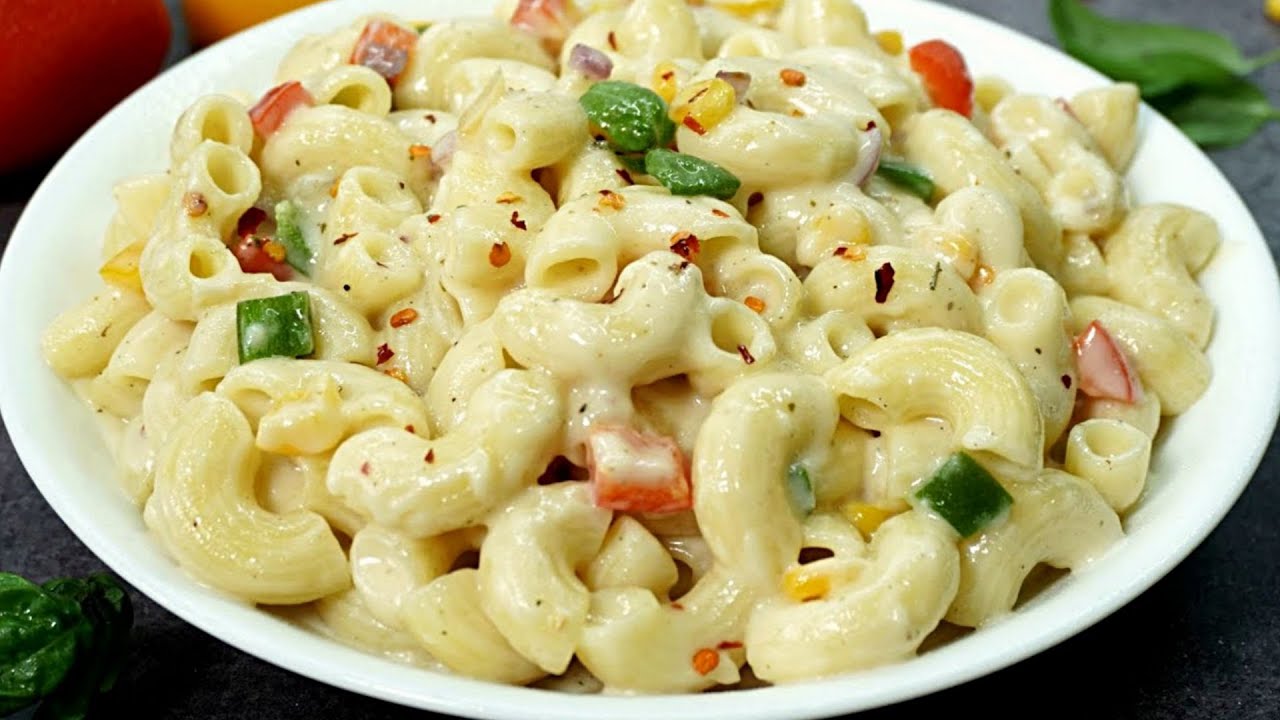
White Pasta Sauce Recipe: Looking for that rich, creamy white pasta sauce that turns an ordinary pasta night into something restaurant-worthy? You’re in the right place.
In this step-by-step guide, you’ll discover a foolproof white pasta sauce recipe that you can whip up in under 30 minutes. Whether you’re a beginner in the kitchen or a seasoned cook, this guide walks you through each step, from selecting ingredients to nailing the perfect texture and flavor.
Get ready to impress your family and friends with this creamy classic!
Why You’ll Love This White Pasta Sauce
Let’s be real—there’s something about a white sauce that just feels luxurious. It’s rich, silky, cheesy, and comforting all at once. Unlike tomato-based sauces that can sometimes be too acidic or overpowering, white pasta sauce has a smooth and mellow flavor that pairs beautifully with almost anything. It’s the kind of sauce that hugs each strand of pasta and leaves you licking your plate. Plus, it’s super customizable! Want it garlicky? Go ahead. Want it spicy or loaded with mushrooms? Do it. This sauce is as flexible as your tastebuds demand.
What is White Pasta Sauce?
White pasta sauce is a cream-based sauce often made with butter, milk or cream, garlic, flour, and cheese. It’s commonly associated with Italian-American dishes like Fettuccine Alfredo but has evolved over time into many variations. The most traditional white sauce is Bechamel, one of the French “mother sauces” made by combining roux (flour and butter) with milk. From there, ingredients like parmesan, garlic, and herbs transform it into what we know today as creamy pasta sauce.
It’s used for everything from lasagna and macaroni to penne and fettuccine. Whether served plain or paired with veggies, chicken, shrimp, or mushrooms, white pasta sauce is your gateway to a truly satisfying meal.
Types of White Pasta Sauce
Classic Alfredo
Alfredo is probably the most famous white sauce. It’s traditionally made with butter, heavy cream, and parmesan cheese. Rich, thick, and absolutely indulgent.
Bechamel (White Roux Sauce)
This one’s more French than Italian but forms the base of many white sauces. It’s a smooth sauce made from butter, flour, and milk—perfectly neutral and ready to be customized.
Garlic Parmesan Cream Sauce
This version takes the best of both worlds. It starts with a roux, adds garlic for depth, and finishes with cream and parmesan for a flavor bomb.
Ingredients You’ll Need
Creating a perfect white pasta sauce starts with high-quality, fresh ingredients. Here’s everything you’ll need to make a classic version of this sauce:
Dairy Ingredients
- Butter (2–3 tablespoons): The base of the roux. Use unsalted butter to control the salt level.
- All-purpose flour (2 tablespoons): Helps thicken the sauce.
- Milk or Heavy Cream (1½ to 2 cups): Milk creates a lighter sauce; cream makes it rich and velvety.
- Parmesan Cheese (½ cup, grated): Adds sharp, nutty flavor.
- Cream Cheese (Optional – 2 tablespoons): Makes the sauce extra creamy and thick.
Seasonings & Herbs
- Minced garlic (2 cloves): Adds aroma and flavor.
- Salt and Black Pepper (to taste): Brings everything together.
- Nutmeg (a pinch): A secret weapon in white sauces for a subtle depth.
- Italian Seasoning or Fresh Herbs (like parsley): Optional but adds freshness and color.
Optional Add-ins
- Sautéed mushrooms
- Cooked chicken or shrimp
- Spinach or kale
- Red chili flakes for heat
Tools You’ll Need for This Recipe
You don’t need fancy gadgets—just the basics:
- Medium saucepan or skillet
- Whisk (essential for preventing lumps)
- Wooden spoon or silicone spatula
- Measuring cups and spoons
- Cheese grater (if using fresh parmesan)
How to Choose the Right Pasta
While you can technically use any pasta with white sauce, some types work better than others. Creamy sauces cling better to certain pasta shapes, making every bite deliciously coated.
Best pastas for white sauce:
- Fettuccine
- Penne
- Linguine
- Rotini
- Rigatoni
- Farfalle (bow-tie pasta)
Flat noodles like fettuccine are ideal for thicker, creamier sauces. Penne and rigatoni with ridges are great for catching sauce in their grooves. Always cook pasta al dente so it doesn’t become mushy when mixed with hot sauce.
Step-by-Step Guide to Making White Pasta Sauce
Step 1: Melt the Butter
Start by heating a medium saucepan over medium heat. Add the butter and let it melt completely. This sets the base for your roux, which gives the sauce its creamy consistency. Be careful not to burn it; you want it golden, not brown.
Step 2: Add the Garlic
Once the butter is melted, toss in your minced garlic. Sauté for about 30–60 seconds until it becomes fragrant. Don’t let it burn! Garlic adds a deep, savory flavor that builds the foundation for your sauce.
Step 3: Create the Roux
Sprinkle the flour evenly into the butter and garlic mixture. Whisk continuously to combine. It’ll form a thick paste—this is your roux. Cook for about 1–2 minutes to get rid of that raw flour taste.
Step 4: Add the Milk or Cream
Slowly pour in the milk or cream while whisking. Don’t dump it all at once—go gradually to avoid lumps. Keep whisking until the sauce becomes smooth and starts to thicken. This takes about 5–7 minutes. If it gets too thick, add a splash of milk.
Step 5: Stir in the Cheese
Now the fun part—cheese! Lower the heat and stir in the grated parmesan. If you’re using cream cheese too, add it here. Mix until fully melted and the sauce is smooth. The cheese gives the sauce its signature richness.
Step 6: Season to Taste
Add salt, black pepper, and a pinch of nutmeg. Nutmeg may sound strange, but trust me—it adds a subtle warmth that balances the creamy flavors. Stir well and taste-test. Adjust seasoning as needed.
Step 7: Simmer and Thicken
Let the sauce simmer on low heat for another 5 minutes. This helps it thicken even more and lets the flavors blend beautifully. Stir occasionally to keep it from sticking to the pan.
Step 8: Toss with Cooked Pasta
Drain your pasta and toss it directly into the sauce while still hot. Use tongs or a spatula to coat every piece. Want to make it even creamier? Add a splash of the starchy pasta water—it helps bind the sauce to the noodles.
Common Mistakes to Avoid
Even the simplest sauces can go wrong if you’re not careful. Let’s talk about a few pitfalls and how to avoid them so your white pasta sauce turns out perfect every time:
- Overheating the Sauce: Cream and cheese don’t like high heat. Boiling the sauce can cause it to break or become grainy. Always cook on medium or low heat.
- Adding Cheese Too Early: Wait until the sauce is off the heat or at its lowest before adding cheese. High heat can cause the cheese to separate.
- Skipping the Roux: The flour and butter mixture is key for thickness. Without it, your sauce might end up watery or flat in flavor.
- Not Whisking Constantly: This helps prevent lumps. A smooth sauce = constant motion.
- Using Pre-Shredded Cheese: It’s tempting, but it often contains anti-caking agents that don’t melt well. Grate fresh parmesan for the best results.
- Not Seasoning Enough: Creamy sauces can taste bland if under-seasoned. Taste and adjust as you go. A pinch of nutmeg or some cracked black pepper can make a big difference.
Avoiding these mistakes can turn a “meh” meal into a five-star pasta night!
White Pasta Sauce Variations
Once you’ve nailed the basic sauce, it’s time to level up. Here are a few fun and flavorful twists on the classic:
Spicy White Sauce
Add a pinch of red chili flakes or freshly chopped jalapeños to the butter and garlic stage. The heat cuts through the richness, giving it an exciting kick.
Mushroom White Sauce
Sauté sliced mushrooms in the butter before adding garlic. Their earthy flavor pairs beautifully with cream. Try baby bellas or shiitake for extra depth.
Vegan White Sauce
Yes, you can make a dairy-free version! Swap butter with olive oil or vegan butter, use unsweetened almond or oat milk, and add nutritional yeast instead of parmesan. A touch of cashew cream or blended cauliflower can boost creaminess.
Storage and Reheating Tips
Got leftovers? Great news—white pasta sauce stores really well.
How to store:
- Transfer sauce (or pasta mixed with sauce) to an airtight container.
- Refrigerate for up to 3–4 days.
Reheating Tips:
- Add a splash of milk or cream before reheating to loosen up the sauce.
- Reheat gently over low heat while stirring often to prevent curdling.
- Microwave method: Heat in 30-second intervals, stirring between each.
Avoid freezing cream-based sauces—they tend to separate and become grainy when thawed.
What to Serve with White Pasta
This sauce is super versatile, and while it’s a show-stopper on its own, you can pair it with tons of delicious sides and proteins.
Great pairings:
- Grilled Chicken or Shrimp: Adds lean protein and balances the richness.
- Garlic Bread: Crunchy, buttery bread to soak up extra sauce? Yes, please.
- Steamed Broccoli or Green Beans: A pop of green and freshness on the plate.
- Side Salad with Vinaigrette: Crisp, acidic salad cuts through the creamy pasta beautifully.
You can also serve this white pasta sauce as part of a pasta bake, lasagna layer, or even as a pizza base!
Nutritional Information (Approximate per serving)
| Nutrient | Amount (per 1 cup sauce) |
|---|---|
| Calories | 350–400 |
| Total Fat | 28g |
| Saturated Fat | 16g |
| Carbohydrates | 10g |
| Protein | 10g |
| Sodium | 400mg |
Keep in mind these numbers can vary based on the specific ingredients you use (especially the type of milk and cheese).
Tips for a Perfect Creamy White Sauce Every Time
Want restaurant-quality results every single time? Keep these pro tips in mind:
- Warm the Milk First: Cold milk can cause the roux to seize. Warm it slightly before adding.
- Whisk Like a Pro: A silicone or wire whisk is your best friend—don’t stop stirring!
- Go Fresh: Fresh garlic, fresh cheese, and fresh herbs make a world of difference in flavor.
- Use Pasta Water: A ladle of reserved pasta water can thin the sauce and help it stick to the noodles.
- Don’t Rush It: Take your time—rushing can cause uneven cooking or burnt bits.
- Serve Immediately: White pasta sauce is best enjoyed hot and fresh. It tends to thicken and lose its silkiness as it cools.
FAQs about White Pasta Sauce Recipe
1. Can I make white pasta sauce without flour?
Yes! If you’re avoiding flour, try thickening the sauce with cornstarch slurry or use cream cheese for body and texture.
2. Is there a way to make this sauce healthier?
Absolutely. Use low-fat milk instead of cream, and reduce the cheese. You can also bulk up the sauce with pureed cauliflower or white beans.
3. Can I freeze white pasta sauce?
Not recommended. Cream-based sauces tend to separate and lose their smooth texture when frozen and reheated.
4. How do I fix a lumpy sauce?
Whisk like crazy while it’s still hot! If lumps remain, you can blend the sauce for a few seconds using an immersion blender.
5. What’s the best cheese to use besides parmesan?
Asiago, Pecorino Romano, or even aged cheddar can work well. Just make sure it melts smoothly.
Conclusion
And there you have it—a complete guide to making the most delicious, creamy white pasta sauce from scratch. This sauce is rich, versatile, and oh-so-easy to make once you get the hang of it. Whether you keep it simple or add your favorite veggies, proteins, or herbs, this white sauce is sure to become a staple in your kitchen. Try it once, and you’ll never go back to store-bought again!