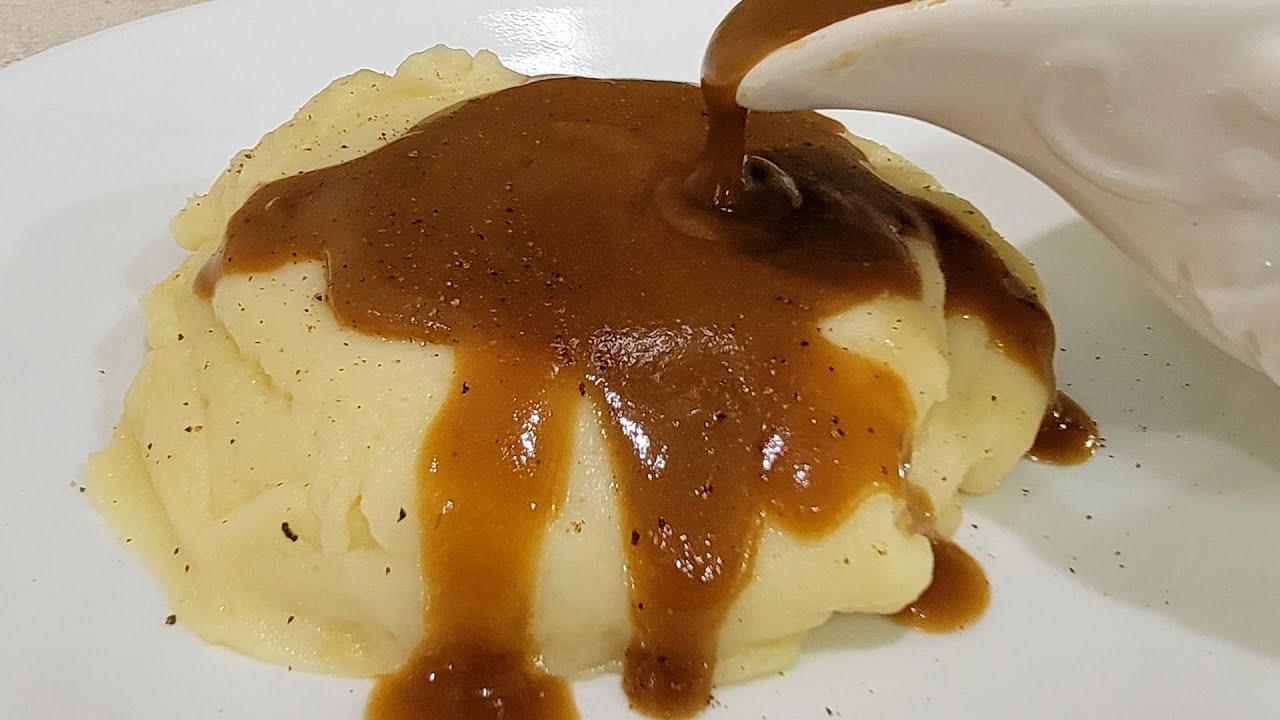
Whipped Potato Gravy Recipe: There’s something magical about a warm, creamy serving of whipped potatoes smothered in rich, flavorful gravy. Whether you’re prepping for a big holiday feast, a cozy Sunday dinner, or just need the ultimate comfort food fix, this whipped potato and gravy recipe is your golden ticket.
In this guide, you’ll get everything you need: the ingredients, the tools, the techniques, and most importantly—a step-by-step method that guarantees fluffy potatoes and silky gravy every time. Ready to master this kitchen staple? Let’s get cooking!
Why This Recipe is a Comfort Food Classic
Whipped potatoes and gravy aren’t just food—they’re feelings on a plate. From Thanksgiving dinners to weeknight cravings, this combo hits all the right notes: creamy, savory, rich, and oh-so-satisfying. The recipe we’re about to walk through brings together all the traditional elements with a few modern tricks to take it from good to unforgettable.
Comfort food isn’t just about taste—it’s about texture, temperature, and that nostalgic pull of something made with love. This whipped potato gravy recipe taps into all of that, combining buttery smooth potatoes with gravy so flavorful it could stand alone. Whether you’re serving it with roast beef, turkey, fried chicken, or even just enjoying it as a standalone dish (yes, it’s that good), it always delivers.
What Makes Whipped Potatoes and Gravy So Irresistible?
It’s all about the texture and flavor harmony. You’ve got:
- Fluffy, creamy potatoes that practically melt in your mouth
- Rich, savory gravy that adds depth, moisture, and a touch of umami
- Simple ingredients turned magical with the right techniques
When done right, whipped potatoes act like a soft, cloud-like base that carries the bold, seasoned notes of the gravy. It’s a side dish that can steal the show—and often does.
Choosing the Right Potatoes for the Creamiest Texture
Let’s be real—not all potatoes are created equal. If you want truly smooth, whipped potatoes, your choice of spud makes all the difference.
Best Potato Varieties for Whipped Potatoes
Here are the MVPs of creamy potato making:
- Russet Potatoes – High in starch, low in moisture. Perfect for a fluffy, airy texture.
- Yukon Gold Potatoes – Slightly waxier than russets but have a naturally buttery flavor and a denser, creamier finish.
Russet vs. Yukon Gold: What’s the Difference?
| Type | Texture | Flavor | Best For |
|---|---|---|---|
| Russet | Light and fluffy | Mild, earthy | Classic whipped potatoes |
| Yukon Gold | Creamy and dense | Naturally buttery | Richer, golden mash |
If you’re looking for an ultra-smooth consistency, go with russets. For more flavor and color, Yukon Golds shine. Can’t decide? Mix both for the best of both worlds.
Ingredients You’ll Need for Whipped Potatoes
Let’s break it down into simple, staple ingredients:
Potatoes
- 2 to 3 pounds of Russet or Yukon Gold potatoes (peeled and chopped evenly)
Butter and Cream
- ½ to 1 cup of unsalted butter (use more if you like it rich)
- ¾ cup of heavy cream or whole milk (warmed before adding)
Salt and Pepper
- Salt to season the water and the potatoes
- Fresh cracked black pepper to finish
Optional Ingredients for Extra Flavor
- Roasted garlic cloves
- Sour cream or cream cheese
- Chives or parsley for garnish
- A splash of truffle oil (for a fancy twist)
Ingredients You’ll Need for Homemade Gravy
You can’t have potatoes without the perfect gravy to top them. Here’s what you’ll need.
Meat Drippings or Broth
- 2 cups of beef, chicken, or turkey drippings
- No drippings? Use high-quality store-bought broth or stock
Flour or Cornstarch
- 3 tablespoons of all-purpose flour
- For gluten-free: use cornstarch instead (2 tablespoons)
Butter
- 3 tablespoons of unsalted butter (skip if using fatty drippings)
Herbs and Spices
- Salt and pepper
- Thyme, rosemary, or sage (optional but flavorful)
- Onion powder or garlic powder (to boost taste)
Tools and Equipment You’ll Need
Get your kitchen setup right before diving in:
- Large pot (for boiling potatoes)
- Potato masher or electric hand mixer (for whipping)
- Whisk
- Saucepan (for gravy)
- Fine mesh sieve (for silky gravy)
- Measuring cups and spoons
- Peeler and knife
Having the right tools ensures everything goes smoothly—literally.
Step-by-Step Guide to Making Whipped Potatoes
Step 1: Peel and Cut the Potatoes
Start by peeling your potatoes and chopping them into even chunks (about 2 inches). Uniform size = even cooking. Rinse off the starch with cold water.
Step 2: Boil the Potatoes Until Tender
Add potatoes to a pot of cold, salted water. Bring it to a boil and cook for 15–20 minutes or until fork-tender. Don’t overcook, or they’ll get waterlogged.
Step 3: Drain and Dry
Drain the potatoes and return them to the hot pot. Let them sit for 1–2 minutes over low heat to evaporate excess moisture. This is key to avoiding soggy mash.
Step 4: Whip the Potatoes with Butter and Cream
Add warm butter and cream to the potatoes. Use a hand mixer or masher to whip until smooth. Avoid overmixing—this turns them gluey.
Step 5: Season to Taste
Taste and season with salt and pepper. Adjust cream or butter to your liking. For extra flair, fold in roasted garlic or fresh herbs.
Step-by-Step Guide to Making Gravy
Now that your whipped potatoes are warm and fluffy, it’s time to prepare the star of the show—gravy. A good gravy transforms plain potatoes into something mouthwatering. Here’s how to make a rich, smooth gravy from scratch:
Step 1: Collect Drippings or Prepare Broth
If you’re making this gravy after roasting meat (like chicken, turkey, or beef), collect the pan drippings, including the flavorful brown bits stuck to the pan. If you don’t have drippings, no worries—just use high-quality beef or chicken broth.
- With drippings: Pour them into a measuring cup and let the fat rise to the top. Skim off 2-3 tablespoons of fat to use in place of butter.
- Without drippings: Use 2 tablespoons of butter + 2 cups of broth.
Step 2: Make a Roux
In a medium saucepan over medium heat, add 2 to 3 tablespoons of fat (butter or meat drippings). Once melted, whisk in 3 tablespoons of all-purpose flour.
Cook this mixture for about 2-3 minutes, whisking constantly. You’re looking for a light golden color—this removes the raw flour taste and forms the base of your gravy.
Step 3: Slowly Add Broth
While whisking constantly, slowly pour in 2 cups of warm broth or stock. Adding it slowly helps prevent lumps. As the mixture heats, it’ll begin to thicken.
Pro Tip: If you want extra smooth gravy, strain it through a mesh sieve after cooking.
Step 4: Simmer and Season
Let the gravy simmer gently for 5–10 minutes, whisking occasionally. Add:
- Salt and pepper to taste
- A pinch of garlic powder or onion powder for more depth
- Optional: a splash of heavy cream for richness or soy sauce for umami
Once the gravy reaches your desired consistency—smooth and pourable—it’s ready to serve over your whipped potatoes!
Pro Tips for the Best Whipped Potatoes
Want to take your potatoes from good to unforgettable? These pro tips will make sure you never have a lumpy, bland, or sticky batch again:
- Warm ingredients are key: Always add warm butter and cream to your potatoes. Cold ingredients cool down the mash and affect texture.
- Don’t overmix: Using a hand mixer? Stop once the texture is smooth. Over-whipping turns potatoes gluey and unappetizing.
- Dry your potatoes well: After boiling, letting them sit in the pot over low heat for a minute or two helps steam out excess water.
- Salt the water: Just like with pasta, seasoning the water is your first opportunity to add flavor.
- Butter > milk: If you’re low on cream, increase the butter instead of the milk. Fat is what gives mashed potatoes their silky richness.
Gravy Variations You’ll Love
Want to get creative? There are endless ways to customize your gravy to match your main dish or personal taste.
Brown Gravy with Onion:
Sauté finely chopped onions in butter before adding flour to the roux. It gives your gravy a deep, caramelized flavor.
Cream Gravy (White Gravy):
Made with milk instead of broth, perfect for Southern-style dishes like biscuits or chicken-fried steak.
Mushroom Gravy:
Add finely sliced mushrooms to the roux and sauté until soft before adding broth. Great for vegetarian or vegan meals.
Herb-Infused Gravy:
Stir in fresh herbs like thyme, rosemary, or sage at the end for a pop of aroma and flavor.
Serving Suggestions for Whipped Potatoes and Gravy
Of course, whipped potatoes and gravy shine on their own, but they’re even better when paired with the right main dishes. Here are some classic combinations:
- Roast Turkey – The Thanksgiving favorite.
- Meatloaf – The rich gravy ties the whole plate together.
- Roast Chicken or Beef – Drippings from these meats make excellent gravy.
- Sautéed Greens or Veggies – A fresh contrast to the creamy texture.
- Crispy Fried Chicken – Southern comfort on a plate.
Serve it family-style in a big bowl or plate individually with a generous ladle of gravy poured right on top.
Make-Ahead and Storage Tips
Making dinner for a crowd or just want to prep ahead? No problem—both whipped potatoes and gravy can be made ahead with excellent results.
Storing Whipped Potatoes:
- Store in an airtight container for up to 3 days in the refrigerator.
- Reheat in the microwave or on the stove with a splash of milk or cream to restore moisture.
Storing Gravy:
- Refrigerate for up to 4 days in a sealed container.
- Reheat gently on the stove while whisking—add a bit of broth if it’s too thick.
Freezing Tips:
- Whipped potatoes can be frozen, but the texture may change slightly. Add extra cream or butter when reheating.
- Gravy made with flour freezes better than gravy made with cornstarch. Freeze in small portions for easy thawing.
Common Mistakes and How to Avoid Them
Even the most seasoned cooks can run into mashed potato or gravy disasters. Here’s how to steer clear of the most common pitfalls:
Whipped Potatoes Mistakes:
- Overmixing: Leads to a gummy texture.
- Undersalting the water: Your potatoes will taste flat, no matter how much salt you add later.
- Not drying potatoes: Too much water makes them thin and bland.
Gravy Mistakes:
- Lumpy texture: Usually from adding cold broth too fast or not whisking enough.
- Too thick or too thin: Adjust with more broth or a flour slurry as needed.
- Bland taste: Always season after cooking—it’s easier to control the final flavor.
Nutritional Breakdown and Substitution Ideas
Here’s a rough idea of what you’re getting per serving (about 1 cup of whipped potatoes with ¼ cup of gravy):
| Nutrient | Amount (Approx.) |
|---|---|
| Calories | 300–350 kcal |
| Fat | 18g |
| Carbohydrates | 30g |
| Protein | 4g |
| Fiber | 2g |
Healthier Swaps:
- Use olive oil or Greek yogurt instead of butter for a lighter mash.
- Try low-sodium broth for the gravy to control salt.
- Use cauliflower blended with potatoes for fewer carbs.
FAQs about Whipped Potato Gravy Recipe
1. Can I use instant potatoes for this recipe?
Yes, but the texture and flavor won’t be the same. If you’re in a pinch, you can prepare instant potatoes and still use homemade gravy to boost the taste.
2. How do I thicken gravy that’s too runny?
Whisk together 1 tablespoon flour or cornstarch with a little cold broth or water to make a slurry, then slowly add to the simmering gravy while stirring.
3. What if my mashed potatoes are lumpy?
You likely didn’t cook them long enough or didn’t mash them fully. Use a hand mixer or ricer to fix them, but avoid overmixing.
4. Can I freeze mashed potatoes and gravy?
Yes! Let them cool completely first. Store mashed potatoes and gravy separately in airtight containers for up to 2 months. Reheat with extra cream or broth.
5. What’s the best milk alternative for whipped potatoes?
Go for unsweetened oat milk or almond milk. Add olive oil or vegan butter for creaminess if you’re going dairy-free.
Conclusion
There you have it—the ultimate whipped potato and gravy recipe that’s as comforting as it is satisfying. With fluffy, buttery potatoes and rich, savory gravy made from scratch, this combo will have everyone going back for seconds (and thirds!).
Whether it’s a holiday feast or a weeknight dinner, this recipe is one you’ll come back to again and again. Follow the steps, use the tips, and don’t be afraid to make it your own.
Now go whip it up and pour it on—we promise, your taste buds will thank you.