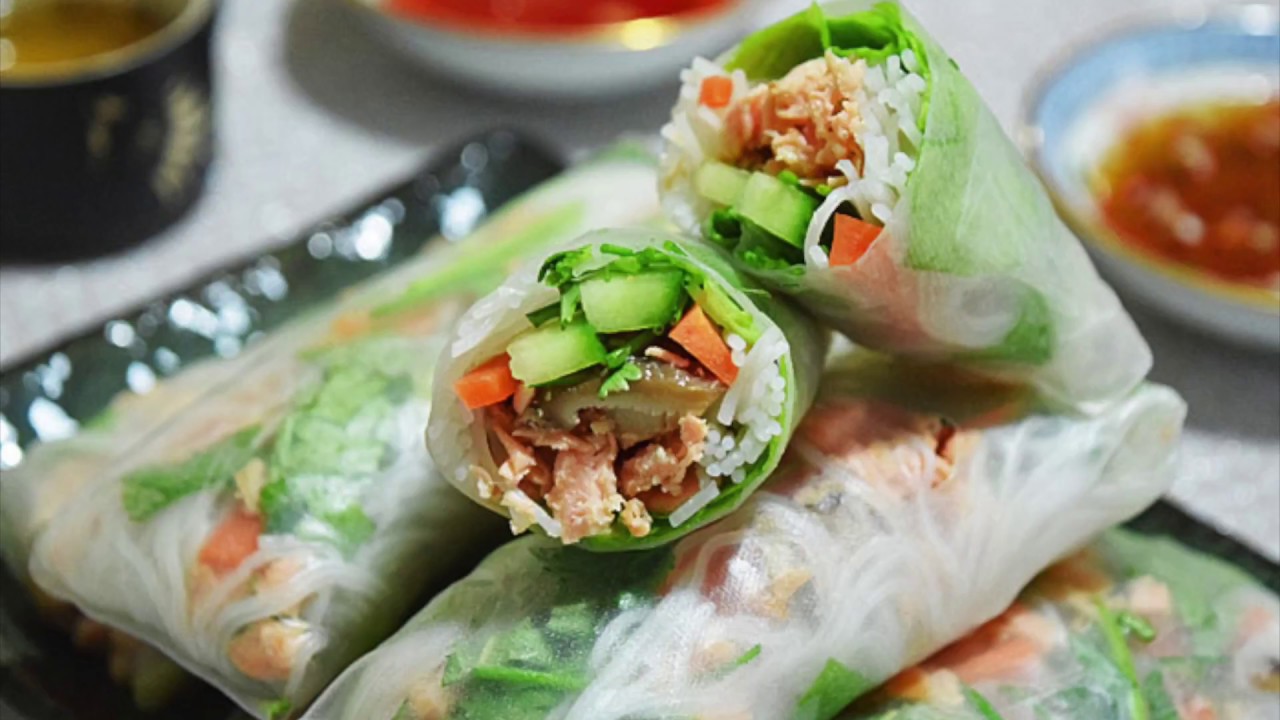
Vietnamese Spring Rolls Recipe: Vietnamese Spring Rolls, also known as Gỏi cuốn, are one of Vietnam’s most beloved culinary treasures. They’re fresh, light, and absolutely packed with flavor. Unlike the deep-fried versions you might associate with Chinese cuisine, these are served cold and rolled with fresh vegetables, herbs, protein, and rice noodles—all wrapped in translucent rice paper. Whether you’re making them for a healthy lunch, party appetizer, or a refreshing snack, these rolls hit the spot every single time.
Why are these so popular? Simple—they’re versatile, naturally gluten-free, and can easily be made vegan or loaded with shrimp, pork, or tofu. They’re perfect for a warm day or when you want something quick, nutritious, and exciting. Plus, dipping them into that tangy, spicy nước chấm (Vietnamese fish sauce) or creamy peanut sauce? Game-changer
List of Ingredients You’ll Need
Let’s get into the building blocks of perfect Vietnamese spring rolls. The beauty of these rolls is how customizable they are, but here’s a basic list of what you’ll need:
Fresh Ingredients for Filling
- Rice vermicelli noodles (thin rice noodles)
- Leafy greens: Lettuce (green leaf or romaine)
- Herbs: Fresh mint, cilantro, Thai basil (a mix gives amazing flavor)
- Vegetables: Julienned carrots, cucumber, bell peppers
- Bean sprouts (optional but adds crunch)
- Avocado slices (for creaminess)
Proteins You Can Use
- Cooked shrimp (cut in half lengthwise)
- Grilled pork or beef (thinly sliced)
- Fried or baked tofu (for a vegan/vegetarian option)
- Chicken breast (boiled and shredded or grilled)
Rice Paper Wrapping
- Rice paper wrappers (round, about 22cm in diameter)
- Tip: Look for wrappers labeled “Bánh Tráng” in Asian markets.
Optional Add-Ins and Variations
- Pickled daikon and carrots
- Vermicelli alternative: soba or glass noodles
- Mango or pineapple slices for sweetness
- Sriracha or hoisin inside for added punch
All these ingredients come together to create something incredibly fresh and satisfying.
Essential Tools & Utensils
You don’t need anything fancy, but having the right tools makes rolling way easier:
- Large shallow bowl or plate (for soaking rice paper)
- Sharp knife (for slicing veggies thin)
- Cutting board
- Clean damp towel (for rolling surface)
- Serving plate or tray
- Tongs or chopsticks (optional for handling noodles)
A damp tea towel works great as your rolling station—it prevents sticking and gives you more control.
Preparing the Ingredients
Before you even think about rolling, prep is key. Once everything is ready, rolling is actually the easy part.
How to Prep the Veggies
Wash and dry all herbs and vegetables. Then:
- Julienne the carrots and cucumbers thinly
- Slice lettuce leaves to fit the wrapper
- Slice avocado just before rolling to avoid browning
- Arrange everything in bowls or on a platter for easy access
Cooking the Protein
- Shrimp: Boil until pink (2–3 mins), then cool and slice in half lengthwise.
- Pork: Boil or grill pork belly/loin, then thinly slice.
- Chicken: Boil or grill and shred/slice thin.
- Tofu: Press, slice, and pan-fry until golden on all sides.
Soaking the Rice Noodles
- Boil water and pour over the noodles in a bowl.
- Soak for 5–7 minutes (until soft), then rinse under cold water.
- Drain well.
Setting Up Your Rolling Station
Make it like an assembly line:
- One bowl of warm water for dipping rice paper
- One damp towel or clean surface for rolling
- Plates with all fillings nearby
Now you’re ready to roll.
Step-by-Step Guide to Rolling Vietnamese Spring Rolls
This is where the magic happens. Let’s roll.
Step 1: Soak the Rice Paper
Fill a large bowl or dish with warm water (not hot). Submerge one rice paper for about 5–10 seconds. It should still feel slightly firm—it will continue to soften as you work.
Pro tip: Don’t oversoak! It’ll tear easily if too soft.
Step 2: Layer Your Ingredients
Place the soaked wrapper on your rolling surface. Start by adding:
- A leaf of lettuce near the bottom third
- A small bunch of noodles
- Veggies (cucumber, carrot, herbs)
- Protein (shrimp goes on the top part for visibility)
Layer neatly—it helps the roll look pretty and stay tight.
Step 3: Fold and Roll Perfectly
- Fold the bottom of the wrapper over the fillings.
- Fold in the sides, like an envelope.
- Continue to roll tightly until sealed.
Repeat with all wrappers. Don’t worry if the first one isn’t perfect—practice makes pro rolls.
Step 4: Keep the Rolls Fresh and Neat
Place finished rolls on a plate lined with damp paper towel. Cover with another damp towel if storing. This keeps them from drying out or sticking.
How to Make Traditional Vietnamese Dipping Sauce (Nước Chấm)
What’s a spring roll without the perfect dip? Nước chấm is a sweet, tangy, salty, and slightly spicy sauce that pairs flawlessly with fresh spring rolls. It’s light and zesty, bringing all the flavors together in one delicious bite.
Ingredients for Nước Chấm
Here’s what you’ll need:
- 3 tablespoons fish sauce
- 2 tablespoons sugar
- 2 tablespoons lime juice (or lemon juice)
- 4 tablespoons warm water
- 1 clove garlic (minced)
- 1 Thai chili (finely chopped)
- Optional: shredded carrot for garnish
Mixing the Sauce
- In a small bowl, dissolve the sugar in warm water.
- Add fish sauce and lime juice. Stir well.
- Toss in minced garlic and chopped chili.
- Garnish with a bit of shredded carrot for color.
This sauce can be made ahead and stored in the fridge for 3–5 days. Adjust the flavors based on your preference—more lime for tartness, more sugar for sweetness.
Peanut Dipping Sauce Recipe
If you’re a fan of creamy and nutty dips, this one’s for you. Peanut sauce is thicker and works especially well with vegetarian or tofu spring rolls.
Ingredients for Peanut Sauce
- 2 tablespoons peanut butter (creamy style)
- 1 tablespoon hoisin sauce
- 1 teaspoon soy sauce
- 1 clove garlic (minced)
- 1/4 cup water
- 1 teaspoon sriracha (optional, for heat)
- Crushed peanuts (for topping)
How to Make It
- In a small saucepan, combine peanut butter, hoisin, soy sauce, garlic, and water.
- Simmer over low heat, whisking constantly until smooth.
- Add more water for thinner consistency if desired.
- Remove from heat, stir in sriracha, and top with crushed peanuts.
Serve warm or at room temperature. Kids love it, too!
Top Tips for Perfect Spring Rolls
Want to master spring rolls like a Vietnamese street food pro? Follow these tips and you’ll roll like a champ:
- Don’t overfill: This is the #1 mistake beginners make. Less is more.
- Keep your hands and surface damp: It prevents sticking and tearing.
- Use the right temperature water: Warm, not hot water works best for rice paper.
- Layer ingredients evenly: A neat roll is easier to bite and prettier to serve.
- Let rice paper rest a few seconds after soaking: It will soften naturally.
- Cut on a bias: If you’re slicing rolls in half for presentation, cut them diagonally for that restaurant look.
Serving Suggestions
Spring rolls are super versatile—here are a few fun ways to serve them:
Great Occasions to Serve Them
- Light lunch or dinner
- Appetizer for parties
- Healthy school or work lunch
- Side dish for Asian-inspired meals
Pair With
- Iced green tea or Vietnamese iced coffee
- A side of pickled vegetables
- Other small plates like dumplings or fried tofu
- Extra dipping sauces for variety
Arrange on a platter with colorful herbs and dipping sauces in small bowls—it’s a showstopper!
Storing and Meal Prepping
Can you make these ahead? Absolutely—but there are a few things to know.
How Long Do They Last?
- Best enjoyed within 2–3 hours.
- Can be stored in the fridge for up to 1 day, tightly wrapped in plastic or stored in an airtight container with a damp paper towel.
Can You Freeze Them?
- No, unfortunately, rice paper doesn’t freeze well—it becomes brittle or gummy.
Meal Prep Tip: Prep all your ingredients in advance and roll fresh as needed. This keeps everything crisp and fresh.
Variations of Vietnamese Spring Rolls
You can truly make these your own. Here are some delicious spins on the classic:
Vegetarian/Vegan Rolls
- Use tofu, tempeh, or just load up on fresh veggies.
- Add mushrooms like shiitake or enoki for umami.
Shrimp and Pork Combo
- A traditional Vietnamese combo.
- Layer pork slices under shrimp for a balanced bite.
Grilled Chicken Rolls
- Use leftover grilled chicken with mint and mango slices—great for summer!
Tofu and Avocado Rolls
- Creamy and protein-packed. Great for plant-based diets.
Play around with ingredients. There are no strict rules here!
Health Benefits of Vietnamese Spring Rolls
Let’s talk nutrition. These rolls aren’t just tasty—they’re also good for you!
- Low in fat (especially when using lean protein)
- High in fiber from raw vegetables
- Naturally gluten-free when using rice paper and rice noodles
- Full of fresh herbs that aid digestion
- Great for hydration, especially in hot weather
Unlike fried foods, these rolls are light and energizing, making them a smart choice for balanced eating.
Common Mistakes to Avoid
Even experienced cooks make errors sometimes—don’t let these trip you up:
- Over-soaking rice paper: It becomes mushy and tears easily.
- Using dry hands: Always keep fingers slightly wet.
- Overstuffing: Causes rolls to burst.
- Not prepping everything ahead: Rolling takes seconds, but only if you’re organized.
- Skipping herbs: They add the essential flavor spring rolls are known for.
Fun Facts About Vietnamese Spring Rolls
You know how to make them—now impress your friends with these fun facts!
- In Vietnam, these are often served uncooked and are called Gỏi cuốn, meaning “salad rolls.”
- They’re considered healthier street food in Vietnam.
- Some regions use pork floss or egg in the rolls.
- The translucent wrapper lets you see the ingredients, making them both appetizing and decorative.
- Traditional meals in Vietnam often include a DIY roll station, where everyone builds their own rolls at the table.
FAQs about Vietnamese Spring Rolls Recipe
1. Can I make spring rolls ahead of time?
Yes, but they’re best eaten fresh. If making ahead, wrap each roll tightly and keep in the fridge with a damp paper towel.
2. What if my rice paper is too sticky?
You likely soaked it too long. Use slightly warm water and remove the paper before it gets too soft.
3. What’s the difference between spring rolls and egg rolls?
Spring rolls use rice paper and are usually fresh, not fried. Egg rolls are made with flour wrappers and are deep-fried.
4. Can I use other wrappers?
Rice paper is traditional, but in a pinch, you could try lettuce leaves or even tortillas for a fusion twist.
5. How do I keep spring rolls from drying out?
Cover them with a damp towel and store in an airtight container. Don’t let them sit out too long.
Conclusion
Vietnamese Spring Rolls are a celebration of freshness, flavor, and culture. Whether you’re new to them or a longtime fan, making them at home gives you full control over taste, texture, and ingredients. With simple prep, the right technique, and your favorite fillings, you’ll be rolling like a pro in no time. They’re colorful, healthy, and perfect for nearly any occasion—from a quick lunch to an impressive party platter.
So grab your rice paper, prep your ingredients, and let the rolling begin. Once you taste how fresh and flavorful homemade spring rolls are, you’ll never go back to store-bought again!