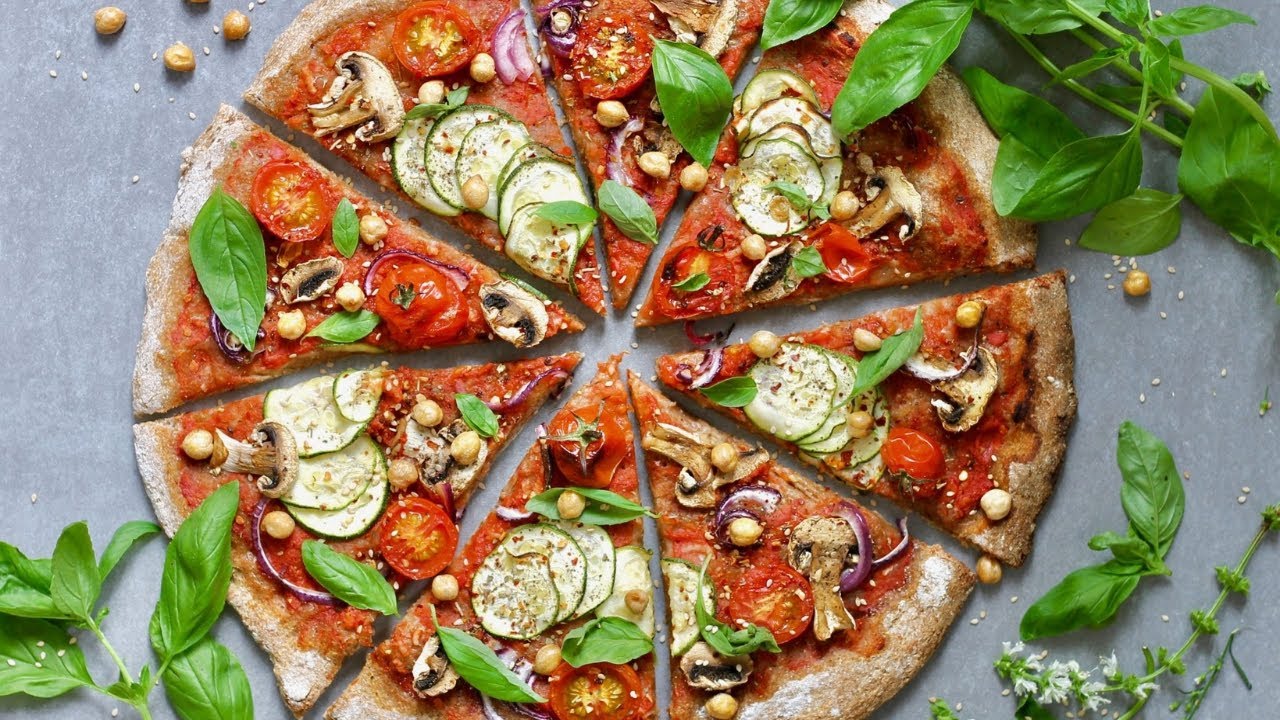
Vegan Pizza Recipe: Let’s be honest: who doesn’t love pizza? That crispy crust, gooey cheese, rich sauce, and all the toppings your heart desires—it’s a comfort food classic. But here’s the thing: pizza doesn’t need meat or dairy to be delicious. In fact, vegan pizza is taking over menus everywhere, and for good reason. Whether you’re vegan, lactose-intolerant, or just trying to eat a little cleaner, this step-by-step guide will walk you through the ultimate vegan pizza recipe that’s just as satisfying (if not more!) than the original.
From making the dough from scratch to layering flavorful toppings and finishing with creamy dairy-free cheese, you’re about to learn everything you need to create a mouthwatering vegan pizza that’ll impress even your non-vegan friends.
Why Choose Vegan Pizza?
Switching to vegan pizza isn’t just a diet trend—it’s a lifestyle change that packs benefits for your health, the environment, and even animals. Let’s start with the basics: by cutting out animal products like cheese, meat, and eggs, you’re significantly lowering your saturated fat intake. That means better heart health and lower cholesterol levels.
Plus, many people don’t realize how environmentally impactful dairy and meat production really is. By opting for plant-based pizza, you’re helping to reduce greenhouse gas emissions and conserve water. Pretty cool, right?
On top of that, vegan pizzas can be incredibly diverse in flavor. From roasted veggies to nut-based cheeses and bold spices, you can get super creative with your toppings. And guess what? You won’t even miss the meat or dairy. With the right ingredients and techniques (which we’ll cover), your vegan pizza can be the highlight of any dinner night.
Health Benefits of a Vegan Pizza
Believe it or not, vegan pizza can actually be good for you—especially when compared to traditional versions loaded with processed meats and fatty cheeses. Here’s a quick breakdown of why your body might thank you after switching:
- Lower in Saturated Fats: Vegan cheeses and plant-based toppings typically contain less saturated fat than animal-based products.
- Higher in Fiber: Thanks to all those veggies and whole grain crusts, vegan pizzas are often much higher in fiber.
- Zero Cholesterol: Since cholesterol is only found in animal products, vegan pizza contains none of it.
- Packed with Antioxidants: Tomatoes, garlic, spinach, olives, and herbs are all antioxidant-rich ingredients commonly found on vegan pizzas.
And if you go light on processed ingredients and heavy on whole foods, a vegan pizza can even be a nutrient powerhouse—without skimping on taste.
What Makes a Pizza “Vegan”?
So, what exactly turns an ordinary pizza into a vegan pizza? It all comes down to three main components:
- The Dough: Surprisingly, many traditional pizza doughs are already vegan. A classic dough is just flour, water, yeast, salt, and olive oil. Just be sure to avoid doughs that use milk or eggs (some pre-made doughs sneak these in).
- The Sauce: Most pizza sauces are naturally vegan, especially if they’re tomato-based. But always check labels—some creamy sauces may contain dairy.
- The Cheese: This is where things get fun. Instead of dairy cheese, you can use store-bought vegan mozzarella or make your own using cashews, nutritional yeast, and plant-based milk.
- The Toppings: Stick to plant-based toppings like mushrooms, peppers, spinach, olives, vegan sausage, artichokes, and caramelized onions. The possibilities are endless.
As long as all the components are free from animal products, your pizza is 100% vegan and 100% delicious.
Essential Ingredients for a Perfect Vegan Pizza
Let’s get into the real deal—what you need to make an amazing vegan pizza from scratch. Don’t worry, most of these ingredients are simple and can be found at any local grocery store.
Dough Ingredients
- 2 ¼ tsp active dry yeast
- 1 ½ cups warm water (about 110°F)
- 1 tsp sugar
- 3 ½ cups all-purpose flour (or whole wheat for a healthier version)
- 2 tbsp olive oil
- 1 tsp salt
Vegan Pizza Sauce Ingredients
- 1 cup canned crushed tomatoes
- 1 tbsp olive oil
- 2 cloves garlic, minced
- 1 tsp dried oregano
- 1 tsp dried basil
- Salt and pepper to taste
- Optional: red chili flakes for a kick
Topping Ingredients
- Sliced mushrooms
- Bell peppers
- Red onion
- Fresh spinach
- Olives
- Cherry tomatoes
- Artichoke hearts
Vegan Cheese Options
You can either buy vegan cheese from brands like:
- Daiya
- Violife
- Follow Your Heart
OR make your own using:
- 1 cup soaked cashews
- ¼ cup nutritional yeast
- 1 tbsp lemon juice
- 1 garlic clove
- ½ cup plant milk
- Salt to taste
Blend it all into a creamy, spreadable cheese!
Best Store-Bought vs. Homemade Vegan Ingredients
If you’re short on time, store-bought dough, sauce, and cheese can save the day. But if you want full control over flavor and quality, homemade wins every time.
Store-bought pros:
- Convenient
- No prep required
- Widely available
Homemade pros:
- Fresher taste
- Customizable ingredients
- No preservatives
Our advice? Go homemade when you can—you’ll taste the difference.
Tools You’ll Need for Making Vegan Pizza
Here’s a quick checklist of tools that’ll make your pizza-making life easier:
- Mixing bowl
- Measuring cups/spoons
- Rolling pin
- Baking sheet or pizza stone
- Pizza cutter or sharp knife
- Oven (of course!)
- Blender (if making vegan cheese)
With these in your kitchen arsenal, you’re all set.
Step-by-Step Guide to Making Vegan Pizza at Home
This is where the magic happens. Follow each step carefully, and you’ll end up with a golden-crusted, cheesy, flavorful vegan pizza that rivals anything from a restaurant.
Step 1: Preparing the Dough
In a bowl, mix warm water, active dry yeast, and a pinch of sugar. Let it sit for 5 minutes until foamy. Add flour, salt, and olive oil, then mix into a soft dough. Knead on a floured surface for 8–10 minutes until smooth and elastic.
Step 2: Letting the Dough Rise
Place the dough in a lightly oiled bowl and cover with a clean towel. Let it rise in a warm place for 1–1½ hours, or until doubled in size. This step develops flavor and gives the crust a light, airy texture.
Step 3: Making the Vegan Pizza Sauce
In a saucepan, heat olive oil and sauté minced garlic briefly. Add crushed tomatoes, salt, black pepper, and dried oregano or basil. Simmer for 10–15 minutes until slightly thickened. Let the sauce cool before using.
Step 4: Rolling Out the Dough
Punch down the risen dough and divide if making multiple pizzas. Roll or stretch the dough into a round or rectangular shape on a floured surface. Transfer to a baking tray or pizza stone.
Step 5: Adding Sauce, Toppings, and Cheese
Spread a thin layer of sauce over the dough. Add vegetables like mushrooms, bell peppers, onions, olives, or spinach. Sprinkle vegan cheese evenly on top.
Step 6: Baking Your Vegan Pizza
Preheat the oven to 475°F (245°C). Bake the pizza for 12–15 minutes until the crust is golden and the cheese is melted. Remove, slice, and serve hot.
Tips for the Best Vegan Pizza Crust
Great pizza starts with a great crust. Want to take yours to the next level? Here are some pro tips:
- Use Bread Flour: If you want a chewier crust, swap out all-purpose flour for bread flour. It has more protein, which helps develop better gluten structure.
- Let It Rise Slowly: For even more flavor, let your dough rise in the fridge overnight. This slow fermentation gives the crust a slightly tangy, complex flavor.
- Don’t Overwork the Dough: Over-kneading can make your crust tough. Knead until smooth and elastic, then stop.
- Pre-Bake for a Crispier Base: If you love a crisp crust, try baking the rolled-out dough for 5 minutes before adding toppings. It creates a barrier so the sauce doesn’t soak in.
The dough is the foundation—get it right, and your vegan pizza will taste gourmet every time.
Top Vegan Pizza Toppings Ideas
One of the best things about vegan pizza? The endless topping combos. You’re not stuck with just plain veggies. Get creative and try these ideas:
Veggie Lovers
- Zucchini ribbons
- Eggplant slices
- Roasted red peppers
- Sweet corn
Protein-Packed
- Crumbled tofu or tempeh
- Vegan sausage
- Chickpeas tossed in BBQ sauce
- Lentil “meat” topping
Gourmet Combos
- Caramelized onions + mushrooms + arugula
- Roasted garlic + artichokes + black olives
- Sun-dried tomatoes + pesto drizzle
- Pineapple + jalapeño (yep, that classic debate)
There’s no wrong answer when it comes to toppings—only delicious combinations waiting to happen.
Gluten-Free Vegan Pizza Option
Need a gluten-free crust? No problem. You can make a gluten-free vegan pizza using a mix of gluten-free flour blends or alternative bases like:
- Cauliflower crust (made with riced cauliflower, flax egg, and almond flour)
- Chickpea flour crust
- Sweet potato crust
These crusts hold up well, are naturally gluten-free, and bring their own unique flavors to the table. Just make sure your flour mix includes a binding agent like xanthan gum or psyllium husk for that chewy texture.
How to Store and Reheat Vegan Pizza
Got leftovers? Lucky you. Here’s how to keep that pizza tasting fresh:
Storing:
- Let the pizza cool completely.
- Place slices in an airtight container with parchment between layers.
- Store in the fridge for up to 4 days.
Freezing:
- Wrap individual slices tightly in foil or freezer bags.
- Freeze for up to 2 months.
Reheating:
- Oven: Bake at 375°F for 10 minutes for that crispy texture.
- Skillet: Heat on low with a lid on for 5–7 minutes.
- Avoid the microwave unless you want a soggy crust (yikes).
Common Mistakes to Avoid
Even the best cooks slip up. Avoid these vegan pizza mistakes for the best results:
- Too Many Toppings: It’s tempting to pile it high, but too much moisture can ruin the crust.
- Skipping the Preheat: A blazing hot oven is key for crispy crust.
- Raw Veggies: Some veggies release water as they bake—consider roasting or sautéing them first.
- Overdoing the Cheese: Vegan cheese can melt differently than dairy. Use just enough, not too much.
- Ignoring Rest Time: Letting your dough and baked pizza rest makes a big difference in flavor and texture.
FAQs about Vegan Pizza Recipe
1. What’s the best vegan cheese for melting on pizza?
Violife and Miyoko’s are both great options for meltability and flavor. If you’re making your own, a cashew-based cheese works beautifully when baked.
2. Can I make vegan pizza without yeast?
Yes! You can use baking powder instead, but the texture will be more like flatbread than traditional crust.
3. Is vegan pizza healthy?
It can be! If you use whole ingredients like fresh veggies, homemade sauce, and whole wheat crust, it’s a much healthier alternative to traditional pizza.
4. Can I freeze homemade vegan pizza?
Absolutely. Let it cool, slice it, and freeze individual portions. Reheat in the oven for best results.
5. What can I use instead of tomato sauce?
Try pesto (made without cheese), olive oil and garlic, or even a white cashew-based sauce for variety.
Conclusion
There you have it—your ultimate guide to making a mouthwatering vegan pizza from scratch. From the crispy crust to the homemade sauce and all those flavorful toppings, you’ve got everything you need to create a pizza that’s not only plant-based but also downright delicious.
The best part? You can totally make this your own. Want it spicy? Add chili oil. Craving something sweet and savory? Try pineapple and smoky vegan bacon. The combinations are endless, and every pizza night can be a new adventure.
Whether you’re cooking for friends, family, or just yourself, this vegan pizza will hit the spot—no dairy, no meat, no problem.