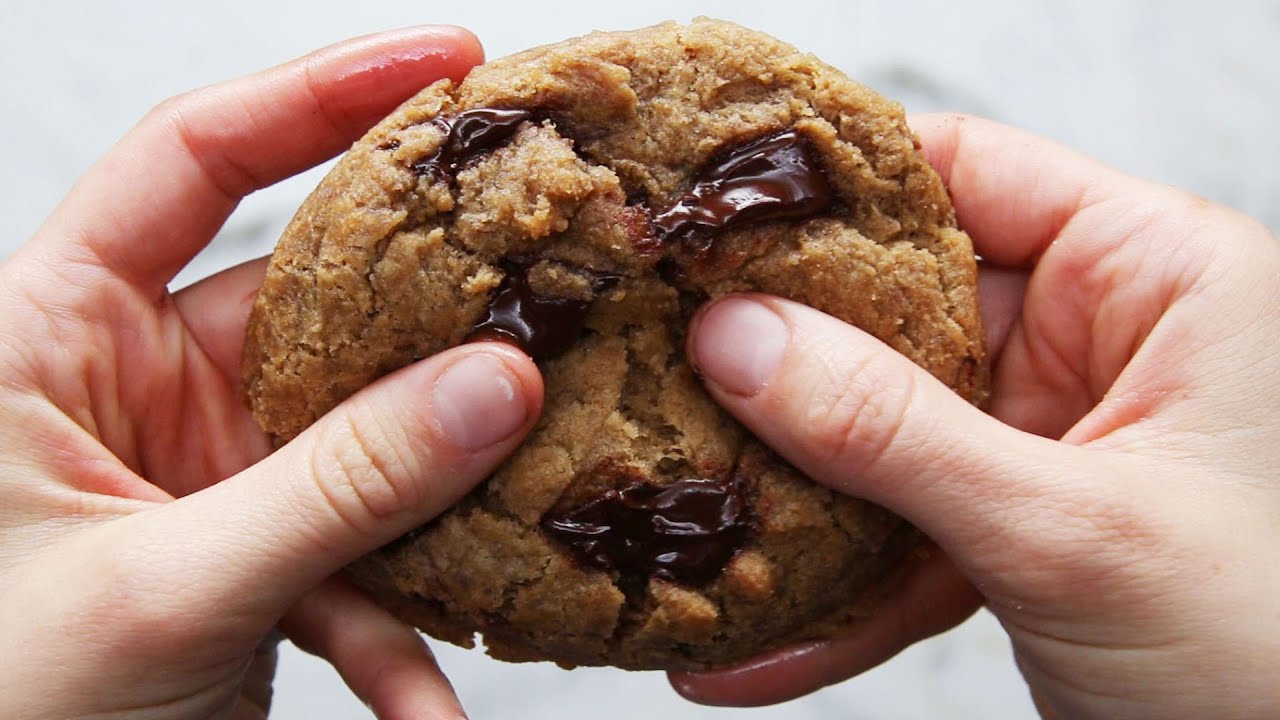
Vegan Cookies Recipe: Who doesn’t love a warm, soft cookie straight out of the oven? But what if I told you that you could enjoy that same gooey, delicious cookie without using any animal products at all? That’s right—vegan cookies are not only real, but they’re just as good (if not better) than traditional ones.
Vegan baking is booming, and for good reason. Whether you’re fully vegan, dairy-free, or just looking to try something new, this guide will walk you through the ultimate step-by-step vegan cookies recipe that’s beginner-friendly and absolutely foolproof. From simple ingredients to perfect baking tips, you’ll learn how to whip up cookies that even your non-vegan friends won’t believe are dairy and egg free.
And don’t worry—we’re not skimping on flavor. These cookies are golden on the outside, chewy in the middle, and packed with whatever delicious extras you want (hello, chocolate chips!). So, grab your mixing bowls and let’s dive into vegan cookie heaven.
Benefits of Vegan Cookies
Health Benefits
Vegan cookies often rely on whole food ingredients, fewer saturated fats, and natural sweeteners. By ditching dairy and eggs, you cut out a lot of cholesterol and unnecessary calories. Many vegan cookies use nut butters, oats, and plant-based milks that not only add nutrients but also improve digestion and energy levels. Plus, they’re great for those with lactose intolerance or egg allergies.
Eco-Friendly and Ethical Choice
Every cookie you make without animal products is a win for the planet. Plant-based baking has a lower carbon footprint, uses fewer natural resources, and supports more humane treatment of animals. So, every bite does a bit of good—for you and the world.
Great for Allergies
Vegan cookies are naturally free from dairy and eggs, two of the most common allergens. And with a few simple swaps, they can easily be made gluten-free and nut-free too. They’re perfect for sharing with friends or bringing to school or workplace events where dietary needs vary.
Ingredients You’ll Need
Here’s everything you’ll need to get started:
Core Ingredients
- 1 ½ cups all-purpose flour (or gluten-free blend)
- ½ tsp baking soda
- ½ tsp salt
- ½ cup coconut oil or vegan butter (softened)
- ¾ cup brown sugar (or coconut sugar)
- 1 tsp vanilla extract
- 2 tbsp plant-based milk (almond, oat, soy)
- ½ cup vegan chocolate chips
Optional Add-ins for Flavor
- Chopped nuts (walnuts, pecans, almonds)
- Shredded coconut
- Dried fruits (cranberries, raisins)
- Cinnamon, nutmeg, or pumpkin spice
Substitution Guide (Common Swaps)
- Out of coconut oil? Use canola oil or avocado oil.
- No brown sugar? Try maple syrup or agave (reduce milk slightly).
- Want lower sugar? Add mashed banana or applesauce for natural sweetness.
- Gluten-free? Use oat flour or certified GF flour blend.
It’s all about flexibility here. Vegan baking is surprisingly forgiving—once you learn the basics, the mix-and-match possibilities are endless.
Tools and Equipment
Must-Have Baking Tools
- Mixing bowls (at least two)
- Measuring cups and spoons
- Whisk or electric mixer
- Baking sheet
- Parchment paper or silicone baking mat
Helpful but Optional Tools
- Cookie scoop (for evenly sized cookies)
- Cooling rack
- Spatula
- Sifter (for flour)
A good setup can make the whole process smoother, but don’t stress if you’re missing a fancy gadget—just use what you have on hand.
Prepping Before You Start
Before you dive into mixing, it’s smart to get organized.
How to Prep Your Ingredients
- Measure out everything before you start. Vegan baking is quick once you get going, so prep ahead.
- Soften your vegan butter or coconut oil—don’t melt it completely unless the recipe calls for it.
- Check expiration dates on baking soda and flour—these affect rise and texture.
Preheating and Setting Up
- Preheat your oven to 350°F (175°C) and line your baking sheet with parchment paper or a silicone mat.
- Clear your workspace, put on your apron, and get ready to bake!
Step-by-Step Guide to Making Vegan Cookies
Let’s go through this one delicious step at a time.
Step 1: Mix the Dry Ingredients
In a bowl, whisk together all-purpose flour, baking soda or baking powder, and a pinch of salt. Mixing the dry ingredients first ensures even distribution and consistent texture in the cookies.
Step 2: Cream the Vegan Butter and Sugar
In a separate bowl, beat vegan butter with brown sugar, white sugar, or a mix of both until light and creamy. This step adds air to the dough, helping the cookies bake up soft and tender.
Step 3: Add Wet Ingredients
Stir in plant-based milk and vanilla extract. For binding, add a flax egg (ground flaxseed mixed with water) or applesauce. Mix until smooth and fully combined.
Step 4: Combine Wet and Dry Mixtures
Gradually add the dry ingredients to the wet mixture. Stir gently until just combined. Avoid overmixing, as this can make the cookies dense instead of soft.
Step 5: Fold in Add-ins (Chocolate Chips, Nuts, etc.)
Gently fold in vegan chocolate chips, chopped nuts, dried fruit, or coconut flakes. Spread add-ins evenly so every cookie has great flavor and texture.
Step 6: Chill the Dough (Optional but Recommended)
Cover and refrigerate the dough for 30 minutes. Chilling helps control spreading and improves flavor, especially for softer cookies.
Step 7: Scoop and Shape the Cookies
Preheat the oven to 350°F (175°C). Scoop dough onto a lined baking sheet, leaving space between cookies. Lightly flatten if needed.
Step 8: Bake to Perfection
Bake for 10–14 minutes, until edges are lightly golden and centers are set but still soft. Baking time may vary based on cookie size.
Step 9: Cool and Serve
Let cookies cool on the baking sheet for 5 minutes, then transfer to a wire rack. Serve warm or store in an airtight container once fully cooled.
Tips for Perfect Vegan Cookies
Everyone wants that perfect cookie—chewy in the middle, slightly crisp on the edges, golden-brown, and packed with flavor. Here are some solid tips to help you nail it every time.
Texture Control: Crispy vs. Chewy
- For chewier cookies: Use brown sugar over white sugar. Chill the dough. Slightly underbake them.
- For crispier cookies: Use a bit more flour and bake a few extra minutes. Don’t chill the dough too long.
- Flat cookies? You might have too much oil or not enough flour.
- Too thick or cakey? That could be from over-mixing or using a dry sugar alternative.
Common Mistakes to Avoid
- Overbaking: Vegan cookies don’t brown the same way as traditional cookies, so don’t wait for them to look “done” or you’ll overcook them.
- Using melted coconut oil: This makes the dough greasy and causes the cookies to spread too much.
- Skipping salt: Even a small pinch balances sweetness and enhances flavors.
- Too much flour: Scoop your flour properly! Spoon it into the measuring cup and level it off—don’t pack it down.
Flavor Variations
Once you master the base recipe, you can get super creative with flavors! Here are a few amazing variations you can try.
Peanut Butter Vegan Cookies
- Swap ¼ cup of the oil with natural peanut butter.
- Add chopped peanuts or vegan peanut butter chips for extra flavor.
- Slightly reduce the sugar if your peanut butter is already sweetened.
Vegan Oatmeal Raisin Cookies
- Replace ½ cup of flour with rolled oats.
- Add ½ cup raisins, and a dash of cinnamon and nutmeg.
- Great for a fiber-rich, hearty cookie.
Double Chocolate Vegan Cookies
- Add ¼ cup cocoa powder to the dry mix.
- Mix in vegan dark chocolate chunks or chips.
- Optional: Add a pinch of espresso powder to enhance the chocolate flavor.
These customizations are perfect for holidays, gifts, or just when you’re in the mood for something different.
How to Store Vegan Cookies
Whether you’re baking a batch for now or prepping for later, storing them the right way keeps them fresh and tasty.
Storage Tips
- Keep cookies in an airtight container at room temperature for up to 5–7 days.
- To keep them soft, place a slice of bread in the container—it helps retain moisture.
Freezing Instructions
- Freeze the dough: Scoop into balls and freeze on a tray, then store in a ziplock bag. Bake straight from frozen—just add 2–3 minutes to the baking time.
- Freeze baked cookies: Cool completely, wrap individually, and store in freezer bags. They’ll keep for 2–3 months.
This makes it easy to bake a small batch anytime the craving hits.
Serving Suggestions
Cookies are already awesome on their own, but here are a few ways to level them up:
Pairing with Drinks
- Plant-based milk: Oat milk and almond milk are crowd favorites.
- Vegan hot chocolate or coffee: Rich, cozy drinks complement cookies perfectly.
- Vegan milkshake: Crumble cookies into a banana-based vegan shake—game changer!
For Parties or Gifts
- Stack and tie with twine for cute gifts.
- Serve as part of a dessert board with fruits and dips.
- Turn them into vegan ice cream sandwiches using your favorite dairy-free ice cream.
Making Gluten-Free Vegan Cookies
Want to make your cookies both vegan and gluten-free? Totally doable—and just as delicious!
Flour Substitutes
- Use a gluten-free all-purpose flour blend (make sure it contains xanthan gum for binding).
- Try oat flour for a slightly nutty, soft cookie. It’s great for chewy textures.
- Almond flour is another option, but you’ll need to adjust the fat and moisture since it absorbs differently.
- Chickpea flour can be used in combination with other flours for a protein boost.
Gluten-free baking can be a bit finicky, so stick to tried-and-true mixes unless you’re feeling experimental.
Gluten-Free Tips
- Don’t overmix the dough—this can make GF cookies crumbly.
- Let the dough rest for 10–15 minutes before baking to help the flour absorb the moisture.
- If you’re using oat flour, make sure your oats are certified gluten-free to avoid cross-contamination.
Pro tip: Add a tablespoon of nut butter or flaxseed meal to improve the structure of gluten-free cookies. It helps them hold together without crumbling.
Kid-Friendly Vegan Cookie Tips
Want to get the little ones involved in baking? Vegan cookies are a great family activity—and safe for most kids with allergies.
Fun Add-ins and Shapes
- Use mini chocolate chips for little hands.
- Add rainbow sprinkles for a colorful treat (check that they’re vegan).
- Let kids use cookie cutters to make fun shapes—especially with firmer dough like sugar cookies or oatmeal dough.
- Top with fun ingredients like vegan marshmallows or fruit bits.
Kid-Safe Preparation
- No eggs means less worry about raw dough—perfect for safe tasting!
- Teach basic skills like measuring, scooping, and mixing.
- Make mini cookies so they bake faster and are easier for kids to hold and enjoy.
Baking with kids not only helps them learn but also creates beautiful memories. Plus, they’ll be more likely to eat what they helped make!
Are Vegan Cookies Healthier Than Regular Cookies?
Let’s talk nutrition, because one common question is: Are vegan cookies better for you than regular ones?
Nutritional Breakdown
Here’s a basic comparison of a typical vegan cookie vs. a traditional butter-and-egg-based cookie (per cookie):
| Nutrient | Vegan Cookie | Regular Cookie |
|---|---|---|
| Calories | ~150–180 | ~180–220 |
| Saturated Fat | Lower (plant fats) | Higher (butter) |
| Cholesterol | 0 mg | ~15–25 mg |
| Fiber | Slightly higher | Lower |
| Sugar | About the same | About the same |
Of course, this varies based on ingredients. But overall, vegan cookies skip the cholesterol, often use healthier fats, and are easier to make with whole food ingredients.
Calorie Comparison
Don’t assume vegan automatically means low-calorie—sugar is sugar. But the quality of calories in a vegan cookie tends to be higher, especially if you’re using ingredients like oats, nut butters, and unrefined sweeteners.
Want to make them even healthier? Reduce the sugar, swap in whole grain flours, or use fruit purées as sweeteners.
FAQs about Vegan Cookies Recipe
1. Can I make these cookies without sugar?
Yes! You can substitute with mashed bananas, date paste, or unsweetened applesauce. Just reduce the plant milk slightly to maintain the dough texture.
2. What kind of plant milk works best in vegan cookies?
Oat milk and almond milk are the most neutral in flavor, but you can use soy, coconut, or even cashew milk. Just avoid sweetened versions if you’re controlling sugar.
3. How do I know if my chocolate chips are vegan?
Check the label. Look out for milk solids, whey, or casein—those mean it’s not vegan. Brands like Enjoy Life and Hu are great vegan-friendly options.
4. Can I use whole wheat flour instead of white flour?
Definitely! Whole wheat flour adds a nutty flavor and more fiber. Start by replacing 50% of the all-purpose flour and see how you like it.
5. How do I prevent cookies from getting too hard the next day?
Store them in an airtight container with a slice of bread—it helps retain moisture. You can also zap them in the microwave for 5–10 seconds to soften.
Conclusion
There you have it—the ultimate guide to baking the most delicious, easy, and totally satisfying vegan cookies. Whether you’re a full-time plant-based eater or just testing the waters, these cookies are a perfect way to treat yourself without compromising on flavor or ethics.
Remember, vegan baking isn’t about restriction—it’s about creativity, compassion, and taste. You don’t need eggs or butter to make something incredible. All it takes is a little know-how, a few plant-based swaps, and a lot of love.
So next time the cookie craving hits, skip the store-bought stuff and make your own batch from scratch. Your taste buds—and the planet—will thank you.