Veal Marsala Recipe: Veal Marsala is one of those classic Italian-American dishes that feels fancy but is surprisingly simple to make at home. With tender, thinly sliced veal cutlets bathed in a rich Marsala wine and mushroom sauce, it’s no wonder this dish is a restaurant favorite. But what if I told you that you could recreate that five-star flavor right in your own kitchen?
This recipe is ideal for date nights, family dinners, or anytime you want to impress your guests with minimal effort. Let’s dive into this step-by-step guide to mastering Veal Marsala.
What is Veal Marsala?
Veal Marsala is a traditional Italian-American dish that features veal cutlets sautéed and simmered in a sauce made from Marsala wine, mushrooms, and sometimes cream or butter. It’s known for its rich, slightly sweet, and earthy flavor profile.
The name “Marsala” comes from the fortified wine used in the dish, which hails from the Marsala region of Sicily. Marsala wine brings depth and complexity that other wines simply can’t match. Combined with the mild, tender texture of veal, this sauce creates a beautifully balanced entrée that pairs wonderfully with a variety of sides.
Why veal? Because it’s tender, lean, and cooks quickly—making it the perfect protein for a fast-yet-fancy meal.
List of Ingredients You’ll Need
Here’s everything you need to make a classic Veal Marsala from scratch. Make sure your ingredients are fresh and high-quality for the best results.
Main Ingredients:
- 1 lb veal cutlets (preferably scaloppine or thinly sliced top round)
- ½ cup all-purpose flour (for dredging)
- 3 tablespoons olive oil
- 2 tablespoons unsalted butter
- 8 oz cremini or white mushrooms, thinly sliced
- ¾ cup dry Marsala wine
- ½ cup chicken stock (or veal stock for richer flavor)
- 2 cloves garlic, minced
- 1 shallot, finely chopped
- Salt and pepper, to taste
- Fresh parsley, chopped (for garnish)
Optional Add-Ons:
- A splash of heavy cream (for a creamier sauce)
- 1 teaspoon lemon juice (for brightness)
- Capers or pancetta (for a twist)
Ingredient Substitutions:
- Can’t find veal? Use thin-sliced chicken breast or pork cutlets.
- No Marsala wine? Substitute with Madeira or a dry sherry, but note the flavor will change.
- For gluten-free: Use rice flour or almond flour to dredge the veal.
Kitchen Tools & Equipment Needed
Before you start cooking, it’s helpful to gather the right tools:
- Large skillet or sauté pan
- Meat mallet (for tenderizing veal)
- Sharp knife and cutting board
- Tongs or spatula
- Mixing bowl (for flour dredging)
- Measuring cups and spoons
- Paper towels (for patting dry the veal)
- Plate or tray for resting cooked veal
These tools will make your cooking process smoother and your results more consistent.
How to Choose the Best Veal
The key to an amazing Veal Marsala starts with choosing quality veal. Look for veal that’s:
- Light pink in color
- Firm to the touch
- Thinly sliced (around ¼ inch thick)
Top round or veal scallopini cuts are best for this recipe. You can ask your butcher to slice it thinly for you. Organic or pasture-raised veal tends to have a cleaner taste and better texture, though it can be more expensive.
Avoid veal that looks too red or has a strong smell—that’s a red flag for freshness.
The Role of Marsala Wine
Marsala wine is more than just an ingredient—it’s the soul of this dish. It’s a fortified wine with a complex flavor profile that includes notes of caramel, nuts, and dried fruit.
There are two main types:
- Dry Marsala – Best for savory dishes like Veal Marsala
- Sweet Marsala – Usually reserved for desserts
Stick with dry Marsala for the classic experience. You can find it at most liquor stores, wine shops, or even large supermarkets. Don’t substitute it with basic red or white wine—you’ll miss the iconic flavor.
If you prefer to avoid alcohol, you can use a mixture of grape juice and vinegar or non-alcoholic cooking wine, but the flavor will differ.
Step-by-Step Guide to Making Veal Marsala
Let’s walk through the process step by step. Take your time and enjoy the process—it’s simple once you break it down.
Step 1: Preparing the Veal Cutlets
Place veal cutlets between two sheets of plastic wrap and gently pound to an even thickness using a meat mallet. This tenderizes the meat and ensures quick, even cooking. If the cutlets are large, slice them into manageable portions.
Step 2: Seasoning and Dredging
Season both sides of the veal lightly with salt and black pepper. Dredge each cutlet in flour, shaking off excess. A thin, even coating helps create a delicate crust and thickens the sauce later.
Step 3: Searing the Veal
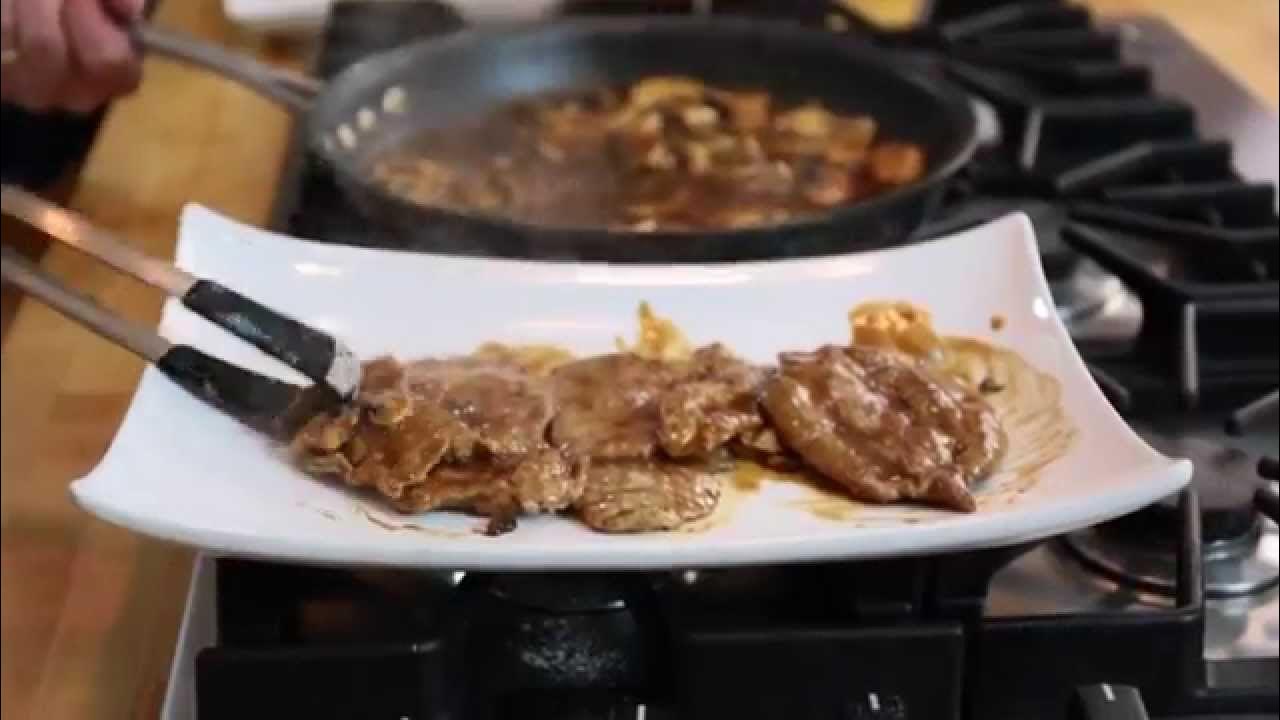
Heat a skillet over medium-high heat. Use a mix of butter and olive oil—the oil prevents burning while butter adds flavor. Sear the veal for about 1–2 minutes per side until lightly golden. Remove and set aside; do not overcook.
Step 4: Making the Marsala Sauce
In the same pan, add sliced mushrooms and finely chopped shallots. Sauté until mushrooms release moisture and begin to brown. Deglaze with Marsala wine, scraping up browned bits. Add a splash of stock and simmer briefly to build depth.
Step 5: Simmering the Dish Together
Return the veal to the pan, spooning sauce over the cutlets. Simmer gently for 3–5 minutes until the veal is warmed through and the sauce slightly reduces. Avoid boiling to keep the meat tender.
Step 6: Final Touches and Plating
If needed, thicken the sauce with a small knob of butter or a light flour slurry. Taste and adjust seasoning. Garnish with chopped parsley. Serve with mashed potatoes, buttered noodles, or sautéed green beans for a classic pairing.
Common Mistakes to Avoid
Let’s make sure your Veal Marsala comes out perfect. Avoid these rookie mistakes:
- Overcooking the veal – Veal is a delicate meat. Overcooking turns it rubbery. Keep the searing quick and let it gently finish in the sauce.
- Using sweet Marsala instead of dry – Sweet Marsala will make the dish overly sugary. Always go for dry unless you prefer a dessert-style flavor.
- Crowding the pan – If you pile all the veal into one pan, it’ll steam instead of sear. Work in batches for that beautiful crust.
- Skipping the deglazing – Those pan drippings are essential for flavor. Don’t clean your pan before making the sauce!
- Adding too much flour – Shake off excess flour when dredging, or your sauce might become gluey.
Avoiding these will keep your dish balanced and delicious.
Make-Ahead Tips & Storing Leftovers
Want to prep ahead? You’re in luck. Veal Marsala is meal-prep friendly with just a few tweaks:
Make-Ahead Tips:
- You can sear the veal and make the sauce separately. Store them in the fridge for up to 24 hours, then reheat and combine when ready to serve.
- Slice the mushrooms, mince the garlic and shallots, and store them in airtight containers to speed things up on cooking day.
Storing Leftovers:
- Store any leftovers in an airtight container in the fridge for up to 3 days.
- Reheat slowly in a pan over low heat, adding a splash of broth to loosen the sauce if needed.
- Avoid the microwave if possible—it can overcook the veal.
Freezing: Not ideal. Veal can get rubbery, and the sauce might split.
Pairing Suggestions
Wondering what to serve with Veal Marsala to create the perfect meal? Great question—this dish is versatile and pairs beautifully with a wide range of sides and drinks. Whether you’re going for a cozy family dinner or an elegant dinner party, these pairing suggestions will take your meal to the next level.
Best Side Dishes:
- Pasta – A classic choice. Serve it with buttered noodles, fettuccine, or angel hair tossed in olive oil and garlic. The pasta helps soak up all that delicious Marsala sauce.
- Mashed Potatoes – Creamy and soft, they balance out the richness of the veal and sauce. Try garlic mashed potatoes for extra flavor.
- Risotto – Mushroom risotto works particularly well with the earthy tones of the sauce.
- Polenta – Soft or grilled polenta is an authentic Italian touch that adds texture to the plate.
- Vegetables – Light, sautéed veggies like green beans, asparagus, or spinach make for a clean and healthy side.
Wine Pairings:
Veal Marsala already includes wine, so picking the right wine to drink alongside it is key to enhancing the overall experience.
- Dry Marsala Wine – The obvious and most harmonious pairing.
- Pinot Noir – Light-bodied, with enough acidity to balance the richness.
- Chardonnay – A buttery Chardonnay complements the savory sauce, especially if you’ve added cream.
- Barbera – An Italian red with low tannins that won’t overpower the veal.
Stick with wines that are mellow and smooth—nothing too bold or tannic, as the veal is delicate.
Why This Recipe Works (Chef’s Tips)
You might be wondering—what makes this particular Veal Marsala recipe stand out from all the others? It’s all about balance, technique, and simplicity. Here’s why this version works so well and tastes like something from a high-end restaurant:
1. Pan Searing = Flavor Gold
Searing the veal creates a crust that locks in juices and adds texture. More importantly, it creates those golden brown bits on the pan that get deglazed into the sauce. That’s next-level flavor you can’t get any other way.
2. Real Marsala Makes a Difference
Using authentic dry Marsala wine (not a cheap substitute) gives the sauce its signature sweet-earthy aroma and complex depth. It’s the heart of the dish—don’t skip or downgrade it.
3. Mushrooms Add Umami
Sautéed mushrooms bring a meaty richness to the sauce, helping tie everything together. They also add a satisfying bite that contrasts nicely with the tender veal.
4. Proper Simmering
Reuniting the veal with the sauce and letting it simmer briefly lets the flavors fuse while keeping the veal tender. Rushing this part or overcooking can ruin the texture, so patience here is key.
5. No Extra Fuss
This recipe doesn’t overcomplicate things. No unnecessary cream, no overwhelming herbs—just simple ingredients that shine. The result? A deeply satisfying dish that feels special but doesn’t stress you out.
Cooking this dish feels like art, but it’s surprisingly accessible with just a bit of guidance. Trust the process, and you’ll be amazed at what you can create in your own kitchen.
FAQs about Veal Marsala Recipe
1. Can I make Veal Marsala without wine?
Yes, you can, though it changes the flavor. Substitute the Marsala wine with a mix of white grape juice and a splash of balsamic vinegar to mimic the sweetness and acidity. It’s not a perfect match, but it works if you’re avoiding alcohol.
2. What’s the best substitute for veal?
Thin-sliced chicken breast is the most common and accessible substitute. You can also use pork loin medallions or turkey cutlets. Keep the preparation the same, but adjust the cooking time depending on the meat.
3. Can I use sweet Marsala instead of dry?
Technically, yes—but it will make the dish sweeter. Dry Marsala is preferred for savory recipes because it balances better with the other ingredients. If using sweet Marsala, cut back slightly on any other sweet elements, like caramelized onions or cream.
4. How long does Veal Marsala last in the fridge?
Veal Marsala can be stored in an airtight container in the fridge for up to 3 days. To reheat, warm gently in a skillet over low heat with a splash of chicken stock to loosen the sauce.
5. Is this recipe good for meal prep?
Yes! You can prepare the sauce and veal ahead of time, store them separately, and reheat before serving. Just be careful not to overcook the veal when reheating—use a gentle simmer to keep it tender.
Conclusion
Veal Marsala is a dish that proves simple ingredients can create something extraordinary when treated with care. With thin slices of tender veal, earthy mushrooms, and a sweet-yet-savory Marsala wine sauce, this meal is a true Italian-American classic. It’s the kind of dish that’s equally perfect for a quiet night in or a special celebration.
By following this step-by-step guide—from choosing the best ingredients to cooking with confidence—you’ve got everything you need to impress your guests or just treat yourself to something amazing. Once you make this once, don’t be surprised if it becomes part of your regular dinner rotation.
Give it a try, tweak it to your taste, and most of all—enjoy every single bite.