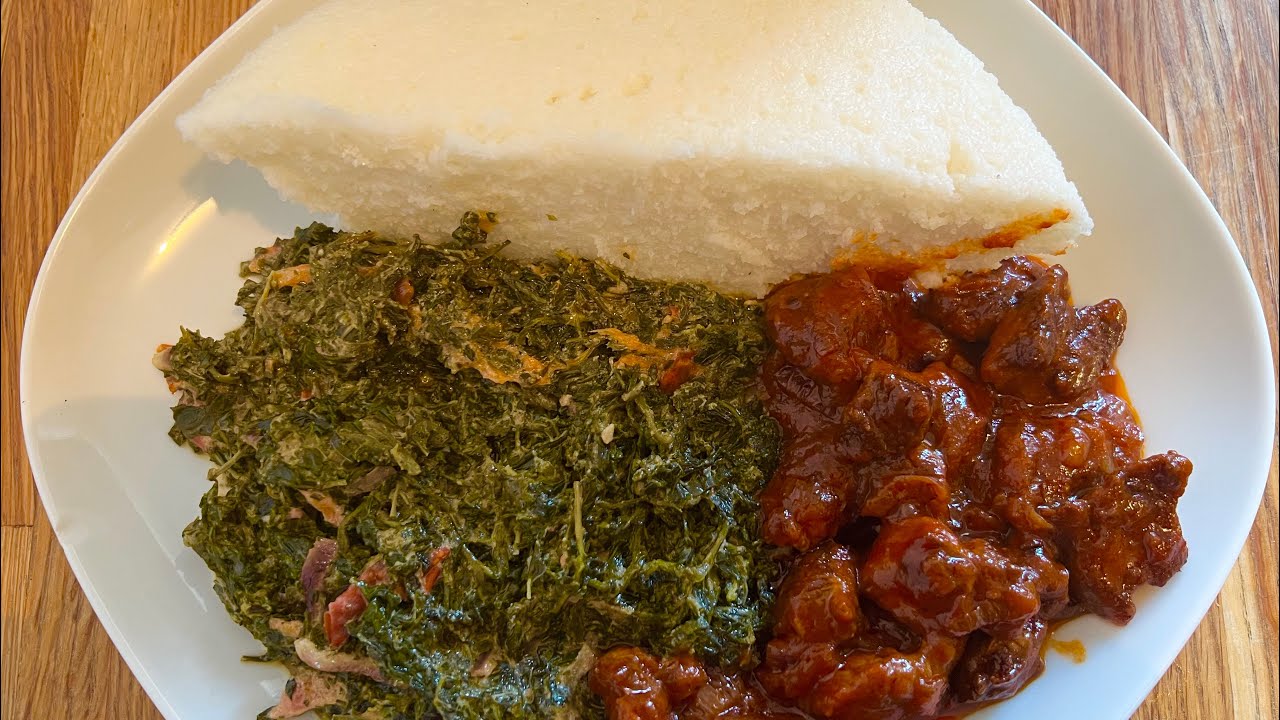
Ugali Recipe: Ugali is more than just food—it’s a way of life for millions across East Africa. Found on nearly every table from Kenya to Tanzania and beyond, Ugali is a staple dish made from maize flour and water. Simple? Yes. But mastering it takes a little know-how. This guide is all about helping you make soft, fluffy, and satisfying Ugali from scratch—whether you’re cooking it for the first time or just want to perfect your technique.
Why should you try making Ugali? For starters, it’s one of the most affordable, filling, and nutritious meals you can prepare. Plus, it pairs beautifully with a variety of dishes, from savory stews to leafy greens. It’s comfort food at its finest—hearty, wholesome, and incredibly easy once you get the hang of it.
Ready to learn how to make it step-by-step? Let’s dive in!
What is Ugali?
Ugali is a dense, dough-like side dish made primarily from maize (corn) flour and water. It’s a traditional meal enjoyed in many parts of Africa, particularly in East and Central Africa. In Kenya, it’s called Ugali; in Tanzania, you might hear it referred to as Sima or Posho, while in Zambia and Zimbabwe, it’s known as Nshima or Sadza.
It may look simple, but its role in the African diet is anything but. Ugali is a symbol of unity, sustenance, and home-cooked love. It’s served daily in both rural and urban homes, celebrated in national dishes, and even cooked over open fires during family gatherings.
Although Ugali is primarily made with maize flour, different countries might use millet, sorghum, or cassava flour, depending on what’s available. This gives the dish a variety of textures and flavors across the continent.
Health Benefits of Ugali
Don’t let its humble ingredients fool you—Ugali is packed with health benefits. First off, it’s a great source of complex carbohydrates, which provide long-lasting energy. That’s one reason why many people eat it during lunch or dinner—it keeps you full and satisfied for hours.
Here’s a breakdown of what makes Ugali a healthy addition to your diet:
- Rich in fiber (especially if you use whole maize flour)
- Naturally gluten-free
- Low in fat and cholesterol
- Provides essential minerals like iron, magnesium, and zinc
Ugali is especially popular among athletes and laborers in Africa because it provides sustained energy without weighing you down. And if you’re trying to eat clean or reduce processed food intake, Ugali fits in perfectly—it has zero additives, preservatives, or complicated ingredients.
Ingredients You’ll Need
Here’s the beauty of Ugali: it only requires two core ingredients.
Essential Ingredients:
- Maize flour (cornmeal) – 2 cups
- Choose finely ground white or yellow maize flour. In East Africa, this is sometimes labeled as “Ugali flour” or “sembe.”
- Water – 4 cups
- Fresh, clean water is essential.
Optional Additions:
- A pinch of salt (not traditional, but some prefer it)
- Butter or ghee for extra richness
- Herbs or spices (for fusion variations)
Tips for Buying the Right Flour:
- Look for stone-ground maize flour for better texture.
- Avoid pre-cooked or instant cornmeal for traditional results.
- Try African or international markets if you can’t find it locally.
Kitchen Tools Required
You don’t need a full kitchen setup to make Ugali, but a few basic tools make the process much smoother:
Basic Tools:
- A medium or large cooking pot
- Preferably non-stick or heavy-bottomed to avoid burning.
- A strong wooden spoon or cooking stick
- Known as “mwiko” in Swahili.
- A bowl of cold water
- To help clean your hands after forming Ugali.
- A flat plate or board for serving
Optional Tools:
- A lid to cover the pot if you want to steam the Ugali slightly at the end.
- A clean cloth to keep the Ugali warm before serving.
Don’t worry if you don’t have the exact utensils—just use the closest alternatives. The most important part is having a sturdy spoon or stick to stir the thick mixture.
Step-by-Step Guide to Making Ugali
This is where the magic happens. Follow these steps carefully, and you’ll end up with a perfect mound of fluffy Ugali that’s soft, smooth, and oh-so-satisfying.
Step 1: Boil the Water
Start by boiling 4 cups of water in your cooking pot over medium heat. You want the water hot and bubbling, but not boiling over.
Step 2: Add Some Flour Gradually
Once the water is hot, sprinkle a handful of maize flour into the pot. Let it sit for about 30 seconds, then stir to break up lumps. This helps form the base of the Ugali.
Step 3: Pour in the Rest of the Flour
Gradually pour in the rest of the maize flour while stirring continuously. This prevents the formation of lumps. Keep stirring—this is where the workout begins!
Step 4: Stir and Pound
Reduce the heat slightly and keep stirring. You’re now forming the dough-like consistency. If the mixture is too wet, add a little more flour. If too dry, sprinkle in a small amount of hot water.
Keep pounding and turning the mixture with your spoon until it thickens. It should start pulling away from the sides of the pot and form a ball.
Step 5: Steam (Optional)
You can cover the pot and let the Ugali steam on low heat for 2–3 minutes for extra softness.
Step 6: Serve
Scoop the Ugali onto a clean plate. Wet your spoon with cold water to help mold it into a smooth dome shape.
Serve hot with your favorite stew, vegetables, or grilled meat.
Tips for Perfect Ugali Every Time
Making Ugali might look easy, but getting that flawless, lump-free texture takes a bit of practice. Here are some handy tips that will help you nail it every single time.
1. Stir Like You Mean It
Ugali thickens fast, and if you hesitate while stirring, you’ll end up with lumps that are nearly impossible to fix. Stir continuously and confidently once you add the maize flour to the boiling water. Use a sturdy wooden spoon or mwiko and stir in a circular and folding motion to combine the flour evenly.
2. Don’t Add All the Flour at Once
Dumping all the flour into the boiling water in one go is a recipe for disaster. It creates big, dry lumps that never quite dissolve. Instead, gradually sprinkle in the flour while stirring. This gives the mixture time to absorb the flour and thicken evenly.
3. Adjust Consistency Based on Preference
Some people like their Ugali soft and smooth, while others prefer it firmer. There’s no right or wrong—it’s all about personal taste. If you want it softer, use a little more water. If you prefer it dense, use slightly more flour.
4. Use Hot Water for Adjustments
If your Ugali is too dry and crumbly, avoid adding cold water—it will make things worse. Instead, add a splash of hot water and stir it in quickly.
5. Let It Rest for a Minute
After you’ve finished cooking, let the Ugali sit for a minute in the pot or on the plate. This helps it firm up slightly and makes shaping it easier.
How to Serve Ugali
One of the best things about Ugali is how versatile it is. It acts like a sponge for all the delicious sauces, soups, and stews you serve it with. Think of it as the perfect blank canvas that brings the whole meal together.
Traditional Serving Style
- With Sukuma Wiki (Collard Greens): This classic combo is both nutritious and satisfying.
- With Beef or Goat Stew: The rich, spicy sauce from slow-cooked meat pairs beautifully with the plain Ugali.
- With Fish Stew: In coastal regions, Ugali is often served with coconut fish curry or fried tilapia.
- With Beans or Lentils: Perfect for a vegetarian twist, especially when seasoned well.
Serving Tips:
- Ugali is best served hot and fresh.
- Wet your hands before shaping or serving Ugali to prevent sticking.
- Cut it into slices or scoop it in mounds depending on presentation.
Don’t forget that Ugali isn’t just for the plate—it’s meant to be eaten with your hands. Break off a piece, form it into a ball with your fingers, and use it to scoop up the stew. That’s the traditional way, and it connects you more to the culture of the meal.
Different Ways to Enjoy Ugali
You might be surprised at how many creative ways there are to use Ugali, especially if you have leftovers.
1. Fried Ugali (Ugali Fry)
Cut your leftover Ugali into small cubes and fry them in a bit of oil until they’re golden and crispy. Add onions, tomatoes, or even eggs to make a hearty breakfast or snack.
2. Ugali Cakes or Patties
Mash leftover Ugali with grated vegetables and spices, form into patties, and fry until crispy. Think of it like a cornmeal version of hash browns.
3. Breakfast Ugali
Reheat Ugali in the morning and serve it with sweet tea, peanut sauce, or a little honey if you’re feeling adventurous.
4. Ugali Pizza (Fusion Twist)
Flatten leftover Ugali into a thick base, top it with veggies, cheese, and sauce, and bake it like a mini pizza. It’s not traditional, but it’s fun and delicious.
Ugali is incredibly versatile—you just need to experiment and see what works best for your taste.
Ugali Around the World
Ugali isn’t just a Kenyan or Tanzanian favorite—it’s celebrated in various forms all across Africa and even in parts of the Caribbean.
Kenya: Ugali na Sukuma Wiki
Probably the most iconic Ugali pairing. Sukuma Wiki, which means “push the week,” is a hearty, affordable meal that feeds many.
Tanzania: Ugali with Fish Curry
Especially in coastal towns like Dar es Salaam and Zanzibar, you’ll find Ugali served with rich coconut-based fish stews.
Uganda: Posho
In Uganda, Posho is similar to Ugali but slightly softer. It’s often eaten with beans, greens, or groundnut sauce.
Zambia & Zimbabwe: Nshima / Sadza
A firmer version of Ugali, usually served in large portions alongside meat, vegetables, and thick gravies.
Though names and textures vary, the heart of the dish stays the same: simple, nutritious, and meant to be shared.
Ugali for Beginners
Never made Ugali before? No worries—you’re not alone. In fact, many people need a few tries before they get it just right. But here’s why you shouldn’t be intimidated.
Why It’s Great for New Cooks
Ugali doesn’t require any special skills or fancy equipment. If you can boil water and stir a pot, you’re already halfway there. Plus, it’s cheap to make, so mistakes aren’t costly.
Learning by Texture
The key to great Ugali is texture. It should be firm but not dry, smooth but not sticky. You’ll learn this by feel—the more you cook it, the more your hands (and eyes) will know when it’s just right.
Start with Small Batches
When you’re learning, make small amounts—maybe 1 cup of maize flour to 2 cups of water. This way, you waste less and learn faster.
Ugali is forgiving. Even if it doesn’t turn out perfectly the first time, it will still be tasty and filling. Just keep practicing!
Ugali for Special Diets
Ugali is naturally simple, which makes it a great fit for a variety of diets. Whether you’re vegan, gluten-sensitive, or just trying to eat clean, there’s a place for Ugali on your plate.
1. Vegan-Friendly
Traditional Ugali is completely vegan. It contains just maize flour and water—no animal products involved. It’s a great base for plant-based meals, especially when paired with sautéed greens, beans, or lentil stew.
Want to level it up? Add fried onions, garlic, and tomatoes on the side. Or try it with peanut sauce or spicy coconut-based vegetable curry for rich flavor without any meat.
2. Gluten-Free Option
Since Ugali is made from maize (corn) flour, it’s naturally gluten-free. That makes it a safe and satisfying alternative for people with celiac disease or gluten sensitivity.
Just be sure to check your flour package to make sure it wasn’t processed in a facility that also handles wheat, if cross-contamination is a concern.
3. Low-Fat, High-Energy
Ugali is low in fat (unless you fry or butter it later) and high in complex carbs. That’s why athletes, workers, and students in many parts of Africa rely on it for energy. You can enjoy it guilt-free as part of a balanced meal.
And if you’re watching your portion sizes, pair it with lots of fiber-rich veggies to keep you full longer without overeating.
Troubleshooting Ugali
Even seasoned cooks mess up Ugali from time to time. Here’s how to fix some of the most common issues.
1. Too Lumpy
Lumpy Ugali usually means the flour wasn’t stirred in gradually or fast enough. Once it’s lumpy, it’s hard to fix completely. But here’s a trick: add a bit of hot water, cover the pot, and let it steam for a few minutes. Then stir vigorously to break down some of the lumps.
2. Too Dry or Hard
If it feels like you’re chewing cardboard, your Ugali probably had too much flour or was cooked too long. Next time, add a bit more water or reduce the flour slightly. You can also try steaming it at the end with a little water to soften it up.
3. Too Wet or Sticky
This happens when there’s too much water or not enough cooking time. The fix? Add more flour—just a little at a time—and stir over low heat until it thickens. Be careful not to add too much at once or you’ll end up with the opposite problem.
4. Doesn’t Taste Right
Ugali is meant to be mild so it can pair with strong flavors. But if it tastes bland to you, you can try experimenting:
- Add a pinch of salt to the water before cooking.
- Mix in a spoon of butter or ghee at the end.
- Pair it with bold, flavorful sauces or dips.
Remember, Ugali isn’t supposed to stand alone—it shines as a team player on the plate.
FAQs about Ugali Recipe
1. Can I use cornmeal from the grocery store instead of Ugali flour?
Yes, you can! Just make sure it’s finely ground. Coarse cornmeal will give you a grainy, less smooth Ugali. African stores often carry the best flour for traditional results, labeled as sembe or maize meal.
2. Can I make Ugali using whole grain maize flour?
Absolutely. Whole grain maize flour (sometimes called “dona” flour) makes a darker, more fibrous Ugali with extra nutrients. It’s slightly earthier in flavor but very healthy.
3. What’s the best dish to serve with Ugali?
Ugali pairs well with anything savory: beef stew, sukuma wiki, fried fish, beans, or even scrambled eggs. It’s like a blank canvas that goes with anything!
4. How do I reheat leftover Ugali?
The best way is to steam it. Put it in a covered pan with a few tablespoons of water and heat gently. You can also microwave it, wrapped in a damp paper towel.
5. Can kids eat Ugali?
Definitely! Ugali is gentle on the stomach, easy to chew (especially when soft), and pairs well with nutritious stews and veggies—great for growing kids.
Conclusion
Ugali is one of the simplest yet most satisfying dishes you can make. It’s humble in ingredients but rich in culture, history, and versatility. From Kenyan households to Tanzanian coastlines and Zambian villages, this hearty dish brings people together, fuels families, and complements nearly any meal.
Whether you’re a beginner learning to stir your first pot, or a seasoned cook adding your own twist, making Ugali is a rewarding experience. It’s comfort food that fills more than just your stomach—it connects you to generations of tradition and the warmth of home.
So, next time you’re looking for something filling, easy, and wholesome, give Ugali a try. All you need is maize flour, water, and a little patience—and you’ll have a dish that speaks volumes with every bite.