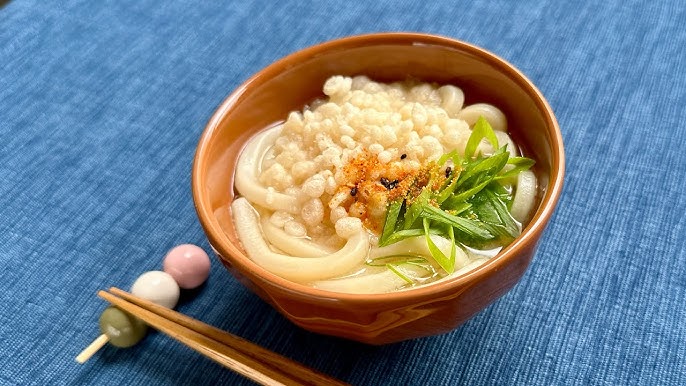
Udon Noodle Soup Recipe: There’s something deeply comforting about a warm bowl of udon noodle soup. Whether you’re nursing a cold, looking for a cozy dinner, or simply want a taste of Japanese cuisine, this dish delivers every time. Thick, chewy noodles swimming in a rich, savory broth—it’s pure comfort in a bowl.
But what makes udon noodle soup so special? And how do you make it perfectly at home without running to a Japanese restaurant? That’s exactly what this guide will help you with.
Let’s break it down step-by-step, from ingredients to cooking methods, with tips to make your udon noodle soup better than takeout.
What is Udon Noodle Soup?
Udon noodle soup is a classic Japanese dish made with thick, wheat-based noodles served in a light broth, often flavored with soy sauce, dashi, or miso. It’s one of Japan’s most beloved comfort foods—and for good reason.
The beauty of udon lies in its simplicity. The noodles are chewy, the broth is rich but not too heavy, and the toppings can range from minimalist (just green onions) to fully loaded with tempura, eggs, and veggies.
Unlike ramen, which is typically more oily and heavy, udon is light yet satisfying. The broth is cleaner, often made from dashi (a Japanese soup stock made with kombu and bonito flakes). Udon is also less spicy than many Korean noodle soups but still deeply flavorful.
Types of Udon Noodles
Before you start cooking, let’s talk noodles. Udon noodles come in three main types:
- Fresh Udon: These are the best in terms of texture—soft, chewy, and ready to go. Found in the refrigerated section of Asian markets.
- Frozen Udon: Almost as good as fresh! They’re pre-cooked and just need a quick boil or soak in hot water.
- Dried Udon: Takes longer to cook and can be slightly less chewy, but they’re convenient and have a long shelf life.
Pro Tip: If you can find frozen udon, go for it. It hits the sweet spot between convenience and texture.
Health Benefits of Udon Noodles
Udon may not be a superfood, but it has its perks:
- Low in fat: Especially when served with broth and veggies
- Good source of energy: Thanks to the carbs in the wheat noodles
- Customizable for diet needs: Add lean protein, veggies, or go plant-based
- Hydrating: The soup base helps you stay full and hydrated
Want gluten-free? Swap in rice noodles or gluten-free udon options now available in many stores.
Ingredients You’ll Need
Here’s a list of ingredients for a classic udon noodle soup. Feel free to adjust based on what you have or prefer!
For the Broth:
- 4 cups dashi stock (can sub with chicken or veggie broth if needed)
- 2 tablespoons soy sauce
- 1 tablespoon mirin (sweet rice wine)
- 1 teaspoon sugar (optional)
- Salt to taste
For the Noodles:
- 2 packs of frozen or fresh udon noodles
For the Toppings:
- Green onions, finely sliced
- Kamaboko (fish cake), thinly sliced (optional)
- Boiled egg or poached egg
- Nori (seaweed), sliced into strips
- Tofu, pan-fried or soft
- Tempura shrimp or vegetables (optional)
- Mushrooms, like shiitake or enoki
Essential Kitchen Tools
You don’t need anything fancy, but having the right tools helps:
- Medium saucepan or pot for broth
- Strainer for draining noodles
- Ladle for serving soup
- Sharp knife for slicing toppings
- Cutting board
- Optional: Tempura fryer or pan for deep frying
Choosing the Right Broth
Let’s get real: the broth makes the soup. There are a few types you can go with:
1. Dashi Broth (Traditional)
- Made from kombu (dried kelp) and bonito flakes (dried fish shavings)
- Light and savory, a little smoky
- Best for authentic Japanese flavor
2. Miso Broth
- Made with miso paste, a fermented soybean product
- Rich, salty, slightly sweet
- Great for a deeper, more intense flavor
3. Soy Sauce Broth
- Soy sauce + mirin + sugar + stock
- Simpler but flavorful
- Easier if you don’t have access to dashi or miso
Want to make your own dashi?
Simple Dashi Recipe:
- 1 piece kombu (4-inch)
- 4 cups water
- 1 cup bonito flakes
Soak kombu in water for 30 minutes, heat gently (don’t boil). Remove kombu, add bonito flakes, simmer 2 minutes, strain.
Step-by-Step Guide to Making Udon Noodle Soup
Alright, time to bring it all together. Here’s how to make your udon soup from start to finish:
Step 1: Preparing the Broth
In a pot, combine water or light stock with soy sauce and a small amount of mirin or sugar for balance. Add sliced ginger or a piece of dried seaweed if available. Bring the broth to a gentle simmer over medium heat and let it cook for 5–10 minutes so the flavors meld. Taste and adjust seasoning as needed.
Step 2: Cooking the Noodles
Bring a separate pot of water to a rolling boil. Add fresh or dried udon noodles and cook according to package instructions, usually 2–4 minutes for fresh noodles or 7–10 minutes for dried. Stir gently to prevent sticking. Drain and rinse briefly with warm water to remove excess starch.
Step 3: Assembling the Soup
Divide the cooked noodles evenly among serving bowls. Remove any large aromatics from the broth, then carefully pour the hot broth over the noodles until just covered. This keeps the noodles tender without becoming soggy.
Step 4: Adding Toppings
Top the soup with sliced green onions, soft-boiled eggs, mushrooms, spinach, or tofu. You can also add cooked chicken, shrimp, or fish cake if desired. Finish with a drizzle of sesame oil or a sprinkle of sesame seeds. Serve immediately and enjoy a warm, comforting bowl of udon noodle soup.
Topping Ideas to Elevate Your Udon Soup
One of the best things about udon noodle soup is how customizable it is. Want something traditional? Stick with scallions, kamaboko, and a poached egg. Want to get creative? Throw in some spicy tofu, corn, or even kimchi. Let’s go over some classic and creative toppings that can take your udon from basic to brilliant.
Traditional Toppings:
- Green onions (scallions): These add a sharp, fresh contrast to the rich broth.
- Kamaboko (fish cake): Sliced thin, these pink-and-white beauties add authenticity and a mild, savory bite.
- Poached or soft-boiled egg: The creamy yolk melts into the broth and makes it silky.
- Tempura (shrimp or vegetable): Adds crunch and richness. Shrimp tempura is the classic pairing.
- Wakame seaweed: Offers a chewy texture and ocean-like flavor.
- Mushrooms: Shiitake or enoki are best for a Japanese touch.
Modern or Creative Toppings:
- Tofu (fried or silken): Great for vegetarians, adds protein and texture.
- Kimchi: If you want a spicy twist.
- Corn: Sweet and crunchy—it works surprisingly well.
- Sesame seeds: For a nutty finish.
- Chili oil or flakes: For heat lovers.
Try mixing and matching a few from each category for a balanced bowl. Don’t be afraid to experiment—it’s your soup!
Vegan and Vegetarian Udon Options
Good news: udon noodle soup can be made entirely plant-based without losing flavor. The key is building a flavorful vegan broth and using protein-packed toppings.
Vegan Broth Ideas:
- Vegetable broth with kombu and shiitake mushrooms: Simmer dried shiitake and kombu in water for 30–40 minutes to create a deep umami flavor.
- Add soy sauce and mirin to mimic the traditional base.
Best Vegan Toppings:
- Tofu: Marinate and pan-fry for added flavor.
- Mushrooms: Shiitake, oyster, or enoki work great.
- Bok choy or spinach: Adds color, nutrition, and texture.
- Corn and carrots: Naturally sweet, colorful, and tasty.
- Green onions and sesame seeds: Finishing touches.
This version is light, satisfying, and loaded with nutrients. Perfect for those avoiding animal products but still craving something warm and hearty.
Spicy Udon Noodle Soup Variation
Craving something with a kick? Let’s spice things up.
Spicy Udon Broth Recipe:
- Start with your regular broth base (dashi or vegetable).
- Add 1–2 tablespoons of gochujang (Korean chili paste) or sriracha.
- Stir in minced garlic and a touch of sesame oil.
- Simmer for 10 minutes to let the flavors meld.
Best Toppings for Spicy Udon:
- Soft-boiled egg
- Kimchi
- Fried tofu
- Bean sprouts
- Fresh chili slices
- Chili oil drizzle
This variation is perfect for chilly days or when you’re craving something bold and exciting. Just adjust the spice to your liking!
Udon Noodle Soup with Tempura
Adding tempura to your udon takes it to another level. The crispy, golden coating soaking up the savory broth? Pure joy.
How to Make Simple Shrimp Tempura:
- Mix 1 cup of flour, 1 egg, and ice-cold water until just combined (lumpy is good!).
- Heat oil in a deep pan.
- Dip peeled shrimp (or sliced vegetables like sweet potato or zucchini) into the batter.
- Fry until golden and crispy.
- Drain on a paper towel.
Place the tempura on top of your soup just before serving, or serve it on the side to keep it crispy longer.
Storage and Reheating Tips
Got leftovers? Here’s how to store and reheat your udon without turning it into a mushy mess.
Storage:
- Store broth and noodles separately to prevent sogginess.
- Keep toppings in a separate container too, especially tempura or greens.
- Everything should go into airtight containers and be kept in the fridge.
Reheating:
- Heat broth on the stovetop until simmering.
- Briefly reheat noodles by dunking in hot water for 30–60 seconds.
- Reassemble the bowl and microwave the toppings if needed.
Pro Tip: Avoid microwaving noodles in the broth directly. It makes them soggy and breaks their texture.
Common Mistakes to Avoid
Even a simple soup can go wrong if you’re not careful. Here are the biggest udon mistakes to steer clear of:
1. Overcooking the Noodles
Udon should be chewy, not mushy. Always cook a minute less than the package says, then rinse with cold water to stop the cooking process.
2. Using Weak Broth
The broth is the heart of this dish. Don’t water it down too much, and make sure it’s seasoned properly with soy sauce, mirin, or miso.
3. Dumping Everything at Once
Layer your soup thoughtfully. Start with noodles, then broth, then toppings. It’s not just about looks—it helps with flavor and texture too.
4. Not Tasting As You Go
Taste the broth before serving. Too salty? Add water. Too bland? A splash of soy sauce or dash of sugar can fix it.
FAQs about Udon Noodle Soup Recipe
1. Can I use ramen noodles instead of udon?
Technically yes, but you’ll get a completely different texture. Ramen is thinner and springier, while udon is thick and chewy. For authentic flavor, stick to udon.
2. Where can I buy udon noodles?
Most Asian grocery stores carry them, and you can often find frozen or dried udon in the international aisle at major supermarkets.
3. How do I make my broth more flavorful?
Simmer your broth longer, use dashi or miso, and don’t forget key flavor boosters like soy sauce, mirin, and mushrooms.
4. Is udon noodle soup healthy?
Yes, especially if you keep it light with vegetables, tofu, and a low-sodium broth. You control what goes in, so it can be as healthy as you want.
5. Can I meal-prep udon noodle soup?
Absolutely—just keep the broth, noodles, and toppings stored separately and combine right before serving for the best texture.
Conclusion
There you have it—a complete, step-by-step guide to making authentic, delicious udon noodle soup right in your own kitchen. Whether you like it traditional with dashi and scallions, spicy with chili oil, or loaded with tempura and tofu, this dish is all about comfort, flavor, and versatility.
Udon is more than just soup—it’s a whole experience. It warms you up, fills you up, and gives you endless ways to make it your own. So grab those noodles, heat up that broth, and start cooking. Your perfect bowl of udon noodle soup awaits!