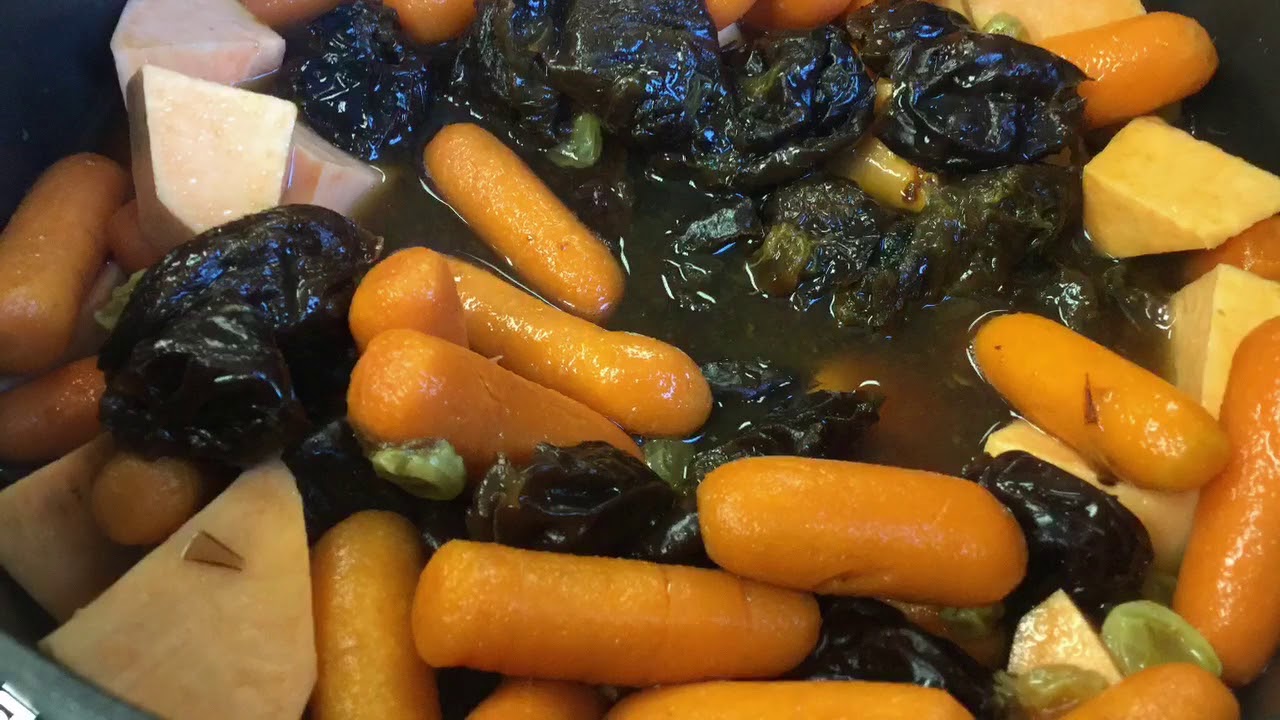
Tzimmes Recipe: Tzimmes. Just the name brings a warm feeling, right? If you’ve ever been to a Jewish holiday meal—especially Rosh Hashanah—you’ve probably seen this sweet, slow-cooked dish on the table. Tzimmes is that delicious combination of tender carrots, sweet potatoes, prunes, and a hint of honey or brown sugar that fills your kitchen with nostalgic aromas. It’s a dish that’s both simple and rich in tradition.
The beauty of Tzimmes is how flexible it is. Some families toss in beef or flanken, while others keep it entirely vegetarian. Some versions include raisins, apples, or even orange zest. It’s sweet but grounded, hearty but never heavy. Best of all? It’s ridiculously easy to make. Whether you’re whipping it up for a Jewish holiday or just want a comforting, nutritious dish for dinner, this step-by-step guide will walk you through every part of the process. From peeling the carrots to that final taste test before serving, we’ve got you covered.
So, grab your apron and get ready to bring a bit of old-world tradition into your modern kitchen.
List of Ingredients You’ll Need
Getting your ingredients ready ahead of time will make the cooking process so much smoother. Here’s everything you’ll need to prepare a classic Tzimmes dish:
Main Ingredients:
- Carrots – About 5-6 large ones, peeled and sliced into rounds. They’re the star of the show.
- Sweet Potatoes – 2-3 medium-sized, peeled and chopped into chunks.
- Prunes – 1 cup of pitted prunes. These add deep sweetness and richness.
- Honey – 2-3 tablespoons, depending on how sweet you want it.
- Brown Sugar – 1/4 cup, to bring that molasses-like depth.
- Orange Juice – 1/2 cup. Adds citrus brightness that balances the sweetness.
Optional Add-Ins:
- Beef (Flanken or Brisket) – Adds a savory depth and makes it a full meal.
- Apples – Peeled and sliced, they add a light tartness and blend well with the sweet notes.
- Raisins – If you want extra dried fruit flavor, throw in a handful.
- Cinnamon – A pinch enhances the sweet warmth of the dish.
- Nutmeg – Optional, but a little goes a long way in boosting flavor.
Spices and Flavorings:
- Salt – Just a pinch to balance the sweetness.
- Black Pepper – A touch of contrast.
- Ground Cinnamon – About 1/2 teaspoon.
- Orange Zest – Optional but highly recommended for extra citrus aroma.
- Clove – Only a small pinch if you like warm spice.
Pro Tip: Don’t be afraid to taste and tweak the ingredients to suit your preferences. Some like their Tzimmes sweeter, others more savory. It’s all up to you.
Step-by-Step Guide to Making Tzimmes
Let’s break this down into easy-to-follow steps so you can make the perfect batch of Tzimmes every time.
Step 1: Prepping the Vegetables
Wash, peel, and chop carrots into thick rounds. If using sweet potatoes, peel and cube them evenly. Uniform pieces ensure even cooking and a balanced texture.
Step 2: Soaking the Dried Fruit
Place prunes or raisins in warm water for 10–15 minutes. This softens the fruit, prevents burning during cooking, and allows them to release natural sweetness into the dish.
Step 3: Choosing the Cooking Method
- Oven: Produces deeper flavor and caramelization; less stirring required.
- Stovetop: Faster and easier to monitor but needs more frequent stirring to prevent sticking.
Choose based on time and preference.
Step 4: Combining Ingredients
Layer carrots, sweet potatoes, and soaked dried fruit in a pot or baking dish. Mixing gently helps distribute sweetness evenly, while layering gives more distinct textures.
Step 5: Adding Sweeteners and Spices
Add honey, brown sugar, or maple syrup for sweetness. Season with cinnamon, a pinch of salt, and optional ginger or nutmeg. Balance is key—Tzimmes should be sweet but not overpowering.
Step 6: Cooking Time and Temperature
- Oven: Cover and bake at 350°F (175°C) for 1½–2 hours.
- Stovetop: Simmer gently over low heat for 60–90 minutes.
Stir occasionally and add a splash of water or juice if it looks dry.
Step 7: Optional Additions (Beef or Apples)
Add chunks of beef at the beginning if making a hearty version. Apples can be added halfway through cooking; they bring freshness and lighten the sweetness.
Step 8: Stirring and Checking Consistency
Stir every 20–30 minutes. The dish is done when vegetables are tender and coated in a thick, glossy sauce—not mushy or watery.
Step 9: Final Taste Test and Adjustments
Taste and adjust sweetness, spices, or liquid. Add more honey for richness or a little water to loosen the sauce.
Step 10: Serving Suggestions
Serve Tzimmes warm as a side dish with roasted chicken or brisket. It’s traditionally enjoyed during Jewish holidays such as Rosh Hashanah, symbolizing sweetness and prosperity.
Tips for the Best Tzimmes Every Time
Making Tzimmes may seem simple, but like all traditional dishes, it has its little secrets. These tips will help you master it every single time—and maybe even earn you a few compliments from your Bubbe (or someone else’s!).
1. Don’t Overcook the Veggies
Sweet potatoes and carrots are naturally soft when cooked, but if you overdo it, you’ll end up with a mashed mixture instead of tender chunks. Keep an eye on texture—fork-tender is your goal, not falling apart.
2. Let It Rest Before Serving
Right out of the oven or pot, Tzimmes is often too hot and runny. Give it at least 10–15 minutes to sit. This helps the sauce thicken into a glaze and lets the flavors blend better.
3. Don’t Skip the Citrus
Orange juice and zest bring a much-needed zing to balance the dish. Without that slight tartness, the sweetness can be overpowering. Think of it like a squeeze of lemon on roasted veggies—it just works.
4. Use Good Quality Prunes
You might think prunes are just prunes—but quality matters. Look for soft, plump prunes with no added sugar. They’ll melt into the dish, adding depth without being chewy or dry.
5. Make It Ahead of Time
Tzimmes actually tastes better the next day. The flavors continue to mingle and deepen in the fridge overnight. Just reheat gently before serving and maybe add a splash of juice to loosen it up.
6. Adjust the Sweetness to Your Taste
Everyone’s sweetness tolerance is different. If you’re not into super-sweet dishes, cut the honey and brown sugar in half. Taste before adding more—this dish is very forgiving.
7. Experiment with Spices
Don’t be afraid to add your own flair. A pinch of ginger, a dash of allspice, or even a splash of pomegranate molasses can make your Tzimmes uniquely yours.
Variations of Tzimmes
Just like every family has their own way of making latkes or matzo ball soup, Tzimmes comes in many forms. Here are a few popular and delicious variations you can try:
1. Meat Tzimmes
- Add flanken or brisket for a hearty stew-like meal.
- Ideal for holidays when you want a filling dish that works as both a main and a side.
- Make sure to brown the meat first for deeper flavor.
2. Vegetarian Tzimmes
- Leave out the meat and enjoy a lighter, more plant-based version.
- Add chickpeas or white beans if you want some added protein.
- Perfect for those keeping kosher and serving dairy alongside.
3. Ashkenazi-Style Tzimmes
- Rooted in Eastern European tradition.
- Heavy on carrots, sweet potatoes, prunes, and honey.
- Mild seasoning, warm and sweet.
4. Sephardic-Style Tzimmes
- Often includes dried apricots, almonds, or even savory spices like cumin.
- Might use olive oil instead of butter (or no added fat).
- Balanced between sweet and savory—more complex in spice profile.
5. Apple Tzimmes
- Apples are added for a light, fruity variation.
- Especially good when paired with poultry or for Rosh Hashanah (apples and honey, anyone?).
- Use tart apples to keep it from becoming cloying.
Each version of Tzimmes tells a different story. Don’t be afraid to play with ingredients until you find the combo that feels like home.
How to Store and Reheat Tzimmes
One of the best things about Tzimmes is that it stores beautifully and even improves in flavor after a day or two. Here’s how to handle leftovers the right way.
Storing in the Fridge:
- Allow the dish to cool completely.
- Transfer to an airtight container.
- Keep in the refrigerator for up to 4–5 days.
Freezing Tzimmes:
- Yes, you can freeze it!
- Use freezer-safe containers or heavy-duty zip bags.
- Freeze for up to 3 months.
- Pro tip: Freeze in individual portions for easy meal planning.
Reheating Tips:
- For best results, reheat in the oven at 300°F (150°C) until warmed through.
- Add a splash of orange juice or water to keep it moist.
- You can also reheat on the stovetop over low heat, stirring occasionally.
- Microwave works too—just cover it and use medium power to avoid drying it out.
Tzimmes is the perfect make-ahead dish for busy weeks, holiday prep, or when you just want something warm and comforting on hand.
Nutritional Benefits of Tzimmes Ingredients
Tzimmes isn’t just delicious—it’s packed with nutritious ingredients that make it a guilt-free comfort food.
1. Carrots
- Rich in beta-carotene, a powerful antioxidant.
- Great for vision, skin, and immune health.
- High in fiber and low in calories.
2. Sweet Potatoes
- Excellent source of vitamin A, vitamin C, and potassium.
- High in complex carbs and fiber.
- Natural sweetness with a low glycemic index.
3. Prunes
- Full of fiber, which supports digestion.
- Natural source of iron, vitamin K, and antioxidants.
- Known for supporting bone health and lowering cholesterol.
4. Honey & Brown Sugar
- Natural energy boosters (in moderation).
- Provide quick carbs during long fasting holidays.
5. Orange Juice
- Adds vitamin C and enhances iron absorption from plant-based foods.
- Brightens flavor without the need for artificial ingredients.
Even with the added sugar, Tzimmes can be part of a balanced diet—especially when loaded with vegetables and cooked without extra fats.
FAQs about Tzimmes Recipe
1. Can I make Tzimmes ahead of time?
Yes! In fact, Tzimmes tastes even better the next day. Just store it in the fridge and reheat before serving.
2. Is Tzimmes sweet or savory?
It’s primarily sweet, thanks to carrots, sweet potatoes, and prunes—but with a touch of savory balance from salt, spices, and sometimes meat.
3. What meat goes best with Tzimmes?
Flanken (short ribs) or brisket are traditional and complement the sweetness perfectly.
4. Can I freeze Tzimmes?
Absolutely. It freezes well for up to 3 months. Just thaw and reheat slowly to preserve texture and flavor.
5. Is Tzimmes gluten-free?
Yes, Tzimmes is naturally gluten-free as long as all ingredients (like spices and broths) are gluten-free too.
Conclusion
Tzimmes is more than just a dish—it’s a tradition, a warm hug in a bowl, and a sweet reminder of holidays past and present. Whether you’re cooking it for Rosh Hashanah, Passover, or a cozy winter night, it brings people together with its rich, comforting flavors.
From the vibrant carrots and sweet prunes to the tender sweet potatoes and spices, each bite tells a story of heritage, family, and love. And with its endless variations—meaty, vegetarian, fruity, or nutty—you can make it truly your own.
So now that you’ve got the ingredients, the steps, and the secret tips, it’s time to get in the kitchen and cook up some Tzimmes. You’ll be amazed at how something so simple can taste so deeply satisfying.