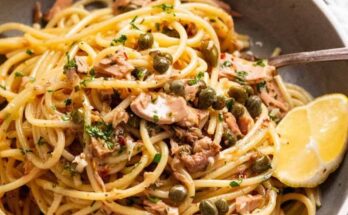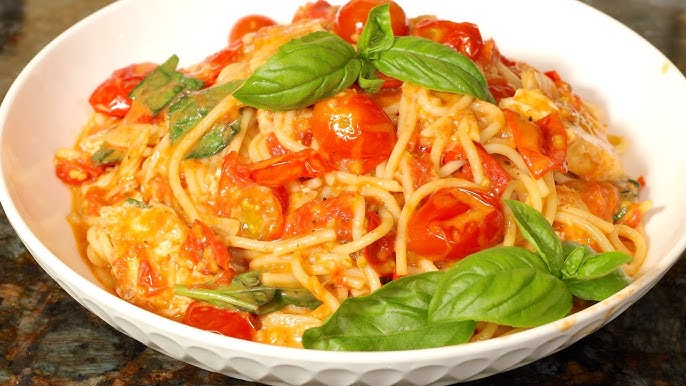
Tomato Pasta Recipe: Tomato pasta is the kind of comfort food that never goes out of style. Whether it’s a weeknight dinner or a cozy weekend meal, this dish is always a hit. Its charm lies in its simplicity—just a handful of ingredients, easy steps, and you’ve got a delicious bowl of rich, tangy, and satisfying pasta. But don’t let its simplicity fool you; getting that perfect balance of flavor takes just the right method.
People love tomato pasta because it’s versatile, affordable, and delicious. You can whip it up in 30 minutes or slow-simmer the sauce for a deeper, more developed flavor. You can add protein, veggies, or enjoy it as is. This guide breaks it all down in the easiest way possible. From the perfect ingredients to boiling pasta just right, we’ll walk through every detail.
So, whether you’re a beginner or a seasoned home cook, this step-by-step tomato pasta recipe will make sure your next meal is mouthwateringly good.
List of Ingredients You’ll Need
Getting the ingredients right is step one. The good news? Most of what you need is likely already in your kitchen.
Fresh Ingredients
- Ripe Tomatoes (if using fresh): Roma or plum tomatoes are best.
- Garlic – 2–3 cloves, minced.
- Onion – 1 small, finely chopped.
- Fresh Basil – A handful, chopped or whole for garnish.
Pantry Staples
- Pasta – Spaghetti, penne, or fusilli (about 400g for 4 servings).
- Olive Oil – Extra virgin preferred.
- Salt – For both pasta water and seasoning.
- Black Pepper – Freshly ground.
- Red Pepper Flakes (optional) – For a bit of heat.
- Canned Tomatoes (if not using fresh) – One 14oz (400g) can of crushed or whole peeled tomatoes.
Optional Add-ons
- Parmesan Cheese – Freshly grated for serving.
- Butter – Adds richness to the sauce.
- Sugar – A pinch to balance acidity, if needed.
- Vegetables – Mushrooms, spinach, or zucchini.
- Protein – Grilled chicken, shrimp, or sausage.
The beauty of tomato pasta lies in how customizable it is. You can make it as simple or as complex as you want depending on what’s available in your fridge or pantry.
Kitchen Tools You’ll Need
Before we jump into cooking, make sure your kitchen is equipped with the right tools. This helps keep things smooth and stress-free.
Basic Cooking Equipment
- Large Pot – For boiling pasta.
- Saucepan or Skillet – Deep enough to simmer the sauce.
- Colander – For draining the pasta.
- Cutting Board and Knife – For prepping fresh ingredients.
Helpful Tools for Efficiency
- Wooden Spoon or Spatula – To stir sauce without scratching pans.
- Garlic Press – Optional, but makes mincing garlic easier.
- Grater – For Parmesan or zesting ingredients.
- Measuring Cups and Spoons – To keep proportions accurate.
Having the right tools doesn’t mean fancy gadgets—just solid, reliable kitchen basics.
How to Choose the Right Pasta
Not all pasta is created equal when it comes to pairing with tomato sauce.
Pasta Shapes and Why They Matter
- Spaghetti – Classic and ideal for light, smooth sauces.
- Penne – Holds chunky sauce beautifully in its tubes.
- Fusilli or Rotini – Great for trapping thick sauce in the spirals.
- Tagliatelle or Fettuccine – Works best with creamier tomato sauces.
Choosing the right shape ensures that every bite has the perfect pasta-to-sauce ratio.
Gluten-Free or Whole Wheat Options
- Gluten-Free Pasta – Made from rice, corn, or legumes. Cook carefully—they break easily.
- Whole Wheat Pasta – Adds a nutty flavor and more fiber.
Pro tip: Always salt your pasta water like the sea—it’s the first layer of flavor!
Tomatoes: Fresh vs. Canned
Let’s clear up one thing: both fresh and canned tomatoes can make a delicious sauce. It just depends on what you’re after.
Which Type Gives the Best Flavor
- Fresh Tomatoes – Best in summer when they’re sweet and ripe. Use Roma, San Marzano, or heirloom varieties.
- Canned Tomatoes – Reliable year-round and perfect for a deep, rich sauce. Go for whole peeled for the best texture.
Best Brands for Canned Tomatoes
- San Marzano (D.O.P) – Gold standard for canned tomatoes.
- Mutti or Cento – Excellent supermarket options.
A good tomato base is key to making a tomato pasta that doesn’t taste watery or bland. Use quality here—it makes a big difference.
Step-by-Step Guide to Making Tomato Pasta
Ready to cook? Let’s break this down into simple, manageable steps.
Step 1: Boil the Pasta Correctly
Bring a large pot of water to a rolling boil and add a generous amount of salt. Add the pasta and cook according to the package instructions until al dente, meaning tender but still firm to the bite. Stir occasionally to prevent sticking. Reserve a small cup of pasta water, then drain the pasta and set aside.
Step 2: Prepare the Tomato Sauce
Heat olive oil in a pan over medium heat. Add minced garlic and sauté briefly until fragrant. Pour in crushed or chopped tomatoes and stir well. Season with salt, black pepper, and dried herbs such as basil or oregano. Let the sauce simmer for 10–15 minutes, stirring occasionally, until it thickens and the flavors develop.
Step 3: Combine Pasta and Sauce
Add the cooked pasta directly into the tomato sauce. Toss gently to coat the pasta evenly. If the sauce is too thick, add a little reserved pasta water to loosen it and create a silky texture.
Step 4: Add Final Touches
Taste and adjust seasoning if needed. Finish with fresh basil leaves, grated Parmesan cheese, or a drizzle of olive oil. Serve hot and enjoy a simple, comforting tomato pasta meal.
Flavor Boosting Tips
So, you’ve got your basic tomato pasta—but what if you want to take it from “pretty good” to “restaurant quality”? The secret lies in layering flavor and knowing a few tricks.
Herbs, Cheese, and Spices
- Fresh Basil: This herb is practically made for tomato pasta. Add it just before serving for that sweet, aromatic punch.
- Oregano & Thyme: Dried herbs work well during the simmer stage to infuse earthy tones.
- Parmesan Cheese: Use freshly grated Parmesan, not the pre-shredded kind—it melts better and tastes far superior.
- Red Pepper Flakes: Just a pinch can add the right amount of kick without overpowering the tomato flavor.
Secret Ingredients for More Depth
- Anchovy Paste: Just a dab adds umami without a fishy taste. Don’t knock it ’til you try it.
- A Splash of Balsamic Vinegar: Balances acidity and adds sweetness.
- Butter or Cream: A spoonful of butter at the end adds richness. For a creamy version, stir in a bit of heavy cream or mascarpone.
- Pasta Water: That starchy liquid helps create a cohesive sauce that clings to the pasta like a warm hug.
By playing around with these elements, you can tweak the flavor profile to match your mood or impress guests. It’s like jazz—improvise, but keep the rhythm.
Making it Vegan or Vegetarian
Tomato pasta is naturally vegetarian, but if you’re looking to go full vegan, it’s super easy with a few swaps that don’t compromise flavor.
Easy Substitutes
- Cheese: Use a plant-based Parmesan or skip it altogether. Nutritional yeast also gives a cheesy vibe.
- Butter: Swap with vegan butter or olive oil.
- Creamy Finish: Use unsweetened oat cream or coconut cream for that creamy texture.
Flavor Retention Without Meat
You don’t need meat to have deep flavor. Here’s how to build it:
- Sauté some mushrooms or eggplant in your sauce base.
- Add olives or capers for briny complexity.
- Use vegetable stock instead of pasta water if you want more depth.
You’d be surprised how rich and satisfying vegan tomato pasta can be—it doesn’t feel like you’re missing anything.
Tomato Pasta Variations
Bored of the same old version? No problem. Tomato pasta is one of those dishes you can remix endlessly. Here are a few popular (and delicious) ways to change it up:
Creamy Tomato Pasta
- Add a ¼ cup of cream or mascarpone cheese after simmering the sauce.
- Stir until it turns pink and velvety.
- Serve with fresh parsley or even a touch of lemon zest for brightness.
Spicy Arrabbiata Style
- Use more red pepper flakes and even a chopped chili.
- Keep the garlic generous—at least 4 cloves.
- Finish with fresh parsley instead of basil.
Tomato Basil with Mozzarella
- Add cherry tomatoes and sauté until blistered.
- Stir in torn mozzarella at the end so it melts just slightly.
- Top with basil leaves and a drizzle of olive oil.
There are endless variations—you can even make a baked pasta dish or turn it into a tomato-based lasagna filling. It’s all about what you’re craving.
How to Store and Reheat Leftovers
Leftovers? Lucky you! Tomato pasta stores and reheats beautifully—if done right.
Fridge Storage Tips
- Let the pasta cool completely before transferring to an airtight container.
- Store in the fridge for up to 4 days.
- Add a little olive oil or butter to the pasta before storing to keep it from drying out.
Reheating Without Drying It Out
- Reheat in a skillet over low-medium heat.
- Add a splash of water, broth, or even a bit of tomato sauce to bring it back to life.
- You can also microwave it, but be sure to cover with a lid or damp paper towel.
Avoid overcooking while reheating. You just want to warm it through—not turn it to mush.
Serving Suggestions
Sure, tomato pasta is a star on its own, but pairing it with the right sides can make your meal even better.
What to Serve with Tomato Pasta
- Garlic Bread: Crunchy, buttery, and perfect for sauce-dipping.
- Simple Salad: Think arugula with lemon vinaigrette or a classic Caesar.
- Roasted Veggies: Zucchini, bell peppers, or asparagus work well.
Garnishing Tips
- Add a swirl of olive oil before serving.
- Use freshly cracked black pepper on top.
- A sprinkle of chili flakes or lemon zest can brighten the whole dish.
Presentation matters—even the simplest meals feel special with the right finishing touches.
Tomato Pasta for Meal Prep
Looking to save time during the week? Tomato pasta is meal prep gold.
Make-Ahead Strategy
- Cook a big batch of sauce and refrigerate or freeze in portions.
- Boil pasta fresh and just toss with sauce, or make both ahead and combine when serving.
Freezer-Friendly Tips
- Let sauce cool completely before freezing.
- Use freezer-safe containers or zip bags.
- Label with date and reheat within 2–3 months.
This meal is great for batch cooking and busy weeknights when you want something comforting but quick.
Nutrition Breakdown
Tomato pasta is hearty but not too heavy—making it a relatively healthy choice if you keep portions balanced.
| Nutrient | Amount per Serving (Approx.) |
|---|---|
| Calories | 350–450 kcal |
| Protein | 10–15g |
| Carbohydrates | 50–60g |
| Fat | 10–15g |
| Fiber | 4–6g |
You can boost nutrition by using whole grain pasta, adding veggies, or including lean protein like grilled chicken.
Common Mistakes to Avoid
Even a simple recipe can go wrong if you’re not careful. Here are some frequent mistakes and how to dodge them.
Overcooking Pasta
- Always cook pasta al dente—it will finish cooking in the sauce.
- Test a piece a minute before the time on the package.
Acidic or Bland Sauce
- Taste your sauce before combining it with pasta.
- If it’s too sour, add a pinch of sugar or a dab of butter.
- Use enough salt—underseasoning is the #1 flavor killer.
Dry or Watery Texture
- Never rinse pasta after boiling—you’ll wash off the starch that helps bind the sauce.
- Always save some pasta water to adjust consistency if needed.
With these tips, you’ll avoid the common pitfalls and get perfect tomato pasta every time.
FAQs about Tomato Pasta Recipe
1. Can I use tomato paste instead of canned tomatoes?
Yes, but dilute it with water or broth. Tomato paste is very concentrated, so you’ll need to adjust for flavor and thickness.
2. How do I make the sauce less acidic?
Add a pinch of sugar, a splash of balsamic vinegar, or a pat of butter to mellow the acidity.
3. Can I freeze tomato pasta with the noodles already mixed in?
You can, but it’s better to freeze the sauce separately and boil pasta fresh for the best texture.
4. What’s the best pasta for kids?
Penne or fusilli work great—they’re fun shapes and easier for little hands to manage.
5. How do I make it spicy without overpowering it?
Add red pepper flakes gradually. Start with ¼ tsp, taste, and adjust. You can also stir in chili oil at the end.
Conclusion
Tomato pasta isn’t just a recipe—it’s a foundation you can build on for countless meals. It’s simple enough for beginners but flavorful enough to satisfy even the pickiest eaters. With just a few basic ingredients, the right technique, and a little bit of love, you’ll have a dish that’s worthy of seconds (and thirds). Whether you’re keeping it classic or adding your own twist, this step-by-step guide ensures your tomato pasta turns out perfect every single time.