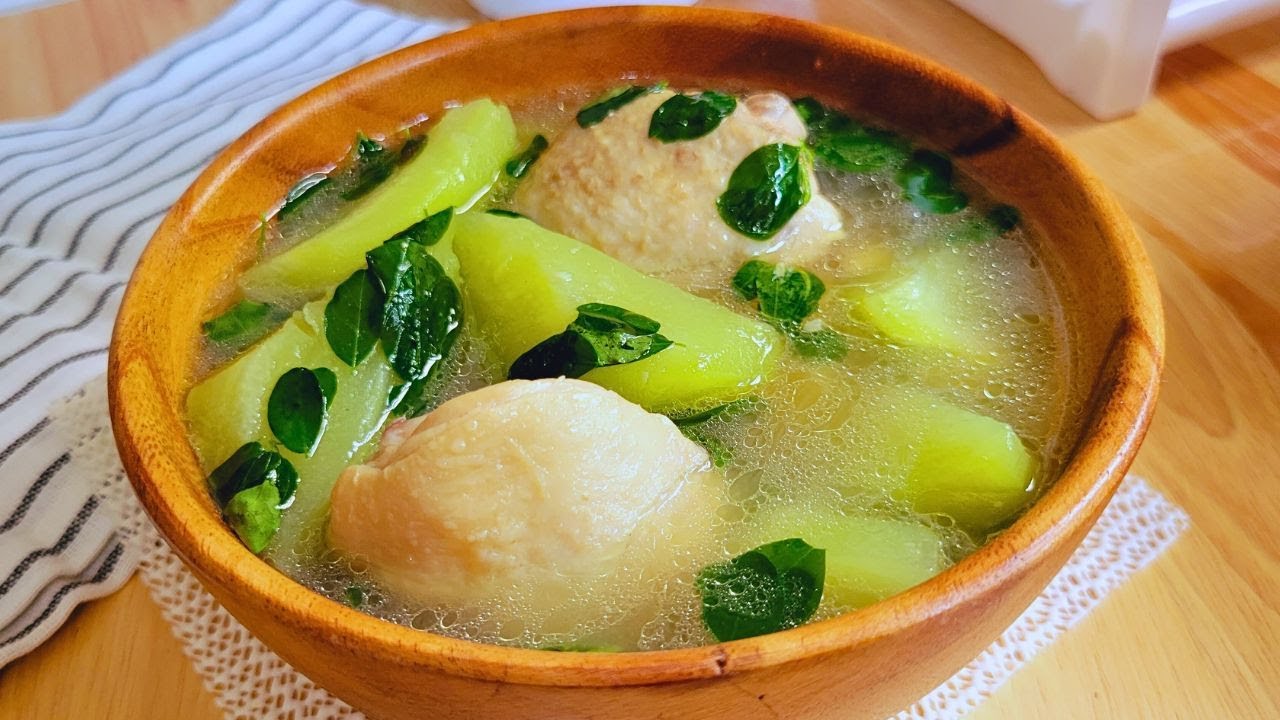
Tinolang Manok Recipe: There’s something about a hot bowl of Tinolang Manok that instantly brings comfort. Whether you’re feeling under the weather, coming home after a long day, or just craving something simple yet nourishing, this iconic Filipino chicken ginger soup hits the spot every single time.
Known for its light and savory broth, packed with nutritious ingredients like green papaya and malunggay, Tinola is a classic in every Filipino home—and today, you’re about to master it with this step-by-step guide.
What is Tinolang Manok?
Tinolang Manok is a traditional Filipino soup made with chicken, green papaya (or chayote), fresh ginger, and leafy greens like malunggay or chili leaves. The dish is known for its clean, light broth that’s infused with the warm aroma of ginger, garlic, and onions. It’s often served as a main dish alongside steamed white rice.
Unlike other heavier stews, Tinola is refreshing, simple, and nutritious—making it a perfect everyday meal. In fact, it’s so well-loved that it’s often the first dish Filipinos learn to cook!
Why Tinolang Manok is a Filipino Household Staple
What makes Tinolang Manok such a favorite? First, it’s affordable. The ingredients are common and easy to find, even outside the Philippines. Second, it’s customizable—you can switch out the vegetables or even the protein if you like. But most importantly, it brings a sense of home and nostalgia to many Filipinos.
This dish isn’t just food—it’s part of family dinners, rainy-day meals, and comfort during sickness. It’s the Filipino version of chicken soup for the soul.
List of Ingredients You’ll Need
Before diving into the cooking steps, let’s round up everything you’ll need. Gather these ingredients so you can move smoothly through the recipe.
Main Ingredients
- 1 whole chicken (cut into serving pieces) – Preferably bone-in for more flavor
- 1 medium green papaya – Peeled, deseeded, and sliced into wedges
- 1 thumb-sized piece of ginger – Julienned or sliced thin
- 5 cloves garlic – Minced
- 1 medium onion – Sliced
- 1-2 tablespoons cooking oil
- 6 cups water or chicken broth
- 2 cups malunggay leaves – You can substitute chili leaves or spinach
- Fish sauce or salt – To taste
- Ground black pepper – To taste
Optional Add-ons
- Chili leaves (dahon ng sili) – Traditional in many regions
- Sayote (chayote) – Alternative to papaya
- Lemongrass (tanglad) – For extra aroma
- Green chili peppers (siling haba) – For a hint of spice
Kitchen Tools You’ll Need
- Large cooking pot or deep pan
- Chopping board and knife
- Wooden spoon or ladle
- Measuring cups and spoons
- Bowl for prepping veggies
Keeping your tools ready will help make your cooking process more efficient and enjoyable.
Choosing the Right Chicken Cut for Tinola
While you can technically use any part of the chicken, bone-in cuts like thighs, drumsticks, or even wings give Tinola that signature richness. The bones infuse the broth with deep flavor as they simmer.
If you prefer a healthier version, skinless chicken breast can also work—but keep in mind, the broth may come out lighter in taste. Many home cooks love using a combination of dark and white meat for a balanced flavor and texture.
How to Pick the Best Green Papaya or Sayote
The vegetable component in Tinola gives it heartiness and mild sweetness. Green papaya is traditional, but not always available, especially abroad. If that’s the case, sayote (chayote) is your best substitute.
When selecting green papaya:
- Look for firm texture
- Avoid yellowing skin (that means it’s ripening)
- It should feel heavy and solid
Peel it carefully and remove the seeds before slicing. For sayote, just wash, peel, and slice—no seeds to worry about.
Benefits of Using Malunggay Leaves (or Alternatives)
Malunggay, or moringa leaves, are known as a superfood in the Philippines. They’re rich in vitamins A, C, calcium, and antioxidants. Beyond nutrition, they add a fresh, earthy flavor to the soup.
Can’t find malunggay? No problem.
Here are some great substitutes:
- Chili leaves (dahon ng sili) – Spicy and slightly bitter
- Spinach – Milder, but still nutritious
- Kangkong (water spinach) – Common in many Asian markets
Always add the leaves at the end of cooking so they stay fresh and don’t overcook.
Step-by-Step Guide to Cooking Tinolang Manok
Time to roll up those sleeves and cook! Follow this step-by-step guide to create an authentic, comforting bowl of Tinola.
Step 1: Prep All Ingredients
Start by preparing everything:
- Cut the chicken into pieces
- Peel and slice the papaya
- Wash the malunggay leaves
- Slice the onion, mince the garlic, and julienne the ginger
It helps to group ingredients by step for easier cooking.
Step 2: Sauté the Aromatics
Heat oil in a large pot over medium heat. Sauté the garlic, ginger, and onion until fragrant and slightly golden. This step builds the flavor foundation of the dish—don’t rush it!
Step 3: Add the Chicken and Sear
Toss in the chicken pieces. Let them brown slightly on all sides. Searing locks in flavor and gives the soup a richer depth.
Step 4: Pour Water and Simmer
Add 6 cups of water or chicken broth. Bring it to a boil, then lower to a gentle simmer. Skim off any scum or oil floating on top. Simmer for 30-40 minutes, or until the chicken is fully cooked and tender.
Step 5: Add Green Papaya and Simmer Again
Now add the sliced green papaya. Let it simmer for 5-10 minutes until the papaya is fork-tender but not mushy.
Step 6: Add Malunggay Leaves and Season
Throw in the malunggay leaves and stir gently. Season the soup with fish sauce, salt, and black pepper. Keep it subtle—Tinola is not meant to be overly salty.
Step 7: Taste and Adjust
Taste your broth. Need more salt? A dash of fish sauce or a pinch of salt can fix it. Want more warmth? Add more ginger slices. Tinola is all about adjusting to your taste.
Tips for Making Tinolang Manok More Flavorful
Tinolang Manok may look simple, but getting that sarap na sabaw (delicious broth) takes a bit of care and know-how. Here are some pro tips to level up your tinola game:
- Use bone-in chicken – The bones add depth to the broth. Simmering them slowly releases collagen, which gives the soup a richer texture.
- Don’t skip ginger – Ginger is the soul of Tinola. Use fresh slices and don’t be afraid to go heavy—it gives the soup its signature warm kick.
- Fish sauce for umami – While salt works, fish sauce brings a depth of umami you can’t replicate. Add it little by little, tasting as you go.
- Simmer, don’t boil – Boiling too hard can make the chicken rubbery and cloudy the broth. Keep the heat low for a clear, clean soup.
- Add lemongrass – For an aromatic twist, add crushed lemongrass stalks while simmering. It gives the soup a subtly citrusy fragrance.
- Finish with fresh greens – Add malunggay or other leafy greens just before serving. This keeps them vibrant and packed with nutrients.
You can also drizzle a few drops of calamansi juice or squeeze some lemon on top for a bright, zesty contrast.
Common Mistakes to Avoid When Cooking Tinola
Even with a simple dish like Tinolang Manok, a few mistakes can affect the final taste and texture. Let’s break down what to watch out for:
- Using overripe papaya – Always use green, unripe papaya. Ripe papaya will turn mushy and sweet, which throws off the balance.
- Skipping the sautéing step – Sautéing garlic, onion, and ginger is crucial. This is where the magic starts. Don’t just boil everything all at once.
- Overcooking the greens – Whether you’re using malunggay, spinach, or chili leaves, toss them in just before turning off the heat. Overcooking leads to wilted, dull greens.
- Not seasoning properly – Tinola is meant to be light, but it should still be flavorful. Under-seasoning can make it bland. Use fish sauce, salt, or bouillon as needed.
- Boiling too fast – A gentle simmer helps extract flavors without making the chicken dry. Rapid boiling toughens meat and clouds the broth.
Avoiding these simple pitfalls ensures your Tinola is as good as your lola’s (grandma’s) recipe—if not better.
Variations of Tinolang Manok Across the Philippines
While the classic Tinola recipe uses chicken, green papaya, and malunggay, different regions in the Philippines have their own versions of this beloved dish. Let’s explore a few:
- Tinolang Isda (Fish Tinola) – In Visayas and Mindanao, fish like bangus or tilapia is used instead of chicken. It’s lighter but equally comforting.
- Tinolang Baboy (Pork Tinola) – Some households swap chicken with pork ribs or pork belly, adding a richer flavor to the broth.
- With Lemongrass or Ginger Leaves – Some provinces add crushed lemongrass or even ginger leaves for an aromatic twist.
- Spicy Tinola – Chili peppers (siling haba) are sometimes added for heat. This version is popular in Bicol and parts of Mindanao.
- Tinola with Sayote – Instead of papaya, many home cooks use sayote (chayote), especially when papaya is not in season.
These variations prove how versatile and beloved Tinolang Manok is—it evolves with the ingredients available and the tastes of the cook.
Is Tinolang Manok Healthy?
Absolutely! Tinolang Manok is not just delicious—it’s packed with nutrients and can be part of a balanced diet.
Here’s why:
- Lean protein from chicken helps with muscle repair and energy.
- Ginger has anti-inflammatory properties and helps with digestion.
- Malunggay is a superfood rich in calcium, iron, and vitamins A and C.
- Green papaya aids digestion and is low in calories.
- Low fat content makes it heart-friendly if you use skinless chicken and minimal oil.
If you’re looking for a light, nutritious meal that fills you up without being heavy, Tinolang Manok is a top-tier choice.
Perfect Side Dishes for Tinola
While Tinolang Manok is already complete on its own, pairing it with the right side dish can elevate your meal. Here are some Filipino staples that go perfectly with Tinola:
1. Steamed White Rice
The classic combo. Tinola’s savory broth is meant to be poured over hot rice—it’s a match made in heaven.
2. Fried or Grilled Fish
Balance the mild soup with something crispy or smoky, like daing na bangus (fried milkfish) or inihaw na tilapia (grilled tilapia).
3. Salted Eggs and Tomatoes
A tangy, salty salad made from itlog na maalat and fresh tomatoes gives a great contrast to Tinola’s lightness.
4. Fried Tofu or Tokwa’t Baboy
Crunchy tofu or a tangy tofu and pork dish pairs well and adds texture.
5. Banana Cue or Turon (for dessert!)
After a hearty meal, a sweet banana treat rounds things out Filipino-style.
How to Store and Reheat Leftover Tinolang Manok
Made a big batch? No problem. Tinola keeps well in the fridge and is just as good (if not better) the next day.
Storing Tips:
- Let Tinola cool down completely before transferring to airtight containers.
- Store in the fridge for up to 3 days.
- For longer storage, freeze for up to 2 weeks—just remove the greens first as they don’t freeze well.
Reheating Tips:
- Reheat on the stove over medium heat. Add a splash of water or broth if it’s too thick.
- If using a microwave, transfer to a microwave-safe bowl and heat in 1-minute increments, stirring in between.
Avoid reheating multiple times to preserve the best flavor and texture.
FAQs about Tinolang Manok Recipe
1. Can I use chicken breast only?
Yes, but bone-in pieces give the best flavor. If using breast, consider adding chicken bouillon for a deeper taste.
2. What if I don’t have green papaya?
Sayote (chayote) is a perfect substitute. You can also use zucchini or upo (bottle gourd) in a pinch.
3. Can I cook Tinola in a pressure cooker?
You can, but it’s best done the traditional way to keep the chicken tender and the veggies from overcooking.
4. Is Tinola good for when you’re sick?
Definitely. It’s light, warm, and full of ginger and nutrients—like Filipino penicillin!
5. Can I make Tinolang Manok spicy?
Yes! Add chili peppers while simmering, or serve with fish sauce and chopped chili on the side.
Conclusion
Tinolang Manok is more than just a dish—it’s Filipino warmth in a bowl. It’s a celebration of simple ingredients coming together to make something truly satisfying. Whether you’re new to Filipino cuisine or craving a taste of home, this soup delivers comfort, flavor, and nutrition with every spoonful.
With this step-by-step guide, you’re now ready to cook Tinola like a pro. Serve it on a rainy day, during family dinners, or just when you need a bowl of something nourishing and delicious. Trust us—once you try it, it’ll become a staple in your kitchen too.