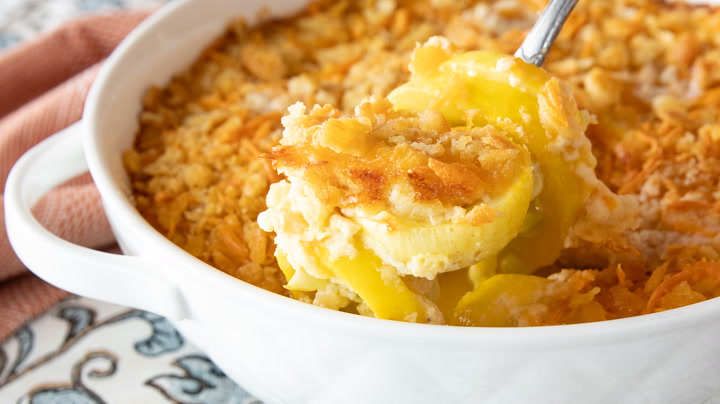
Summer Squash Recipe: When summer hits, there’s one vegetable that takes the spotlight: summer squash. Whether it’s yellow squash, zucchini, or any of its tender varieties, summer squash is versatile, flavorful, and insanely easy to cook with. It’s the kind of veggie that doesn’t need much to shine — just a little oil, seasoning, and love. In this guide, we’re diving deep into the world of summer squash with a full breakdown of ingredients, expert cooking tips, and a foolproof step-by-step recipe that’ll help you master it like a pro.
This isn’t just a throw-in-the-pan kind of tutorial — we’re walking you through everything from selecting the best squash to different cooking methods like sautéing, roasting, grilling, and even stuffing. Ready to impress your friends, family, or just treat yourself to a healthy, summery meal? Let’s get into it.
List of Ingredients You’ll Need
To get started with your summer squash recipe, you’ll want to make sure you’ve got everything ready to go. The good news? You probably already have most of these ingredients in your kitchen. Here’s your grocery checklist:
Basic Ingredients
- 2 medium summer squash (zucchini or yellow squash)
- 1 tablespoon olive oil or butter
- Salt (to taste)
- Black pepper (to taste)
Optional Ingredients for Flavor Boost
- 2 cloves garlic (minced)
- ½ teaspoon red pepper flakes
- 1 tablespoon chopped fresh herbs (parsley, basil, or thyme)
- 1 tablespoon lemon juice or vinegar
- ¼ cup grated parmesan or feta cheese
Tools You’ll Need
- Cutting board and knife
- Large skillet or sauté pan
- Wooden spoon or spatula
- Optional: Baking sheet (for roasting), Grill or grill pan (for grilling)
Pro tip: If you’re making a variation like roasted or grilled squash, your tools and seasonings might change slightly, but the foundation stays the same.
Understanding Summer Squash
Summer squash isn’t just one thing—it’s a family of soft-skinned vegetables harvested while still immature, which gives them their tender texture and mild flavor. Common varieties include:
- Zucchini: The most popular, with a slightly sweet taste and green skin.
- Yellow squash: Either straight-neck or crookneck, with a brighter flavor.
- Pattypan squash: Small and round with scalloped edges, great for stuffing or roasting.
Nutritionally, summer squash is a win. It’s low in calories, high in water content, and loaded with vitamin C, potassium, fiber, and antioxidants. This makes it ideal if you’re trying to eat healthier, add more vegetables to your diet, or just make a dish that’s both filling and light. Plus, it’s super versatile—it takes on the flavors you cook it with and plays well in all kinds of recipes.
Choosing the Best Summer Squash
Picking the right squash can make or break your dish. Here’s how to make sure you’re getting the good stuff:
What to Look For:
- Firm to the touch — no mushy spots or soft ends
- Smooth, shiny skin without blemishes or wrinkling
- Small to medium size — large ones tend to be more watery and seedy
What to Avoid:
- Dull or discolored skin
- Large bulges or deep scratches
- Overripe squash (especially those with hard skin)
When shopping at a farmer’s market, don’t be afraid to ask the vendors for their freshest pick of the day. Freshness matters—a lot.
Storage Tips:
- Keep squash unwashed in the fridge in a breathable bag
- Best used within 3–5 days of purchase for top flavor and texture
Preparing Summer Squash Before Cooking
Now that you’ve got your squash, it’s time to prep. This step is simple, but a few small tweaks can seriously upgrade your final result.
- Wash thoroughly under cool water to remove any dirt or residue.
- Peeling? Usually not needed — the skin is edible and full of nutrients.
- Slice it up depending on your dish:
- Rounds for quick sauté or roasting
- Half-moons for more surface area
- Spirals if you’re making squash noodles (aka zoodles)
- Chunks for grilling or stuffing
- Optional but helpful: Salt the squash slices and let them sit for 10 minutes. This draws out excess water, which you can blot with a paper towel to avoid soggy results.
Step-by-Step Guide: Simple Sautéed Summer Squash Recipe
Now for the good part—let’s get cooking! This sautéed summer squash recipe is as simple as it gets, but don’t mistake “simple” for boring. With the right technique, you’ll end up with golden, flavorful squash that’s soft in the center and slightly crisp on the edges. Here’s how to do it step-by-step.
Step 1: Gather Your Ingredients and Prep the Squash
Start by washing your squash thoroughly. No need to peel it—just cut off the ends. Then, slice it into even rounds or half-moons depending on your preference. Keep the slices about ¼-inch thick for even cooking.
Mince your garlic, chop your herbs, and get your seasonings ready. Having everything prepped ahead of time makes the process smoother and faster.
Step 2: Heat Your Pan/Skillet
Place a large skillet over medium-high heat. It’s important to let the pan get hot before adding anything—this helps prevent soggy squash and gets that nice sear we want.
Step 3: Add Oil and Aromatics
Once the pan is hot, add about a tablespoon of olive oil or butter. Let it heat up for 30 seconds. If you’re using garlic or red pepper flakes, add them now. Sauté for about 30 seconds until fragrant. Be careful not to burn the garlic!
Step 4: Add and Cook the Squash
Add your squash slices in a single layer. If your pan isn’t big enough, cook in batches. You don’t want to overcrowd the pan—that causes steaming instead of searing.
Let the squash sit undisturbed for 2–3 minutes before stirring. This gives them time to brown. Then stir occasionally, cooking for another 5–7 minutes until they’re tender and golden on the edges.
Step 5: Season and Taste
Sprinkle with salt, pepper, and your chopped herbs. Add a squeeze of lemon juice for brightness. Taste and adjust seasoning as needed.
Step 6: Garnish and Serve
Top with grated parmesan or crumbled feta cheese if desired. Serve hot as a side dish or even as a main with rice, pasta, or a protein of your choice.
That’s it! Simple, flavorful, and ready in under 20 minutes.
Variations on the Classic Recipe
Once you’ve mastered the basic sauté, you can start having fun with it. Summer squash is a blank canvas that pairs well with a variety of flavors and add-ins. Try these variations to mix things up:
Garlic & Onion Combo
Add thinly sliced onions with the garlic at the start. They’ll caramelize slightly and add a sweet, savory base that complements the squash perfectly.
Cheesy Squash
Once your squash is cooked, remove the pan from heat and sprinkle in some grated parmesan or feta. It melts slightly and adds richness without overpowering the dish.
Add Tomatoes or Peppers
Toss in halved cherry tomatoes or diced bell peppers in the last few minutes of cooking. They’ll add color, acidity, and sweetness.
Butter Instead of Oil
For a richer flavor, sauté in butter instead of olive oil. Or use a mix of both!
These little tweaks can take your dish from everyday to restaurant-worthy with almost no extra effort.
Roasted Summer Squash Alternative
Prefer using the oven? Roasting summer squash is another fantastic way to bring out its natural sweetness and get crispy edges.
How to Do It:
- Preheat oven to 425°F (220°C).
- Slice squash into rounds or half-moons.
- Toss with olive oil, salt, pepper, and any dried herbs (like oregano or thyme).
- Spread in a single layer on a baking sheet—don’t crowd them!
- Roast for 20–25 minutes, flipping halfway through, until golden and tender.
Roasting concentrates the flavors and gives the squash a slightly nutty, caramelized edge. It’s perfect as a side dish or tossed into salads, pastas, or bowls.
Grilled Summer Squash Recipe
Grilled squash screams summer. It’s smoky, tender, and looks beautiful with grill marks. Plus, it takes just a few minutes!
How to Grill It:
- Cut squash lengthwise into ¼-inch thick strips.
- Brush with olive oil and season with salt and pepper.
- Preheat the grill to medium-high and oil the grates.
- Grill for 2–3 minutes per side or until grill marks appear and the squash is tender.
- Serve with a drizzle of balsamic glaze or a sprinkle of fresh herbs.
Grilled squash pairs perfectly with grilled meats or can be chopped and tossed into grain bowls or wraps.
Stuffed Summer Squash Recipe
Feeling a little fancy? Try stuffing your squash for a show-stopping main dish that’s both healthy and hearty.
How to Make It:
- Cut medium squash in half lengthwise.
- Scoop out the center with a spoon to create a “boat.”
- Brush with olive oil and bake at 375°F (190°C) for 10 minutes to soften slightly.
- Meanwhile, prepare your stuffing:
- Veggie version: sautéed onions, tomatoes, rice, herbs, and cheese
- Meat version: cooked ground turkey or beef, tomato sauce, herbs
- Fill squash halves with the mixture and top with cheese.
- Return to oven and bake for another 15–20 minutes until bubbly and golden.
Stuffed squash is a great way to turn a humble veggie into a complete meal.
Tips for Making the Perfect Summer Squash Dish
- Don’t overcook. Squash can turn mushy fast. Aim for tender-crisp, not limp.
- Use high heat. Whether sautéing or roasting, high heat helps develop flavor and texture.
- Balance flavors. A squeeze of lemon or splash of vinegar adds brightness and cuts richness.
- Add fresh herbs at the end. Cooking them too early can dull their flavor.
- Season in layers. Add salt early, then taste and adjust before serving.
These simple tips can level up even the most basic squash recipe.
What to Serve with Summer Squash
Summer squash is incredibly versatile, which means it pairs well with all kinds of dishes. Whether you’re making it the star of the show or serving it as a side, here are some tasty pairing ideas to round out your meal:
Main Dishes to Serve With Squash
- Grilled chicken or fish – The lightness of grilled protein complements the fresh flavor of squash perfectly.
- Steak or pork chops – For a heartier pairing, try a pan-seared or grilled cut of meat.
- Pasta – Toss sautéed squash into pasta with olive oil, garlic, and parmesan for an easy summer pasta.
- Rice or grain bowls – Use cooked quinoa, couscous, or brown rice as a base and top it with roasted squash, chickpeas, and a tangy dressing.
- Tacos or wraps – Grilled squash slices fit perfectly in tortillas with black beans, avocado, and a drizzle of lime crema.
Side Dishes that Work Well
- Fresh salads – Think arugula, cherry tomatoes, and lemon vinaigrette.
- Roasted potatoes – The crispiness of potatoes complements the softness of squash.
- Grilled corn on the cob – A summer favorite that pairs wonderfully with squash’s mild flavor.
- Garlic bread or flatbread – Ideal if you’re serving squash with a saucy main.
Drink Pairings
- White wine – Crisp varieties like Sauvignon Blanc or Pinot Grigio.
- Sparkling water with citrus – Light and refreshing, perfect for a summer table.
- Iced tea or lemonade – Especially if your dish leans more savory or spicy.
Squash may be simple, but paired right, it can elevate your whole meal.
Storage and Leftovers
You made more squash than you can eat in one sitting? No problem. Here’s how to store it properly so it stays fresh and flavorful for later.
Storing Cooked Squash
- Let it cool to room temperature.
- Transfer to an airtight container.
- Store in the refrigerator for up to 3–4 days.
Reheating Tips
- Microwave: 30–60 seconds on high, but be careful not to overheat — it can get mushy.
- Skillet: Warm over medium heat with a splash of oil to revive the texture.
- Oven: Reheat at 350°F (175°C) for 10 minutes for roasted versions.
Can You Freeze It?
You can freeze cooked summer squash, but it does change in texture. Expect it to be softer and more watery after thawing.
- Freeze in single layers on a baking sheet first (flash freeze), then transfer to a freezer bag.
- Label with date and use within 2–3 months.
- Best for soups, casseroles, or sauces after freezing.
Common Mistakes to Avoid
Even the simplest recipes can go wrong with a few small missteps. Here’s what to look out for:
1. Overcrowding the Pan
When sautéing or roasting, avoid packing the squash slices too tightly. This traps steam and prevents them from browning. Always cook in batches if necessary.
2. Using Low Heat
Low heat = soggy squash. High heat gives you those golden edges and locks in flavor.
3. Overseasoning
Squash has a naturally mild flavor. Too much salt or spice can overpower it. Start small and taste as you go.
4. Skipping the Prep
Not salting and draining squash before cooking can lead to a watery mess, especially in recipes like stir-fries or stuffed squash.
5. Not Drying It After Washing
Excess water can prevent browning. Pat the slices dry before cooking.
Avoiding these mistakes ensures your squash dish turns out tender, flavorful, and beautifully golden every single time.
Nutritional Breakdown of a Serving
Summer squash isn’t just tasty—it’s also packed with nutrients. Here’s a general breakdown for one cup of sautéed summer squash (without cheese or heavy add-ins):
| Nutrient | Amount |
|---|---|
| Calories | ~60 kcal |
| Protein | ~2 grams |
| Carbohydrates | ~7 grams |
| Fiber | ~2 grams |
| Fat | ~3 grams |
| Vitamin C | 25% DV |
| Potassium | 15% DV |
| Vitamin B6 | 10% DV |
Healthy Eating Tips
- Use olive oil instead of butter to keep it heart-healthy.
- Add legumes or whole grains for a more filling, balanced meal.
- Top with fresh herbs instead of cheese to keep calories low.
Whether you’re counting macros, eating clean, or just trying to get more veggies in your diet, summer squash checks all the boxes.
FAQs about Summer Squash Recipe
1. Can I use frozen squash instead of fresh?
Yes, but fresh squash has better texture. If using frozen, thaw and drain it well to avoid sogginess.
2. How do I keep squash from getting mushy when cooking?
Use high heat, avoid overcrowding the pan, and don’t overcook it. Let it sear without stirring too often.
3. What’s the best oil to cook summer squash in?
Olive oil is a great choice for flavor and health, but avocado oil or butter works too.
4. Is this recipe good for meal prep?
Absolutely. Sautéed or roasted squash keeps well in the fridge for up to 4 days and reheats easily.
5. Can I use this recipe with other vegetables?
Yes! Try it with bell peppers, eggplant, cherry tomatoes, or mushrooms for a delicious medley.
Conclusion
Summer squash is one of those kitchen staples that just keeps giving. It’s fast to cook, full of flavor, and plays well with almost any dish. Whether you’re sautéing it up for a quick weeknight dinner, roasting it for meal prep, or stuffing it for a fancy weekend meal, there’s a method for every mood and skill level.
You’ve now got the step-by-step know-how to pick the best squash, prep it properly, cook it like a pro, and even experiment with new variations. So what are you waiting for? Grab a few fresh squash and give one of these methods a try—you might just discover your new favorite summer recipe.