Sugar Frosting Recipe: If you’ve ever admired the smooth, sweet finish on a cupcake or the beautiful swirl topping on a birthday cake, you’re already familiar with sugar frosting. It’s that magical layer that elevates any baked good from plain to unforgettable. But guess what? You don’t need to be a pro baker to make it yourself! Sugar frosting is one of the easiest, most rewarding things you can whip up in your kitchen. Whether you’re decorating cupcakes for a party or just making your favorite snack a bit fancier, mastering sugar frosting is a game-changer.
In this guide, I’ll walk you through every step — from ingredients to expert tricks — so you can confidently make fluffy, sweet, and dreamy frosting that’s perfect every time. Ready to sweeten things up?
Types of Sugar Frosting
Before diving in, let’s explore the different kinds of sugar frosting. Not all frostings are created equal, and knowing which one to use can make or break your dessert.
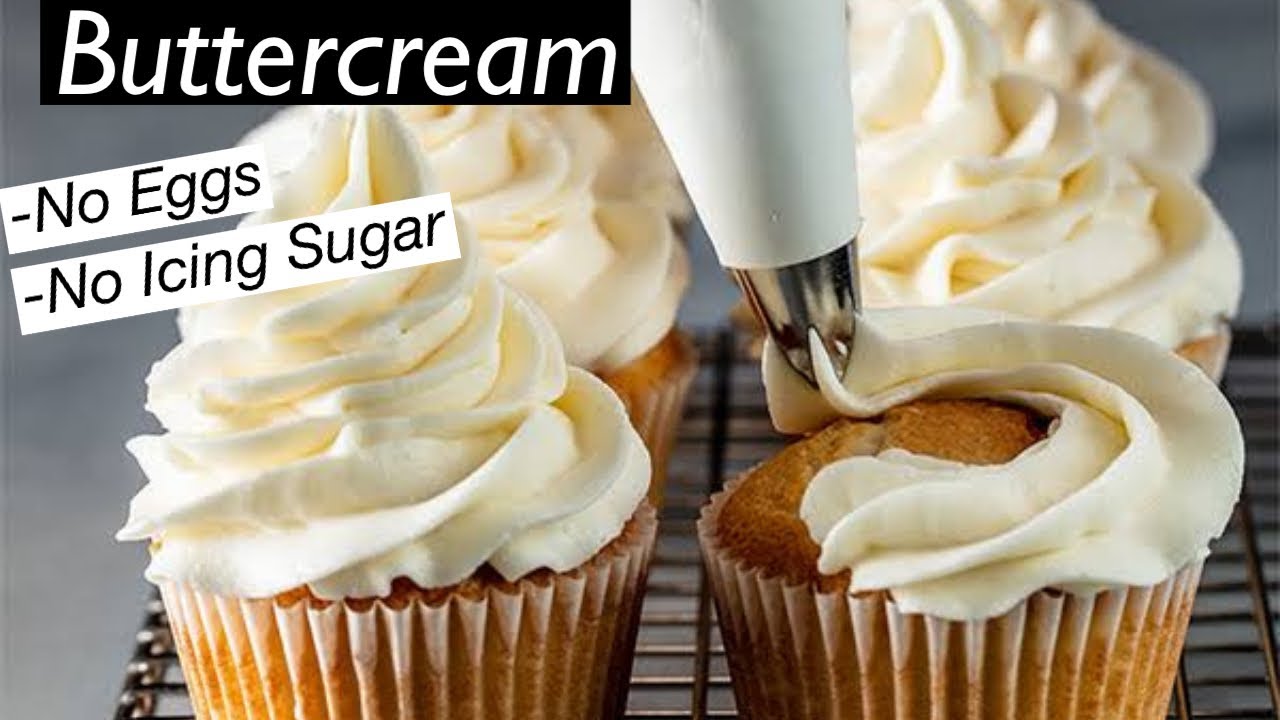
Buttercream Frosting
This is the classic go-to. Made with butter and powdered sugar, it’s smooth, creamy, and pipes beautifully. You can flavor it with anything from vanilla to strawberry puree.
Glaze
A simple mixture of sugar and liquid (like milk or juice), glaze is runnier and usually drizzled over donuts, bundt cakes, and cookies.
Royal Icing
Made with powdered sugar and egg whites (or meringue powder), royal icing hardens to a smooth finish. It’s perfect for cookies and detailed decorating.
Cream Cheese Frosting
Combines the tang of cream cheese with the sweetness of sugar. It’s a favorite on carrot cake and red velvet cake.
Choosing the right type depends on the dessert and the look or taste you’re going for.
List of Ingredients You’ll Need
Let’s get down to the essentials. Here’s what you’ll typically need for a classic sugar frosting:
Basic Ingredients:
- Powdered sugar (also known as confectioners’ sugar) – 2 to 3 cups
- Unsalted butter – 1/2 cup (softened)
- Milk or heavy cream – 1 to 2 tablespoons
- Vanilla extract – 1 teaspoon
- Salt – A pinch (optional, enhances flavor)
Optional Add-ons:
- Cream cheese – for cream cheese frosting
- Almond extract – for a nutty flavor
- Food coloring – for a colorful twist
- Cocoa powder – for chocolate frosting
- Fruit puree – for fruity versions like strawberry or raspberry
These ingredients are easy to find and most are already in your pantry. Keep reading for exact measurements and how to bring them all together!
Tools Required
No fancy equipment needed here! But having the right tools makes your frosting journey smoother.
Must-Have Tools:
- Mixing bowl
- Hand mixer or stand mixer
- Rubber spatula
- Measuring cups & spoons
- Sifter (for powdered sugar)
Helpful Extras:
- Piping bags and tips (for decorating)
- Offset spatula (for smooth application)
- Food-safe gloves (if working with coloring)
Don’t worry if you don’t have a mixer — you can still make frosting with a strong arm and a whisk, though it takes more time.
Choosing the Right Sugar
Let’s clear up a common mistake: not all sugars work well for frosting.
Powdered Sugar:
This is your best friend for smooth, lump-free frosting. It dissolves easily and blends into a silky texture.
Granulated Sugar:
Nope — this won’t work for traditional sugar frosting. It doesn’t dissolve easily and gives a gritty texture. Save this for cookies and cakes.
Brown Sugar:
Only used in special types of frosting, like caramel or brown butter versions.
Stick to confectioners’ sugar (a.k.a icing sugar or 10X sugar) for the best results.
Secret to Perfect Consistency
Ever made frosting that was too runny or too stiff? You’re not alone. Here’s how to nail the perfect texture every time.
- Too Thick? Add milk or cream, one teaspoon at a time.
- Too Runny? Add more powdered sugar, a tablespoon at a time.
- Too Sweet? Add a pinch of salt or a bit more butter.
Perfect frosting should be spreadable but firm enough to hold its shape. It shouldn’t drip or slide off your baked goods.
Step-by-Step Guide to Making Classic Sugar Frosting
Classic sugar frosting is simple, smooth, and perfect for cakes and cupcakes. Follow these steps for a fluffy, spreadable finish every time.
Step 1: Sifting the Sugar
Sift powdered sugar before mixing to remove lumps and create a silky frosting. This step prevents graininess and helps the sugar blend easily with butter. Use a fine-mesh sieve or a flour sifter and sift directly into your mixing bowl for best results.
Step 2: Softening the Butter
Use butter that is soft but not melted. It should hold its shape yet dent easily when pressed. Leave it at room temperature for about 30–45 minutes. Margarine can be used, but butter gives better flavor and structure.
Step 3: Mixing the Base
Beat the softened butter on medium speed for 2–3 minutes until creamy and pale. Gradually add the sifted sugar, mixing slowly at first to avoid a sugar cloud. Increase speed and beat until fully combined and smooth.
Step 4: Adding Flavor
Add vanilla extract for classic flavor, or try almond, lemon, or coconut extract for variety. Flavored extracts can slightly tint the frosting, so start small and taste as you go.
Step 5: Adjusting Texture
Add milk or cream one tablespoon at a time until you reach your desired consistency. Less liquid creates a firm frosting for piping, while more gives a softer, spreadable texture.
Step 6: Coloring Your Frosting
Use gel food coloring for vibrant shades without thinning the frosting. Add a small amount using a toothpick and mix well. You can always add more, but you can’t take it out.
Step 7: Storing & Reusing Frosting
Store frosting in an airtight container in the fridge for up to 5 days. Freeze for up to 3 months, then thaw overnight and rewhip before using.
Creative Ways to Use Sugar Frosting
Sugar frosting isn’t just for cakes — it’s super versatile. Let your creativity shine!
Here are some fun ways to use it:
- Cupcakes – swirl on top with a piping bag.
- Sugar cookies – frost and decorate with sprinkles.
- Brownies – add a thin layer for a sweet twist.
- Doughnuts – use glaze-style frosting for a quick dip.
- Fruit dip – yes, really! Whip in a little cream cheese and serve with strawberries.
You can also use frosting as a filling between cookies or cake layers, or mix it into other desserts for extra flavor and texture.
Common Mistakes to Avoid
Even experienced bakers can run into trouble with sugar frosting. Let’s save you the hassle!
Top mistakes to watch out for:
- Skipping the sifting: Leads to lumpy frosting.
- Cold butter: Won’t mix properly, causing a chunky texture.
- Over-mixing: Can make frosting too airy or unstable.
- Adding too much liquid at once: Turns it into a runny mess.
- Using low-quality ingredients: It really does affect taste and texture.
Remember, frosting is both an art and a science — so take your time, follow the steps, and don’t be afraid to tweak things.
Pro Tips for Beginners
Just getting started with frosting? Here are some insider tips to help you frost like a pro:
Helpful tips:
- Chill your mixing bowl if you live in a warm climate — it keeps the butter from melting.
- Use a spatula to smooth out air bubbles after mixing.
- Practice piping on parchment paper before decorating your cake.
- Use toothpicks to adjust food coloring slowly and avoid over-coloring.
- Taste as you go! You’re the chef — make sure it’s perfect for your liking.
You’ll get better each time you make it. Don’t stress if it’s not perfect on your first try — frosting is super forgiving.
FAQs about Sugar Frosting Recipe
1. Can I make sugar frosting without butter?
Yes! You can substitute butter with margarine or vegetable shortening, though the flavor and texture will change slightly.
2. How do I fix frosting that’s too runny?
Just add more powdered sugar, a little at a time, until it thickens to your desired consistency.
3. Is powdered sugar the same as icing sugar?
Yes, in most countries, they’re the same thing. Look for “confectioners’ sugar” as well — it’s all the same fine sugar.
4. Can I use sugar frosting under fondant?
Absolutely. A smooth buttercream layer works perfectly under fondant and helps it stick.
5. How do I make chocolate sugar frosting?
Just add 1/3 cup of unsweetened cocoa powder to the sugar before mixing. You can also add melted chocolate for a richer version.
Conclusion
Sugar frosting is the ultimate finishing touch to so many desserts. Whether you’re keeping it classic with vanilla or experimenting with bold colors and flavors, making your own frosting opens up a world of creativity in the kitchen. With just a few simple ingredients and the step-by-step process we’ve covered, you’ll be whipping up bakery-quality frosting in no time.
The best part? It’s customizable, fun, and absolutely delicious.
So grab that whisk, sift your sugar, and let your sweet side shine. Your desserts will never be the same again.