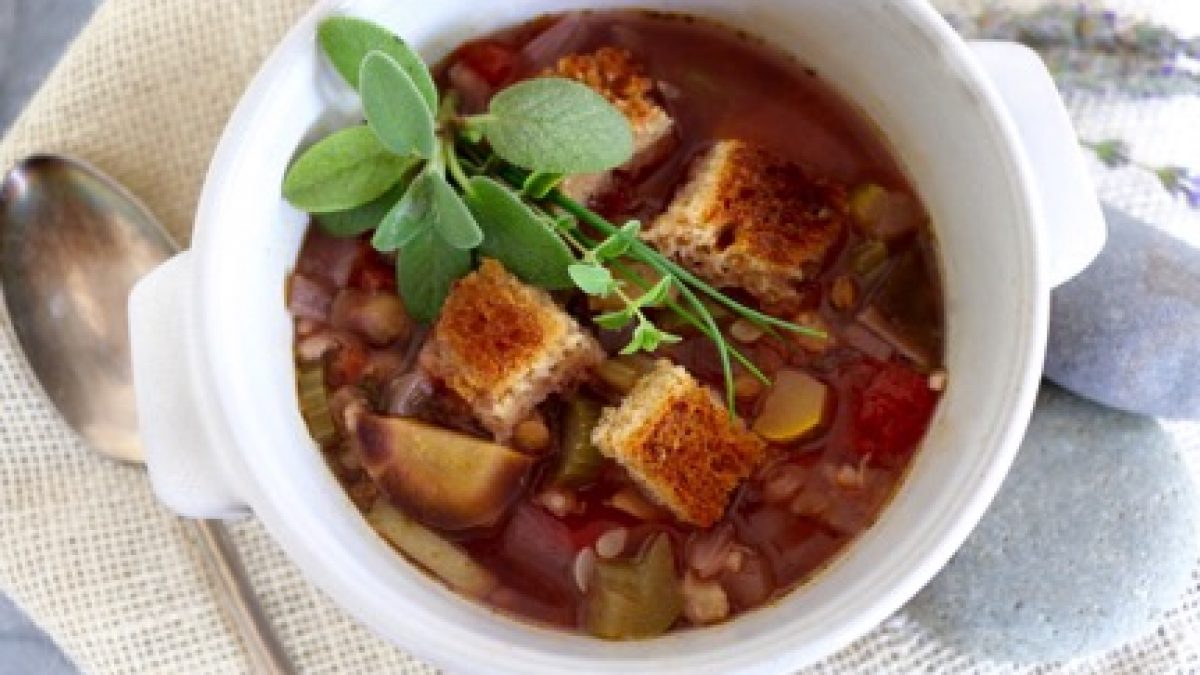
Stone Soup Recipe: If you’ve ever heard the folk tale of Stone Soup, you already know it’s more than just a story—it’s a powerful lesson in community, sharing, and the magic of making something from almost nothing. This story, often told to children, centers on hungry travelers who convince wary villagers to each contribute a small amount of food to a pot that starts with just a stone and water. Little by little, as everyone adds something, a delicious soup is born.
But did you know you can actually make real stone soup? This dish is just as much about the process and collaboration as it is about the flavor. It’s an engaging, heartwarming activity perfect for families, classrooms, or community events. And yes—if you’re feeling adventurous, you can even start it with a stone (just be sure it’s clean and safe!).
In this guide, we’re diving deep into how to make stone soup from scratch. We’ll walk you through every step—from choosing ingredients to simmering the perfect bowl. Let’s bring the story to life and fill your kitchen with warmth, aroma, and good company.
What is Stone Soup?
Stone soup began as a legend, believed to have European roots, though variations of it exist in many cultures. The essence of the story remains the same: a traveler comes to a village carrying nothing but a cooking pot and a stone. The traveler claims to be making a delicious soup using just the stone and water. Curious villagers stop by and, one by one, contribute a carrot, potato, onion, or some herbs. Eventually, a hearty, nourishing soup is created—something far greater than the sum of its parts.
This tale has evolved into a real recipe that people use today, especially as a teaching tool or community-building activity. The “stone” is symbolic, of course, but it can also be used literally (just make sure it’s cleaned and sanitized). What makes stone soup so unique is that it’s endlessly customizable. You can adapt the recipe based on what’s in your fridge or pantry, or get everyone involved to bring something to contribute—just like in the story.
Why Make Stone Soup?
So, why should you make stone soup at all? First off, it’s not just about the food—it’s about the experience. Stone soup is perfect for bringing people together. It’s a great ice-breaker at parties or potlucks and is often used in schools to teach kids about cooperation and sharing. If you’re hosting a community event, a classroom activity, or even just a family night, this recipe turns cooking into a collaborative adventure.
Beyond the fun and connection, stone soup is budget-friendly. You don’t need expensive ingredients. You can use leftover veggies, pantry staples, or whatever you have on hand. It’s also healthy—packed with vegetables, fiber, and potentially protein if you decide to include beans or meat.
In short, this isn’t just about eating. It’s about creating something together from almost nothing—an idea that feels especially comforting in today’s world.
Health Benefits of Stone Soup
Stone soup is as nourishing as it is symbolic. Its flexibility means you can make it incredibly healthy without sacrificing flavor. Add a wide variety of vegetables, and you’ll get plenty of vitamins, antioxidants, and fiber. Include legumes or lean meats, and you boost your protein intake. Use herbs and spices for flavor instead of heavy salt or fat, and you’ve got a heart-friendly, low-calorie dish.
It’s also a great way to sneak in extra vegetables for picky eaters, especially kids. The story element helps engage them, and they may be more willing to try something they helped “build.”
Plus, it’s gluten-free, dairy-free, and can easily be made vegan or vegetarian. You’re in complete control of the ingredients, so it can be adapted to fit most dietary needs.
Choosing the Right “Stone”
Yes, the stone is optional—but if you want to follow the tradition fully, it can be a meaningful touch. Choose a smooth, clean stone about the size of your palm. Avoid painted or treated stones and never use stones from areas exposed to chemicals.
How to prep the stone:
- Wash it thoroughly with soap and hot water.
- Boil the stone for at least 10 minutes to sanitize it.
- You can also bake it in the oven at 400°F (200°C) for 20 minutes.
This symbolic step helps bring the story to life and gets everyone involved. Just make sure to remove the stone before serving the soup—or leave it in for fun, but don’t let anyone try to eat it!
List of Ingredients You’ll Need
Here’s a basic ingredient list to get your soup started. The great thing is, you can mix and match based on your preferences or what you have on hand.
Base Ingredients (For the Broth):
- 1 clean stone (optional but fun)
- 8 cups of water or low-sodium vegetable/chicken broth
- 1–2 tablespoons olive oil
- 1 onion, diced
- 2 cloves garlic, minced
- Salt and pepper to taste
Vegetables (Mix and Match):
- 2 carrots, chopped
- 2 potatoes, diced
- 1 celery stalk, chopped
- 1 zucchini, sliced
- 1 bell pepper, chopped
- 1 cup green beans or peas
- 1 tomato, chopped (optional)
Protein (Optional):
- 1 cup cooked beans (kidney, white, or chickpeas)
- 1 cup cooked chicken or sausage slices
- 1 cup tofu or tempeh cubes
Herbs & Spices:
- 1 bay leaf
- 1 tsp thyme
- 1 tsp rosemary
- Fresh parsley or basil for garnish
Feel free to get creative. Got mushrooms? Throw them in. Corn? Sure. Leftover pasta? Why not!
Equipment Needed
You don’t need a fancy kitchen setup for stone soup. Here’s what you’ll need:
- A large soup pot (at least 6-quart capacity)
- Stirring spoon or ladle
- Cutting board and knife
- Measuring cups/spoons
- Optional: slow cooker or Instant Pot if you’re cooking for a crowd or need a hands-off version
If you’re using a real stone, be sure to clean it thoroughly as mentioned earlier and have tongs or a spoon to remove it safely before serving.
Preparing the Ingredients
Now that you’ve gathered everything, it’s time to prep. This is where the fun really starts—especially if you’re making stone soup with kids or as a group activity. Prep time isn’t just about chopping and slicing; it’s a chance for everyone to pitch in and be part of the magic.
1. Wash Everything Thoroughly
Before chopping, rinse all vegetables under cold water. If you’re using produce like carrots or potatoes, scrub them well—especially if you’re keeping the skins on (which adds nutrients and texture). For leafy herbs like parsley or basil, give them a good shake in a bowl of cold water and pat dry.
2. Chop to Uniform Sizes
Try to cut your vegetables into evenly sized pieces so everything cooks at the same pace. Here are some basic tips:
- Carrots & celery: Slice into thin rounds or small chunks.
- Potatoes: Dice into ½-inch cubes.
- Zucchini & bell peppers: Cut into half-moons or squares.
- Onions & garlic: Finely dice them to build a flavorful base.
- Tomatoes: Chop into chunks if using fresh.
If you’re adding protein like chicken, tofu, or beans, make sure it’s already cooked (this soup is more about warming ingredients than cooking raw meat). Dice it into bite-sized pieces so it blends well with the veggies.
3. Prep the Stone (if using)
This is crucial! Clean the stone as outlined earlier:
- Wash with hot, soapy water
- Rinse thoroughly
- Boil for 10 minutes OR bake at 400°F (200°C) for 20 minutes
Once prepped, set it aside—ready to drop into the pot like a magician pulling off a trick.
Step-by-Step Guide to Making Stone Soup
This is where the story comes alive! Follow these steps for a rich, hearty soup that will make everyone smile. This recipe yields about 6–8 servings.
Step 1: Heat the Pot
Place a large soup pot on medium heat. Add olive oil and let it warm up for 1–2 minutes. Toss in the diced onion and garlic. Stir until they become fragrant and translucent—this forms the aromatic base of your soup.
Step 2: Add the Stone and Water or Broth
Gently place your cleaned stone into the pot (yes, seriously!). Add the water or broth, and bring everything to a light boil. If you’re using broth, the soup will already have a flavor boost. Water works too, especially with strong veggies and herbs coming up.
Step 3: Layer the Flavors
Start with hardy vegetables like carrots, potatoes, and celery. These take the longest to cook and will create a flavorful, hearty base. Stir them into the pot and reduce the heat slightly to keep a gentle simmer.
Step 4: Add the Softer Veggies
After about 10 minutes, add vegetables that cook faster—like zucchini, green beans, bell peppers, or tomatoes. These add color, texture, and complexity.
Step 5: Stir in the Protein
Toss in your beans, cooked chicken, tofu, or any other proteins you’re using. These don’t need much time—just a few minutes to heat through and blend with the flavors. If you’re using canned beans, make sure to drain and rinse them first.
Step 6: Season the Soup
Add your herbs and spices: bay leaf, thyme, rosemary, a pinch of salt and pepper. Don’t go overboard—start small. You can always add more later, but it’s hard to fix an overly salty soup.
Let everything simmer together for 15–20 minutes, stirring occasionally. This allows all the ingredients to get cozy and the flavors to fully develop.
Step 7: Final Taste and Serve
Give it a final taste and adjust seasoning if needed. Add more salt, pepper, or herbs if something’s missing. Remove the stone (or keep it in for the story element—just warn your guests!).
Ladle the soup into bowls, garnish with fresh parsley or a drizzle of olive oil, and serve with crusty bread. Congratulations—you just made stone soup!
Tips for the Perfect Stone Soup
Want to take your soup from good to unforgettable? Here are some pro tips:
Use Homemade Broth
If you have the time, homemade broth always enhances flavor. Simmer vegetable scraps, herbs, and garlic for an hour before making your soup—it’s worth the extra effort.
Taste as You Go
Soup isn’t a one-size-fits-all recipe. Keep tasting and adjusting. Add a splash of lemon juice or vinegar at the end to brighten flavors.
Don’t Overcook
Be mindful of your veggies. Potatoes and carrots need longer than zucchini or peppers. Add in layers to keep everything tender—not mushy.
Let It Rest
Soup always tastes better after sitting a bit. If you have time, let it rest off heat for 15–30 minutes before serving. The flavors deepen as it cools slightly.
Add Grains for Heartiness
Want to bulk it up? Add cooked rice, barley, quinoa, or small pasta in the last 5 minutes of cooking.
Variations of Stone Soup Around the World
This concept of communal soup isn’t just a fairy tale—it appears in cultures around the globe.
Portugal: Caldo Verde
A traditional Portuguese soup made with potatoes, kale, and chorizo. It’s simple, comforting, and perfect for adapting the stone soup approach.
Asia: Hot Pot
In Chinese and Korean cuisine, hot pots involve everyone adding their own ingredients to a shared simmering pot—much like stone soup in practice.
South America: Sancocho
Popular in countries like Colombia and the Dominican Republic, Sancocho is a hearty stew with meat, root vegetables, and corn.
Each version emphasizes the same thing: sharing food, building flavor together, and creating something special with what’s available.
Making Stone Soup with Kids
Want to turn a simple meal into a memory? Make stone soup with kids. It’s the perfect blend of storytelling, hands-on cooking, and a subtle lesson in generosity.
Make It a Storytime Activity
Read the classic Stone Soup story aloud as you prepare the ingredients. Kids love the idea of starting with “just a stone.”
Safe Tasks for Kids
- Washing vegetables
- Peeling carrots or potatoes (with supervision)
- Stirring the pot
- Dropping in ingredients
Turn it Into a Lesson
Teach about teamwork, sharing, and how food can bring people together. Ask them questions like: What would you add to the pot? What ingredient do you think makes the soup better?
Making stone soup this way turns an ordinary recipe into a core memory.
Hosting a Stone Soup Party
If you’re looking for a unique and meaningful way to bring people together, a stone soup party is the perfect idea. It’s ideal for schools, neighborhoods, churches, or even family reunions. The story is simple, yet it sparks cooperation, creativity, and fun—and the best part is that everyone contributes something.
Plan the Event
Start by choosing a date and venue. If it’s indoors, make sure you have access to a large kitchen or a few burners. Outdoors? Consider using portable stoves or a fire-safe pot over a campfire.
Send invitations or messages that tell the story of stone soup. Ask each guest to bring a small ingredient: a chopped vegetable, a can of beans, a spice, or fresh herbs. Be clear about portion sizes and whether they should be cooked or raw.
Set the Scene
Have the story of Stone Soup printed or ready to read aloud at the start. Decorate the area with rustic touches—wooden spoons, a big soup pot in the center, and maybe even a clean, symbolic stone on display.
Set up a prep station where ingredients are washed and chopped. Assign roles: someone to stir, another to season, and others to help serve. The process becomes a group effort, just like the tale.
Make it a Memory
Once the soup is ready, gather everyone and serve the meal together. Encourage people to share what they brought and why. You can even end the event with a storytelling session, music, or a gratitude circle.
Common Mistakes to Avoid
Stone soup is easy to make, but there are a few things that can throw it off. Watch out for these common mistakes so your batch turns out perfect.
1. Overloading the Pot
More isn’t always better. If everyone brings a large portion, your pot can overflow with too much food. Stick to small amounts of each item, especially if you’re using many ingredients.
2. Clashing Flavors
Stone soup is flexible, but you still need balance. Be cautious with strong-flavored ingredients like sauerkraut, anchovies, or overly spicy chilies unless they suit the group’s taste.
3. Overseasoning
Let the natural flavors shine. Too much salt, garlic, or spice can overpower the broth. Taste as you go and adjust little by little.
4. Adding Everything at Once
Layering ingredients is key to flavor and texture. Start with the base veggies, then add softer ones and proteins later. This keeps the soup balanced and avoids mushiness.
5. Forgetting to Stir
Stone soup cooks gently, but you still need to stir occasionally so ingredients don’t stick or burn on the bottom—especially when simmering for longer periods.
Storing and Reheating Leftovers
If you’ve got extra stone soup (and you probably will), good news—it stores wonderfully and tastes even better the next day.
Storage Tips
- Fridge: Let the soup cool completely, then store it in airtight containers. It will keep for up to 4–5 days.
- Freezer: Stone soup freezes well. Divide it into portions and freeze for up to 3 months. Use freezer-safe bags or containers, leaving space for expansion.
Reheating Instructions
- Stovetop: Pour into a pot and reheat on medium, stirring occasionally. Add a splash of water or broth if it has thickened too much.
- Microwave: Use a microwave-safe bowl and cover loosely. Heat in 1-minute intervals, stirring between, until hot throughout.
Before serving, always check that reheated soup reaches a safe internal temperature (at least 165°F or 74°C). And don’t forget to remove the stone—no one wants a surprise in their bowl the next day!
FAQs about Stone Soup Recipe
1. Can I make stone soup vegetarian or vegan?
Absolutely! Just skip any animal-based broth or protein. Use vegetable broth and load up on beans, lentils, or tofu for protein. Herbs and spices will still make it delicious and satisfying.
2. Do I really need a stone?
Nope—it’s totally optional and symbolic. If you’re cooking with kids or telling the story, it adds charm. But you can skip it and still have a delicious soup.
3. What’s the best pot size to use?
A 6- to 8-quart pot works best for 6–8 servings. If you’re cooking for a crowd, consider using a larger stockpot or even a slow cooker.
4. How long does stone soup last in the fridge?
Stored properly in an airtight container, stone soup lasts 4–5 days in the refrigerator. Just reheat and enjoy!
5. Can kids really help make stone soup?
Yes! It’s one of the best recipes to make with children. They can help wash veggies, stir the pot, add ingredients, and learn the story behind the soup. It’s a creative and tasty way to teach sharing and teamwork.
Conclusion
Stone soup is so much more than a dish—it’s a celebration of community, sharing, and the joy of making something special together. What starts with a humble stone and some water turns into a flavorful, nourishing meal full of personality and heart. Whether you’re cooking with kids, hosting a community dinner, or simply looking for a budget-friendly recipe, stone soup is an experience as much as a meal.
Try it once, and it may just become a tradition in your home. And next time someone says, “There’s nothing to eat,” you can smile and say, “Let’s make stone soup.”