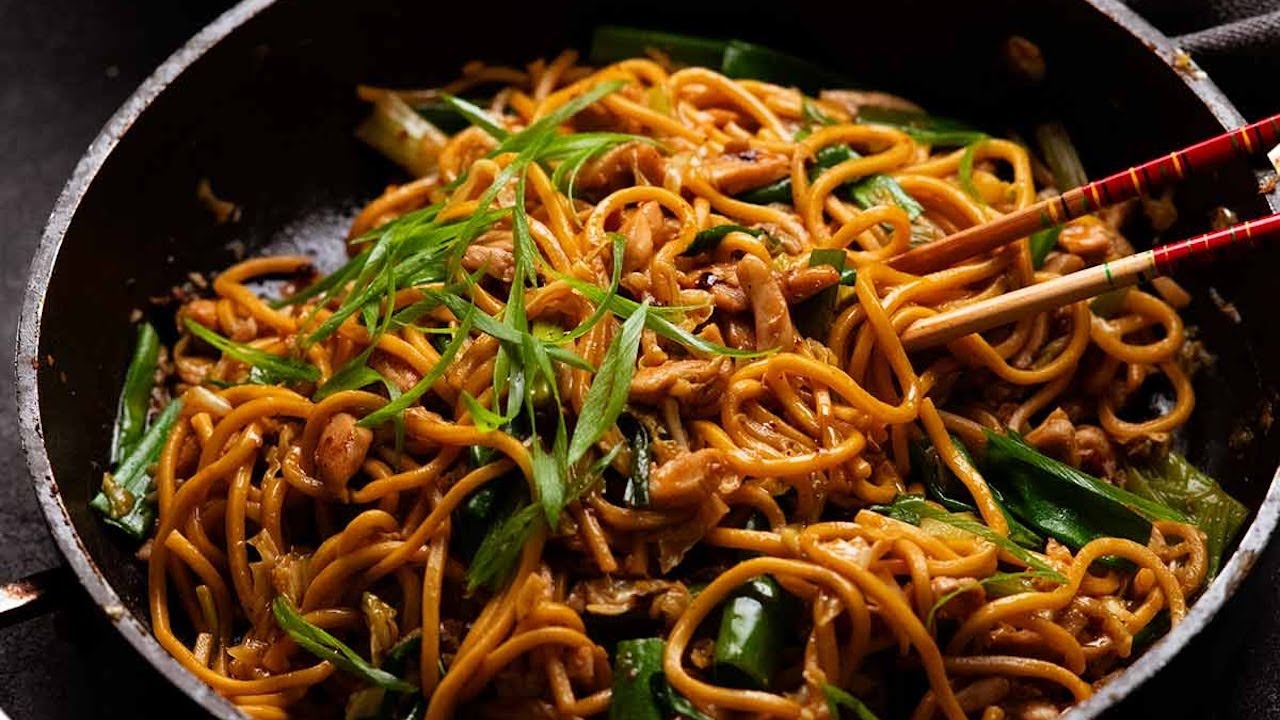
Stir Fry and Noodles Recipe: Who doesn’t love a quick, satisfying, and flavor-packed meal? Stir fry and noodles is one of those dishes that checks all the boxes—it’s fast, flexible, full of nutrients, and totally customizable to your taste. Whether you’re craving something savory after a long day or trying to whip up a family-friendly dinner in under 30 minutes, this dish delivers.
The magic of stir fry lies in its simplicity and versatility. You can toss in just about any vegetables you have lying around, choose your favorite protein (or skip it for a plant-based meal), and create a delicious, satisfying plate that’s better than takeout. Plus, with the right technique and ingredients, you can make it healthier, tastier, and a whole lot cheaper than ordering out.
In this step-by-step guide, you’ll learn exactly how to create the perfect stir fry and noodles at home—from choosing your ingredients to mastering the sauce and pulling everything together in one sizzling wok. Let’s get cooking!
Ingredients You’ll Need
Let’s talk about the real stars of the show—your ingredients. Getting these right makes all the difference between a good stir fry and a great one.
Main Ingredients
These are your essentials. You can mix and match depending on your preference or dietary needs.
Noodles: Choose from egg noodles, rice noodles, soba, ramen, or even spaghetti if that’s what you have on hand.
Vegetables: Go colorful and crunchy! Some great options include:
- Bell peppers (red, yellow, green)
- Carrots
- Broccoli
- Snow peas
- Mushrooms
- Baby corn
- Bok choy or spinach
Protein (optional but recommended):
- Chicken breast or thighs
- Beef (sirloin or flank steak)
- Shrimp or prawns
- Tofu or tempeh for a vegetarian option
Sauce Ingredients
This is where all the flavor lives. A good sauce can make or break your dish.
- Soy sauce (low sodium preferred)
- Oyster sauce (for deep umami flavor, skip for vegan)
- Sesame oil (adds a rich, nutty taste)
- Garlic and ginger (freshly minced for maximum flavor)
- Brown sugar or honey (a little sweetness to balance the salt)
- Cornstarch (helps thicken the sauce and make it stick to the noodles)
Optional Add-Ins
These aren’t necessary, but they’ll definitely level up your stir fry.
- Crushed peanuts or cashews
- Green onions (scallions)
- Fresh cilantro
- Chili flakes or Sriracha for heat
- Lime wedges for a fresh finish
- Sesame seeds
Essential Kitchen Tools
Cooking a perfect stir fry is just as much about having the right tools as it is about the ingredients.
- Wok or large skillet: A wok is ideal for even heat and high-heat cooking.
- Sharp knife: For precise and fast chopping.
- Cutting board: Separate ones for veggies and raw meat.
- Mixing bowls: To keep ingredients organized.
- Tongs or spatula: Essential for stir-frying and mixing noodles evenly.
Step-by-Step Guide to Making Stir Fry and Noodles
Alright, time to get to the fun part. Follow these steps closely and you’ll have a restaurant-quality stir fry on your plate in no time.
Step 1: Prepare the Ingredients
Chop all vegetables into bite-sized pieces. Marinate your protein—chicken, beef, shrimp, tofu, or tempeh—with a little soy sauce, garlic, and oil. Cook the noodles separately so they’re ready to add later.
Step 2: Cook the Noodles
Boil noodles according to package instructions until just tender. Drain, rinse briefly with cold water to stop cooking, then toss with a little oil to prevent sticking. Set aside.
Step 3: Stir Fry the Protein
Heat oil in a wok or large pan over high heat. Add the protein in a single layer and cook until browned and cooked through. Remove from the pan and set aside to avoid overcooking.
Step 4: Sauté the Vegetables
Add a bit more oil if needed. Stir-fry hard vegetables like carrots, broccoli, or green beans first. After a minute or two, add softer vegetables such as bell peppers, mushrooms, or spinach. Cook until crisp-tender.
Step 5: Combine Everything in the Wok
Return the cooked protein to the wok. Add the noodles and toss everything together using tongs or a spatula to distribute ingredients evenly.
Step 6: Add the Sauce
Pour in your prepared sauce—soy sauce, oyster sauce, a touch of sugar, and a splash of water or broth. Stir constantly so the noodles and vegetables absorb the flavor without sticking.
Step 7: Final Touches
Finish with sesame oil, sliced scallions, sesame seeds, or chili flakes for heat. Give one final toss and serve hot for a balanced, flavorful stir fry.
Tips for the Perfect Stir Fry and Noodles
Cooking a killer stir fry isn’t just about tossing stuff into a hot pan—it’s about technique, timing, and a little bit of kitchen confidence. Here are some tried-and-true tips to help you take your stir fry and noodles from average to amazing:
- Prep everything beforehand. This cannot be stressed enough. Stir fry happens fast, and you won’t have time to stop and chop or measure. Have your vegetables sliced, your protein ready, your sauce mixed, and your noodles cooked before you even turn on the stove.
- Use high heat. Stir frying is all about quick cooking over high heat. This locks in flavor and keeps veggies crisp. Don’t be afraid to crank the burner, but keep an eye on it—things can burn quickly!
- Don’t overcrowd the pan. Cooking too many ingredients at once lowers the temperature and leads to steaming instead of frying. If you’re making a large batch, cook in stages (protein first, then veggies, then combine).
- Cut ingredients evenly. Uniform sizes ensure everything cooks at the same rate. You don’t want burnt garlic or raw carrots messing up your dish.
- Toss, don’t stir. Use tongs or a spatula to gently toss the ingredients in the pan rather than stirring them aggressively. This helps coat everything evenly without breaking the noodles.
- Use the right oil. Go for oils with a high smoke point like canola, peanut, or vegetable oil. Sesame oil is great for flavor but should be used at the end, not for frying.
These simple steps can make all the difference. Once you get the hang of it, making stir fry and noodles becomes second nature—and way better than takeout.
Best Noodles for Stir Fry
Choosing the right noodles can take your stir fry from good to unforgettable. Let’s break down your best options:
- Egg Noodles: These are the classic choice, often found in Chinese stir fries. They’re yellow, springy, and hold up well in a hot pan without getting mushy. Perfect for chow mein-style dishes.
- Rice Noodles: A gluten-free alternative made from rice flour. These are common in Thai dishes like Pad Thai and work great with stir fry. They’re softer and soak up sauces beautifully.
- Ramen Noodles: Not just for instant soup! Toss out the seasoning packet and use the noodles for a budget-friendly stir fry. They’re chewy and cook quickly.
- Soba Noodles: Made from buckwheat, these have a nutty flavor and are packed with protein. They work best in lighter stir fries with a soy-based sauce.
- Udon Noodles: Thick and chewy, these Japanese noodles are great if you want a hearty stir fry. Just be careful—they can be heavy and might overpower delicate veggies.
Quick Tips for Choosing Noodles:
- Go for medium thickness so they don’t fall apart.
- Pre-cook and rinse with cold water to stop them from sticking.
- Toss noodles in a little oil before adding them to your stir fry.
Each type brings a different texture and flavor, so feel free to experiment until you find your favorite combo.
Vegetarian & Vegan Options
Going meat-free? No problem. Stir fry is one of the easiest meals to make fully vegetarian or vegan without sacrificing taste.
Protein Alternatives:
- Tofu: Choose firm or extra-firm tofu. Press out the water, cube it, and pan-fry until golden and crispy before adding it to your stir fry.
- Tempeh: Nutty and packed with protein, tempeh absorbs sauces well and adds a great bite.
- Edamame or chickpeas: A quick, protein-rich add-in.
Vegan Sauce Tips:
- Replace oyster sauce with hoisin sauce or a mix of soy sauce + a dash of brown sugar for sweetness.
- Double-check your soy sauce to make sure it’s vegan (some brands add preservatives from animal sources).
- Use maple syrup or agave as a sweetener.
Flavor Boosters:
- Add crushed garlic, grated ginger, chili oil, or nutritional yeast.
- Top with sesame seeds, scallions, or vegan-friendly crispy shallots.
This way, you’re not just cutting out meat—you’re replacing it with exciting flavors and textures that keep the dish hearty and delicious.
Gluten-Free Variations
Need to keep it gluten-free? Easy. With a few smart swaps, you can enjoy stir fry and noodles without worrying.
Noodle Options:
- Rice noodles: Naturally gluten-free and perfect for stir fry.
- Soba noodles: Look for 100% buckwheat soba noodles (some include wheat).
- Gluten-free pasta: Works in a pinch, though it may break easier.
Sauce Substitutes:
- Regular soy sauce contains wheat—use tamari or coconut aminos instead.
- Most oyster sauces contain gluten—find gluten-free versions or substitute with hoisin sauce.
- Always read labels—many sauces and seasonings have hidden gluten.
With these changes, you can still enjoy every bite of your stir fry without compromising on taste or texture.
Protein Variations
No need to get stuck in a chicken-only rut. Stir fry is the perfect playground for experimenting with different proteins. Here are a few combos that work great:
Chicken Stir Fry:
- Boneless, skinless chicken breasts or thighs
- Marinate in soy sauce, garlic, and cornstarch for 10–15 minutes
Beef Stir Fry:
- Flank steak or sirloin, thinly sliced against the grain
- Marinade: soy sauce, brown sugar, cornstarch, sesame oil
Shrimp Stir Fry:
- Use peeled and deveined shrimp
- Cooks fast—2–3 minutes max per side!
Tofu Stir Fry:
- Press and dry the tofu before pan-frying
- Pairs well with sweet chili or teriyaki-style sauces
Other Ideas:
- Thinly sliced pork or ground turkey
- Plant-based meat alternatives (like Beyond or Impossible strips)
Mixing up your protein keeps the dish fresh, fun, and full of variety—even if you make it every week.
Storage and Reheating Tips
One of the best things about stir fry and noodles is how well it keeps. Whether you’re meal prepping or saving leftovers for a quick lunch, knowing how to store and reheat it the right way can make all the difference in taste and texture.
How to Store Stir Fry and Noodles:
- Cool it quickly: Let the stir fry cool down at room temperature for about 15–20 minutes. Don’t leave it out for more than 2 hours.
- Use airtight containers: Store in BPA-free, airtight containers to keep flavors fresh and prevent sogginess.
- Refrigerate: Keep in the fridge for up to 4 days.
- Freeze: Yes, you can freeze stir fry! Place in a freezer-safe container or zip-top bag. Label with the date and use within 2–3 months for best quality.
Pro Tip: Freeze in individual portions to make reheating quick and easy.
Reheating Instructions:
Stovetop (Best Method):
- Add a splash of oil or water to a skillet or wok.
- Heat on medium-high and stir frequently until hot all the way through.
- This keeps the noodles from getting mushy and helps revive crisp veggies.
Microwave (Quick & Easy):
- Place the stir fry in a microwave-safe container.
- Add a tablespoon of water to keep moisture.
- Cover loosely and heat for 1–2 minutes, stirring halfway.
Avoid overcooking during reheating—this can make noodles soggy and veggies limp. Stir fry is meant to be vibrant and fresh, even the next day!
Common Mistakes to Avoid
Even experienced home cooks can mess up a stir fry now and then. Here are the most common mistakes—and how to avoid them.
1. Overcooking the Noodles
If you overcook them from the start, they’ll turn into a mushy mess once tossed back in the wok. Always cook them until just tender, rinse in cold water, and toss in a bit of oil to prevent clumping.
2. Not Using High Enough Heat
Stir frying needs high heat to sear the protein, caramelize veggies, and bring out the sauce’s flavor. If the pan isn’t hot enough, you’ll end up steaming your ingredients instead of frying them.
3. Cooking Everything at Once
Overcrowding the pan drops the heat and leads to uneven cooking. Cook in batches if necessary—protein first, then veggies, then combine everything.
4. Skipping the Sauce Prep
Trying to throw sauce ingredients into the pan as you cook is a recipe for disaster. Always mix your sauce ahead of time so it’s ready to pour when needed.
5. Using the Wrong Oil
Olive oil isn’t great for high heat cooking. Go for oils like canola, peanut, or avocado oil. Save sesame oil for flavoring at the end.
6. Not Tasting As You Go
Sauces vary. Always taste before serving and adjust—maybe it needs more salt, sweetness, or spice.
By avoiding these simple mistakes, your stir fry and noodles will taste like they came straight from a restaurant kitchen.
FAQs about Stir Fry and Noodles Recipe
1. Can I use frozen vegetables for stir fry?
Absolutely! Just make sure to thaw and drain them well so they don’t add too much moisture to the pan. Flash-frozen stir fry veggie mixes are great for saving time.
2. What’s the best oil for stir-frying?
Use high smoke point oils like canola, peanut, or vegetable oil. These can handle high heat without burning. Use sesame oil only for finishing touches, not frying.
3. How can I make my stir fry spicier?
Add crushed red pepper flakes, Sriracha, fresh chopped chilies, or a bit of chili garlic sauce to your stir fry sauce. You can also drizzle hot oil or chili oil over the finished dish.
4. Can I make stir fry noodles ahead of time?
Yes! Cook everything, let it cool, and store it in the fridge for up to 4 days. It actually tastes better after the flavors sit overnight. Just reheat gently on the stove or in the microwave.
5. Are stir fry noodles healthy?
They can be! Load them with fresh veggies, lean proteins, and go easy on the sauce. Use whole grain or rice noodles and keep oil minimal. It’s way healthier than most takeout versions.
Conclusion
There you have it—a complete, step-by-step guide to mastering stir fry and noodles in your own kitchen. Whether you’re feeding yourself, your family, or hosting friends for a casual dinner, this dish never fails to impress.
The beauty of stir fry is how customizable it is. You can go classic with chicken and egg noodles or mix it up with tofu, rice noodles, and a spicy sesame glaze. It’s fast, flexible, flavorful, and the perfect way to use up leftovers or sneak in extra veggies.
Just remember the key takeaways:
- Prep everything before you start.
- Cook fast and hot.
- Use a well-balanced sauce.
- Don’t overcrowd the pan.
With these tips and steps, you’re more than ready to make stir fry and noodles that beat takeout any day of the week. So, grab your wok, fire up the stove, and get ready to stir up something amazing!