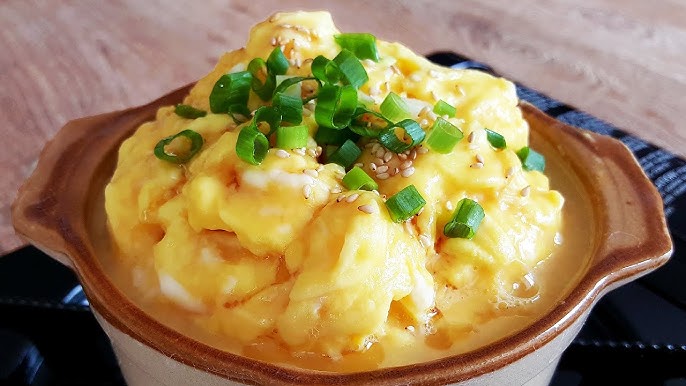
Steamed Eggs Recipe: Steamed eggs are one of those comforting dishes that feel like a warm hug in a bowl. Whether you’re new to cooking or just looking for a healthy meal idea, steamed eggs are incredibly easy to whip up and require only a handful of ingredients. But don’t let the simplicity fool you — getting that ultra-smooth, custard-like texture takes a little finesse. That’s where this guide comes in.
Why are steamed eggs so loved around the world? From Chinese “zhēng dàn” to Korean “gyeran jjim” and Japanese “chawanmushi,” every culture has its unique take on this humble dish. And all of them rely on one thing — gently cooked, silky eggs that practically melt in your mouth. Whether you want a savory breakfast, a light dinner, or a side dish that pairs with rice or noodles, steamed eggs are the answer.
In this step-by-step guide, we’ll walk you through everything — from ingredients to steaming techniques — so you can make perfect steamed eggs every time. Whether you’re making them for yourself, your kids, or for guests, this dish never fails to impress. Let’s crack some eggs and get started!
Ingredients You’ll Need
Getting started with steamed eggs is super easy — most of what you need is probably already in your kitchen. The key to a great steamed egg dish is simplicity. However, you can always upgrade it with your favorite add-ins once you’ve mastered the basics.
Basic Ingredients:
- 3 large eggs – Fresh, room temperature eggs work best
- 1 ½ cups warm water or broth – Adjust depending on desired texture
- Salt (¼ tsp or to taste) – Essential seasoning
- Cooking oil or sesame oil (½ tsp) – Optional for flavor and sheen
Optional Add-Ins for Flavor:
- Chopped scallions or chives
- Soy sauce (1 tsp)
- Tofu cubes
- Cooked shrimp or ground meat
- Mushroom slices
- Grated cheese (for a Western twist)
- Kimchi bits (for Korean flavor)
Tools & Equipment:
- Mixing bowl
- Whisk or fork
- Fine strainer or sieve
- Heatproof dish or bowl (ceramic or glass works best)
- Steamer setup (or pot with lid and a steaming rack)
- Aluminum foil or a plate to cover the bowl
This list might be short, but that’s the magic of steamed eggs — minimal fuss, maximum comfort.
Understanding the Basics of Steamed Eggs
At its core, a steamed egg is a gently cooked egg custard. It’s all about a smooth, delicate texture that feels like silk on your tongue. If you’ve only ever had scrambled or hard-boiled eggs, you’re in for a whole new experience.
So, how is it different from boiled or fried eggs? Well, boiled eggs are solid, with a firm yolk and white. Steamed eggs, on the other hand, are airy, creamy, and spoonable — almost like pudding but savory. Think of it like the softest flan but made with eggs and broth.
And then there’s the cultural beauty of it. In China, steamed eggs are typically plain or lightly seasoned, often served with soy sauce or scallions. In Korea, “gyeran jjim” is fluffier and sometimes includes anchovy broth or chopped seafood. Meanwhile, Japanese chawanmushi is more of a savory custard, often with mushrooms, shrimp, and ginkgo nuts.
Every version celebrates eggs in its own way, and you can create your own twist based on what you like or have on hand. What they all have in common, though, is a gentle cooking method that protects the proteins from toughening — leaving you with eggs that melt in your mouth.
Benefits of Steamed Eggs
Steamed eggs aren’t just delicious—they’re incredibly good for you, too. Whether you’re health-conscious, on a soft-food diet, or just in a rush, this dish checks all the right boxes. Let’s break down the reasons why steamed eggs deserve a regular spot in your meal rotation.
First off, they’re high in protein. Eggs are one of the best natural sources of protein, and steaming preserves more of their nutrients than frying or boiling. You’re getting all those vital amino acids with zero added fats unless you choose to drizzle a bit of oil on top for flavor. This makes them ideal if you’re trying to build muscle, stay full longer, or just maintain a balanced diet.
Second, steamed eggs are gentle on your stomach. Their soft texture and mild flavor make them perfect for young children, older adults, or anyone recovering from illness. They’re easy to digest and less likely to cause bloating or discomfort compared to richer, greasier dishes.
Third, steamed eggs are quick to make, even on busy mornings or after long days. You don’t need fancy gadgets or expensive ingredients—just a bowl, a whisk, some eggs, and heat. They cook in under 15 minutes and require minimal cleanup. Plus, you can scale the recipe up or down depending on how many people you’re feeding.
Last but not least, they’re extremely versatile. Once you master the basic technique, you can customize the flavors endlessly with toppings, add-ins, and seasonings. From a simple soy-scallion drizzle to a fully loaded egg custard with shrimp, mushrooms, and herbs—the possibilities are endless.
In short, steamed eggs are comfort food, health food, and convenience food all rolled into one silky-smooth dish.
Perfect Egg-to-Water Ratio
Here’s where the magic really happens: the egg-to-water ratio. Getting this part right is the secret to that smooth, custard-like texture. Too much water and your eggs will be watery and fall apart. Too little, and you’ll end up with a tough, rubbery texture. So, what’s the golden ratio?
The Rule of Thumb:
- 1 part egg to 1.5 parts water or broth
For example, if you crack 3 large eggs and they measure about 150 ml, you should add around 225 ml of warm water or broth. Always measure your eggs in a cup or bowl, then calculate from there.
If you want your steamed eggs softer and jiggly, you can go as high as 1 part egg to 2 parts liquid. For a firmer custard, stick to 1:1.2.
Hot or Cold Water?
Use warm (not boiling) water, around room temperature to slightly warm. Cold water slows down the cooking process and may cause uneven texture. Boiling water might start cooking the eggs prematurely, leading to curdling.
Tips to Nail the Ratio:
- Whisk the eggs gently to avoid bubbles.
- Strain the egg mixture before steaming.
- Avoid adding too much salt directly to the eggs; salt can make them firm up faster.
Common Mistakes:
- Skipping measurement: Eyeballing it often leads to disaster.
- Not accounting for other liquid add-ins like soy sauce or milk.
- Forgetting to adjust cooking time when using more liquid.
Once you get your ratio down, you’ll be amazed at how silky your steamed eggs turn out—almost like savory pudding with no lumps.
Step-by-Step Guide to Making Steamed Eggs
Ready to dive into the kitchen? Let’s walk through the full process of making classic steamed eggs, from cracking to serving. It’s super beginner-friendly, and by the end, you’ll have a dish that looks and tastes like something from a restaurant.
Step 1: Preparing Your Ingredients
Crack fresh eggs into a bowl. Measure warm water or broth (about 1½ to 2 parts liquid to 1 part egg). Gather salt, soy sauce, and optional toppings like scallions or sesame oil.
Step 2: Mixing the Egg Base
Gently beat the eggs until just combined—avoid whipping in too much air. Add the warm water or broth and a pinch of salt. Stir slowly for a uniform mixture.
Step 3: Straining the Egg Mixture for Smoothness
Pour the mixture through a fine sieve into a heatproof bowl. This removes bubbles and egg strands, giving the steamed eggs a silky, custard-like texture.
Step 4: Setting Up the Steamer
Bring water in a steamer to a gentle boil, then reduce to low. Cover the bowl loosely with foil or a lid to prevent water droplets from dripping onto the eggs.
Step 5: Steaming Time and Tips
Place the bowl in the steamer and steam on low heat for 10–12 minutes. Keep the heat gentle—high heat causes bubbles and a rough texture.
Step 6: How to Check Doneness
The eggs are done when the surface looks set but slightly jiggly in the center. A spoon inserted should come out clean, with no liquid pooling.
Step 7: Finishing Touches
Drizzle with soy sauce, sesame oil, or chili oil. Garnish with chopped scallions. Serve warm as a light meal or side dish.
Tips for Achieving Silky-Smooth Steamed Eggs
Ever wondered why some steamed eggs look glossy and smooth like pudding, while others come out full of bubbles or cracks? The secret lies in a few key techniques that can take your eggs from “just okay” to restaurant-quality. If you want that dreamy, velvety texture, follow these expert tips.
1. Mix Gently — Don’t Whisk Too Hard
The goal is to blend the yolks and whites thoroughly without creating bubbles. Over-whisking introduces air into the mixture, which can cause foamy tops and uneven cooking. Instead, use chopsticks or a fork and stir in one direction slowly until uniform.
2. Strain the Mixture
This is the step that separates amateurs from pros. Straining removes chalaza (the stringy white part of the egg) and breaks up any unblended yolk. It ensures your final dish has a glass-like smoothness. Always strain into your steaming dish.
3. Use Warm Water
Cold water can shock the eggs and lead to an uneven texture. Warm or lukewarm water helps the proteins bind more gently, leading to a softer set. Don’t use boiling water, though—it might start cooking the eggs prematurely.
4. Control the Heat
High heat is the enemy of silky steamed eggs. Too much heat makes the eggs puff up, then collapse, causing wrinkles and cracks. Steam on low to medium heat, just enough to keep the water simmering but not bubbling vigorously.
5. Cover to Prevent Condensation
If you skip this step, water droplets will drip from the lid onto your eggs, leaving pitted surfaces. Cover your bowl with foil, a small lid, or even plastic wrap (if microwave steaming). This helps keep the top layer smooth and pristine.
6. Use a Water Bath (Optional)
For even gentler cooking, place your egg bowl inside another larger bowl filled halfway with hot water before steaming. This “double steaming” method diffuses the heat and gives you more control over the texture.
When you follow these tips, the result is a dish so silky and smooth it reflects light like custard. Trust the process—you’ll get better every time you make it.
Common Mistakes and How to Avoid Them
Even though steamed eggs are simple to make, there are a few common pitfalls that can ruin the texture, taste, or appearance. Let’s walk through them so you can avoid those “why did this go wrong?” moments.
Mistake 1: Overcooking
This is the number one reason your eggs might turn out rubbery or dry. Steaming them for too long causes the proteins to tighten up, leaving you with a spongey texture. Always steam on low heat and check at the 10-minute mark.
Fix: Start with 10 minutes, then gently check with a toothpick or spoon. If the center still jiggles slightly, it’s perfect.
Mistake 2: Skipping the Strainer
You might be tempted to pour the egg mixture directly into the bowl and skip straining. But that’s where the clumps and bubbles come from.
Fix: Always strain your egg mixture through a fine mesh sieve — it takes 10 seconds and makes a huge difference.
Mistake 3: Using High Heat
High heat causes your eggs to boil, puff up, and crack. You might also see bubbles forming on the surface or water seeping in from condensation.
Fix: After your steamer water starts boiling, reduce to a simmer and keep it there. Cover your bowl tightly to block water droplets.
Mistake 4: Wrong Ratio of Egg to Water
Too much water = runny or collapsed eggs. Too little = dry and stiff. Getting the ratio right is crucial for that perfect soft set.
Fix: Stick to the 1:1.5 egg-to-water ratio for classic texture. Use a measuring cup to be precise.
Mistake 5: Adding Too Many Ingredients
Add-ins like shrimp, mushrooms, or meat are great—but if you add too much, it throws off the cooking time and consistency.
Fix: Add just a few pieces of extras, and pre-cook them if necessary. Keep it balanced.
Avoiding these mistakes is easy once you know what to watch for. And the more you practice, the more consistent and delicious your steamed eggs will become.
Flavor Variations Around the World
Steamed eggs might seem like a simple dish, but around the world, people have put their own spin on it—adding unique flavors, textures, and even cultural significance. Let’s take a culinary tour and see how different countries put their own magic into this comforting dish.
Chinese-Style Steamed Eggs (蒸水蛋)
The Chinese version is all about silkiness and simplicity. Made with just eggs, water (or broth), and a touch of salt, this version is often topped with:
- Light soy sauce
- Chopped scallions
- A drizzle of sesame oil
- Sometimes dried shrimp or minced pork
The Chinese style is known for its pudding-like texture. It’s often eaten with rice or as a light meal.
Korean Gyeran Jjim (계란찜)
This one’s all about fluff and comfort. It’s usually cooked in a hot stone bowl (ttukbaegi), which makes it puff up like a soufflé.
Common flavorings:
- Anchovy or kelp broth
- Chopped vegetables like carrots or zucchini
- Kimchi bits
- Green onions or sesame seeds on top
It’s often served sizzling hot at Korean BBQs or as part of a banchan (side dish) spread.
Japanese Chawanmushi (茶碗蒸し)
The most elegant and savory version. Chawanmushi means “steamed in a teacup,” and it often includes fancy ingredients like:
- Dashi (broth made from bonito flakes and kelp)
- Shrimp
- Shiitake mushrooms
- Kamaboko (fish cake)
- Ginkgo nuts
This is more of an appetizer or delicacy, sometimes served chilled in summer.
Western-Inspired Twists
Feeling experimental? Try adding:
- Shredded cheddar cheese
- Cooked bacon bits
- A dash of cream or milk
- Italian herbs like thyme or basil
Whether you stick to traditional versions or branch out, steamed eggs are a blank canvas for flavor. Let your taste buds lead the way!
Kid-Friendly Steamed Egg Ideas
If you’re cooking for little ones, steamed eggs are a total win. They’re soft, easy to chew, and gentle on the tummy — perfect for toddlers and picky eaters alike. Even better, they can be easily customized to suit your child’s tastes, with fun add-ins or cute presentation styles that make them more appealing.
Why Kids Love Steamed Eggs:
- Smooth and mild texture: Easy to swallow, even for toddlers just learning to eat solids.
- No strong flavors: Basic seasoning keeps the taste kid-approved.
- Fun to eat with a spoon: Feels more like a pudding or soft custard than a typical egg.
Simple Additions for Extra Nutrition:
- Grated carrots or zucchini – Adds fiber and color.
- Tiny tofu cubes – A soft protein that blends right in.
- Shredded chicken or fish flakes – Sneak in more protein.
- Mashed peas or sweet corn – Sweet, soft, and nutritious.
Presentation Ideas:
- Use small ramekins or cute silicone molds to steam single servings.
- Add smiley faces using ketchup or veggie pieces after cooking.
- Let your child help mix the eggs — they’ll be more excited to eat what they helped make.
Flavor Ideas (Still Mild):
- A dash of milk instead of broth for a creamy texture.
- Cheddar cheese for extra yumminess.
- A pinch of nutmeg or mild herb (like parsley) for subtle flavor.
Steamed eggs are one of the few dishes that can transition from a baby’s first foods to a nutritious toddler meal — and eventually become a lifelong favorite. Plus, they’re way healthier than store-bought snacks. Win-win!
Protein-Packed Add-Ins for Adults
Let’s talk about leveling up your steamed eggs for grown-up tastes. While the classic version is light and simple, you can easily turn it into a satisfying, protein-packed meal with just a few ingredients. Whether you want something filling for lunch or a savory side at dinner, these add-ins can transform your dish into something impressive.
Meaty Mix-Ins:
- Cooked ground chicken or pork – Lightly season and sprinkle into the bottom before steaming.
- Shrimp or crab meat – Adds a briny sweetness and pairs well with sesame oil.
- Sliced sausages or bacon bits – For a smoky, hearty twist.
Tofu and Plant-Based Options:
- Soft tofu chunks – Blends right in for a double protein boost.
- Edamame – Adds a bit of bite and color.
- Lentil puree – A hidden protein addition that doesn’t affect texture much.
Herbs & Sauces to Boost Flavor:
- Fresh cilantro or Thai basil – Added right before serving.
- Garlic-infused soy sauce – For a deep, umami kick.
- Chili oil – Just a touch if you like it spicy.
Pro Tip:
Always pre-cook any meat or seafood before adding it to the egg mixture. The eggs cook quickly and won’t have time to fully cook raw ingredients during steaming.
Once you get comfortable with these add-ins, you can start treating steamed eggs like a base for full meals — light yet filling, packed with protein, and endlessly customizable.
Steamed Eggs for Meal Prep
Yes, steamed eggs can be part of your weekly meal prep — and no, they don’t get weird after sitting in the fridge! In fact, they can be stored, reheated, and even frozen with the right approach. Let’s break down how to make them work for meal planning.
Storing Steamed Eggs:
- Let them cool completely before covering and refrigerating.
- Store in an airtight container, ideally in individual portions for convenience.
- Keeps well for 3–4 days in the fridge.
Reheating Tips:
- Microwave: Cover and heat on low for 30–60 seconds.
- Steamer or water bath: Reheat gently for 5 minutes to avoid overcooking.
Be careful not to overheat — it’s better to warm them up slowly than to zap them into rubbery territory.
Freezing? Yes, But With Caution:
- You can freeze steamed eggs, but the texture may become grainy after thawing.
- If you do freeze them, let them thaw overnight in the fridge and reheat gently.
Meal Prep Ideas:
- Bento boxes: Pair a cup of steamed egg with rice, pickled veggies, and grilled meat.
- Breakfast jars: Steam eggs in small jars, add herbs or toppings, refrigerate, and grab on the go.
- Protein bowls: Use cold steamed eggs like tofu — top with quinoa, roasted veggies, and tahini sauce.
Steamed eggs are an underrated meal-prep gem. They’re portable, packed with nutrition, and so easy to make in bulk. Plus, they bring variety to your usual routine without extra effort.
Serving Suggestions
You’ve made the perfect steamed eggs — soft, silky, and flavorful. Now it’s time to dress them up and serve them like a pro. Whether you’re going for a simple breakfast or a dinner side, here are a few ideas to elevate your presentation and flavor combos.
Garnish Like a Chef:
- Scallions or chives – Adds color and fresh aroma.
- Sesame oil drizzle – For a nutty finish.
- Crispy garlic or shallots – Texture and crunch.
- Chili flakes or chili oil – If you like heat.
- Shredded nori or bonito flakes – Great for a Japanese twist.
Best Side Dishes:
- Steamed rice – A classic pairing that turns it into a full meal.
- Grilled vegetables – Like bok choy, mushrooms, or zucchini.
- Pickled side dishes – Kimchi, pickled cucumbers, or daikon for a pop of contrast.
- Soup or miso broth – Makes for a cozy, comforting meal.
Turn It Into a Meal:
- Breakfast bowl: Layer steamed eggs with avocado, spinach, and toast on the side.
- Lunch wrap: Spread soft egg over flatbread with grilled chicken and greens.
- Ramen topping: Spoon a portion onto a hot bowl of noodles for extra depth.
Steamed eggs don’t have to be just a side dish — with the right pairing and plating, they can easily be the star of the show.
FAQs about Steamed Eggs Recipe
1. Can I Use Duck Eggs Instead of Chicken Eggs?
Yes, duck eggs are richer and slightly larger than chicken eggs, so you may need to adjust the water ratio and cooking time slightly. The result will be creamier and more intense in flavor. Just make sure to measure the eggs for accuracy.
2. How Long Do Steamed Eggs Last in the Fridge?
Steamed eggs last 3 to 4 days in an airtight container in the refrigerator. Reheat gently using a steamer or microwave on low power. Don’t overheat, or the texture will become tough.
3. What’s the Best Bowl to Steam In?
Shallow, heatproof bowls work best — ceramic or glass ramekins are perfect. The shallow design helps the eggs cook evenly and sets faster without overcooking the edges.
4. Are Steamed Eggs Good for Toddlers?
Yes! They’re soft, nutritious, and easy to digest, making them ideal for babies and toddlers starting on solid foods. Just be sure to skip strong seasonings or spicy garnishes.
5. How Do I Prevent Eggs From Sticking to the Bowl?
You can lightly oil the bowl with a few drops of cooking oil before pouring in the egg mixture. This not only helps prevent sticking but also makes cleanup easier.
Conclusion
The best part? You don’t need any fancy equipment or ingredients to get started. With just a few eggs, some warm broth or water, and a steamer setup, you can create a dish that’s comforting, beautiful, and deeply satisfying. Add a few garnishes, some protein if you like, and you’ve got a meal that fits breakfast, lunch, dinner — or even a midnight snack.
So don’t let the simplicity fool you — steamed eggs are a masterpiece of humble ingredients, elevated by the way you cook and serve them. Try it once, and it’ll become a regular go-to in your kitchen.