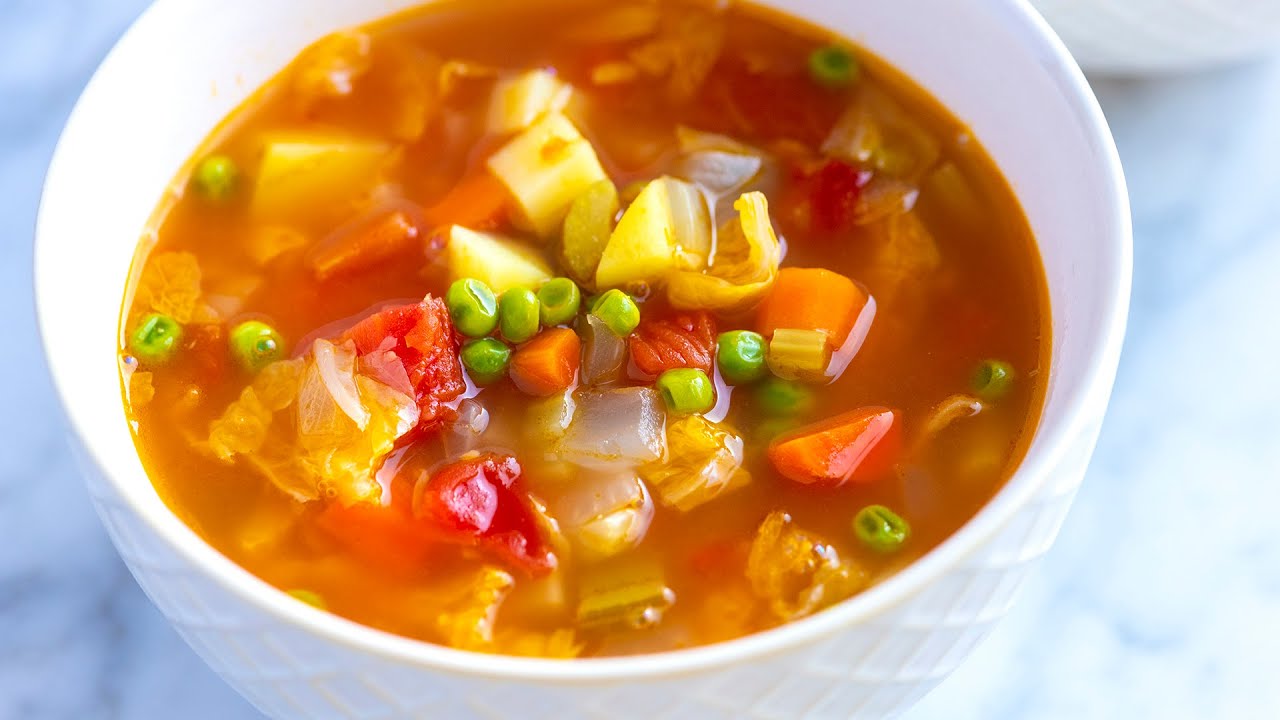
Soup Vegetables Recipe: There’s something deeply comforting about a warm bowl of vegetable soup. Whether you’re curled up on a chilly evening, recovering from a cold, or just in need of something wholesome, vegetable soup hits the spot every time. It’s a timeless classic that brings together nutrition, taste, and simplicity in one delicious dish.
The beauty of vegetable soup lies in its versatility—you can use whatever you have on hand and still end up with something nourishing and full of flavor. This guide will walk you through every single step of making the perfect pot of homemade soup, from picking your ingredients to serving it up just right. Whether you’re a beginner in the kitchen or someone who just wants to master the basics, this recipe is all you need.
Let’s dive in and make the coziest, most flavorful soup of your life.
List of Ingredients You’ll Need
To get started, let’s talk ingredients. You can absolutely make vegetable soup with what you have in your fridge right now, but here’s a complete list to guide you. This is flexible, so don’t stress if you’re missing one or two items.
Essential Vegetables
These form the foundation of your soup. They add bulk, flavor, and nutrients:
- Carrots – peeled and diced
- Potatoes – peeled and cubed (Yukon gold or russet work great)
- Celery – chopped into small pieces
- Onions – finely chopped (yellow or white preferred)
Optional Vegetables (for extra flavor and texture)
Add variety, color, and additional nutrition:
- Green beans – trimmed and chopped
- Zucchini – sliced into half moons
- Corn kernels – fresh or frozen
- Peas – fresh or frozen
- Spinach or kale – chopped
Broth Base
- Vegetable broth (low-sodium preferred)
- Optional: Chicken broth if not sticking to vegetarian
Herbs and Spices
These bring the soup to life. Don’t skip these!
- Garlic – minced (2–3 cloves)
- Bay leaves – 1 or 2
- Thyme – fresh or dried
- Parsley – fresh for garnish
- Black pepper – freshly ground
- Salt – to taste
Oil or Butter
- Olive oil (recommended)
- Or use unsalted butter for a richer flavor
Optional Protein Add-ins
Want to make it heartier? Try:
- Cooked lentils
- White beans or kidney beans
- Chickpeas
- Tofu cubes for a vegan protein option
With this list, you can customize your soup however you like. The more colorful your ingredients, the more nutrients you’re packing into each spoonful.
Tools You’ll Need
Before you start cooking, make sure you have the right tools to make the process easy and mess-free. While you don’t need anything fancy, having a few kitchen basics on hand will make your cooking smoother.
1. Large Soup Pot or Dutch Oven
This is the heart of the operation. A large, heavy-bottomed pot or Dutch oven helps distribute heat evenly and gives you enough space to make multiple servings.
2. Cutting Board and Sharp Knife
A solid cutting board and a sharp knife are essential for prepping your veggies. Dull knives can be dangerous and make chopping way harder than it needs to be.
3. Ladle
You’ll need a ladle to stir your soup and serve it later. It’s one of those tools you don’t appreciate until it’s gone!
4. Measuring Cups and Spoons
While this isn’t baking (where measurements need to be exact), it still helps to measure your spices and broth for consistency.
5. Blender or Immersion Blender (Optional)
If you’re planning to puree your soup into a smooth texture, a blender comes in handy. Immersion blenders are especially useful because you can blend right in the pot.
These basic tools will help make your cooking experience stress-free and enjoyable.
Preparation Before Cooking
Preparation is key when it comes to cooking a great soup. Doing your prep ahead of time keeps things smooth once the heat is on.
Wash Everything Thoroughly
Start by washing all your vegetables under cold running water. Use a vegetable brush for root veggies like potatoes and carrots. Clean produce = clean soup.
Peeling and Chopping Tips
- Carrots and potatoes should be peeled and chopped into small, bite-sized cubes for faster cooking.
- Onions should be finely chopped to help them melt into the broth and build flavor.
- Celery can be chopped into thin slices for even cooking.
- Try to keep the sizes consistent so everything cooks at the same rate.
Pre-measure Ingredients
Measure out your spices, broth, oil, and any add-ins before you start. This helps you stay organized and prevents scrambling for ingredients mid-recipe.
Spending a few extra minutes here makes the cooking process faster, smoother, and more enjoyable.
Step-by-Step Guide to Cooking Soup Vegetables
Here’s where the magic happens! This step-by-step guide will walk you through the entire process of making delicious homemade vegetable soup.
Step 1: Sauté the Aromatics
Start by heating 2–3 tablespoons of olive oil in your pot over medium heat. Add the chopped onions, garlic, and celery. Sauté for about 5 minutes until the onions are translucent and fragrant. This builds a flavorful base for your soup.
Step 2: Add the Root Vegetables
Next, toss in your chopped carrots and potatoes. Cook them for another 5–7 minutes, stirring occasionally. This step slightly softens the veggies and enhances their natural sweetness.
Step 3: Pour in the Broth
Once your veggies are fragrant and slightly tender, pour in 6–8 cups of vegetable broth (or chicken broth if you’re using that). Stir to combine, scraping up any bits stuck to the bottom of the pot for extra flavor.
Step 4: Bring to a Boil, Then Simmer
Turn up the heat and bring the soup to a boil. Once boiling, reduce the heat to low and let it simmer for about 20 minutes. This allows the flavors to meld and the root vegetables to soften further.
Step 5: Add Remaining Vegetables and Herbs
Now it’s time to add the softer vegetables like zucchini, green beans, corn, and peas. Also, throw in your herbs like thyme, bay leaves, and a pinch of salt and pepper. Simmer everything for another 10–15 minutes until all veggies are tender.
Step 6: Add Protein or Grains (Optional)
If you’re adding lentils, beans, or tofu, now’s the time to stir them in. Let them heat through for about 5 minutes. This adds protein and turns your soup into a full meal.
Step 7: Final Touches and Taste Test
Do a final taste test. Add more salt, pepper, or herbs if needed. Remove the bay leaves. If you want a creamier texture, use an immersion blender to partially blend the soup while keeping some chunks intact.
That’s it—your soup is ready to serve!
Tips for Perfect Soup Every Time
Even though soup is simple, a few extra tips can take yours from good to absolutely amazing.
Use Fresh, Seasonal Vegetables
Fresh produce always tastes better. Choose seasonal vegetables—they’re not only cheaper but also at their flavor peak.
Don’t Overcook Your Veggies
Simmering your soup too long can make veggies mushy. Keep an eye on the texture and pull it off the heat as soon as they’re fork-tender.
Layer Your Flavors
Start with sautéed aromatics and add herbs at different stages. Fresh herbs go in at the end for a flavor boost.
Balance the Flavors
Too salty? Add a splash of vinegar or a squeeze of lemon juice. Too bland? More herbs and a touch of spice can do wonders.
Add a Touch of Umami
A small spoon of tomato paste or soy sauce can add a rich umami flavor and deepen the overall taste.
How to Store and Reheat Vegetable Soup
One of the best things about vegetable soup is how well it stores. Whether you’re meal prepping or saving leftovers, it’s super easy to store, freeze, and reheat without losing flavor or texture.
Storing in the Refrigerator
Once your soup has cooled to room temperature, transfer it to an airtight container. It will last in the fridge for up to 5 days. Make sure you keep it tightly sealed to prevent it from absorbing any unwanted fridge smells.
- Tip: Store the soup in glass containers if you can—it holds heat better and doesn’t stain like plastic.
- Label your containers with the date you made the soup so you can keep track of freshness.
Freezing for Later
Vegetable soup freezes beautifully. Pour it into freezer-safe containers or zip-top freezer bags. Make sure to leave about 1 inch of space at the top of containers to allow for expansion as it freezes.
- It will stay good in the freezer for up to 3 months.
- To reheat from frozen, let it thaw overnight in the fridge, or defrost it in the microwave before heating.
Reheating Without Losing Flavor
Reheat on the stove over medium heat, stirring occasionally. If the soup has thickened too much, add a splash of broth or water to bring it back to the right consistency.
Microwave reheating also works—use a microwave-safe bowl and cover it loosely. Heat in 1-minute intervals, stirring in between until it’s hot all the way through.
This way, your homemade soup stays just as tasty on day five as it was on day one!
Serving Suggestions
Now that your soup is ready and piping hot, let’s talk about how to serve it in the most satisfying way possible. Yes, it’s delicious on its own—but pairing it with the right side or garnish can turn it into a complete meal.
Pair With a Crusty Bread or Rolls
Nothing complements a warm bowl of soup like fresh bread. Dip a piece of crusty sourdough or a soft dinner roll into your soup for a comforting bite.
- Garlic bread, focaccia, or even a simple toast with butter works great.
- If you’re gluten-free, try pairing with a gluten-free cornbread or rice cakes.
Top It Off
Add some finishing touches to make your soup feel extra special:
- A sprinkle of fresh parsley or basil
- A swirl of olive oil or vegan cream
- A dash of chili flakes for a spicy kick
- Grated parmesan (for non-vegan) or a sprinkle of nutritional yeast (for vegan)
Make It a Meal
You can serve this soup as:
- A starter for a multi-course dinner
- A side dish next to a sandwich or salad
- Or as the main course with added protein like beans or lentils
Make it yours, make it hearty, and most importantly—make it enjoyable!
Vegetable Soup Variations You’ll Love
One of the biggest advantages of vegetable soup is how customizable it is. You can take the base recipe and give it your own creative twist. Here are some tried-and-true variations to explore.
Spicy Vegetable Soup
Love a little heat? Add:
- Chili powder
- Cayenne pepper
- Jalapeños
- A dash of hot sauce
It’s the perfect warm-up on a cold day!
Creamy Vegetable Soup
Want something smoother and richer?
- Blend the soup entirely or halfway using a blender or immersion blender
- Stir in coconut milk, cream, or cashew cream for that velvety finish
This version is super comforting and tastes indulgent without being heavy.
Asian-Inspired Soup
Switch up the flavor profile by adding:
- Ginger
- Soy sauce or miso paste
- Bok choy or napa cabbage
- Rice noodles or tofu
This brings a delicious umami taste with light and fresh ingredients.
Italian-Style Minestrone
Take it Mediterranean by throwing in:
- Canned diced tomatoes
- White beans or kidney beans
- Small pasta like ditalini
- Italian herbs like oregano, basil, and thyme
Finish with grated parmesan and you’ve got a Tuscan treat.
There’s really no limit—just use your imagination and what you have on hand.
Why Homemade Soup is Better than Store-Bought
Sure, you can buy a can of soup off the shelf, but nothing beats the freshness and flavor of homemade. Here’s why making it yourself is a game-changer:
1. You Control the Ingredients
No hidden preservatives, excess salt, or weird additives. You know exactly what’s going into your soup—and your body.
2. Lower Sodium & Healthier Fats
Most store-bought soups are loaded with sodium and unhealthy oils. Homemade lets you keep it clean, light, and nutritious.
3. Customizable Flavor
Don’t like peas? Leave them out. Love spice? Add more! You’re the chef, and your soup reflects your taste.
4. Better Texture and Freshness
Ever noticed how canned soup vegetables are a little mushy? When you cook at home, you get that perfect tender bite every time.
So the next time you’re tempted to reach for a can—remember that your pot of homemade soup is not only tastier, but better for you in every way.
Making It Kid-Friendly
Getting kids to eat vegetables can be a challenge—but vegetable soup makes it surprisingly easy. With the right tweaks, you can turn a simple soup into something even the pickiest eaters will love.
Blend It for a Smooth Texture
Many kids prefer smooth textures over chunky vegetables. You can blend the soup using an immersion blender or a regular blender to turn it into a creamy, veggie-packed puree. It’s like a warm hug in a bowl—and they’ll never know how many greens are hiding inside!
Use Fun Shapes and Colors
If you want to keep the soup chunky, consider chopping the vegetables into fun shapes. Use small cookie cutters to cut carrots or potatoes into stars, hearts, or circles. Bright colors like corn, peas, and red bell peppers also make the dish more visually appealing.
Let Them Help in the Kitchen
Kids are more likely to eat something they helped make. Let them stir the pot (with supervision), rinse the veggies, or choose which ones to add. It’s a fun way to get them involved and more invested in their meal.
Go Easy on the Herbs and Spices
Some young tastebuds are sensitive to strong flavors. Stick to milder seasonings like parsley or basil, and avoid overly spicy or bitter ingredients. You can always let the adults add more flavor at the table.
With a little creativity, vegetable soup can be a healthy and loved family favorite—even with the little ones!
Vegan and Gluten-Free Options
Vegetable soup is naturally plant-based and easy to make vegan and gluten-free with just a few smart choices. Here’s how to ensure your recipe works for everyone at the table.
Choosing the Right Broth
Make sure your broth is labeled 100% vegan and gluten-free. Many store-bought broths use additives or flavor enhancers that contain gluten or animal byproducts. Better yet—make your own broth from scratch using veggie scraps!
Use Whole, Plant-Based Ingredients
Avoid any pre-packaged soup mixes or sauces unless you’re sure they meet your dietary needs. Stick to fresh, whole vegetables, legumes (like lentils or beans), and plant-based oils.
Add Vegan Protein
Boost the soup’s nutrition with:
- Cooked chickpeas
- Red or green lentils
- White beans
- Cubed tofu
These add not just protein but texture and flavor too, making your soup more filling and satisfying.
Avoid Gluten-Containing Add-ins
Watch out for pasta, store-bought spice blends, and some bouillon cubes—they may contain hidden gluten. If adding noodles, go with rice noodles or certified gluten-free pasta.
By staying mindful of labels and ingredients, you can serve a soup that’s completely safe, healthy, and delicious for everyone.
Nutritional Benefits of Vegetable Soup
Vegetable soup isn’t just tasty—it’s a powerhouse of nutrition. A single bowl can deliver a wide range of health benefits, especially when packed with fresh, colorful veggies.
Rich in Fiber
All those veggies? They’re loaded with dietary fiber, which helps keep your digestive system healthy and promotes feelings of fullness. Great for weight management and gut health!
Low in Calories, High in Nutrients
Vegetable soup is perfect for those trying to eat light without feeling deprived. It’s naturally low in calories but rich in vitamins and minerals like:
- Vitamin A (from carrots)
- Vitamin C (from bell peppers or tomatoes)
- Potassium (from potatoes and spinach)
- Folate and Iron (from leafy greens)
Supports Immune Health
Thanks to ingredients like garlic, onions, and leafy greens, vegetable soup can give your immune system a gentle boost—especially during cold and flu season.
Hydration Support
Since the soup is water-based, it also helps keep you hydrated while satisfying your hunger.
Whether you’re trying to eat clean, stay energized, or recover from illness, a good bowl of veggie soup has your back.
Common Mistakes to Avoid When Making Soup
Even though making vegetable soup is pretty forgiving, there are still a few common mistakes that can turn your cozy comfort food into a bland or mushy mess. Let’s go over what to avoid:
1. Overcooking the Vegetables
Timing matters. If you simmer your soup too long, especially after adding soft veggies like peas or zucchini, they’ll break down and lose their texture. Add delicate vegetables toward the end of cooking.
2. Underseasoning
Don’t be afraid to use salt and spices. Many homemade soups end up bland because people are too cautious with seasoning. Taste your soup throughout the cooking process and adjust accordingly.
3. Using Low-Quality Broth
Your broth is the backbone of your soup. If it’s dull, your whole soup will be, too. Always go for a rich, flavorful broth—or make your own using leftover veggie scraps!
4. Not Layering Flavors
Dumping everything into the pot at once may save time, but it won’t give you the best taste. Start by sautéing your aromatics (onions, garlic, celery), then gradually add your veggies and broth for richer flavor development.
5. Ignoring Texture
Too thin? Add some potatoes or beans and simmer longer. Too thick? Add a bit more broth or water. Balance is everything.
Avoid these mistakes, and your soup will be restaurant-quality every time.
FAQs about Soup Vegetables Recipe
1. Can I freeze vegetable soup?
Yes! Let it cool completely, then store in freezer-safe containers or bags for up to 3 months. Leave room for expansion when freezing.
2. What are the best veggies for soup?
Go with a mix of hardy (carrots, potatoes, celery) and soft (peas, corn, zucchini) vegetables for the perfect texture and taste.
3. Can I make it in a slow cooker?
Absolutely! Just toss everything into the slow cooker and cook on low for 6–8 hours or on high for 3–4 hours.
4. How can I thicken my vegetable soup?
Add mashed potatoes, lentils, blended beans, or partially blend the soup to thicken it naturally.
5. What herbs go best with vegetable soup?
Bay leaves, thyme, parsley, basil, oregano, and rosemary are all great additions depending on your flavor preference.
Conclusion
Vegetable soup is truly one of those magical recipes that never go out of style. It’s warm, nourishing, easy to make, and endlessly adaptable to whatever you have in your kitchen. Whether you’re cooking for your family, trying to eat healthier, or just looking for a cozy meal on a cold night, this guide gives you everything you need to make your best bowl yet.
From selecting fresh ingredients and following the step-by-step method to storing leftovers and exploring delicious variations, there’s no limit to how creative you can get. So grab your soup pot, prep your veggies, and bring comfort to your table one spoonful at a time.
Bon appétit!