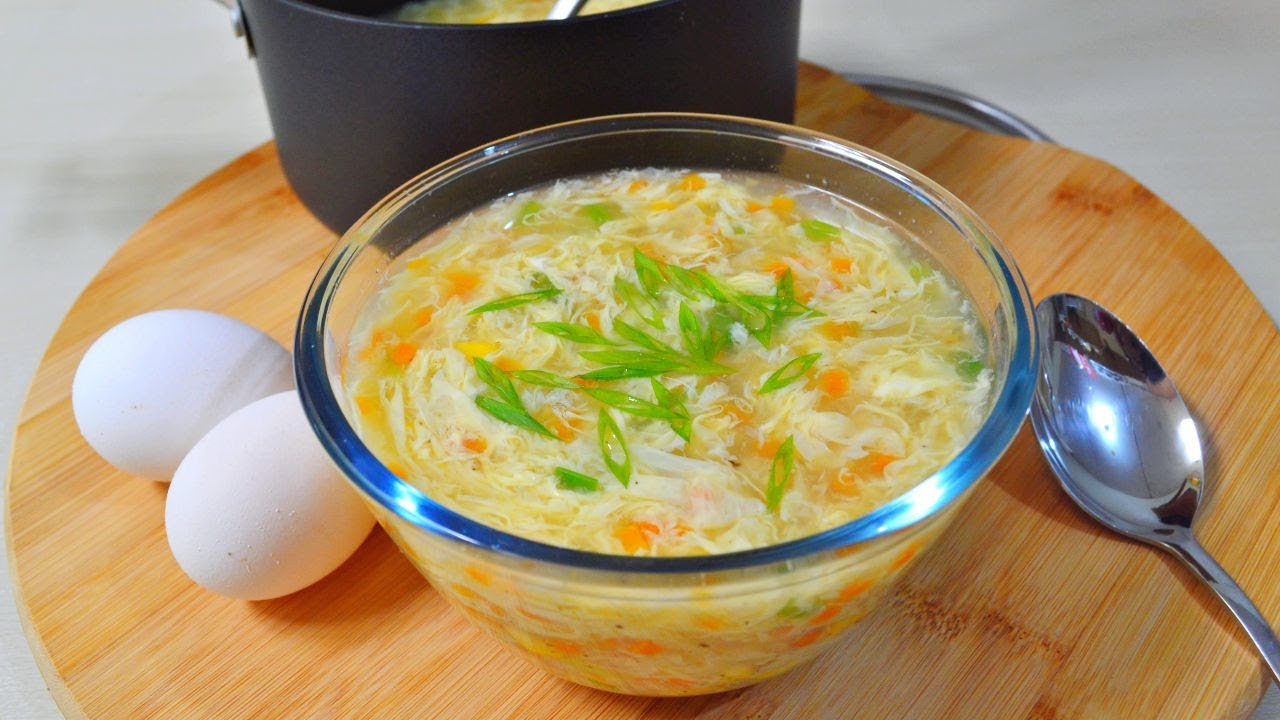
Soup Egg Recipe: Nothing beats a warm bowl of egg soup on a chilly evening or when you’re feeling under the weather. It’s quick, nutritious, budget-friendly, and made from simple ingredients you probably already have in your kitchen.
This guide is here to walk you through how to make the perfect egg soup, also known as egg drop soup, right from scratch. Whether you’re a total beginner in the kitchen or someone just looking for a quick cozy meal, this recipe is for you!
List of Ingredients You’ll Need
Getting your ingredients ready beforehand will make the process smooth and enjoyable. One of the best things about egg soup is how customizable it is — you can keep it as simple or as fancy as you like.
Basic Ingredients for Egg Drop Soup
Here’s a list of the absolute essentials:
- Eggs (2–3 large eggs) – Fresh is best, and room temperature helps with smoother ribbons.
- Chicken or Vegetable Broth (4 cups) – Store-bought or homemade, just make sure it’s flavorful.
- Cornstarch (1 tablespoon) – For thickening the soup slightly (optional, but recommended).
- Water (2 tablespoons) – To mix with the cornstarch.
- Salt (½ teaspoon) – Adjust to taste.
- White Pepper (¼ teaspoon) – Gives it a subtle heat and authentic taste.
- Soy Sauce (1 tablespoon) – Adds umami depth.
- Sesame Oil (½ teaspoon) – A small amount goes a long way for aroma.
Optional Add-ons and Toppings
Want to upgrade your egg soup? Try these additions:
- Green onions (sliced thinly)
- Sweet corn
- Mushrooms (shiitake, button, or enoki)
- Tofu cubes
- Cooked chicken shreds
- Spinach or bok choy
- Chili flakes or chili oil for heat
Vegetarian or Vegan Alternatives
If you’re avoiding animal products:
- Use vegetable broth instead of chicken.
- Replace eggs with a silken tofu swirl (for a similar texture, though not the same result).
Spice Level Customization
If you’re someone who loves heat, keep chili oil or sriracha on hand. For a milder version, skip the pepper altogether and use more broth for flavor.
Step-by-Step Guide to Making Soup Egg Recipe
Now that you’re all set with the ingredients, let’s jump into how to actually make the egg soup — from prepping to serving. It’s super simple and takes under 15 minutes!
Step 1: Preparing Your Ingredients
Before turning on the stove, prepare everything. Crack the eggs into a bowl and beat them lightly with a fork or whisk — you want the whites and yolks to be well mixed. If you’re using cornstarch, mix it separately with cold water to form a slurry. Chop any vegetables or proteins you’re adding. Have your broth measured and ready to go. Cooking egg soup happens fast, so prepping first saves you from scrambling (no pun intended!).
Step 2: Creating the Base (Broth)
Pour your broth into a saucepan or pot and bring it to a gentle boil over medium heat. Add soy sauce, salt, white pepper, and sesame oil. If you’re using mushrooms or corn, this is the time to add them so they cook in the broth and release flavor.
The quality of your broth makes a huge difference. Homemade broth will always give you a richer, more comforting soup, but a good-quality store-bought one works fine in a pinch.
Step 3: Beating the Eggs Properly
This step is simple but important. Beat the eggs just until blended — don’t overdo it. The more uniformly they’re mixed, the prettier your egg ribbons will be. You don’t need to season the eggs separately since the soup base handles all the flavor.
Step 4: Pouring Eggs into Hot Soup
With the broth at a simmer (not a full boil), slowly pour in the beaten eggs using a fork, chopstick, or spoon to guide them. Stir gently in one direction while pouring. This swirling motion helps the eggs form those lovely silky ribbons instead of clumping.
Pro tip: The slower and thinner the stream, the better the ribbon effect!
Step 5: Stirring for the Perfect Egg Ribbons
Keep stirring the soup in a slow circle while the eggs set — this only takes 30 seconds or so. Don’t overstir or you’ll end up with mushy egg bits instead of long ribbons. Let the eggs float and dance through the soup for that restaurant-quality texture.
Step 6: Adding Vegetables or Protein (Optional)
Now’s the time to toss in extras like chopped spinach, tofu, or cooked shredded chicken. These just need a minute or two to heat through. Make sure whatever you’re adding is already cooked, especially if you’re in a rush.
If you’re going for a more filling meal, some soft noodles or rice on the side pairs wonderfully with this soup.
Step 7: Seasoning and Tasting
Give your soup a taste test. Adjust salt, pepper, or soy sauce to your liking. Want it spicier? Add some chili oil or a pinch of cayenne. Prefer a deeper flavor? A dash more sesame oil can work wonders. This is the part where you really make the soup your own.
Step 8: Garnishing the Soup
Garnishes aren’t just for looks — they add flavor and texture. Thinly sliced green onions, sesame seeds, crispy garlic chips, or a drizzle of chili oil all add the perfect final touch. Sprinkle them over just before serving.
Step 9: Serving the Egg Soup Hot
Serve the egg soup hot, straight from the pot to the bowl. It’s best enjoyed fresh while the egg ribbons are still tender and the broth is steaming. Pair it with a light salad, dumplings, or just enjoy it solo for a warm, light meal.
Step 10: Storing Leftovers
If you made extra, let it cool before transferring to an airtight container. It will last in the fridge for 2–3 days. To reheat, warm it gently over low heat to avoid overcooking the eggs. Avoid freezing — the eggs don’t hold up well once thawed.
Tips and Tricks for the Perfect Egg Soup
Even though egg soup is easy to make, a few clever tricks can take it from just good to absolutely amazing. Whether it’s your first time or you’ve made it before, these tips will help you perfect it every single time.
How to Avoid Overcooked Eggs
Let’s face it — rubbery eggs in soup can be a real downer. The key to avoiding that? Don’t boil the soup once you add the eggs. Always reduce the heat to a gentle simmer before you pour in the beaten eggs. Once they hit the hot broth, they’ll cook almost instantly. Also, don’t stir too aggressively — gentle swirling is enough to form those delicate ribbons.
Another pro tip: pour the eggs in a thin, steady stream while stirring slowly in one direction. This helps create those beautiful “egg flower” patterns you often see in restaurant egg drop soups.
Best Broths to Use
Your soup is only as good as your broth. For the most flavor-packed experience, here are your best options:
- Homemade Chicken Broth – Full of rich, deep flavor
- Vegetable Broth – Perfect for vegetarians or a lighter taste
- Bone Broth – High in protein and collagen, great for health
- Miso Broth – If you want an Asian-fusion twist
Avoid bland or watery broths. If you’re using store-bought, go for low-sodium and adjust seasoning yourself. That way, you’re in control of the saltiness.
Gluten-Free or Low-Sodium Options
Trying to keep it healthier or cater to dietary needs? No problem:
- Use Tamari or Coconut Aminos instead of regular soy sauce for gluten-free options
- Skip the cornstarch if you want a thinner soup (or use arrowroot as a substitute)
- Opt for low-sodium broth and season it yourself with herbs, spices, or a splash of lemon juice to enhance flavor without extra salt
This soup is easily adjustable — one of the many reasons it’s a go-to in so many kitchens around the world.
Nutritional Value of Egg Soup
One of the best things about egg soup? It’s not just tasty — it’s good for you too. Let’s take a look at why this humble dish is a smart addition to your diet.
Calories and Macros
Here’s an approximate nutritional breakdown for a standard bowl of egg soup (1 serving):
| Nutrient | Amount |
|---|---|
| Calories | 120–150 kcal |
| Protein | 8–10g |
| Carbohydrates | 5–10g |
| Fat | 6–8g |
| Fiber | 0–2g |
These values can vary depending on what ingredients or toppings you add. Want more protein? Toss in tofu or chicken. Watching carbs? Skip the cornstarch or noodles.
Health Benefits of Ingredients
- Eggs are rich in high-quality protein, essential vitamins like B12, and minerals such as iron and zinc.
- Broth helps with hydration and digestion — especially if it’s bone broth, which is great for your joints and gut.
- Vegetables like spinach, mushrooms, or corn add fiber, antioxidants, and a range of vitamins.
- Ginger, garlic, and chili (if you choose to add them) can boost your immune system and help fight inflammation.
Great for Weight Management?
Absolutely! Because it’s low in calories and high in protein, egg soup is filling without being heavy. It’s perfect as a starter to a bigger meal or a light lunch or dinner on its own. Plus, you get that warm, cozy feeling without any of the guilt.
Variations of the Egg Soup Recipe
The beauty of egg soup lies in how versatile it is. Different cultures have their own spin on it, and you can mix and match to suit your taste buds. Let’s take a world tour of egg soup variations!
Chinese Egg Drop Soup
This is the classic version most people know. It features clear chicken broth, ribbons of egg, white pepper, and green onions. Some recipes also include corn or tofu. It’s light, silky, and served as a starter in many Chinese meals.
Key ingredients:
- Chicken broth
- Beaten eggs
- Soy sauce
- Cornstarch (optional)
- Green onions
Korean Gyeran-guk (Egg Soup)
This version is a little heartier. Korean egg soup is usually made with anchovy or seaweed broth, and sometimes includes garlic, sesame oil, and tofu. It’s often eaten as a breakfast dish or side in Korea.
Unique features:
- Use of garlic and sesame oil
- Anchovy broth or kelp-based stock
- Served with rice or kimchi
Spicy Thai Egg Soup
Thailand brings the heat and flavor complexity. Thai-style egg soup might feature fish sauce, lime juice, Thai chilies, and even coconut milk for a creamy twist.
Flavor profile:
- Spicy, tangy, and rich
- Garnished with cilantro and lime
- Often includes rice noodles or shrimp
Western-Style Creamy Egg Soup
Want something closer to a cream of chicken soup? Whisk the eggs into a creamy broth made with a splash of milk or cream. Add carrots, peas, and maybe a bit of shredded cheese for a comforting American-style version.
Highlights:
- Creamy texture
- Mild seasoning
- Great for picky eaters or kids
These variations prove just how adaptable egg soup really is. Start with the basics and let your creativity run wild!
FAQs about Soup Egg Recipe
1. Can I use egg whites only in egg soup?
Yes! You can skip the yolks and use just egg whites for a lighter version. It still tastes great and gives you that ribbon texture.
2. What’s the best type of broth for egg soup?
Chicken broth is the most popular choice, but vegetable broth works well too. For more flavor, try using bone broth or dashi.
3. Can I freeze egg soup for later use?
It’s not recommended. The eggs can become rubbery when thawed. Instead, store in the fridge and consume within 2–3 days.
4. How do I make egg soup creamy?
Add a splash of milk or cream to your broth before adding the eggs. Stir gently to create a rich, velvety texture.
5. Is egg soup good for colds or flu?
Definitely. It’s warm, hydrating, easy to digest, and packed with nutrients — perfect when you’re feeling under the weather.
Conclusion
Egg soup is one of those magical dishes that’s more than the sum of its parts. In just about 10–15 minutes, you can whip up something warm, filling, and good for your body and soul. Whether you go the traditional route or try one of the fun variations, it’s a recipe that you’ll keep coming back to — especially on days when you need something quick, tasty, and comforting.
So go ahead, grab those eggs, heat up that broth, and give this recipe a go. You might just find your new favorite comfort food.