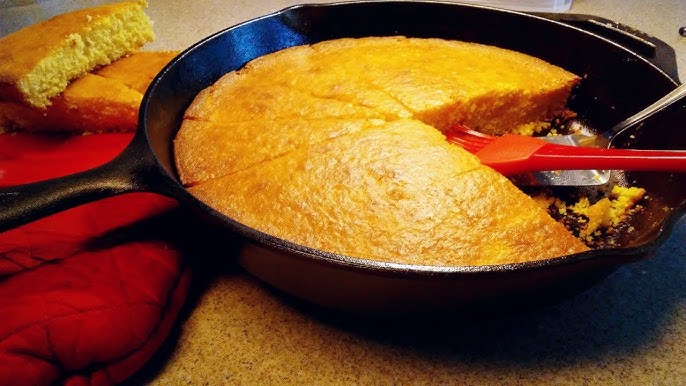
Skillet Cornbread Recipe: There’s just something magical about cornbread cooked in a cast iron skillet. It’s golden, slightly crunchy on the outside, soft and tender inside, and full of cozy, nostalgic flavor. Whether you’re pairing it with chili on a cold night or serving it warm with a drizzle of honey, skillet cornbread is one of those go-to recipes that never disappoints.
In this guide, we’re diving deep into the ultimate homemade skillet cornbread recipe — no boxed mix, no shortcuts, just pure, from-scratch deliciousness. And the best part? It’s easier than you think! We’ll walk through every step of the process, from picking the right ingredients to nailing that golden-brown crust that makes skillet cornbread truly irresistible.
Ready to make the best cornbread of your life? Let’s get into it.
Ingredients You’ll Need
Let’s start with the basics. These are the ingredients you’ll want to have on hand before you preheat that oven:
Basic Ingredients:
- 1 cup yellow cornmeal (for that classic cornbread flavor)
- 1 cup all-purpose flour (adds structure and balance)
- 1 tablespoon baking powder (to help it rise)
- ½ teaspoon baking soda (reacts with buttermilk for fluffiness)
- ½ teaspoon salt (flavor enhancer)
- 1 tablespoon sugar (optional, for a hint of sweetness)
- 2 large eggs (binds the batter together)
- 1 ¼ cup buttermilk (adds tang and moisture)
- ¼ cup melted butter (for richness)
- 2 tablespoons vegetable oil or butter (for greasing the skillet)
Optional Add-Ins:
- ½ cup shredded cheddar cheese
- 1 chopped jalapeño (for spice)
- ¼ cup corn kernels
- 2 tablespoons honey (for sweetness)
Ingredient Tips:
- No buttermilk? Mix 1 tablespoon lemon juice or vinegar with 1 ¼ cups milk and let it sit for 5 minutes.
- Dairy-free? Use plant-based milk + vinegar, and swap butter with vegan margarine.
- Want it sweeter? Add 2–3 tablespoons sugar or honey to the batter.
Having these ingredients prepped and measured makes the whole process smoother. And trust me — once you master this, you’ll never reach for a boxed mix again.
Choosing the Right Skillet
If there’s one thing that makes skillet cornbread truly special, it’s the skillet. A well-seasoned cast iron skillet isn’t just a cooking tool—it’s the secret weapon to achieving that crispy, golden crust that everyone loves.
Why Cast Iron Is King
Cast iron skillets hold heat like champs. Once they’re hot, they stay hot, which is exactly what you need to create a crunchy bottom and edges without overbaking the inside. The heat distributes evenly, giving your cornbread a perfect bake every time.
Ideal Skillet Size
For this recipe, an 8 to 10-inch cast iron skillet works best. A smaller skillet results in a thicker, fluffier cornbread, while a larger one will give you thinner slices with more crust. Both are delicious—it just depends on your preference.
Seasoning and Care
Make sure your skillet is well-seasoned. That means it has a layer of baked-in oil that prevents sticking and adds flavor. If your skillet is new or unseasoned, rub it down with a thin layer of vegetable oil and bake it empty at 400°F for an hour before using.
Preheating is Essential
Place the skillet in the oven while it preheats. When you pour the batter into a sizzling hot skillet, it immediately starts to cook the outer edges, giving you that satisfying crunch. It’s a game-changer—don’t skip it!
Prepping for Success: Kitchen Tools You’ll Need
Before diving into mixing and baking, it helps to have all your tools ready to go. You don’t need anything fancy, but a few basics will make your process smooth and stress-free.
Essential Kitchen Tools:
- Mixing Bowls – At least two: one for wet ingredients, one for dry.
- Whisk and Spatula – To combine ingredients and scrape down the sides.
- Measuring Cups & Spoons – Accuracy matters, especially for baking.
- Cast Iron Skillet – 8 to 10 inches, well-seasoned.
- Oven Mitts – That skillet gets seriously hot.
- Cooling Rack – To let the cornbread rest after baking.
Optional Extras:
- Pastry brush (for buttering the top after baking)
- Silicone spatula (for easier mixing and folding)
- Cornbread divider or knife (for cutting into even wedges)
Prepping everything before you start baking—also known as “mise en place”—saves time and keeps the process enjoyable. No last-minute scrambles for a whisk when your batter’s ready to pour!
The Science Behind Perfect Cornbread
Making cornbread isn’t just about following a recipe—it’s about understanding how each ingredient contributes to the final flavor and texture. That’s the difference between decent and wow, can I have the recipe?! results.
Cornmeal and Flour Balance
Cornmeal gives cornbread its signature taste and grainy texture. But using all cornmeal can make it crumbly and dry. That’s why we add all-purpose flour—it softens the crumb and gives the bread structure.
- More cornmeal = coarser texture and stronger corn flavor
- More flour = softer, fluffier texture
For a classic balance, go 50/50 like we do in this recipe.
Buttermilk and Baking Soda Reaction
Buttermilk is more than just a liquid—it adds tangy flavor, keeps the cornbread moist, and reacts with baking soda to create lift. That fizzing reaction is what gives your bread those lovely air pockets and keeps it from being dense.
If you don’t have buttermilk, use milk + lemon juice or vinegar as mentioned earlier.
Eggs and Butter = Moisture + Richness
Eggs bind everything together and add structure. Butter brings richness and helps brown the crust. Using melted butter in the batter, and extra butter or oil in the skillet, gives your cornbread deep flavor and crispy edges.
Sugar: Friend or Foe?
Some people insist cornbread should never be sweet. Others love it with a hint of sugar or honey. It’s up to you! A little sweetness balances out savory dishes like chili or BBQ beautifully.
Step-by-Step Guide to Making Skillet Cornbread
Now that we’ve got all the pieces in place, let’s put them together! Follow these steps carefully, and you’ll have golden, buttery cornbread with a perfectly crisp crust.
Step 1: Preheat the Oven and Skillet
Preheat your oven to 220°C (425°F). Place a cast-iron skillet inside while the oven heats. A hot skillet is crucial—it creates that signature crispy, golden crust the moment the batter hits the pan.
Step 2: Mix the Dry Ingredients
In a bowl, whisk together cornmeal, all-purpose flour, baking powder, sugar (optional), and salt. The right balance of cornmeal and flour gives you a tender crumb with just enough bite.
Step 3: Combine the Wet Ingredients
In a separate bowl, mix milk or buttermilk, eggs, and melted butter or oil. Using room-temperature ingredients helps everything blend smoothly and bake evenly.
Step 4: Mix Wet and Dry Together
Pour the wet mixture into the dry ingredients and stir gently until just combined. A few small lumps are fine—overmixing will make the cornbread dense instead of fluffy.
Step 5: Add the Batter to the Hot Skillet
Carefully remove the hot skillet, add a little butter or oil, and swirl to coat. Pour in the batter—it should sizzle slightly. This prevents sticking and boosts crust flavor.
Step 6: Bake Until Golden Brown
Bake for 20–25 minutes, until the top is golden and a toothpick inserted in the center comes out clean. The edges should pull slightly from the pan.
Step 7: Cool Before Serving
Let the cornbread cool for 10–15 minutes. This allows it to set, making slices cleaner and texture perfect before serving.
Serving Suggestions
Now that your skillet cornbread is baked to golden perfection, it’s time to serve it up. Cornbread is incredibly versatile—it can be the star of the meal, a tasty side, or even a satisfying snack.
Perfect Pairings
Cornbread loves company. Here are some classic and creative ways to enjoy it:
- With chili – The rich, spicy flavors of chili are balanced beautifully by the slightly sweet and crumbly texture of cornbread. Break it into chunks and let it soak up the goodness!
- Alongside BBQ – Pulled pork, ribs, or grilled chicken find their soulmate in a slice of buttery cornbread.
- Soup’s best friend – Dipping cornbread into a hearty stew or creamy soup? Yes, please.
- Southern-style breakfast – Warm it up and enjoy with eggs, sausage, or even gravy.
Sweet or Savory? You Choose
Cornbread is a blank canvas. You can go sweet, savory, or somewhere in between depending on your mood.
- Sweet toppings: honey, maple syrup, jam, whipped butter, or even cinnamon sugar.
- Savory toppings: compound butter with herbs, hot sauce, or a sprinkle of flaky sea salt.
Creative Leftover Ideas
Got leftovers? Don’t let them go to waste.
- Cornbread croutons: Cut into cubes, toss with olive oil, and toast in the oven for killer salad toppers.
- Cornbread stuffing: Break into chunks and mix with sautéed onions, celery, broth, and herbs. Bake for a Southern twist on stuffing.
- Cornbread breakfast bowl: Crumble into a bowl and top with eggs, avocado, and hot sauce.
This humble bread really can do it all.
Storage and Reheating Tips
If you’re lucky enough to have leftovers, knowing how to store and reheat cornbread properly makes all the difference between dry disappointment and next-day deliciousness.
How to Store Cornbread
- Room Temperature: Let it cool completely, then wrap tightly in plastic wrap or foil. Store for up to 2 days.
- Refrigerator: If keeping it longer, pop it in an airtight container and refrigerate for up to 5 days.
- Freezer: Slice into portions and wrap each piece individually in plastic wrap and foil. Freeze for up to 3 months.
Pro Tip: Label your wrapped portions with the date so you don’t forget about them.
Reheating Cornbread
- Oven (best method): Wrap in foil and heat at 350°F for 10-15 minutes.
- Microwave: Place on a plate with a damp paper towel over it. Heat for 20–30 seconds at a time until warm.
- Skillet: Heat a small pat of butter in a pan and warm slices on medium-low heat for a toasty, crispy edge.
Cornbread is best enjoyed warm, so always take the extra step to reheat properly—it’s worth it.
Common Mistakes and How to Avoid Them
Even with a simple recipe, a few missteps can turn your cornbread from dreamy to dry or crumbly. Let’s break down the most common issues and how to steer clear.
1. Dry, Crumbly Texture
What went wrong?
- Too much cornmeal or not enough fat
- Overbaking
Fix it next time:
- Stick to the balanced flour-to-cornmeal ratio (1:1)
- Don’t overbake—check for doneness at 20 minutes
- Use full-fat buttermilk and don’t skimp on the butter
2. Soggy Bottom
What went wrong?
- Skillet wasn’t preheated
- Too much liquid in the batter
Fix it next time:
- Preheat your skillet in the oven until it’s hot
- Follow the measurements closely and avoid adding extra wet ingredients
3. Batter Sticking to the Skillet
What went wrong?
- Skillet not properly greased or seasoned
Fix it next time:
- Always heat the skillet with oil or butter before adding the batter
- Ensure your cast iron is well-seasoned or use a non-stick oven-safe pan as a backup
4. Tough Cornbread
What went wrong?
- Overmixing the batter
Fix it next time:
- Mix just until the ingredients are combined; lumps are totally okay!
By learning from these common mistakes, you’ll perfect your cornbread technique and wow your family or guests every time.
Cornbread Variations to Try
Once you’ve nailed the classic version, it’s time to get creative. Here are some of our favorite ways to take your cornbread to the next level.
1. Jalapeño Cheddar Cornbread
Add 1 chopped jalapeño (remove seeds for less heat) and ½ cup shredded sharp cheddar cheese to the batter. Top with a few extra jalapeño slices before baking for flair and flavor.
2. Honey Butter Glazed Cornbread
Mix 2 tablespoons melted butter with 1 tablespoon honey and brush it over the cornbread right after it comes out of the oven. This gives it a shiny, sweet top and a flavor boost.
3. Bacon & Scallion Cornbread
Fold in ½ cup cooked, crumbled bacon and ¼ cup sliced scallions for a savory punch. Perfect as a breakfast side!
4. Southern vs. Northern Style
- Southern cornbread is usually savory with little to no sugar, uses cornmeal as the dominant ingredient, and often includes buttermilk.
- Northern cornbread tends to be sweeter, cake-like, and may include more flour for a softer crumb.
Pick your favorite or alternate depending on the meal—it’s fun to experiment!
Gluten-Free and Vegan Options
Cornbread is a great candidate for dietary adjustments, and you don’t have to sacrifice taste or texture to make it work for your needs.
Gluten-Free Version
- Use a 1:1 gluten-free flour blend instead of all-purpose flour
- Ensure your cornmeal is labeled gluten-free (some are processed with wheat)
Vegan Version
- Replace buttermilk with plant-based milk + 1 tbsp vinegar
- Use flax eggs (1 tbsp ground flaxseed + 3 tbsp water = 1 egg)
- Swap butter with vegan margarine or coconut oil
These swaps will still give you a moist, flavorful, and crispy-edged cornbread that even non-vegans will love.
Nutritional Breakdown (Per Serving)
If you’re keeping an eye on what you’re eating, it’s always helpful to know what’s going into your food. While skillet cornbread isn’t exactly a health food, it can still fit into a balanced diet—especially when made from scratch.
Here’s a rough estimate for one serving (based on 8 servings per recipe):
| Nutrient | Amount (Per Serving) |
|---|---|
| Calories | 210–250 kcal |
| Carbohydrates | 28g |
| Protein | 5g |
| Fat | 10g |
| Saturated Fat | 4g |
| Fiber | 2g |
| Sugar | 2–4g |
| Sodium | 300mg |
Tips for Lightening It Up
- Use low-fat buttermilk or plant-based milk
- Cut down the butter and replace part with unsweetened applesauce
- Skip the sugar or use a natural sweetener like maple syrup in moderation
- Use whole wheat flour for extra fiber
Remember, enjoying a slice of homemade cornbread—especially when shared with others—is a joy in itself. And that’s worth more than a calorie count any day.
Why Skillet Cornbread Beats Boxed Mix Every Time
We get it—boxed mixes are fast and convenient. But once you taste homemade skillet cornbread, you’ll understand why it’s totally worth the extra few minutes in the kitchen.
Here’s What You Gain with Homemade:
- Flavor: Fresh ingredients, real butter, and buttermilk give a richer, deeper taste than a mix ever could.
- Texture: That golden, crispy crust from the hot skillet just can’t be replicated with a foil tray and a microwave.
- Customization: Want it spicy? Sweet? Cheesy? With a mix, you’re limited. From scratch, the sky’s the limit.
- Ingredient Control: No preservatives, mystery oils, or additives—just real food.
- Tradition: There’s something special about making cornbread from scratch, especially when it’s passed down or shared during holidays or family dinners.
So while boxed cornbread might save you 5 minutes, homemade skillet cornbread gives you flavor, pride, and a way better eating experience.
FAQs about Skillet Cornbread Recipe
1. Can I use milk instead of buttermilk?
Yes! Just add 1 tablespoon of lemon juice or white vinegar to 1¼ cups of milk and let it sit for 5 minutes. It’ll mimic buttermilk’s acidity and do the job.
2. What if I don’t have a cast iron skillet?
You can use any oven-safe skillet or a baking dish. You won’t get the same crispy edges, but it’ll still taste amazing.
3. How do I make my cornbread fluffier?
Use room temperature ingredients, don’t overmix your batter, and make sure your leavening agents (baking powder & soda) are fresh.
4. Can I add sugar to make it sweeter?
Absolutely. Add 1 to 3 tablespoons of sugar or honey depending on how sweet you like it. Some people even prefer up to ¼ cup for a cakier version.
5. What’s the difference between Southern and Northern cornbread?
Southern cornbread is typically less sweet, often made with buttermilk, and uses more cornmeal. Northern versions tend to be sweeter, lighter, and use more flour.
Conclusion
Skillet cornbread is more than just a side dish—it’s a comforting, golden, soul-satisfying staple that belongs in every kitchen. Whether you’re whipping it up for a big family meal or just want something warm and cozy to go with soup, this recipe delivers.
We’ve walked through every step: from choosing the right skillet, to mixing your batter with love, to slicing into that golden crust after a successful bake. You now have all the tools you need to make it perfect every time—and trust me, once you’ve tried it homemade, you’ll never look at boxed cornbread the same again.
So what are you waiting for? Get that skillet sizzling and start creating your very own cornbread tradition.