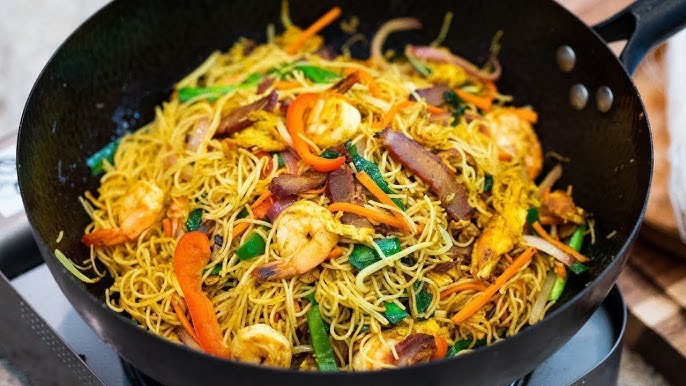
Singapuri Noodles Recipe: If you’ve ever wandered into a Chinese takeout or scrolled through a food blog, chances are you’ve seen Singapore Noodles pop up. Bright yellow from curry powder, tossed with juicy shrimp or chicken, and packed with stir-fried veggies — this dish screams flavor and comfort. But here’s the twist: Singapore Noodles aren’t actually from Singapore. Shocking, right?
This flavorful stir-fried noodle dish is believed to have originated in Hong Kong, tailored to suit the Western palate with familiar Asian flavors. It’s become a staple in Chinese restaurants around the globe. It combines soft rice vermicelli with crunchy veggies, your choice of protein, and that signature curry flavor that gives it its bold golden color.
Whether you’re looking for a quick weeknight dinner, a flavorful way to use up leftover veggies, or something exciting for your next meal prep plan — this recipe’s for you. Ready to make your own? Let’s break it down step-by-step.
Ingredients You’ll Need
You don’t need anything fancy to make this dish — just pantry staples and fresh produce. Here’s what to gather:
Noodles
- Rice vermicelli noodles (thin, white, and perfect for soaking up flavor)
Proteins
- Shrimp (peeled and deveined)
- Chicken breast or thigh, thinly sliced
- Tofu (for a vegetarian twist)
Vegetables
- Red and yellow bell peppers, thinly sliced
- Carrots, julienned
- Snow peas or sugar snap peas
- Green onions
- Bean sprouts (optional but great for crunch)
Aromatics
- Garlic, minced
- Fresh ginger, grated
- Onions, thinly sliced
Sauces & Spices
- Curry powder (the star ingredient)
- Soy sauce
- Sesame oil
- Shaoxing wine (optional for that authentic touch)
- Chili flakes or fresh chili (optional for heat)
Optional Add-ins
- Scrambled eggs (for texture and protein)
- Lime wedges (for serving)
- Cilantro or scallions (for garnish)
Pro Tip: Always slice your ingredients thin so they cook evenly and quickly in the pan.
Step-by-Step Guide to Make Singapore Noodles
Step 1: Preparing the Noodles
Start by soaking your rice vermicelli noodles in warm water. Don’t boil them like regular pasta — these noodles are delicate. Soaking for about 10 minutes should soften them just right. Once soft, drain and rinse with cold water to stop the cooking. Set them aside.
You want them slightly al dente because they’ll finish cooking in the pan with all the other ingredients. Over-soaking will give you mushy noodles — and nobody wants that.
Step 2: Marinating and Cooking the Proteins
If you’re using chicken or shrimp, toss them with a little soy sauce, garlic, and a sprinkle of curry powder. Let them marinate for 10–15 minutes to soak up the flavor.
In a large wok or skillet, heat some oil and stir-fry your protein until fully cooked. Chicken should be golden brown, shrimp should turn pink and curl. Remove from pan and set aside.
Tofu? Make sure you press it first to get rid of excess water. Then cube and pan-fry until golden on all sides.
Step 3: Sautéing Aromatics and Vegetables
Add a bit more oil to the same pan. Toss in your minced garlic, grated ginger, and sliced onions. Let them sizzle until fragrant.
Now add your veggies — bell peppers, carrots, peas. Stir-fry on high heat so they stay vibrant and crisp. You want that crunch!
This is also when you can scramble an egg in the corner of your pan if you’re adding one. It cooks in seconds and adds a lovely texture.
Step 4: Making the Curry Sauce
Time to bring that golden flavor!
In a small bowl, mix:
- 2 tablespoons curry powder
- 2 tablespoons soy sauce
- 1 teaspoon sesame oil
- A splash of water
- Optional: chili flakes if you want heat
Pour this mixture into your sizzling veggies and aromatics. Let it coat everything evenly and cook for about 1–2 minutes until it smells amazing.
Step 5: Combining Everything Together
Now toss in your cooked noodles and protein. Use tongs to gently lift and turn the noodles so they don’t break apart. Make sure every strand gets coated in that curry sauce. Keep the heat high but don’t overcook.
Everything should be heated through, the noodles should have absorbed the sauce, and your kitchen should smell heavenly.
Step 6: Final Touches & Garnishing
Once everything’s combined, give it a final splash of soy sauce or squeeze of lime to brighten up the flavor.
Top with bean sprouts, green onions, and maybe a sprinkle of sesame seeds or fresh cilantro. Serve hot!
Pro Tips for Perfect Singapore Noodles
Getting this dish right is all about balance. You want flavor, texture, and color to work together in harmony. So here are a few pro tips to take your Singapore Noodles from good to unforgettable:
- Use high heat: Stir-frying needs quick, intense heat. A hot wok is key to getting that slightly charred, smoky flavor — known as wok hei in Cantonese cuisine.
- Prep everything before you start cooking: This dish moves fast. Chop your veggies, marinate your protein, and mix your sauce before the heat goes on.
- Don’t over-soak the noodles: Rice vermicelli can go from perfect to mushy in a flash. Stick to the soaking time and rinse them with cold water after draining.
- Toss gently: When combining everything in the wok, use tongs or chopsticks to gently lift and mix the noodles. This keeps them from breaking apart.
- Taste and adjust: Everyone’s curry powder and soy sauce vary in saltiness and intensity. Taste your final dish and tweak with extra lime juice, soy sauce, or chili as needed.
By following these simple tricks, you’ll not only avoid the common pitfalls, but also bring out the full potential of your dish.
Variations of Singapore Noodles
One of the best things about Singapore Noodles is how flexible the recipe is. Whether you’re vegetarian, gluten-free, or a spice lover, there’s a version for you:
Vegetarian/Vegan Version
- Skip the meat and use firm tofu or tempeh.
- Add more vegetables like mushrooms, broccoli, or bok choy.
- Use tamari or coconut aminos instead of soy sauce to make it gluten-free.
Gluten-Free Version
- Use gluten-free soy sauce or tamari.
- Double-check that your curry powder is gluten-free (some blends may contain wheat-based fillers).
- Rice vermicelli is naturally gluten-free, so you’re already winning there!
Spicy Chili-Garlic Twist
- Add a spoon of chili garlic paste or Sambal Oelek.
- Drizzle with homemade chili oil before serving.
- Toss in some sliced red chilies or Thai bird’s eye chili for fiery heat.
There’s really no wrong way to enjoy this dish — just tweak it to suit your preferences and dietary needs.
What to Serve With Singapore Noodles
Although Singapore Noodles can stand strong as a main dish, they also pair beautifully with a few tasty sides:
Appetizers
- Spring rolls (fresh or fried)
- Potstickers (dumplings)
- Edamame with sea salt
Side Dishes
- Stir-fried greens like bok choy or Chinese broccoli
- Hot and sour soup
- Cucumber salad with sesame dressing
Drinks
- Iced jasmine tea
- Thai iced tea
- Light white wine or sparkling water with lemon
These pairings help round out the meal and offer a variety of textures and flavors to enjoy.
Common Mistakes to Avoid
Even though it’s an easy dish, there are a few common pitfalls that can turn your Singapore Noodles into a soggy mess. Let’s steer clear of those:
- Overcooking the noodles: As mentioned before, these noodles are delicate. Only soak until soft and always rinse with cold water.
- Crowding the pan: Too many ingredients in a small pan means steaming, not stir-frying. Cook in batches if necessary.
- Not enough heat: High heat gives the veggies their crisp texture and brings out the aroma of the curry spices.
- Skipping the prep: This dish comes together quickly. If you’re still chopping veggies while stir-frying, you’ll likely overcook something.
Avoiding these mistakes will help you nail this dish like a pro every time.
Storing and Reheating Tips
Got leftovers? No problem — Singapore Noodles make excellent next-day meals.
Storing
- Let the noodles cool completely before storing.
- Use an airtight container.
- Store in the fridge for up to 3 days.
Reheating
- Best method: Reheat in a nonstick pan with a splash of water or broth to prevent drying.
- Microwave: Use a microwave-safe container, cover with a damp paper towel, and reheat in 30-second intervals.
Can You Freeze It?
Yes — but with some caution. The noodles may soften further after freezing. If you must freeze, pack into a freezer-safe container and use within 1 month. Reheat directly from frozen in a pan with a bit of oil and water.
Singapore Noodles: Not from Singapore?
Here’s the fun fact we hinted at earlier — Singapore Noodles aren’t actually from Singapore.
This dish was likely born in Hong Kong, created by Chinese chefs trying to incorporate bold flavors like curry into Cantonese stir-fry dishes. They named it “Singapore Noodles” perhaps to give it an exotic flair or appeal to a Western audience.
Singaporean cuisine itself doesn’t include this dish. Locals might not even recognize it as part of their traditional food! But thanks to its global popularity, Singapore Noodles have become a favorite in Chinese takeout menus and food courts worldwide.
It’s a reminder that food, like language, evolves and adapts — and that’s part of the fun.
Health Benefits and Nutritional Info
Even though it’s a flavorful and comforting dish, Singapore Noodles can also be a healthy meal when prepared right:
Rich in Protein
Adding lean protein like shrimp, chicken, or tofu boosts the nutritional value and helps keep you full longer.
Loaded with Veggies
Colorful vegetables provide a dose of fiber, vitamins, and antioxidants.
Low in Fat
When stir-fried with just a bit of oil and not drowned in sauce, this dish can be low in saturated fat and calories.
Here’s a rough estimate per serving (with shrimp, veggies, and light sauce):
- Calories: 350–400
- Protein: 20–25g
- Carbs: 40–45g
- Fat: 10–12g
- Fiber: 5g
Of course, values may vary depending on your ingredients and portion size.
Kid-Friendly Version
Want to get your kids into noodles with a bit of a twist? Here’s how to make Singapore Noodles kid-approved:
- Tone down the spice: Use mild curry powder and skip the chili.
- Add fun veggies: Thin strips of carrots, peas, or corn make the dish colorful and sweet.
- Use protein they love: Chicken nuggets (yes, seriously) or scrambled eggs work well.
Let kids get involved by stirring, garnishing, or even helping to break apart noodles with tongs. It’s a great way to make cooking a family-friendly event.
Meal Prep and Batch Cooking Ideas
If you’re big on planning your meals ahead, this recipe is your new best friend.
- Double the batch: Make a large portion and divide it into airtight containers.
- Use for lunches: Keeps well in the fridge and reheats easily.
- Mix it up: Add a different protein or veggie in each batch to keep things interesting.
Bonus: These noodles are just as good cold or at room temperature — perfect for on-the-go lunches!
Why Singapore Noodles Are a Weeknight Hero
Fast, flavorful, and flexible — what more could you want?
- Ready in under 30 minutes
- Minimal cleanup (one wok or pan!)
- Customizable for every diet
- Budget-friendly ingredients
Whether you’re coming home late or need to feed a crowd quickly, this dish ticks all the boxes. Once you make it a couple of times, it becomes second nature.
Best Curry Powders to Use
Not all curry powders are created equal. Here’s what to look for:
Types of Curry Powder
- Mild Curry Powder: Great for families or those who don’t love heat.
- Madras Curry Powder: Spicier, deeper flavor — perfect for bold noodle lovers.
- Homemade Curry Blend: Combine turmeric, cumin, coriander, paprika, and a pinch of cayenne.
If you’re experimenting, try different brands — the flavor difference can be dramatic and totally change your dish.
FAQs about Singapuri Noodles Recipe
1. Can I use rice instead of noodles?
Not quite the same. Rice works well in fried rice recipes, but Singapore Noodles need that thin, chewy texture of rice vermicelli.
2. What type of curry powder is best?
Mild curry powder is traditional, but Madras curry works for a spicier version. Choose one without added salt or sugar.
3. How do I make it less spicy?
Stick to a mild curry powder and skip any added chili or hot sauce. Add a dash of coconut milk if you want to mellow it even more.
4. Can I skip meat entirely?
Absolutely. Use tofu or extra veggies like mushrooms and snap peas. It still tastes amazing and is totally satisfying.
5. What kind of noodles work best?
Thin rice vermicelli noodles are the classic choice. Avoid thicker or egg noodles — they won’t give you the right texture or look.
Conclusion
Singapore Noodles are the kind of meal that combines simplicity with serious flavor. With just a handful of ingredients and a few easy steps, you’ve got a satisfying, colorful, and customizable stir-fry that’s better than takeout. Whether you stick to the classic shrimp and curry combo or switch it up with tofu and spice, one thing’s for sure: this dish deserves a regular spot in your weekly rotation.
The best part? You can make it your own every single time.