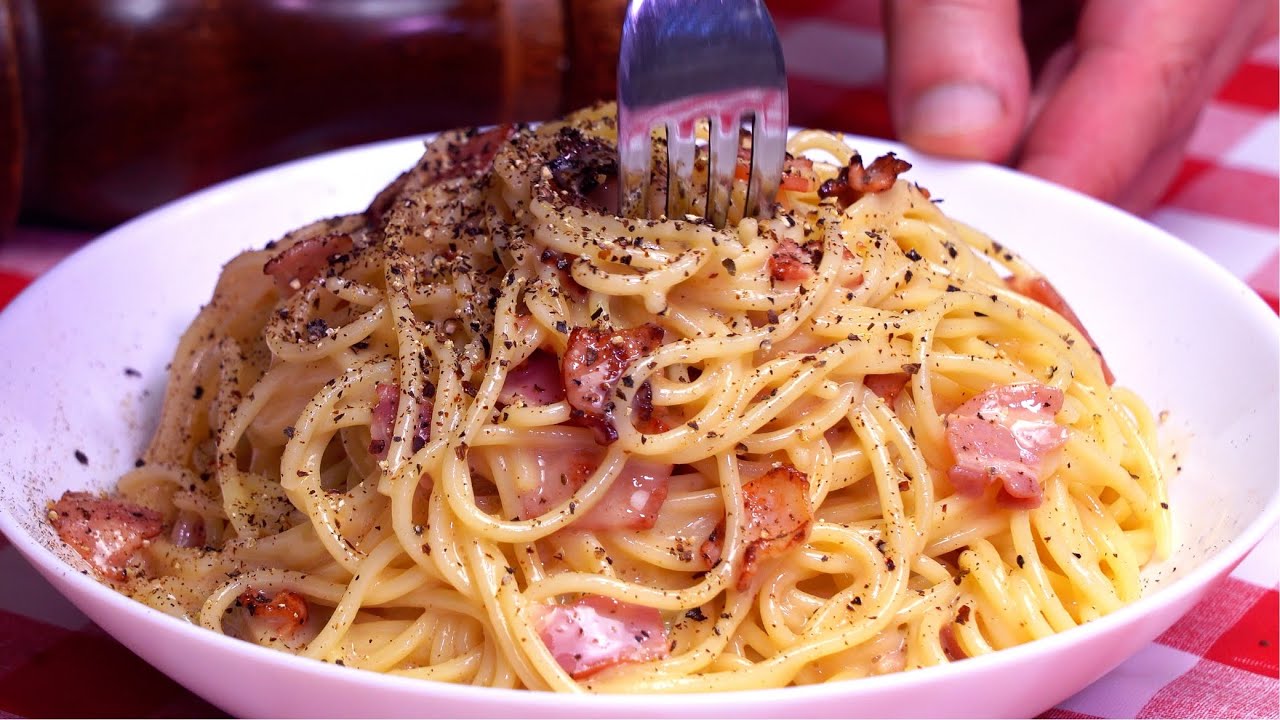
Spaghetti Carbonara Recipe: If you’re on a mission to master a classic Italian pasta dish that’s rich, creamy (without a drop of cream), and packed with bold flavors, then welcome to the ultimate Spaghetti Carbonara recipe. Originating in the heart of Italy, this dish has found its way onto dinner tables around the globe for one simple reason: it’s unbelievably good.
No, seriously—how often do you find a dish that only needs a handful of ingredients yet delivers an explosion of flavor? With the perfect combination of pasta, eggs, hard cheese, cured pork, and black pepper, Carbonara is a comforting classic that doesn’t rely on complicated techniques or exotic ingredients.
In this guide, I’ll walk you through every single step to make a 100% authentic Spaghetti Carbonara—no shortcuts, no cream, just the real-deal Roman recipe. Whether you’re a total beginner or a seasoned home cook, this tutorial is tailored for you.
What Is Spaghetti Carbonara?
Let’s get something straight from the start—Carbonara is not Alfredo. And it’s definitely not pasta with cream sauce. Real Carbonara has zero cream in it. The silky, luscious texture comes entirely from eggs, cheese, and pasta water—magical, right?
Spaghetti Carbonara is a traditional Roman pasta dish believed to have been developed in the mid-20th century. While there’s still some debate about its exact origins, many say it was invented after World War II when American soldiers in Italy would mix their rations of bacon and eggs with local pasta.
The traditional Carbonara consists of:
- Spaghetti
- Guanciale (Italian cured pork cheek)
- Pecorino Romano cheese
- Eggs (mostly yolks)
- Freshly ground black pepper
That’s it. No garlic, no onions, and definitely no peas.
Why You’ll Love This Recipe
If you’ve never tried making Carbonara at home, let me tell you why you should change that today:
- It’s fast – You can get dinner on the table in under 30 minutes.
- It’s simple – Only a few ingredients, one pan, and one pot.
- It’s satisfying – Creamy, salty, cheesy, and just plain comforting.
- It’s customizable – You can make slight substitutions if needed without sacrificing taste.
And best of all? It feels gourmet without all the effort.
Ingredients You’ll Need
Here’s everything you need to gather before you start. Quality is everything in a recipe with so few ingredients, so try to go for the best versions you can find.
Basic Ingredients
- 400g (14 oz) spaghetti – Or your favorite long pasta.
- 150g (5 oz) guanciale – Or pancetta or thick-cut bacon.
- 3 large egg yolks + 1 whole egg – Room temperature.
- 80g (3 oz) Pecorino Romano cheese, finely grated.
- Freshly ground black pepper – Generous amount.
- Salt – For pasta water only.
Ingredient Notes
- Guanciale is the traditional choice. It has a richer, porkier flavor than pancetta or bacon.
- Pecorino Romano brings the salty, tangy edge Carbonara is known for. Parmesan works if you can’t find it, but it’s not quite the same.
- Eggs should be as fresh as possible. Use pasteurized if you’re concerned about raw eggs.
Optional Add-ins (non-traditional)
- Garlic clove (for flavoring oil, removed before serving)
- Parsley (for garnish)
- Peas (not authentic, but popular in some places)
Tools You’ll Need
You don’t need fancy gadgets, but having the right tools makes things smoother:
Essential Tools
- Large pot (for boiling pasta)
- Large skillet or sauté pan
- Mixing bowl (for egg mixture)
- Tongs or pasta fork
- Grater (for cheese)
- Ladle (for reserving pasta water)
Optional Tools
- Digital scale (for precise measurements)
- Thermometer (to check pasta water temp if worried about eggs scrambling)
Prep Work Before Cooking
Before we even turn on the stove, let’s get organized. This recipe moves fast, and preparation is key.
Steps to Prep:
- Cut the guanciale into small strips or cubes.
- Grate the cheese finely—no pre-shredded cheese, please.
- Separate your eggs – 3 yolks and 1 whole egg into a bowl.
- Crack in lots of black pepper into your egg bowl.
- Bring water to a boil and salt it well.
That’s it. Once you’ve done the prep, the cooking part takes under 10 minutes. Let’s do it.
Step-by-Step Guide to Making Spaghetti Carbonara
Step 1: Boil the Pasta
Bring a large pot of well-salted water to a rolling boil. Add the spaghetti and cook until al dente, following the package timing. Reserve about a cup of the starchy pasta water before draining—this is key for creating the sauce.
Step 2: Cook the Guanciale (or Pancetta/Bacon)
While the pasta cooks, add diced guanciale to a cold skillet and place over medium heat. Cook slowly until the fat renders and the meat turns golden and crisp. If using pancetta or bacon, cook the same way, then remove the pan from heat.
Step 3: Whisk the Egg Mixture
In a bowl, whisk together egg yolks (or whole eggs), finely grated Pecorino Romano (or Parmesan), and freshly cracked black pepper. The mixture should be thick, creamy, and well combined.
Step 4: Combine Pasta and Pork
Add the drained pasta directly to the skillet with the cooked pork. Toss to coat the pasta in the rendered fat. Add a splash of reserved pasta water to keep everything loose and glossy.
Step 5: Add Egg Mixture Off Heat
Remove the skillet from heat before adding the egg mixture. Pour it in slowly while tossing continuously. The residual heat gently cooks the eggs, forming a silky sauce without scrambling.
Step 6: Toss and Serve Immediately
Adjust the consistency with more pasta water if needed. Serve right away with extra cheese and black pepper. Carbonara waits for no one—enjoy it hot and creamy.
The Perfect Pasta-to-Sauce Ratio
You might wonder—why does my Carbonara turn out too dry or too wet? It all comes down to balance.
A perfect Carbonara sauce:
- Should coat the noodles like a light glaze
- Shouldn’t pool at the bottom of the plate
- Shouldn’t clump or scramble
Tips to Get It Right:
- Use around 100g pasta per person, and adjust eggs/cheese accordingly.
- Don’t be afraid of pasta water—add a spoonful at a time to loosen.
- Work fast once the egg mixture hits the pasta.
If your sauce seizes or becomes clumpy, it likely means your pan was too hot. Always mix off the heat.
Common Mistakes to Avoid
Even experienced cooks can mess up Carbonara. Here’s what to watch for:
❌ Scrambling the Eggs
This happens when the egg mixture hits a pan that’s too hot. Always remove from heat before adding the eggs, and mix constantly.
❌ Using Cream
Real Carbonara doesn’t need cream. The creaminess comes from the eggs, cheese, and pasta water.
❌ Wrong Cheese or Meat
Parmesan instead of Pecorino or bacon instead of guanciale is okay if you must, but it won’t taste as authentic.
❌ Overcooking Pasta
Your spaghetti should be al dente—firm with a bite. Mushy pasta ruins the texture.
Ingredient Substitutions (If You’re in a Pinch)
Can’t find guanciale? No problem.
Meat Options:
- Guanciale (preferred)
- Pancetta (Italian salt-cured pork belly)
- Bacon (unsmoked, thick-cut works best)
Cheese Options:
- Pecorino Romano (preferred)
- Parmesan (milder, less salty)
Egg Adjustments:
- 3 yolks + 1 whole egg (for richness)
- Only yolks = richer, creamier
- More whites = lighter, but less creamy
Keep in mind: the fewer substitutions you make, the closer you’ll get to traditional flavor.
Tips for Cooking Pasta Like a Pro
You might think cooking pasta is straightforward—and it is—but doing it the right way makes all the difference in dishes like Carbonara.
Here’s how to get it just right:
1. Salt the Water Generously
A bland pasta base ruins Carbonara. Add a big pinch of salt (around 1–2 tablespoons per liter of water). The pasta absorbs this seasoning as it cooks, enhancing the overall flavor.
2. Don’t Add Oil to the Water
Contrary to popular myth, oil in your pasta water won’t prevent sticking—it only makes the pasta slippery, which is bad news when you want the sauce to cling.
3. Stir the Pasta Early On
To prevent clumping, stir the spaghetti a few times during the first 2–3 minutes. After that, it’ll cook evenly on its own.
4. Cook to “Al Dente”
This means “to the tooth” in Italian—it should be firm with a slight chew. Not mushy! Overcooked pasta will fall apart when tossing with the sauce.
5. Reserve Pasta Water
This is your secret weapon. The starch-rich water helps bind the sauce and gives that signature glossy finish. Scoop out at least a cup before draining.
How to Make Carbonara Creamy (Without Cream)
Still not convinced that you can make a creamy pasta sauce without a drop of cream? Let’s break down the science behind Carbonara’s luxurious texture.
The Real Creaminess Comes From:
✅ Egg Yolks
Rich, fatty, and naturally creamy—yolks are the base of your sauce.
✅ Finely Grated Pecorino Romano
Grating it super fine helps it melt seamlessly into the eggs.
✅ Pasta Water
This starchy liquid emulsifies the fat from the pork and cheese, turning everything into a velvety sauce.
The Technique:
- Combine everything off the heat
- Stir quickly to avoid cooking the eggs
- Add warm pasta water slowly to thin and emulsify
Done right, it coats each strand of spaghetti like satin. No need for any artificial creaminess.
What to Serve with Spaghetti Carbonara
Although Spaghetti Carbonara is rich and indulgent, it can pair beautifully with lighter sides that complement without overpowering it.
Top Side Dishes:
- Simple arugula salad with lemon vinaigrette
- Steamed or grilled vegetables like asparagus or broccoli
- Rustic Italian bread or garlic focaccia
- Grilled mushrooms for a savory match
Perfect Wine Pairing:
- White Wines: Try a dry Pinot Grigio or Chardonnay
- Red Wines: A light-bodied red like Chianti or Barbera works great
A crisp white balances the richness, while red adds a comforting warmth.
How to Store and Reheat Leftovers
Let’s be honest—Carbonara is best eaten fresh, but life happens. If you’ve got leftovers, here’s how to handle them right.
Storing:
- Store in an airtight container in the fridge.
- Eat within 2 days for best quality.
- Avoid freezing—it messes up the texture.
Reheating Tips:
Stovetop (Best Method)
- Add a splash of milk or pasta water in a skillet.
- Heat gently over low heat while stirring.
- Don’t overheat—it can make the eggs scramble.
Microwave (Quick but Risky)
- Place in a microwave-safe bowl.
- Add a splash of water and cover loosely.
- Heat in short intervals, stirring often.
It won’t be as silky as the first time, but with care, it’ll still be tasty.
FAQs about Spaghetti Carbonara Recipe
1. Can I make Carbonara without pork?
Yes! You can use sautéed mushrooms or smoked tofu as a substitute for guanciale to make it vegetarian. You won’t get the same depth of flavor, but it can still be delicious.
2. Can I use cream in Carbonara?
Technically, you can—but it’s not traditional. Authentic Roman Carbonara relies on eggs and cheese for creaminess. Adding cream makes it a different dish altogether.
3. How do I avoid scrambled eggs in the sauce?
Always mix your egg mixture off the heat, and toss quickly. Adding hot pasta water slowly helps control the temperature and keep the sauce silky.
4. Is Carbonara safe to eat with raw eggs?
The eggs are gently cooked by the hot pasta and residual heat. If you’re concerned, use pasteurized eggs to be extra safe.
5. Can I make this recipe vegetarian?
Absolutely. Skip the pork and add umami-rich ingredients like sautéed mushrooms, sun-dried tomatoes, or smoked paprika to bring out similar savory notes.
Final Thoughts
Spaghetti Carbonara is a masterclass in how simple ingredients can create something extraordinary. No heavy cream, no unnecessary extras—just pasta, eggs, cheese, pork, and pepper coming together in perfect harmony.
Once you try this dish the authentic Roman way, you may never go back to the creamy, Americanized versions. Plus, once you’ve nailed the technique, you can whip this up on a weeknight or impress your friends at a dinner party. It’s comfort food with class.
So go ahead, grab those ingredients, and cook with confidence. Your perfect plate of Spaghetti Carbonara awaits.