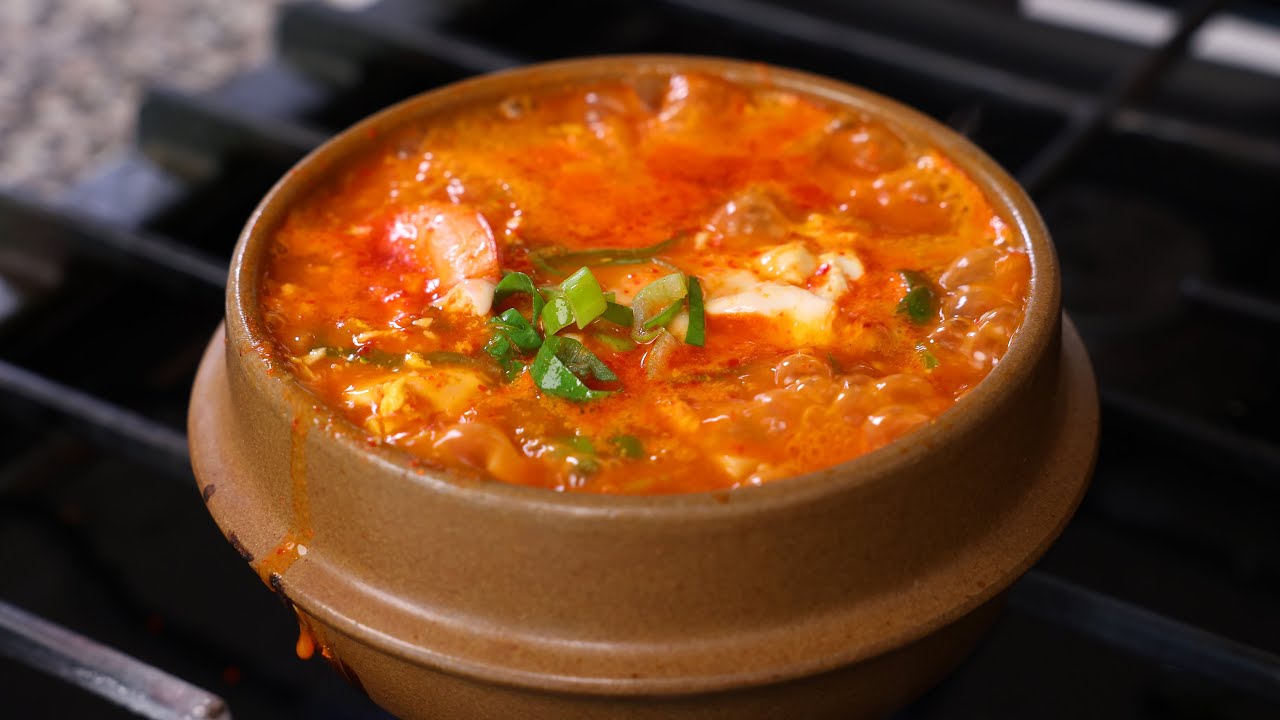
Soondubu Jjigae Recipe: If you’ve ever walked into a Korean restaurant and noticed a bubbling hot pot on someone’s table, steaming and spicy, chances are it was Soondubu Jjigae. This dish, pronounced soon-doo-boo jee-gae, is one of Korea’s most iconic comfort foods. Packed with soft tofu, a spicy broth, and a choice of protein like seafood or beef, it’s warming, flavorful, and incredibly satisfying.
Soondubu Jjigae is more than just a spicy stew—it’s a symbol of home cooking and cozy meals shared with loved ones. It’s often served in a ttukbaegi (Korean stone pot) and brought to the table still bubbling. The soft, silken tofu soaks up all the rich flavors of the broth, while a cracked egg on top adds a layer of creamy richness.
Whether you’re a Korean food newbie or a seasoned K-food fan, this guide will walk you through exactly how to make restaurant-quality Soondubu Jjigae at home. Let’s get right into it.
Health Benefits of Soondubu Jjigae
Why do people love Soondubu Jjigae so much? Well, aside from the taste, it’s actually packed with health benefits.
First off, soft tofu is a powerhouse of plant-based protein. It’s also low in calories but rich in nutrients like calcium, iron, and magnesium. The broth, especially if made with anchovy or kelp, is full of umami and minerals. The garlic and onions bring natural antibacterial properties, while the chili flakes (gochugaru) may help boost metabolism and improve blood circulation.
If you’re looking for a meal that’s both delicious and nutrient-dense, this one checks all the boxes. It’s low-carb, naturally gluten-free, and you can easily make it vegan or vegetarian without sacrificing flavor.
Whether you’re looking for comfort, spice, or a healthy homemade meal, Soondubu Jjigae has you covered.
Types of Soondubu Jjigae
One of the best parts about Soondubu Jjigae is how customizable it is. There’s a version for everyone, whether you love seafood, prefer beef, or want a meatless option. Let’s take a look at the popular varieties:
- Seafood Soondubu Jjigae: Includes clams, shrimp, mussels, or squid. The briny flavor makes the broth super rich.
- Beef Soondubu Jjigae: Ground beef or thinly sliced beef is sautéed with garlic and onions for a savory twist.
- Vegetarian/Vegan Soondubu: Uses mushrooms like shiitake or enoki, along with kelp-based broth. Still deeply flavorful!
- Spicy vs. Mild: You can always adjust the amount of gochugaru or opt for a mild miso-based broth instead.
No matter which version you choose, the soul of the dish remains the same—that comforting, flavorful broth and silky tofu that melts in your mouth.
Essential Ingredients You’ll Need
Ready to cook? Let’s go over the ingredients list so you can shop with confidence.
Main Ingredients:
- Uncurdled Soft Tofu (Soondubu) – The star of the show. You’ll find this in a tube package at Asian markets.
- Gochugaru (Korean Red Chili Flakes) – For that signature color and heat.
- Garlic (Minced) – Adds deep flavor and warmth.
- Onions (Diced) – For sweetness and texture.
- Scallions (Sliced) – A fresh finish.
- Egg (1) – Optional, but adds richness.
- Soy Sauce – Salty umami base.
- Sesame Oil – Nutty aroma.
- Salt & Pepper – To taste.
Broth Base:
- Anchovy Broth or Kelp Broth – The foundation of flavor.
- Dried Anchovies & Kelp (Optional) – If making your own broth.
Proteins (Choose One or Mix):
- Seafood (Shrimp, Clams, Mussels, Squid)
- Beef (Ground or Thinly Sliced)
- Mushrooms (Shiitake, Enoki, Oyster) for Vegetarian/Vegan Version
Once you have everything on hand, the cooking process is super quick and easy. Prep time is around 10–15 minutes, and cook time is another 15–20. Let’s walk through it!
Step-by-Step Guide to Making Soondubu Jjigae
This is where the magic happens. Below is a detailed breakdown of how to make the perfect bowl of Soondubu Jjigae at home—from scratch.
Step 1: Make the Broth
In a pot, combine water or anchovy-kelp stock and bring to a gentle simmer. This light, savory broth forms the foundation of the stew. Keep it warm while you prepare the rest of the ingredients.
Step 2: Prepare the Aromatics
Heat a little oil in a small pot or earthenware bowl over medium heat. Add minced garlic, chopped onion, and Korean chili flakes (gochugaru). Sauté gently until fragrant, allowing the oil to turn a deep red without burning the spices.
Step 3: Add Proteins and Cook
Add your chosen protein—clams, shrimp, beef, pork, or seafood mix. Stir briefly to coat with the chili oil and aromatics, letting the protein start to cook and release flavor.
Step 4: Add Tofu and Seasoning
Pour in the warm broth and bring to a simmer. Gently add soft tofu by breaking it into large spoonfuls. Season with soy sauce or salt to taste, keeping the flavor balanced.
Step 5: Simmer and Crack in the Egg
Let the stew simmer for a few minutes so flavors meld. Crack an egg directly into the bubbling stew and let it cook gently until the whites set but the yolk remains soft.
Step 6: Garnish and Serve Bubbling Hot
Finish with sliced green onions and a drizzle of sesame oil. Serve immediately while bubbling hot, ideally with steamed rice on the side for a comforting, classic meal.
Tips for Perfect Soondubu Jjigae
Let’s make sure your stew turns out perfect every time. Here are some tips straight from Korean home kitchens:
- Use Soft Tofu (Uncurdled): The signature texture is silky and delicate. Firm or extra-firm tofu just won’t deliver the same experience.
- Don’t Overcrowd the Pot: Too much protein or veggies can overwhelm the balance. Let the tofu shine!
- Gochugaru vs Gochujang: Stick with gochugaru (chili flakes) for an authentic flavor. Gochujang (fermented chili paste) is thicker and sweeter and will make it taste more like a spicy stew than a jjigae.
- Simmer Gently: A short, intense simmer is enough. Don’t boil for too long or the tofu may break down too much.
- Adjust Heat Levels: Start small and add more gochugaru if you like it spicy. You can always add, but you can’t take it out!
Common Mistakes to Avoid
Making Soondubu Jjigae isn’t hard, but here are a few things that could throw off the dish:
- Using the wrong tofu: Only use soft tofu (called Soondubu or silken tofu). Firm tofu changes the texture.
- Overcooking seafood: Shrimp and clams only need a few minutes. Overcooked seafood gets rubbery fast.
- Forgetting to season the broth: Taste as you go. If your stew tastes flat, add a splash of soy sauce or a pinch of salt.
- Skipping the egg (unless you must): That cracked egg on top adds richness and completes the stew experience.
- Not using sesame oil at the end: It’s the finishing touch that ties everything together!
Serving Suggestions
Soondubu Jjigae is more than just a stew—it’s the heart of a Korean meal. When served properly, it transforms into a full-blown comfort feast.
What to Serve with Soondubu Jjigae:
Steamed White Rice (Bap): This is a must. The rice helps balance the spicy stew and adds a filling component.
Korean Side Dishes (Banchan):
- Kimchi – The fermented tang complements the rich broth.
- Pickled Radish – Adds a crunchy, sweet contrast.
- Sautéed Spinach or Bean Sprouts (Namul) – Light and earthy.
- Seasoned Seaweed – Adds texture and umami.
Korean Grilled Meats (optional):
- Bulgogi (sweet marinated beef)
- Galbi (short ribs)
Drinks:
- A glass of cold barley tea (boricha) works beautifully.
- For adults, Korean soju or makgeolli (rice wine) are common pairings.
How to Eat It:
Soondubu Jjigae is usually served piping hot and still bubbling. Break the egg yolk gently into the broth, mix a little, then scoop spoonfuls of tofu and broth over rice. It’s warm, spicy, silky, and deeply satisfying.
Don’t rush it. Take small bites. Let the heat and flavor wrap you like a blanket. That’s the Korean way.
Make-Ahead and Storage Tips
Wondering if you can make Soondubu Jjigae in advance or store leftovers? Absolutely. Here’s how to do it right.
Refrigeration:
- Store leftovers in an airtight container.
- It’ll keep well in the fridge for up to 3–4 days.
- The flavor actually deepens the next day!
Freezing:
- Not recommended if the stew has tofu and seafood, as the texture changes once frozen.
- If you really need to freeze, do it before adding tofu and egg.
- Thaw overnight and finish cooking fresh tofu and egg before serving.
Reheating:
- Best to reheat on the stovetop in a pot.
- Add a splash of water or broth to loosen the stew.
- Avoid microwaving if possible (especially if it contains seafood), as it can change the texture.
Want to prep ahead? You can always:
- Make and freeze the broth separately.
- Pre-chop aromatics and store them in small containers.
- Keep a tube of tofu in the fridge until ready to cook.
That way, you’ll only need 10–15 minutes to pull everything together when the craving hits.
How to Make a Vegetarian Soondubu Jjigae
Don’t eat meat or seafood? No problem. Soondubu Jjigae is very vegetarian/vegan friendly if you follow a few simple swaps.
Ingredient Swaps:
- Broth: Use kombu (kelp) and dried shiitake mushrooms to make a deep, umami-packed base.
- Protein: Add mushrooms (enoki, oyster, king oyster), cubed zucchini, or even tofu skin (yuba) for extra bite.
- Soy Sauce: Use vegan soy sauce or tamari.
- No egg: Just skip it or replace it with a vegan egg alternative, though it’s optional anyway.
Flavor Boosters:
- Add a dash of doenjang (fermented soybean paste) for earthy depth.
- Sprinkle in a bit of miso paste for sweetness and umami.
With these adjustments, you’ll still get a stew that’s rich, spicy, and 100% satisfying—without any animal products.
How to Make It Less Spicy for Kids
Want to enjoy Soondubu Jjigae as a family meal? You can absolutely tone down the spice without losing flavor.
Spice Adjustments:
- Use ½ teaspoon or less of gochugaru (or skip it entirely).
- Add sweet bell peppers or grated carrots to soften the kick.
- Use a mild vegetable broth instead of anchovy.
Flavor Builders Without Heat:
- Sauté garlic and onions well to build depth.
- Add a small spoon of doenjang or miso paste.
- Use low-sodium soy sauce for balance.
Serving Tips for Kids:
- Serve the stew with extra rice to mellow out heat.
- Add a poached egg to cool things down.
- Keep spicy banchan off the table—opt for mild pickles or blanched vegetables.
Soondubu can absolutely be a kid-friendly dish with a few easy tweaks.
Cultural Significance of Soondubu Jjigae
Soondubu Jjigae isn’t just a dish—it’s part of Korean culture.
It originated as a rustic home meal, often eaten during cold winters. The use of unpressed tofu (soondubu) dates back centuries, when tofu was made and eaten fresh, without forming it into blocks.
Over time, it evolved into a restaurant staple. Today, you’ll find Soondubu specialty chains like BCD Tofu House across Korea and even in the U.S., thanks to the Korean diaspora.
It’s now considered a dish of warmth, tradition, and comfort—a go-to when you’re sick, cold, homesick, or just want something nourishing.
Many Koreans have fond memories of their mom or grandmother making it for them, served with steaming rice and a full table of side dishes. Making it at home is like reviving a bit of that tradition—and sharing it with someone else.
FAQs about Soondubu Jjigae Recipe
1. Can I use regular tofu instead of soft tofu?
Technically yes, but it won’t have the same silky texture. Soondubu Jjigae is known for its ultra-soft, creamy tofu, so try to find “Soon Tofu” or silken tofu for best results.
2. What if I don’t have a Korean clay pot (ttukbaegi)?
No worries! You can use a small saucepan or a soup pot. It won’t stay hot as long after serving, but the taste will still be amazing.
3. Do I have to add the egg at the end?
Nope! The egg is optional. Some people love the richness it adds, but you can totally leave it out, especially if you’re vegan or allergic.
4. Is Soondubu Jjigae good for weight loss?
It can be! It’s low in carbs, high in protein, and packed with nutrients. Use lean proteins and load up on vegetables for a healthier version.
5. What’s the difference between Soondubu Jjigae and Kimchi Jjigae?
Great question. Soondubu Jjigae uses silky soft tofu and often includes seafood or beef in a spicy broth. Kimchi Jjigae is based around aged kimchi and typically includes pork and firm tofu. Different vibes, both delicious.
Conclusion
Soondubu Jjigae might seem like just another stew—but it’s truly one of Korea’s most beloved dishes. Rich, spicy, soothing, and endlessly customizable, it’s perfect for cold days, comfort meals, or impressing your friends with your K-cooking skills.
By now, you know exactly how to:
- Pick the right ingredients
- Build a deeply flavorful broth
- Customize it with your favorite proteins (or make it vegan)
- Avoid common mistakes
- Serve and store it like a pro
It’s a one-pot wonder that packs bold flavor with simple steps. So grab that clay pot, gather your ingredients, and let’s bring a little bit of Korea into your kitchen.