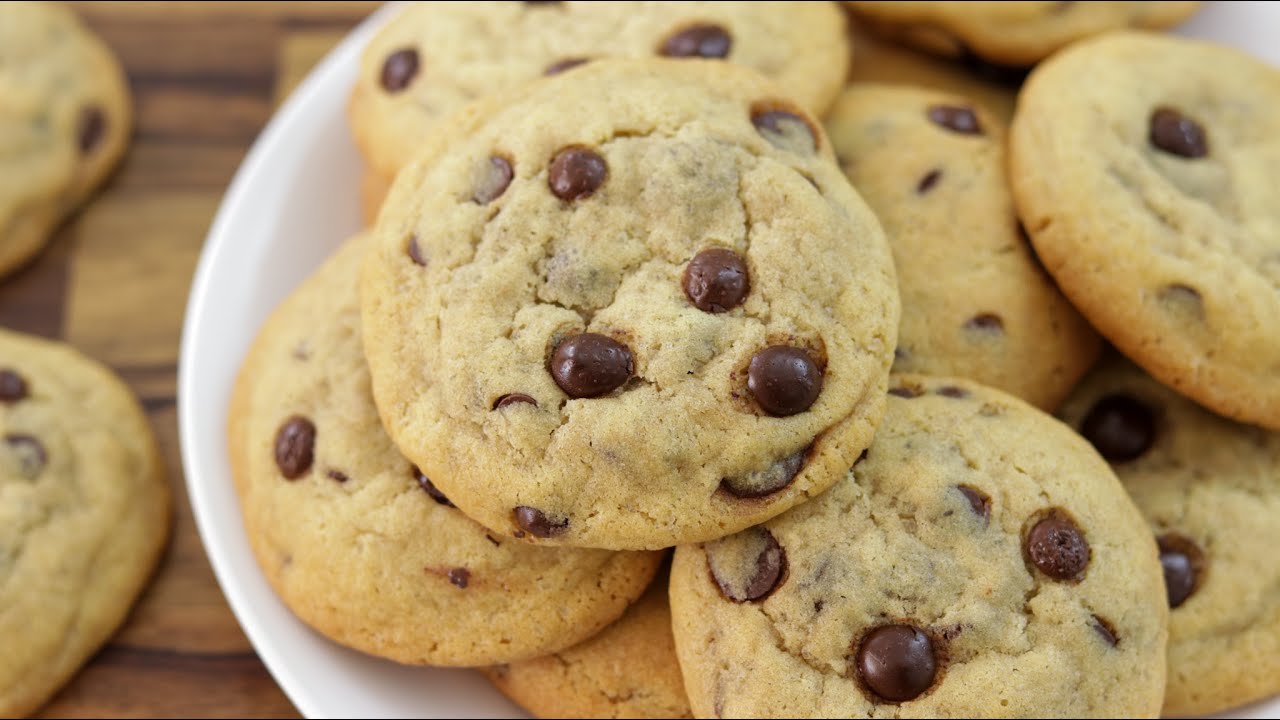
Soft Cookie Recipe: There’s something magical about a soft cookie. You know the kind: golden edges, gooey centers, and that melt-in-your-mouth texture that hits just right with every bite. Unlike their crunchy counterparts, soft cookies bring warmth and comfort, almost like a sweet hug for your taste buds.
But what makes a cookie soft? It’s not just luck—it’s science. From the ingredients you use to the way you bake and cool them, every detail matters. And the best part? You don’t need to be a pastry chef to nail it. With the right tips and a little bit of love, you can whip up bakery-quality soft cookies right in your own kitchen.
In this ultimate guide, I’ll walk you through everything from the ingredient list to the precise baking technique, so your cookies turn out soft, chewy, and absolutely irresistible. Whether you’re a first-time baker or looking to level up your cookie game, this guide is for you.
Benefits of Homemade Soft Cookies
Why bother making soft cookies from scratch when the grocery store is full of options? Well, for starters, homemade always tastes better. But it goes deeper than that.
1. Healthier Ingredient Control
When you bake at home, you decide what goes in. Want to cut back on sugar or use organic ingredients? You can. Prefer plant-based butter or gluten-free flour? Totally doable. Unlike store-bought cookies with unpronounceable additives, your homemade batch is as clean (or indulgent) as you want it to be.
2. Customizable Flavor and Texture
Crispy edges with a gooey center? All chocolate chips and no nuts? With homemade cookies, you’re the boss. You can tweak the texture, mix in your favorite goodies, or even swap out ingredients for something completely unique. The possibilities are endless—and delicious.
3. Budget-Friendly Baking
Let’s be honest, bakery cookies can cost a small fortune. But with pantry staples and a few special add-ins, you can make a dozen soft cookies for a fraction of the price—and you’ll probably have leftovers for tomorrow (if they last that long).
Essential Ingredients for Soft Cookies
The secret to soft cookies lies in the ingredients—and understanding what each one does.
Flour
All-purpose flour is the go-to for cookies. It creates the structure, and how much you use will impact the softness. Too much flour? Your cookies will be dry. Too little? They’ll spread too much.
Butter
Butter adds richness and flavor. For soft cookies, you want it softened—not melted. This helps create a thick dough that holds its shape while still baking into that perfect softness.
Sugar
Brown sugar keeps cookies moist and chewy, thanks to its molasses content. White sugar makes them crispier. A blend of both gives you the best of both worlds—but if soft is your goal, lean into the brown stuff.
Eggs
Eggs bind the dough and help add moisture. They also create a richer texture. One large egg is standard, but you can tweak based on the texture you want.
Baking Soda or Baking Powder
These are your leavening agents. They help the cookie rise and spread properly. Make sure your leavening is fresh!
Salt & Vanilla Extract
Salt enhances the flavor, and vanilla adds depth. Don’t skip these—cookies without them taste flat.
Optional Add-ins and Variations
Here’s where you can get creative and really make your cookies stand out.
- Chocolate Chips – Classic choice. Semi-sweet, milk, dark, white… go wild.
- Nuts – Walnuts, pecans, or almonds add crunch and depth.
- Dried Fruit – Cranberries, raisins, or chopped dates give a chewy twist.
- Spices – Cinnamon, nutmeg, or even a hint of chili powder for a bold kick.
- Flavor Extracts – Try almond, coconut, or maple extract for a new flavor profile.
- Stuffed Cookies – Add a chunk of caramel or Nutella in the center for an ooey-gooey surprise.
Pro tip: Don’t overdo the mix-ins. Too many and your dough won’t hold together.
Baking Tools You’ll Need
You don’t need a full bakery setup, but a few tools can make life easier.
Must-Haves:
- Mixing bowls (preferably one large, one medium)
- Measuring cups and spoons
- Rubber spatula or wooden spoon
- Electric hand or stand mixer
- Baking sheet
- Parchment paper
Nice-to-Haves:
- Cookie scoop (for even sizing)
- Silicone baking mat
- Cooling rack
- Digital kitchen scale (for accuracy)
Using the right tools means more consistent cookies, less mess, and more fun during cleanup.
Choosing the Right Flour
Let’s talk flour. It’s more than just a white powder—it’s the backbone of your cookies.
All-Purpose Flour
This is the standard, and it works well for soft cookies. It has enough protein (around 10-12%) to hold everything together without making the dough too tough.
Cake Flour
Lower protein means a more tender texture. Some bakers like to replace part of the all-purpose flour with cake flour for extra softness.
Measuring Matters
Scoop and level your flour. Don’t pack it in the cup. Too much flour = dry cookies.
Want extra tender cookies? Try a 50/50 mix of cake and all-purpose flour for a bakery-soft finish.
Butter Matters – Salted vs Unsalted
Butter is one of the most important ingredients in soft cookies—it affects flavor, moisture, and texture. But not all butter is created equal, especially when it comes to the salted vs. unsalted debate.
Why Unsalted Butter Is Preferred
Most professional bakers swear by unsalted butter, and there’s a good reason for it. Unsalted butter gives you full control over the amount of salt in your recipe. Different brands of salted butter contain different amounts of salt, which can throw off your flavor balance if you’re not careful. Plus, some salted butters have added preservatives, which can subtly affect the texture and taste of your cookies.
Room Temperature Is Key
For soft cookies, make sure your butter is softened—not melted. Softened butter is slightly cool to the touch but easy to press. It should hold its shape but yield under pressure. This texture allows for proper creaming with sugar, creating tiny air pockets that help give your cookies lift and softness.
To soften butter quickly, cut it into small cubes and leave it on the counter for 15-30 minutes. Avoid microwaving unless you’re very careful—melted butter leads to flat, greasy cookies.
Can You Use Melted Butter?
Yes, but it changes the texture. Melted butter will make your cookies more chewy and less puffy. Some people prefer this, so feel free to experiment. Just know that using melted butter typically requires chilling the dough for at least an hour to keep the cookies from spreading too much in the oven.
The Role of Sugar in Soft Cookies
Sugar does more than just make cookies sweet—it plays a huge role in texture, moisture, and browning.
Brown Sugar vs. White Sugar
If you want that ultra-soft, chewy cookie texture, brown sugar is your best friend. Thanks to its molasses content, brown sugar retains moisture during baking, making the cookies soft and dense in the best way.
White sugar, on the other hand, contributes to spreading and a crispier texture. Most soft cookie recipes use a combination of both sugars, but if you’re aiming for softness, consider increasing the brown sugar ratio.
Typical ratio for soft cookies:
- ¾ cup brown sugar
- ¼ cup white sugar
Light vs. Dark Brown Sugar
Light brown sugar is milder, while dark brown sugar has more molasses and a deeper, richer flavor. Either will work, but dark brown sugar adds an extra depth to your cookies. Feel free to mix and match depending on your taste preference.
Avoid Overmixing Sugar and Butter
When creaming sugar and butter, don’t overdo it. Cream just until the mixture is light and fluffy—about 2 to 3 minutes. Overmixing can incorporate too much air and cause your cookies to collapse or bake unevenly.
Eggs – The Binding Heroes
Eggs are another crucial component in creating soft, bakery-style cookies. They add structure, bind the dough, and provide moisture.
Why Eggs Matter
In a cookie recipe, eggs contribute to both texture and flavor. The yolks add richness and tenderness, while the whites provide structure. Most recipes call for one large egg, which usually balances out the dough perfectly.
Using Just Egg Yolks
If you want an extra-soft and tender cookie, you can use just the yolk or add an extra yolk to your dough. The added fat makes the cookie richer and softer, with a slightly gooey texture. It’s a great trick if you’re after that melt-in-your-mouth feel.
Example:
- 1 whole egg + 1 yolk = extra soft and chewy texture
Room Temperature Eggs Are Best
Cold eggs can cause your butter to seize and mess with the dough consistency. For best results, use eggs that are at room temperature. If you forget to take them out ahead of time, just place them in a bowl of warm (not hot) water for 5–10 minutes.
Chilling the Dough – A Game Changer
Here’s one of the biggest secrets to making soft cookies: chill your dough. It might seem like an unnecessary step when you’re craving cookies now, but trust me—this simple trick makes a big difference.
Why Chill the Dough?
Chilling allows the flour to fully hydrate and the fats to solidify. When you bake chilled dough, the cookies spread less, resulting in thicker, softer centers. It also gives the flavors time to develop, so you get a richer, more complex taste.
How Long Should You Chill?
At least 30 minutes is a good start, but 1–2 hours is ideal. Some cookie fanatics even let the dough rest overnight for maximum flavor. The longer the dough chills, the better the texture and taste.
Tip: If you’re short on time, chill the dough in the freezer for 20–30 minutes.
Portion Before You Chill
To make things easier, scoop your cookie dough into balls before chilling. That way, you won’t be fighting with rock-hard dough later. Plus, the dough balls will chill faster.
Step-by-Step Guide to Making Soft Cookies
Ready to bake? Let’s break it down step by step, so you get perfect soft cookies every single time.
Step 1: Gather Your Ingredients
- 1 cup (2 sticks) unsalted butter, softened
- ¾ cup packed brown sugar
- ¼ cup white sugar
- 2 large eggs (or 1 egg + 1 yolk for extra softness)
- 2 ¼ cups all-purpose flour
- 1 tsp baking soda
- ½ tsp salt
- 1½ tsp vanilla extract
- Optional: 1 to 1½ cups chocolate chips or add-ins of your choice
Step 2: Cream the Butter and Sugars
In a large mixing bowl, beat the softened butter, brown sugar, and white sugar together until light and fluffy (about 2–3 minutes). This helps create air pockets for a soft, chewy texture.
Step 3: Add Eggs and Vanilla
Mix in your eggs one at a time, followed by the vanilla extract. Beat until everything is fully combined, but don’t overmix.
Step 4: Mix the Dry Ingredients
In a separate bowl, whisk together the flour, baking soda, and salt. Slowly add the dry ingredients to the wet mixture, stirring until just combined.
Step 5: Fold in Your Add-ins
Stir in your chocolate chips, nuts, or other mix-ins. Use a spatula to avoid overworking the dough.
Step 6: Chill the Dough
Scoop dough into balls and place them on a baking sheet lined with parchment paper. Chill in the fridge for at least 1 hour or in the freezer for 30 minutes.
Step 7: Bake
Preheat your oven to 350°F (175°C). Place cookie dough balls on a lined baking tray, spacing them at least 2 inches apart. Bake for 10–12 minutes, or until the edges are just turning golden but the centers still look a little soft.
Step 8: Cool and Enjoy
Let the cookies sit on the baking sheet for 5 minutes before transferring to a cooling rack. This helps them set without overbaking.
Baking Time and Temperature
Getting that perfect soft cookie texture is often all about the bake time and oven temperature. Even if your dough is flawless, overbaking can turn a chewy, tender cookie into a dry, crunchy disappointment.
The Sweet Spot: 350°F (175°C)
For most soft cookie recipes, 350°F is the ideal baking temperature. It’s hot enough to cook the cookies through without burning the edges or drying out the center. At this temperature, the outside sets just enough while the inside stays soft and gooey.
If you go too high—say 375°F or above—your cookies might set too quickly on the outside before the inside is ready, leading to uneven results. On the flip side, baking at a lower temp like 325°F might give you extra chewy cookies, but they’ll spread more and could end up undercooked in the center if you’re not careful.
Timing is Everything
Baking time can vary depending on the size of your cookie dough balls, your oven’s accuracy, and your baking sheet material. But in general:
- Standard-size cookies (about 2 tablespoons dough): 10 to 12 minutes
- Smaller cookies: 8 to 10 minutes
- Larger bakery-style cookies: 12 to 14 minutes
Pro Tip: Take the cookies out of the oven when the edges are just barely golden, and the centers still look soft and underdone. They’ll continue to bake on the sheet for a few minutes after you remove them from the oven—this is how you get that soft, almost doughy center without being raw.
Cooling and Storage Tips
How you cool and store your cookies can make a huge difference in how long they stay soft and fresh.
Cooling Tips
Once your cookies are done baking, let them rest on the baking sheet for 5 minutes. This allows the centers to firm up a little while still staying soft. Then, use a spatula to transfer them to a wire cooling rack. Air circulation underneath the cookies helps prevent soggy bottoms and ensures they cool evenly.
Avoid stacking warm cookies—they’ll steam each other and turn mushy. Always cool completely before stacking or storing.
Storage for Softness
Soft cookies love moisture—but not too much of it.
- Airtight container: Store cookies in an airtight container at room temperature. If you’ve made a big batch, you can even layer them with parchment paper to prevent sticking.
- Add a slice of bread: This old-school trick works wonders. Put a slice of fresh white bread in the container with your cookies. The cookies absorb moisture from the bread and stay soft for days. Replace the bread every 2–3 days.
- Avoid the fridge: Refrigerating cookies tends to dry them out. Only refrigerate if absolutely necessary (e.g., if you’ve added a perishable filling).
Freezing Soft Cookies
Soft cookies freeze beautifully! Let them cool completely, then place them in a freezer-safe container or zip-top bag. You can freeze baked cookies for up to 3 months. To enjoy, just thaw at room temperature or reheat briefly in the microwave for that “just-baked” taste.
Troubleshooting Common Cookie Problems
Even the best bakers run into cookie issues from time to time. Here’s how to fix the most common problems and turn “meh” cookies into masterpieces.
1. Cookies Came Out Too Flat
Possible causes:
- Butter was too soft or melted
- Dough wasn’t chilled
- Too little flour
Fix: Chill the dough for at least an hour, and try adding 1–2 extra tablespoons of flour next time.
2. Cookies Are Too Hard or Crunchy
Possible causes:
- Overbaked
- Too much flour or white sugar
- Baked at too high a temperature
Fix: Take the cookies out sooner, use more brown sugar than white, and double-check your oven temperature with a thermometer.
3. Cookies Didn’t Spread
Possible causes:
- Too much flour
- Dough too cold
- Oven not hot enough
Fix: Let the dough warm up slightly before baking, and measure flour accurately by spooning and leveling.
4. Cookies Spread Unevenly
Possible causes:
- Unevenly sized dough balls
- Baking sheets weren’t cool before reusing
- Uneven oven temperature
Fix: Use a cookie scoop for consistent sizing and let pans cool between batches.
Fun Variations to Try
Once you’ve mastered the base soft cookie recipe, the fun really begins. Here are a few creative twists you can try for different flavors and textures.
1. Double Chocolate Soft Cookies
Add ½ cup of cocoa powder to your dry ingredients and mix in white or dark chocolate chunks. Rich, gooey, and perfect for chocoholics.
2. Peanut Butter Soft Cookies
Swap out ½ cup of the butter for creamy peanut butter and add crushed peanuts or chocolate chips. You’ll get a nutty, soft, irresistible treat.
3. Vegan Soft Cookies
Use plant-based butter, a flax egg (1 tbsp flaxseed + 3 tbsp water), and non-dairy chocolate chips. Still soft, chewy, and totally satisfying.
4. Oatmeal Raisin Soft Cookies
Use 1 cup old-fashioned oats, reduce flour to 1¾ cups, and add ¾ cup raisins. A soft, chewy classic with a hearty feel.
5. Stuffed Cookies
Flatten your dough balls and add a piece of caramel, Nutella, or peanut butter cup in the center. Fold the dough around it, seal the edges, and bake as usual. Surprise in every bite!
FAQs about Soft Cookie Recipe
1. Can I freeze the cookie dough?
Absolutely! Scoop the dough into balls and freeze them on a baking tray. Once frozen, transfer to a zip-top bag. Bake straight from the freezer—just add 1–2 extra minutes to the bake time.
2. Why did my cookies come out hard?
You may have overbaked them, used too much flour, or didn’t use enough brown sugar. Next time, bake for a minute or two less and measure your flour carefully.
3. Can I use oil instead of butter?
Technically yes, but it will change the flavor and texture significantly. Oil creates a denser, less flavorful cookie. If you’re out of butter, use shortening or margarine for closer results.
4. How can I make gluten-free soft cookies?
Use a 1:1 gluten-free flour blend that contains xanthan gum. You might need to tweak the moisture levels slightly, but it works well for soft cookie recipes.
5. What’s the best way to reheat soft cookies?
Place them in the microwave for 10–15 seconds. It brings back that fresh-from-the-oven softness. You can also wrap them in foil and warm in the oven at 300°F for about 5 minutes.
Conclusion
Soft cookies aren’t just a treat—they’re an experience. From the first bite to the last crumb, their gooey texture and rich flavors bring instant joy. Whether you’re baking for a party, a cozy night in, or just because you’re craving something sweet, this guide gives you all the tools to get it just right.
With the right mix of ingredients, smart techniques (hello, chilling!), and a bit of baking love, you can make perfect soft cookies every single time. Don’t be afraid to experiment with flavors and make the recipe your own. The oven’s hot, the butter’s soft… now go bake some magic!