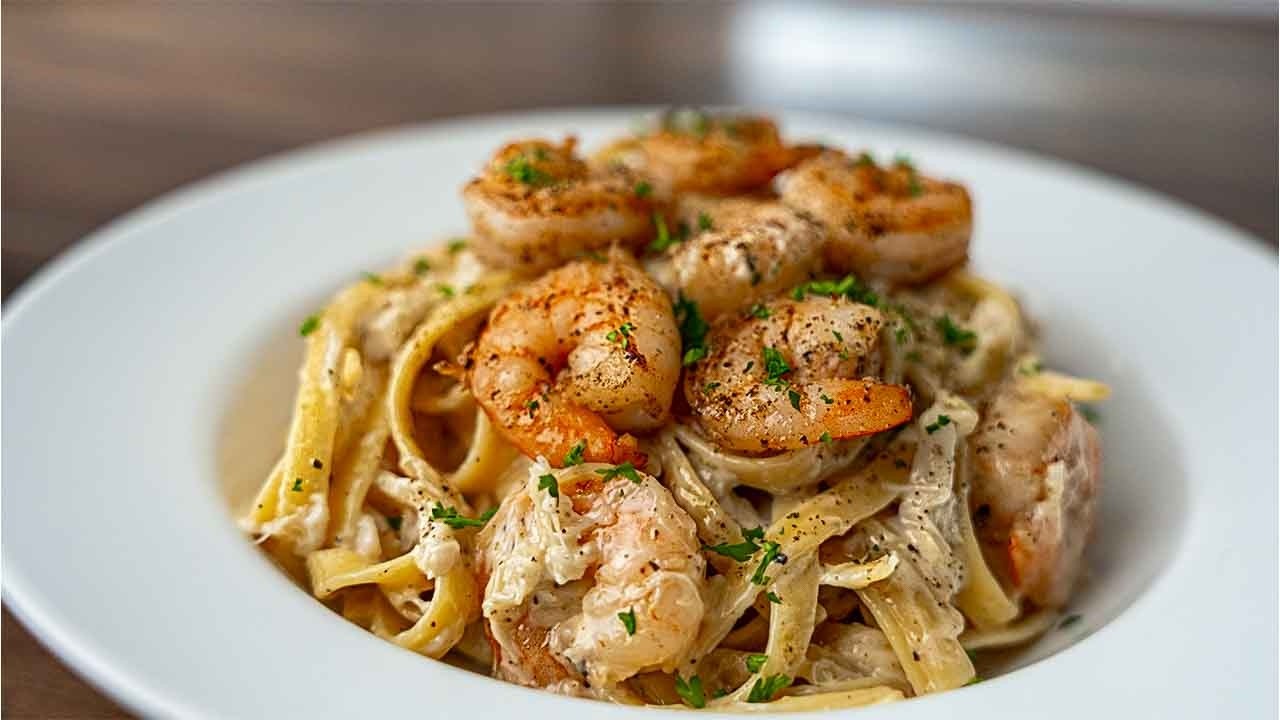
Shrimp Fettuccine Recipe: There’s something irresistible about a plate of creamy, garlicky shrimp fettuccine. It’s rich, comforting, and comes together faster than you’d think. Whether you’re cooking for a date night, a family dinner, or just treating yourself to something delicious, this shrimp fettuccine recipe is your go-to guide.
This dish combines tender fettuccine pasta, juicy shrimp sautéed to perfection, and a creamy garlic Parmesan sauce that coats everything in cheesy goodness. The best part? You don’t need to be a pro chef to pull this off. We’ll walk you through every step—from choosing the right ingredients to plating it like a restaurant dish.
So roll up your sleeves, tie on that apron, and let’s get cooking!
List of Ingredients You’ll Need
Let’s be real: a great dish starts with great ingredients. Here’s what you’ll need to whip up this restaurant-quality shrimp fettuccine at home. Feel free to tweak the ingredients based on your taste or dietary needs.
Main Ingredients:
- Fettuccine pasta – 12 oz (fresh or dried)
- Shrimp – 1 lb, peeled and deveined (medium or large)
- Garlic – 4 cloves, minced
- Butter – 3 tbsp (unsalted)
- Olive oil – 2 tbsp
- Heavy cream – 1 ½ cups
- Parmesan cheese – ¾ cup, freshly grated
- Salt and pepper – to taste
- Red pepper flakes – optional, for heat
- Parsley – chopped, for garnish
- Lemon juice – 1 tbsp (optional but adds brightness)
Optional Add-ins:
- Baby spinach – 1 cup
- Mushrooms – ½ cup sliced
- Sun-dried tomatoes – ¼ cup
Substitutes:
- No heavy cream? Use half-and-half, or a mix of milk and butter.
- Dairy-free? Use coconut cream and vegan Parmesan.
- No fettuccine? Tagliatelle or linguine works great too.
Having these ingredients prepped and ready makes the cooking process smoother and more enjoyable. Let’s move on to the tools you’ll need next.
Kitchen Tools Required
To make shrimp fettuccine without stress, having the right kitchen tools can make all the difference. You don’t need anything fancy, but here’s what will help:
Essential Tools:
- Large pot (for boiling pasta)
- Large skillet or sauté pan
- Strainer or colander
- Cutting board and sharp knife
- Tongs or pasta fork
- Measuring cups and spoons
Nice-to-Have Tools:
- Garlic press (for mincing garlic faster)
- Microplane grater (for fresh Parmesan)
- Zester (if you’re using lemon zest)
Simple tools, big flavor. Let’s talk shrimp next—it’s the star of the dish, after all.
Choosing the Right Shrimp
Shrimp can be tricky if you’re new to cooking seafood, but don’t worry—we’ve got you covered.
Fresh vs. Frozen:
- Fresh shrimp is amazing, but frozen shrimp is super convenient and still delivers great taste.
- Look for wild-caught or sustainably farmed shrimp.
- Frozen shrimp should be thawed in the fridge or under cold running water before use.
Size Matters:
- Medium (41/50 count) or large (31/40 count) shrimp are ideal for pasta.
- Too small and they get lost; too big and they overpower.
Cleaning & Prepping Tips:
- Peel and devein your shrimp if not already done.
- Rinse under cold water and pat dry with paper towels before cooking.
- Season lightly with salt and pepper or a little paprika for color.
Getting the shrimp right is key. Now let’s look at the pasta it pairs so well with.
Selecting the Best Fettuccine Pasta
Fettuccine is the ideal pasta for creamy sauces like the one in our shrimp dish because it’s wide and flat, allowing it to soak up all the rich flavors. But there are a few things to keep in mind when selecting and preparing your fettuccine.
Fresh vs. Dried Pasta:
- Fresh fettuccine cooks faster and has a softer, more delicate texture. It’s perfect if you’re going for a gourmet touch.
- Dried fettuccine is more common, easy to store, and still tastes great when cooked properly.
If you’re short on time, dried pasta is totally fine—just cook it right.
Cooking Tips:
- Use plenty of water: At least 4–6 quarts per pound of pasta.
- Salt the water generously: About 1–2 tablespoons of salt. This is your only chance to season the pasta itself.
- Stir occasionally: To prevent sticking.
- Cook until al dente: This means it’s tender but still has a slight bite. Usually around 10–12 minutes for dried fettuccine.
Once it’s done, don’t rinse the pasta! You want that starchy coating—it helps the sauce stick better.
Now that we’ve got the pasta and shrimp sorted, let’s dive into the sauce—the heart and soul of this dish.
Perfecting the Garlic Cream Sauce
A creamy garlic sauce brings everything together. It’s velvety, rich, and full of flavor—but it’s also surprisingly simple to make if you follow the right steps.
Building the Base:
- Start with butter and olive oil in a pan. Butter brings richness, olive oil helps prevent burning.
- Add freshly minced garlic and sauté until fragrant—around 1 minute. Don’t let it brown, or it’ll taste bitter.
Creamy Goodness:
- Slowly pour in the heavy cream, stirring constantly to prevent curdling.
- Let it simmer gently (don’t boil) until it thickens—about 5–7 minutes.
Cheesy Finish:
- Add freshly grated Parmesan cheese and stir until melted.
- Season with salt, pepper, and a pinch of red pepper flakes if you like some heat.
This sauce should coat the back of a spoon and feel silky smooth. You’ll be tempted to eat it with a spoon—don’t worry, we won’t judge.
Now, let’s bring it all together in the cooking steps.
Step-by-Step Cooking Instructions
Let’s break it down into easy-to-follow steps so you can cook confidently and enjoy every part of the process. Don’t rush—it’s worth doing each step properly for the best flavor and texture.
Step 1: Boil the Fettuccine
Bring a large pot of water to a rolling boil and add a generous amount of salt—it should taste like the sea. This seasons the pasta from the inside. Add fettuccine and cook according to package directions until al dente. Stir occasionally to prevent sticking. Reserve a cup of pasta water, then drain the rest.
Step 2: Sauté the Shrimp
Pat the shrimp dry so they sear instead of steam. Season lightly with salt, pepper, and a pinch of paprika or Italian seasoning if you like. Heat a little olive oil or butter in a skillet over medium-high heat. Add shrimp in a single layer and cook 2–3 minutes per side until pink and opaque, then remove from the pan and set aside.
Step 3: Prepare the Creamy Garlic Sauce
In the same pan, melt butter over medium heat. Add minced garlic and cook briefly until fragrant. Pour in heavy cream and bring to a gentle simmer. Stir in Parmesan cheese, salt, and black pepper. Whisk until smooth and slightly thickened. Add a splash of pasta water if the sauce becomes too thick.
Step 4: Combine Shrimp, Pasta, and Sauce
Add the cooked fettuccine to the pan with the sauce and toss gently to coat every strand. Return the shrimp to the skillet and mix lightly so they stay tender. Let everything heat together for a minute to blend flavors. Finish with fresh parsley or a squeeze of lemon if desired. Serve warm and enjoy.
Optional Add-Ins and Variations
Want to put your own spin on this recipe? Go for it! Here are some fun ways to change things up:
Add-Ins:
- Spinach: Stir in baby spinach at the end—it wilts quickly and adds a fresh touch.
- Mushrooms: Sauté mushrooms with the shrimp for earthy flavor.
- Sun-dried tomatoes: Add tangy sweetness and a pop of color.
Variations:
- Chicken Fettuccine: Swap shrimp for thin-sliced chicken breast.
- Scallop Pasta: Use scallops instead of shrimp for a fancier twist.
- Spicy Cajun Style: Add Cajun seasoning and more chili flakes for heat.
This recipe is super flexible—don’t be afraid to experiment!
Tips to Enhance the Flavor
Want to take your shrimp fettuccine from good to absolutely mind-blowing? These pro-level flavor tips will make your dish taste like it came straight out of a high-end restaurant.
1. Deglaze the Pan
After sautéing the shrimp, there are usually golden brown bits left on the pan—that’s called fond, and it’s full of flavor. When you start your sauce:
- Add a splash of white wine, chicken broth, or even pasta water to deglaze.
- Scrape up the fond with a wooden spoon.
- Let it simmer for a minute to cook off the alcohol (if using wine).
This adds rich, deep flavor to your cream sauce without needing extra ingredients.
2. Use Fresh Ingredients
- Fresh garlic > garlic powder.
- Freshly grated Parmesan > pre-packaged cheese.
- Fresh lemon juice gives a bright finish that balances out the richness.
3. Layer Your Seasoning
- Don’t wait until the end to season.
- Season your shrimp, pasta water, and sauce individually as you go.
- Taste and adjust during each step.
4. Add a Splash of Lemon or Wine
- A little acid (like lemon juice or white wine) balances the heaviness of the cream and cheese.
- It cuts through the richness and wakes up your taste buds.
These small flavor-boosting tricks make a big difference. Let’s now look at how to keep your delicious creation fresh and tasty for the next day.
How to Store and Reheat Leftovers
Shrimp fettuccine is best fresh, but if you’ve got leftovers (lucky you!), here’s how to store and reheat them so they stay creamy and delicious.
Storing Leftovers:
- Allow the pasta to cool completely before storing.
- Transfer to an airtight container.
- Keep in the refrigerator for up to 3 days.
- Don’t freeze it—cream sauces don’t freeze well and the shrimp can turn rubbery.
Reheating Instructions:
- Stovetop (best method):
- Place pasta in a pan with a splash of milk or cream.
- Heat over low-medium heat, stirring constantly, until warmed through.
- Microwave:
- Place in a microwave-safe dish.
- Add a spoonful of milk or water and cover loosely.
- Heat in 30-second intervals, stirring in between.
Tip: Reheat gently. High heat can split the cream sauce or overcook the shrimp.
Serving Suggestions
Shrimp fettuccine is rich and creamy, so it pairs beautifully with lighter, fresher sides. Here’s how to serve it up for a full meal experience:
Side Dishes:
- Garlic bread or a toasted baguette – perfect for scooping up sauce.
- Caesar salad or a crisp garden salad – for a refreshing contrast.
- Steamed or roasted veggies like asparagus, broccoli, or zucchini.
Wine Pairing:
If you’re old enough or serving adults:
- A crisp white wine like Sauvignon Blanc or Pinot Grigio works wonders.
- Avoid sweet wines—they can clash with the garlic and cheese.
Want to get fancy? Serve in warmed pasta bowls and top with extra Parmesan, cracked pepper, and a sprig of parsley. Simple touches make it feel extra special.
Common Mistakes to Avoid
Even a simple dish can go sideways if you’re not careful. Here are the most common pitfalls to steer clear of:
1. Overcooking the Shrimp
Shrimp cook really fast—just 1.5 to 2 minutes per side.
- Overcooked shrimp turn rubbery and dry.
- Keep an eye on them; as soon as they turn pink and curl, pull them off the heat.
2. Letting the Sauce Boil
Cream sauces are delicate.
- Boiling can cause the cream to curdle or separate.
- Always simmer gently on medium to low heat.
3. Using Pre-Shredded Cheese
Pre-shredded cheese often contains anti-caking agents.
- These can make your sauce grainy or clumpy.
- Grate your own Parmesan for a smoother, silkier texture.
4. Not Salting the Pasta Water
Pasta water should taste like the sea.
- It’s your only chance to season the pasta from the inside.
- Unsalted water = bland noodles.
Avoid these mistakes, and your dish will be restaurant-worthy every single time.
Nutritional Information
Want to keep track of your intake? Here’s a general breakdown of what you’re consuming per serving (based on 4 servings from the full recipe):
| Nutrient | Approx. Amount (Per Serving) |
|---|---|
| Calories | 650–750 kcal |
| Protein | 35g |
| Fat | 40g |
| Saturated Fat | 20g |
| Carbohydrates | 45g |
| Fiber | 2g |
| Sugar | 3g |
| Sodium | 800mg–1000mg |
Note: Exact values will vary depending on specific brands and ingredient quantities used.
If you’re looking to lighten it up, try using half-and-half instead of heavy cream, reduce the amount of butter, or toss in extra veggies to stretch the dish.
FAQs about Shrimp Fettuccine Recipe
1. Can I use frozen shrimp for this recipe?
Absolutely! Just make sure to thaw them fully in the fridge or under cold running water before cooking. Pat them dry with paper towels to avoid extra moisture in the pan.
2. Can I make this recipe dairy-free?
Yes! Use coconut cream or a dairy-free milk alternative with vegan butter and vegan Parmesan. It won’t taste exactly the same, but it’ll still be rich and satisfying.
3. What can I use instead of fettuccine?
No fettuccine? No problem! Try linguine, tagliatelle, spaghetti, or even penne. Just avoid very thin pastas like angel hair—they don’t hold the creamy sauce as well.
4. Can I meal prep shrimp fettuccine?
Yes, but it’s best enjoyed fresh. If you do prep it ahead, store the sauce separately and add shrimp just before serving. Reheat gently to avoid overcooking.
5. How long can I keep leftovers?
Stored in an airtight container in the fridge, leftovers will last up to 3 days. Reheat gently on the stovetop or in the microwave with a splash of milk or cream.
Conclusion
And there you have it—an irresistible, creamy, garlicky shrimp fettuccine recipe that’s easy to follow, full of flavor, and guaranteed to impress. Whether you’re a seasoned home cook or just starting out, this step-by-step guide helps you make a restaurant-quality pasta dish right in your kitchen.
Shrimp fettuccine is all about balance: the richness of the cream, the brightness of lemon, the kick from garlic, and the tender bite of shrimp. It’s comfort food with a touch of elegance.
Once you master this recipe, you’ll want to keep it on repeat—and maybe even share it with friends and family. Don’t be surprised when they ask for seconds (or thirds).
Bon appétit!