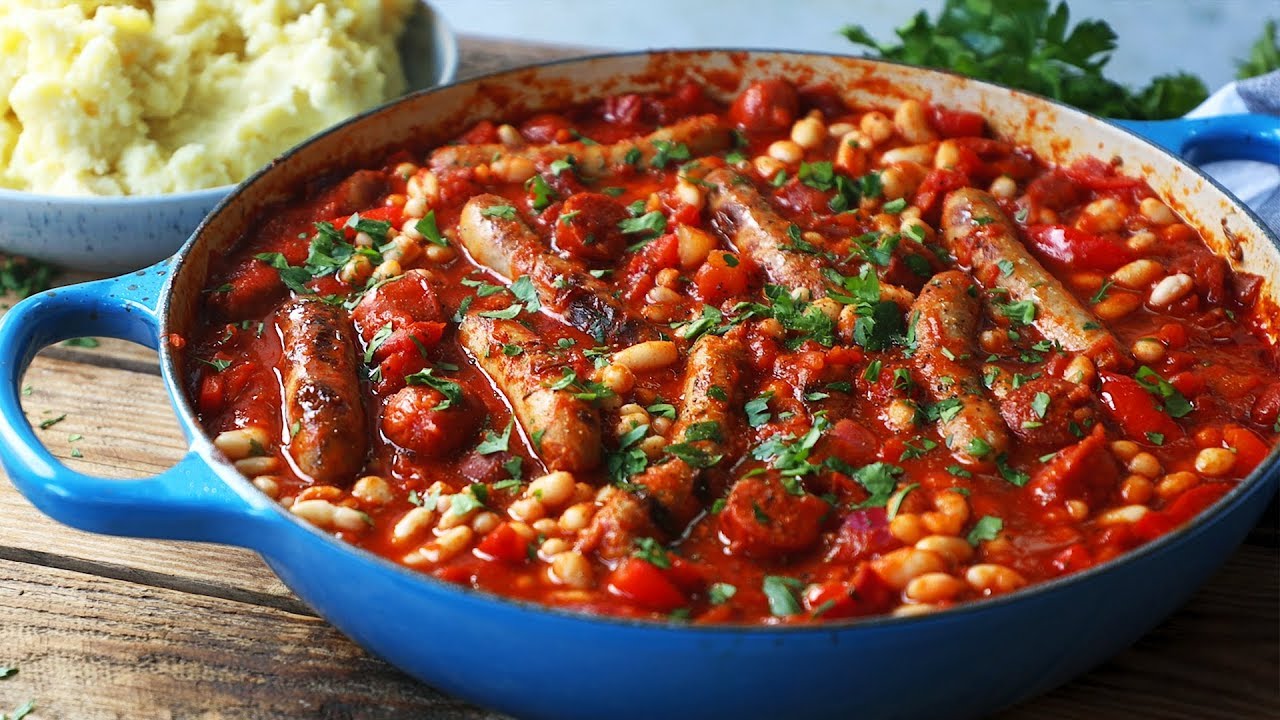
Sausage Casserole Recipe: If there’s one dish that screams comfort food, it’s a hearty sausage casserole. Think juicy sausages simmering in a rich, flavorful sauce, packed with tender vegetables and mouthwatering aromas that fill your kitchen. Whether you’re making it for a cozy family dinner, a meal prep session, or just want something warm and satisfying after a long day, this dish always hits the spot.
In this guide, you’ll get everything you need to make the perfect sausage casserole—ingredient lists, step-by-step instructions, cooking tips, and even tasty variations. You don’t need to be a pro chef to follow along—just a little bit of time, basic kitchen gear, and an appetite for something delicious. Ready to dive in?
Ingredients You’ll Need
Here’s a list of ingredients to make a classic, flavorful sausage casserole. These are flexible—feel free to make swaps depending on your taste or dietary needs.
Basic Ingredients:
- 6–8 pork sausages (or chicken, beef, or vegetarian sausages)
- 1 large onion (chopped)
- 2 garlic cloves (minced)
- 2 carrots (peeled and sliced)
- 1 red bell pepper (chopped)
- 1 yellow bell pepper (chopped)
- 1 can (400g) chopped tomatoes
- 1 tbsp tomato paste
- 300ml chicken or vegetable stock
- 1 tsp paprika
- 1 tsp dried thyme
- 1 tsp dried oregano
- Salt and pepper to taste
- 1 tbsp olive oil
- 1 tbsp Worcestershire sauce (optional for depth)
Optional Add-ins:
- 1 can (400g) of beans (butter beans or cannellini work great)
- 100g mushrooms (sliced)
- A splash of red wine for richness
- Chili flakes for heat
- Fresh parsley or basil for garnish
Sausage Notes:
Choose high-quality sausages with a good meat-to-fat ratio for the best flavor. If you’re using pre-cooked sausages, reduce browning time. For a healthier version, use lean turkey or chicken sausages.
Tools and Equipment
You don’t need a fancy kitchen setup for this recipe. Here’s what you’ll need:
Essential Tools:
- Large oven-safe skillet or casserole dish with a lid
- Chopping board
- Sharp knife
- Wooden spoon or spatula
- Measuring cups and spoons
Optional (But Helpful):
- Slow cooker or Instant Pot (for hands-off cooking)
- Garlic press (if you hate mincing garlic)
- Oven mitts (because hot dishes are no joke)
Simple gear, simple cleanup, and a big reward at the end—what more could you want?
Preparation Tips Before You Start Cooking
Before firing up the stove, it’s always a good idea to do a little prep work. Trust me, having everything ready will make cooking smoother and a lot more enjoyable.
- Chop all your veggies first. Keep them in separate bowls so you can grab and go during each step.
- Measure out your herbs, spices, and stock—it’s easy to over-season if you’re eyeballing it mid-recipe.
- Pat the sausages dry if they’ve been stored in the fridge—this helps them brown better.
- Preheat your oven to 180°C (350°F) if you’re baking the casserole.
- Have your casserole dish or skillet ready. It saves time and prevents burnt garlic while you’re scrambling for cookware.
Small prep steps = big payoff when everything starts coming together.
Step-by-Step Guide to Making Sausage Casserole
Step 1: Choosing and Preparing the Sausages
Use pork, chicken, turkey, or spicy sausages depending on your preference. Brown them in a pan until golden on all sides—this adds flavor and improves texture. Choose sausages that complement your sauce style (smoky, herbed, or spicy).
Step 2: Chopping and Sautéing the Vegetables
Great options include onions, bell peppers, carrots, potatoes, and mushrooms. Sauté them in the same pan to pick up browned bits. Cook until softened but not mushy. Layer flavors by adding sturdier veggies first, then softer ones.
Step 3: Adding Herbs and Spices
Use thyme, rosemary, bay leaves, paprika, garlic, pepper, and a little salt. Start light—season gradually. Combine fresh herbs at the end and dried herbs earlier to deepen flavor without overpowering the dish.
Step 4: Making the Sauce
Choose tomato-based (crushed tomatoes, broth) or creamy (cream, milk, or cheese). Keep sauces thick but pourable. Avoid boiling cream sauces hard—they can split.
Step 5: Simmering for Flavor
Simmer everything together for 10–20 minutes. This blends flavors without overcooking veggies. Taste halfway through and adjust salt, pepper, or herbs.
Step 6: Baking the Casserole
Transfer to a baking dish and bake at 350–375°F (175–190°C) for 25–35 minutes. Ensure bubbling edges and fully cooked sausages. Rotate the dish if browning unevenly.
Step 7: Letting it Rest Before Serving
Rest 5–10 minutes before serving. This allows juices to settle and the casserole to firm slightly. Keep warm by covering loosely with foil.
Serving Suggestions
Sausage casserole is a complete meal on its own, but pairing it with the right sides can elevate it even more.
Perfect Pairings:
- Crusty bread: Ideal for mopping up all that delicious sauce.
- Mashed potatoes: Creamy mash pairs beautifully with the savory casserole.
- Steamed rice: Great if you want to keep it simple and soak up the flavors.
- Roasted vegetables: For a hearty, veggie-packed plate.
Hosting guests? Serve it with a fresh green salad and some garlic bread for a well-rounded, crowd-pleasing meal.
How to Store and Reheat
Casseroles are amazing as leftovers—and this one holds up beautifully.
To Store:
- Let it cool completely before storing.
- Store in an airtight container in the fridge for up to 3 days.
- You can also freeze it for up to 2 months. Use freezer-safe containers and label with the date.
To Reheat:
- Microwave individual portions for 3–4 minutes, stirring halfway.
- Reheat in the oven at 160°C (320°F) covered with foil for 20–25 minutes.
- Add a splash of stock or water if the sauce has thickened too much.
Casseroles tend to taste even better the next day—the flavors have time to develop and blend more fully.
Variations and Twists
One of the best things about sausage casserole is how adaptable it is. Whether you’re feeding picky eaters, vegetarians, or someone who likes it spicy, there’s a version for everyone. Let’s explore some creative ways to give this classic dish a fun twist.
1. Vegetarian or Vegan Sausage Casserole
You can still enjoy all the flavor without the meat.
- Use plant-based sausages made from soy, lentils, or pea protein.
- Substitute the chicken stock with vegetable stock.
- Make sure your Worcestershire sauce is vegan or skip it.
- Add extra veggies like zucchini, eggplant, or spinach for more nutrition.
You’ll be surprised at how hearty and satisfying it still is!
2. Spicy Sausage Casserole
Love a bit of heat?
- Choose spicy Italian sausages or chorizo for natural kick.
- Add chili flakes, hot sauce, or smoked paprika to the sauce.
- Throw in some jalapeños or spicy beans for extra fire.
Serve with sour cream or yogurt on the side if it gets too hot to handle.
3. Kid-Friendly Sausage Casserole
Making it for little ones?
- Go with mild sausages, like chicken or sweet pork.
- Keep the spices gentle—skip the chili.
- Add sweet veggies like corn, peas, or butternut squash.
- Top with a sprinkle of cheese during the last 10 minutes in the oven to make it more fun and comforting.
They’ll ask for seconds—guaranteed.
4. One-Pot Sausage and Pasta Casserole
Yes, you can make it even more filling!
- Add parboiled pasta like penne or macaroni before baking.
- You may need to increase the sauce slightly to keep it from drying out.
- Bake as usual and top with cheese for a pasta-bake twist.
This version is a total crowd-pleaser, especially for busy weeknights.
Common Mistakes and How to Avoid Them
Even the best cooks can make slip-ups. Here are a few common mistakes when making sausage casserole—and how you can steer clear of them.
1. Using Low-Quality Sausages
Cheap sausages often contain more fillers than meat. This affects both flavor and texture. Always go for sausages with a high meat content, ideally 80% or more. Better ingredients = better casserole.
2. Not Browning the Sausages Properly
Browning adds flavor and locks in moisture. Skipping this step makes your casserole bland and the sausages rubbery. Take the extra 10 minutes—it’s worth it.
3. Overcooking the Vegetables
While you want your veggies soft, overcooked ones turn to mush. Sauté them just until they’re tender and let the oven do the rest of the work.
4. A Watery Sauce
Nobody wants a soup instead of a casserole. Use tomato paste to thicken, and don’t add too much stock at once. You can always add more later.
5. Underseasoning
Taste as you go. A pinch of salt, a bit of spice—these small touches make a huge difference. Don’t be afraid to adjust.
Healthier Sausage Casserole Tips
Craving comfort food but watching what you eat? No problem. Here’s how to lighten up your sausage casserole without sacrificing flavor.
- Use lean sausages like chicken, turkey, or reduced-fat pork.
- Add more vegetables like spinach, kale, or zucchini to bulk it up.
- Cut back on salt by using low-sodium stock and seasoning it yourself.
- Swap creamy additions with healthier alternatives like low-fat yogurt or blended cauliflower in the sauce.
- Reduce oil usage by sautéing with a non-stick spray or small amount of broth.
Eating healthy doesn’t have to be boring—this version proves it.
Why You’ll Love This Recipe
Still wondering if this is worth making? Let’s break it down:
- It’s easy and forgiving. Even beginners can nail it.
- It’s budget-friendly. Most ingredients are pantry staples or affordable.
- It’s full of flavor. Rich, savory, and satisfying.
- It’s meal-prep gold. Make a big batch and eat all week.
- It’s endlessly customizable. Spicy, veggie-packed, or cheesy—take your pick.
This isn’t just a recipe. It’s a mealtime solution that brings people together around the table. Trust us—you’ll make this more than once.
FAQs about Sausage Casserole Recipe
1. Can I make this in a slow cooker?
Yes! Just brown your sausages and sauté your veggies first. Then, combine everything in the slow cooker and cook on low for 6–8 hours or high for 3–4 hours.
2. What type of sausage is best for casserole?
It depends on your taste! Pork sausages are classic, but chicken, chorizo, or even plant-based sausages work well too.
3. How can I make it gluten-free?
Use gluten-free sausages and check that your stock, tomato paste, and Worcestershire sauce are all labeled gluten-free.
4. How do I thicken the sauce if it’s too runny?
Simmer it uncovered on the stove for a few minutes before baking. You can also add a teaspoon of cornstarch mixed with water.
5. Can I prep it the night before?
Absolutely! Assemble the casserole, cover, and store in the fridge. When you’re ready, just bake as directed, adding 5–10 extra minutes to the cook time.
Conclusion
There’s a reason sausage casserole is a beloved classic. It’s hearty, flavorful, simple to prepare, and absolutely hits the spot every time. Whether you’re cooking for family, meal prepping for the week, or just treating yourself to a cozy night in, this dish delivers comfort and satisfaction in every bite.
We’ve walked you through the entire process—from ingredients and tools to baking, storing, and customizing. Now, all that’s left is for you to give it a try.
So fire up your stove, grab your favorite sausages, and make your kitchen smell like home. Once you do, we guarantee it won’t be the last time this dish lands on your dinner table.