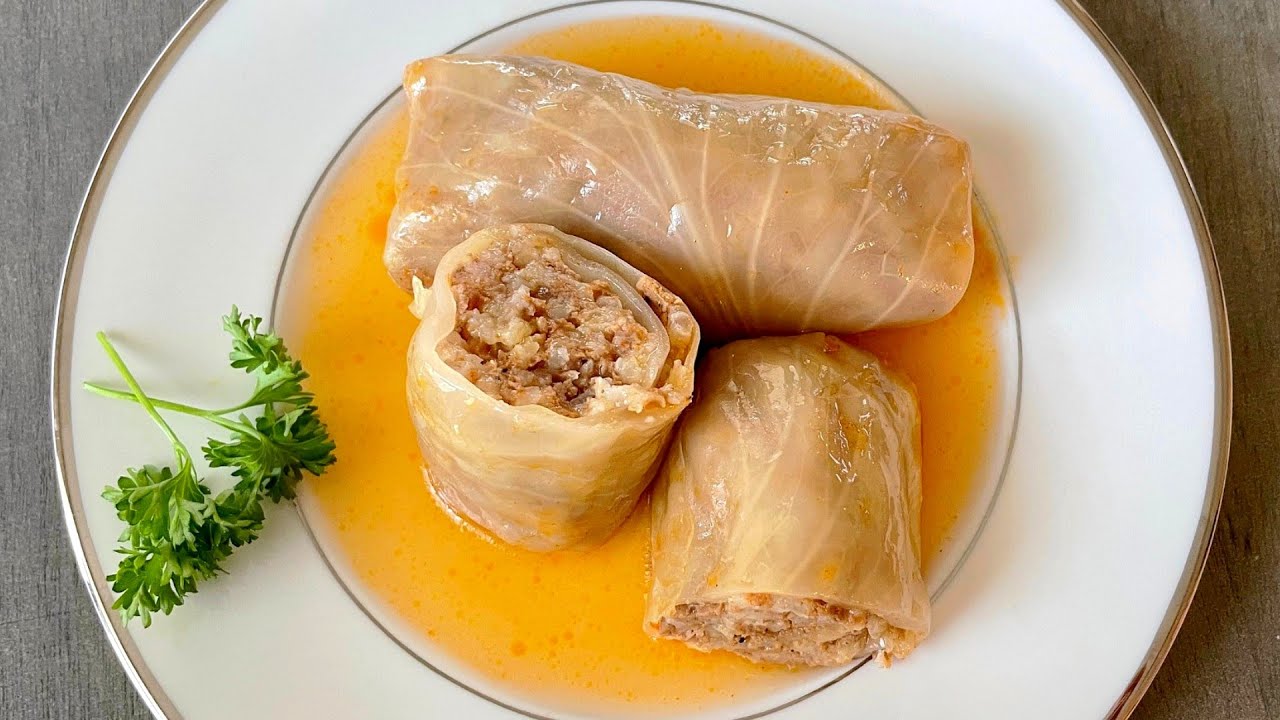
If there’s one dish that instantly brings comfort, warmth, and nostalgia to the table, it’s Sarma. This iconic stuffed cabbage roll recipe has been passed down through generations, filling kitchens with rich aromas and families with anticipation. Whether served at festive gatherings, winter holidays, or Sunday family lunches, Sarma holds a special place in traditional cuisine across Eastern Europe, the Balkans, and parts of the Middle East.
Sarma isn’t just food—it’s a ritual. From carefully separating cabbage leaves to patiently rolling each piece by hand, making Sarma is a slow, intentional process that rewards you with deep, layered flavors. It’s the kind of dish that tastes even better the next day, soaking up memories as much as spices.
In this professional step-by-step Sarma recipe guide, you’ll learn everything—from selecting the perfect cabbage to rolling and cooking Sarma like a seasoned home cook. Whether you’re making Sarma for the first time or refining your technique, this guide walks you through every detail in a clear, friendly, and practical way.
By the end, you’ll not only know how to make Sarma—you’ll understand why each step matters.
What Is Sarma?
Sarma is a traditional dish made by wrapping seasoned meat and rice filling inside cabbage leaves, then slowly cooking the rolls until tender and flavorful. The word “Sarma” comes from the Turkish verb sarmak, meaning to wrap or roll, which perfectly describes the cooking method.
At its core, Sarma is about balance. The slight tanginess of cabbage pairs beautifully with the richness of meat, the softness of rice, and the warmth of spices. When cooked low and slow, all these elements melt together into a dish that feels hearty without being heavy.
What makes Sarma especially unique is its adaptability. Nearly every region has its own version—some use smoked meats, others add herbs or spices, and some even create vegetarian alternatives. Despite these variations, the essence remains the same: carefully rolled cabbage leaves filled with love and patience.
Sarma is often compared to other stuffed dishes, but its slow-cooked depth and fermented cabbage flavor set it apart. It’s not fast food—it’s slow comfort food, meant to be shared and savored.
The History and Cultural Significance of Sarma
Sarma’s story stretches back centuries, deeply rooted in the culinary traditions shaped by the Ottoman Empire. As trade routes expanded and cultures intertwined, Sarma traveled across regions, adapting to local ingredients and tastes while maintaining its core identity.
In many cultures, Sarma is inseparable from celebration. Weddings, religious holidays, winter feasts, and family reunions often feature a large pot of Sarma simmering on the stove. Making Sarma is rarely a solo activity—it’s a communal experience where family members gather, roll, talk, laugh, and pass down stories along with techniques.
In Balkan households, Sarma is often associated with wintertime, when fermented cabbage is at its best. In Turkish cuisine, smaller, delicately rolled Sarma is often served as a refined dish. Central European versions may lean heartier, with generous portions and smoked meats.
Beyond taste, Sarma represents patience, care, and tradition. It’s not rushed. It’s made slowly, intentionally, and with respect for those who taught us how to make it.
Different Types of Sarma Around the World
Sarma may share a name, but its variations tell stories of geography and culture. In the Balkans, Sarma typically features fermented cabbage leaves, minced pork or beef, rice, paprika, and often smoked meat for added depth. This version is robust, bold, and deeply comforting.
In Turkey, Sarma can be made with grape leaves instead of cabbage, often smaller in size and delicately seasoned with herbs like dill and mint. These versions can be served warm or cold and sometimes skip meat entirely.
In Central Europe, Sarma tends to be heartier, with thicker cabbage leaves and richer fillings. Some regions incorporate barley instead of rice, while others add cream-based sauces after cooking.
Vegetarian Sarma has also gained popularity, using mushrooms, lentils, or walnuts as a substitute for meat. These versions prove that Sarma’s magic lies not only in meat but in its method and seasoning.
No matter the variation, Sarma remains a dish built on tradition, adaptability, and shared meals.
Choosing the Right Cabbage for Sarma
The success of Sarma starts with the cabbage. Choosing the right one can make the difference between tender rolls and tough, chewy bites. Traditionally, fermented cabbage is preferred for its softness and signature tangy flavor. Fermentation naturally breaks down the cabbage, making it easier to roll and digest.
If fermented cabbage isn’t available, fresh cabbage works just fine with proper preparation. Look for a large, heavy head with flexible leaves and minimal tears. Avoid cabbages that feel dry or brittle, as they tend to crack when rolled.
When using fresh cabbage, blanching is essential. This softens the leaves and makes them pliable enough to wrap without breaking. Removing the thick center rib also helps achieve smooth, even rolls.
Great Sarma begins long before cooking—it starts with choosing the cabbage that will carry all that delicious filling.
Ingredients You’ll Need for Sarma
Main Ingredients
- 1 large fermented cabbage (or fresh cabbage)
- 500 g ground meat (pork, beef, or a mix)
- 100 g rice (uncooked)
- 1 large onion, finely chopped
- 2–3 cloves garlic, minced
- 1 teaspoon paprika
- Salt and black pepper to taste
- 2 tablespoons oil
- 1 bay leaf
- Water or broth as needed
Optional Ingredients
- Smoked ribs or bacon
- Tomato paste
- Dried herbs (thyme, dill)
- Chili flakes for heat
Each ingredient plays a role. The meat brings richness, rice adds texture, cabbage provides structure, and spices tie everything together. Simple ingredients—extraordinary results.
Step-by-Step Guide: Preparing and Cooking Sarma
Step 1: Prepare the Cabbage
Carefully separate the cabbage leaves. If using fresh cabbage, blanch the whole head in boiling water for 5–10 minutes until leaves soften. Trim thick veins for easier rolling.
Step 2: Make the Filling
In a large bowl, combine ground meat, rice, onion, garlic, oil, paprika, salt, and pepper. Mix gently—overmixing makes the filling dense.
Step 3: Roll the Sarma
Place a small amount of filling on each leaf, fold the sides inward, and roll tightly but gently. Uniform size ensures even cooking.
Step 4: Layer the Pot
Line the bottom with leftover cabbage leaves. Arrange Sarma tightly, seam-side down. Add smoked meat between layers if using.
Step 5: Cook Slowly
Cover with water or broth, add bay leaf, and simmer on low heat for 2–3 hours. Slow cooking is key.
Serving Sarma the Traditional Way
After hours of slow cooking, Sarma finally reaches that magical moment where the cabbage is melt-in-your-mouth tender and the filling is juicy, fragrant, and deeply flavorful. Serving Sarma is more than just plating food—it’s about honoring tradition and maximizing comfort.
Traditionally, Sarma is served hot, straight from the pot, often with some of the cooking liquid spooned generously over the rolls. This liquid is pure gold—it carries the essence of cabbage, spices, and meat, tying everything together. Sarma is rarely served alone. It’s usually paired with simple, grounding sides that complement its richness without overpowering it.
Common traditional accompaniments include:
- Fresh bread or crusty homemade loaf for soaking up juices
- Mashed potatoes or boiled potatoes
- Polenta or cornmeal mash
- Sour cream or plain yogurt on the side
- Pickled vegetables for contrast
In many households, Sarma tastes even better the next day. Reheating allows flavors to deepen and meld, making leftovers highly prized. When serving guests, presentation is simple and rustic—Sarma doesn’t need fancy plating. Its appeal lies in its honesty and heartiness.
Storage and Reheating Tips
One of Sarma’s greatest strengths is how well it stores. In fact, many people intentionally make large batches because it keeps beautifully and reheats like a dream. Once cooked, allow Sarma to cool completely before storing. This helps preserve texture and prevents excess moisture buildup.
For short-term storage, place Sarma in an airtight container and refrigerate. It will stay fresh for up to 4–5 days. Always keep some cooking liquid with the rolls to prevent them from drying out. When reheating, do so slowly on the stovetop or in the oven at a low temperature. Microwave reheating is possible, but it may slightly alter the texture of the cabbage.
Sarma also freezes exceptionally well. Arrange rolls tightly in a freezer-safe container, cover with cooking liquid, and seal properly. Frozen Sarma can last up to 3 months. Thaw overnight in the refrigerator before reheating gently.
Avoid reheating Sarma multiple times. Reheat only what you plan to eat to maintain quality and food safety.
Common Mistakes to Avoid When Making Sarma
Even though Sarma is simple in concept, small mistakes can affect the final result. One of the most common errors is overfilling the cabbage leaves. Rice expands as it cooks, and too much filling can cause rolls to burst or become dense. Less is more here.
Another frequent mistake is rushing the cooking process. Sarma demands patience. Cooking it on high heat might seem tempting, but it leads to tough cabbage and unevenly cooked filling. Low and slow is the golden rule.
Using unseasoned filling is another pitfall. Cabbage is mild, so the filling must be well-seasoned to carry flavor through the entire dish. Taste the mixture before rolling if possible.
Lastly, skipping the bottom cabbage layer can cause Sarma to stick or burn. That simple protective layer is essential for even cooking and easy cleanup.
Nutritional Value of Sarma
Sarma is often perceived as heavy, but nutritionally, it’s quite balanced when enjoyed in moderation. It combines protein, carbohydrates, and fiber in a single dish. The meat provides essential protein and iron, rice offers energy, and cabbage contributes fiber, vitamins C and K, and beneficial antioxidants.
Approximate nutritional benefits per serving:
- Good source of protein
- High in dietary fiber
- Contains essential minerals like iron and potassium
- Naturally gluten-free
For a lighter version, lean meat can be used, or the meat quantity can be reduced and supplemented with vegetables or legumes. Sarma can easily be adapted to fit different dietary preferences without losing its soul.
FAQs about Sarma Recipe
1. Can I make Sarma without meat?
Yes, vegetarian Sarma is very popular. You can replace meat with mushrooms, lentils, beans, or walnuts while keeping rice and spices for structure and flavor.
2. Is fermented cabbage necessary for Sarma?
No, but it’s traditional. Fresh cabbage works well when properly blanched and seasoned.
3. Why does my Sarma fall apart while cooking?
This usually happens due to overfilling, loose rolling, or cooking at too high a temperature.
4. Can Sarma be cooked in the oven instead of the stove?
Yes. Cover tightly and bake at low temperature for several hours, checking liquid levels occasionally.
5. How do I know when Sarma is fully cooked?
The cabbage should be very tender, and the filling should be fully cooked with no raw rice texture.
Conclusion
Sarma is more than a recipe—it’s a tradition wrapped in cabbage leaves. It teaches patience, rewards care, and brings people together around the table. From choosing the right cabbage to slowly simmering each roll, every step contributes to a dish that feels deeply satisfying and timeless.
Whether you’re making Sarma for a holiday, a family gathering, or simply to enjoy comforting food over several days, this step-by-step guide gives you everything you need to succeed. Once you’ve made it a few times, Sarma becomes second nature—and soon, it becomes your tradition too.