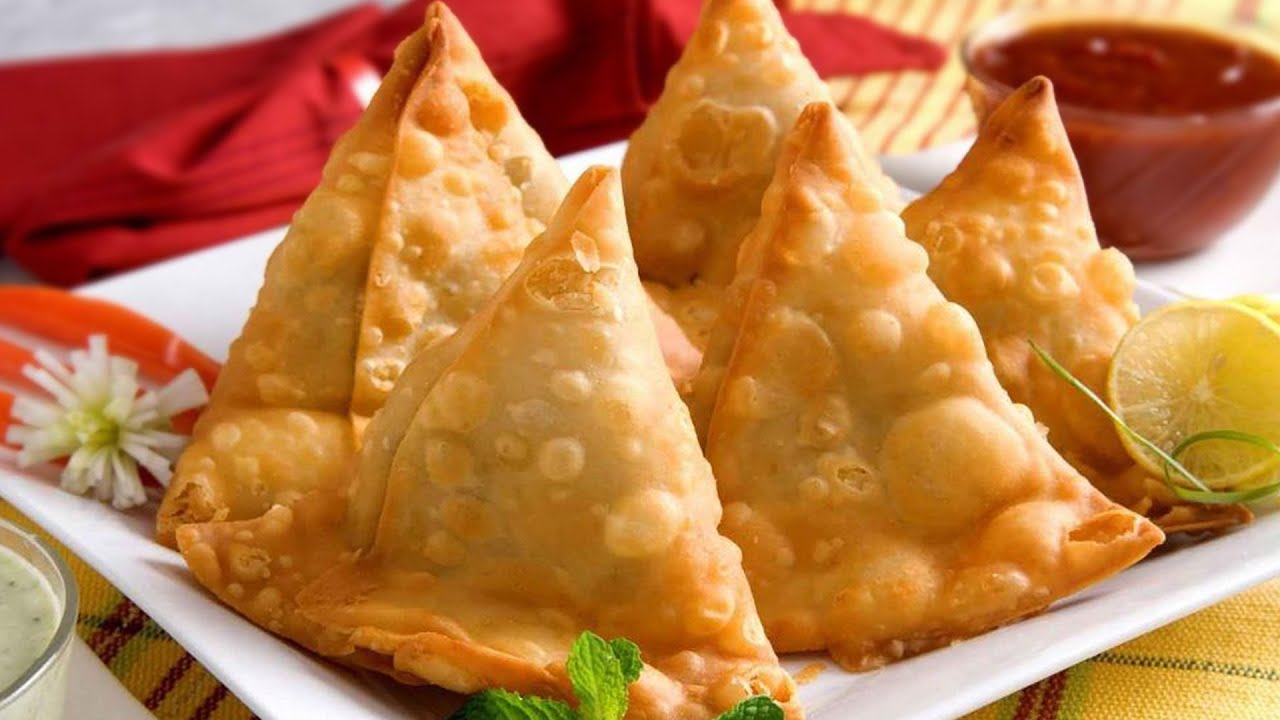
Samosas Recipe: Samosas are crispy, golden triangles of deliciousness, filled with a spiced mixture that varies from country to country.
Whether you’re craving a tea-time snack, planning a party, or looking to impress your friends with your cooking skills, homemade samosas never disappoint.
In this article, we’ll dive into the classic Indian-style potato samosa recipe with a crispy outer shell and a warm, flavorful filling. Plus, you’ll learn pro tips, healthy alternatives, and how to make them like a seasoned street vendor.
What Is a Samosa?
A samosa is a fried or baked pastry with a savory filling, such as spiced potatoes, peas, meat, or lentils. The dough is usually made from flour and water, shaped into a triangle or cone, filled, and then cooked to perfection. Samosas are popular across South Asia, the Middle East, Africa, and even in Western countries, thanks to their rich taste and crispy texture.
The iconic version that most people love is the Indian potato samosa — crunchy on the outside and soft and spicy on the inside. It’s usually served with green chutney or tamarind chutney and enjoyed during festivals, gatherings, or as a street food snack.
Origin and Popularity of Samosas
Did you know that samosas didn’t originally come from India? Their roots trace back to the Middle East, where a similar pastry called “sambosa” was mentioned in ancient Persian texts. From there, the dish traveled along trade routes to India, where it took on its current form.
Today, samosas are a staple in Indian, Pakistani, Nepali, and Bangladeshi cuisines. You’ll find them in lunch boxes, roadside stalls, luxury hotels, and even frozen in supermarkets worldwide. Whether they’re filled with spicy potatoes, minced meat, or even cheese, samosas continue to win hearts globally.
Types of Samosas Around the World
Samosas come in many forms depending on the region. Here are a few popular ones:
- Indian Samosas – Filled with spiced potatoes, peas, and sometimes nuts and raisins.
- Punjabi Samosas – Larger and spicier, often served with chole (chickpea curry).
- Keema Samosas – Filled with minced meat like chicken, beef, or lamb.
- Middle Eastern Sambousek – Often smaller and filled with minced meat, cheese, or spinach.
- African Samosas – Particularly in Kenya and Tanzania, often filled with beef and seasoned with local spices.
- Western Fusion Samosas – Filled with cheese, jalapeños, or even chocolate!
Now that we’ve got the basics and background out of the way, let’s get to the part you’re waiting for — the recipe!
Ingredients You’ll Need
Let’s break this down into sections: dough, filling, and optional extras.
For the Dough (Samosa Shell)
- 2 cups all-purpose flour (maida)
- ¼ cup oil or ghee (clarified butter)
- ½ tsp salt
- Cold water (for kneading, approx. ½ cup)
- ½ tsp carom seeds (ajwain) – optional but recommended for flavor
For the Filling (Traditional Potato Filling)
- 4 medium potatoes (boiled, peeled, and mashed)
- 1 cup green peas (boiled or steamed)
- 2 tbsp oil
- 1 tsp cumin seeds
- 1 tbsp finely chopped ginger
- 1-2 green chilies (finely chopped)
- 1 tsp garam masala
- 1 tsp coriander powder
- ½ tsp turmeric powder
- 1 tsp amchur (dry mango powder) or lemon juice
- Salt to taste
- Fresh coriander leaves (finely chopped)
Optional Ingredients (Variations & Add-ons)
- Crushed cashews or raisins for a sweeter, royal-style filling
- Minced meat (chicken, lamb, or beef) for non-vegetarian variation
- Chaat masala for extra tang
- Paneer cubes for a cheesy twist
Kitchen Tools Required
- Mixing bowls
- Rolling pin
- Knife
- Frying pan or wok
- Slotted spoon
- Paper towels
- Dough board or clean surface
- Pastry brush (optional, for baking method)
Step-by-Step Guide to Making Samosas
Step 1: Preparing the Dough
In a bowl, mix all-purpose flour, salt, and oil. Rub the oil into the flour until crumbly. Add water gradually to form a stiff dough. Cover and rest for 30 minutes.
Step 2: Preparing the Filling
Boil and mash potatoes lightly. In a pan, heat oil and sauté cumin seeds, onions, ginger, and green chilies. Add spices like coriander, garam masala, turmeric, and salt. Mix in potatoes and peas. Cool completely.
Step 3: Rolling the Dough
Divide the dough into balls. Roll each into a thin oval or circle, about 6–7 inches wide.
Step 4: Forming the Samosa Shape
Cut the rolled dough in half. Take one half, fold into a cone shape, and seal the edge with water.
Step 5: Filling and Sealing the Samosas
Fill the cone with potato mixture. Press the top edges together, sealing tightly to prevent leaks.
Step 6: Deep Frying the Samosas
Heat oil on low to medium heat. Fry samosas slowly, turning occasionally, until golden and crisp. Serve hot with chutney.
Baking Option: A Healthier Alternative
Trying to avoid deep-frying? You can still enjoy delicious samosas without the oil.
- Preheat your oven to 375°F (190°C).
- Brush the prepared samosas lightly with oil or melted butter.
- Place them on a baking tray lined with parchment paper.
- Bake for 25–30 minutes or until golden, flipping halfway through for even browning.
Air Fryer Tip: You can also air-fry samosas at 350°F (175°C) for about 15–20 minutes, flipping once midway.
While baked samosas don’t have the same deep-fried crunch, they are still super tasty — and much lighter!
Tips for Perfect Samosas
Want samosas that impress your family and friends? Follow these extra tips:
- Use chilled water for kneading the dough to get a crisper texture.
- Let the dough rest for at least 30 minutes so it’s easier to roll and shape.
- Don’t skip the carom seeds (ajwain) — they aid digestion and add flavor.
- Use fresh spices for the filling for the best aroma and taste.
- Seal tightly! Any gaps can cause oil to enter and ruin the samosa.
- Always fry on low to medium heat for even cooking and crispiness.
Common Mistakes to Avoid
Even seasoned cooks can slip up. Here are a few pitfalls to dodge:
- Using too much water in the dough – makes it soft and soggy.
- Overstuffing the samosa – leads to breakage while frying.
- Rolling the dough too thin – causes bursting during cooking.
- Frying on high heat – may give you brown but undercooked samosas.
- Skipping rest time for the dough – makes it hard to roll and shape.
Serving Suggestions
Samosas are delicious on their own, but even better when paired with:
- Green chutney (made with mint, coriander, green chilies, and lemon)
- Tamarind chutney (sweet and tangy with jaggery and tamarind pulp)
- Yogurt dip with spices like cumin and chaat masala
- Hot chai (tea) – for that classic Indian snack-time experience
- Chole (spicy chickpeas) – to turn your samosas into a full meal
Storage and Reheating Tips
Made too many? Here’s how to store and enjoy them later:
- Fridge: Store cooked samosas in an airtight container for up to 3 days.
- Freezer: Freeze uncooked samosas on a tray, then transfer to a zip-lock bag for up to 2 months.
- Reheat: Use an oven or air fryer to reheat so they stay crispy. Avoid the microwave—it makes them soggy!
Nutritional Information (Per Samosa, Approx.)
| Nutrient | Value |
|---|---|
| Calories | 130–170 |
| Carbohydrates | 20g |
| Protein | 3g |
| Fat | 6g–8g |
| Fiber | 2g |
| Sodium | 150mg |
Note: Nutritional values vary based on ingredients and cooking method.
FAQs about Samosas Recipe
1. Can I make samosas in advance?
Yes! You can prepare and shape them ahead of time and freeze them uncooked. Fry or bake directly from frozen — no thawing needed.
2. Why are my samosas not crispy?
Crispiness depends on the dough and frying temperature. Make sure your dough is firm and you’re frying on low to medium heat.
3. What can I use instead of potatoes for filling?
You can try minced meat, paneer, lentils, or even sweet fillings like coconut and jaggery for a dessert version.
4. How long can I store cooked samosas?
Store them in the refrigerator for up to 3 days. Reheat in an oven or air fryer for the best texture.
5. Can I use whole wheat flour instead of all-purpose flour?
Yes, but it will make the samosas slightly denser and less crispy. A mix of whole wheat and all-purpose flour works better.
Conclusion
Samosas are more than just a snack — they’re a culinary experience. Crunchy, spicy, and satisfying, they’re the perfect fusion of flavor and texture. Now that you have this ultimate step-by-step guide, you’re ready to create your own batch of authentic, mouthwatering samosas at home.
Whether you’re deep-frying or baking, going vegetarian or adding meat, one thing is for sure: homemade samosas will always taste better than store-bought ones.