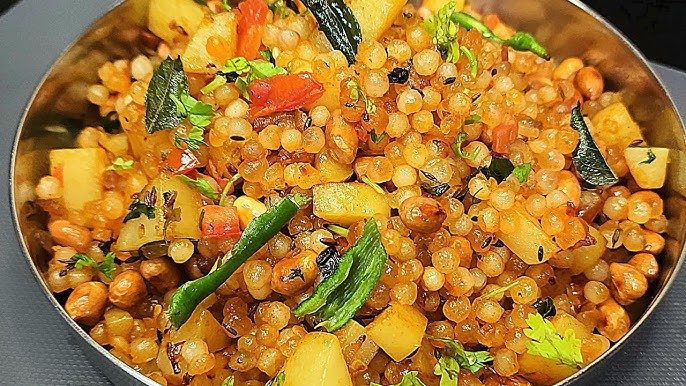
Sabudana Khichdi Recipe: If you’ve ever fasted during Indian festivals like Navratri or Shivratri, chances are you’ve come across this comforting, satisfying dish called Sabudana Khichdi. Light, non-greasy, yet rich in flavor—this dish is more than just a fasting meal. It’s a staple breakfast and snack choice for many. Whether you’re observing a vrat or just want to try something gluten-free and wholesome, sabudana khichdi can be your go-to.
Let’s walk through a fully detailed, step-by-step guide to making perfect sabudana khichdi every single time.
Ingredients You’ll Need
Here’s a comprehensive list of everything you’ll need. We’re going for the classic version, but don’t worry—we’ll talk about variations later!
Main Ingredients:
- Sabudana (Sago Pearls): 1 cup
- Potatoes: 1 medium, peeled and diced
- Peanuts: 1/2 cup (roasted and coarsely ground)
- Green Chilies: 1-2 finely chopped
- Curry Leaves: 6–8 leaves
- Cumin Seeds: 1 teaspoon
- Salt (Sendha Namak for fasting): to taste
- Ghee or Oil: 1.5 tablespoons
- Fresh Coriander Leaves: Chopped, for garnish
- Lemon Juice: 1 teaspoon, optional but recommended
Optional Add-ons:
- Grated coconut for garnish
- Sugar (a pinch) to balance flavors
- Black pepper for extra heat
- Crushed peanuts for crunch on top
Nutritional Notes:
Sabudana is a good source of carbohydrates, making it an ideal energy booster—especially helpful during fasting. While it’s low in protein and fiber, combining it with peanuts and potatoes makes it more balanced.
Before You Begin: Soaking the Sabudana
This is the most crucial step in your khichdi journey. If you mess this up, you could end up with either chewy or sticky sabudana, and nobody wants that.
Why Soaking Matters:
Sabudana comes hard and dry. It needs to soak and absorb water to get the soft, fluffy texture that makes khichdi what it is.
How to Soak:
- Rinse 1 cup of sabudana under running water 2-3 times until the water runs clear. This helps remove the starch.
- Soak it in water—just enough to immerse the sabudana (not more than 1 to 1.5 cm above the surface).
- Leave it covered for 5–6 hours or overnight.
Pro Tip:
After soaking, test it by pressing a pearl between your fingers. It should squish easily. If not, soak it for another hour or two.
Step-by-Step Guide to Making Sabudana Khichdi
Here comes the exciting part—cooking! Let’s break it down.
Step 1: Rinse and Soak Sabudana
Rinse sabudana (tapioca pearls) 2–3 times until the water runs clear. Soak with just enough water to cover for 4–6 hours or overnight.
Step 2: Drain and Test for Readiness
Drain excess water completely. Press a pearl between fingers—it should mash easily, not feel hard or sticky.
Step 3: Roast Peanuts (Optional but Recommended)
Dry-roast peanuts until crisp. Cool, peel skins, and coarsely crush. This adds flavor and prevents stickiness.
Step 4: Prep the Remaining Ingredients
Dice potatoes, chop green chilies, grate ginger (optional), and keep cumin seeds and salt ready.
Step 5: Temper the Spices
Heat oil or ghee in a pan. Add cumin seeds and let them crackle. Add green chilies and ginger; sauté briefly.
Step 6: Add Potatoes and Cook Until Soft
Add potatoes and salt. Cover and cook on medium heat, stirring occasionally, until tender and lightly golden.
Step 7: Add Soaked Sabudana and Peanuts
Lower the heat. Add sabudana and crushed peanuts. Mix gently to avoid breaking the pearls.
Step 8: Stir Gently and Cook Evenly
Cover and cook on low for 5–7 minutes, stirring once or twice, until pearls turn translucent.
Step 9: Finish with Fresh Herbs and Lemon Juice
Turn off heat. Add chopped cilantro and lemon juice. Fluff gently and serve hot.
Expert Tips for the Perfect Texture
Getting the texture right is the real secret to making sabudana khichdi that people will rave about. While the steps might seem simple, a few smart kitchen hacks can take your dish from average to absolutely amazing.
Avoiding Stickiness
The most common mistake is ending up with a sticky, lumpy mess. To avoid that:
- Rinse thoroughly – until the water runs clear. This removes excess starch.
- Soak with minimal water – Just barely covering the sabudana is enough. Too much water = mushy khichdi.
- Rest the soaked sabudana – After draining, let it rest covered for 30–60 minutes. This helps it “settle” and dry slightly.
- Add roasted peanut powder – It absorbs extra moisture and keeps things separate.
Ideal Heat Levels
Always cook on medium or low heat once you add sabudana to the pan. High heat can make the pearls cook too fast on the outside while staying raw on the inside.
Stirring Techniques
Don’t over-stir. Sabudana is delicate, and too much stirring will break the pearls and release starch, making it gummy. Use a flat spatula and stir just enough to mix everything evenly.
Variations You Can Try
While the classic sabudana khichdi is beloved for its simplicity, there are several tasty twists you can explore.
Spicy Maharashtrian Style
- Add red chili powder along with green chilies.
- Use jeera powder and crushed black pepper for extra spice.
- Top with grated coconut and coriander before serving.
Sweet and Savory Combo
- Add a teaspoon of sugar toward the end for a slight sweet kick.
- Garnish with raisins and grated coconut.
- This is especially popular during Ekadashi fasts.
Add Veggies for a Healthy Twist
Although traditional sabudana khichdi doesn’t include veggies, modern kitchens often do:
- Try chopped carrots, green beans, or bell peppers for crunch and color.
- Cook them with potatoes to ensure even softness.
These variations not only bring new flavors but also increase the dish’s nutritional value.
Common Mistakes to Avoid
Let’s face it—sabudana khichdi has a reputation for being easy to mess up. Here’s what not to do if you want to nail it every time.
Over-soaking Sabudana
- More soaking doesn’t equal better softness. Over-soaked sabudana turns into a paste.
- Always check softness after 5–6 hours. If it mashes easily between fingers, it’s ready.
Using High Heat
- High flame = burnt or undercooked sabudana. Use medium flame and give it time.
Over-stirring
- Repeated stirring breaks down the pearls and makes it gooey. Keep it gentle.
Skipping the Peanut Powder
- This isn’t just for taste. Ground peanuts help keep sabudana from clumping by soaking up moisture.
Avoid these pitfalls and your khichdi will be restaurant-quality, every time.
Serving Suggestions
Sabudana khichdi can be enjoyed in several different ways depending on the time of day and occasion.
Best Time to Serve
- Ideal for breakfast, brunch, or light dinner.
- Especially common during fasting days (Vrat) like Navratri, Shivratri, and Ekadashi.
What to Serve With It
- A bowl of cool yogurt or curd is a perfect pairing. It balances the heat and enhances digestion.
- For an extra zing, serve it with a side of mint chutney (without garlic if fasting).
- Don’t forget lemon wedges on the side!
Garnishing Ideas
- Fresh coriander leaves add color and freshness.
- A sprinkle of crushed roasted peanuts on top for crunch.
- Grated coconut if you like a touch of sweetness.
Health Benefits of Sabudana Khichdi
It’s not just tasty—it’s good for you too! Especially when made right, sabudana khichdi has several health benefits.
Energy Booster
- Sabudana is rich in carbohydrates, making it a quick energy source—ideal for fasting days when you’re avoiding grains and legumes.
Gluten-Free
- Naturally gluten-free, it’s a safe and delicious choice for people with gluten sensitivity or celiac disease.
Good for Digestion
- With the right balance of ingredients, it’s easy on the stomach and keeps you full longer.
- Potatoes provide resistant starch, while peanuts offer healthy fats and protein.
High in Calories, Low in Fat (if you use minimal oil)
- Be mindful: sabudana is calorie-dense. Portion control is key, especially if you’re watching your weight.
Storage and Reheating Tips
Sabudana khichdi tastes best fresh, but you can store it too if needed.
Refrigeration
- Store in an airtight container in the fridge for up to 1 day.
- Beyond that, it starts to lose its texture and may turn rubbery.
Reheating Tips
- Sprinkle 1–2 teaspoons of water before reheating in a covered pan on low flame.
- Alternatively, microwave it covered for 1–2 minutes with a splash of water to restore moisture.
Don’t Freeze It
- Freezing ruins the texture. Sabudana pearls don’t handle freezing and thawing well.
Sabudana Khichdi for Fasting (Vrat)
During Hindu fasting periods, sabudana becomes a staple. But not everything used in regular cooking is allowed during a fast.
Why It’s Ideal for Fasting
- Made with sendha namak instead of regular salt.
- No onions or garlic.
- Provides instant energy and satiety.
What to Include
- Only use ingredients allowed during fasting: potatoes, peanuts, cumin, green chilies, lemon, and fresh herbs.
- Avoid using mustard seeds, turmeric, and regular iodized salt unless your fasting rules allow.
This makes it the perfect combination of tradition, taste, and nutrition during religious observances.
Is Sabudana Khichdi Good for Weight Loss?
Now, this is a question that pops up often—can sabudana khichdi be part of a weight loss diet? The answer isn’t black and white. It all depends on how you prepare it, when you eat it, and what else you pair it with.
Let’s Break It Down:
- High in Carbs: Sabudana is essentially made of starch. One cup of cooked sabudana khichdi contains about 200–300 calories, depending on the oil and add-ons.
- Low in Protein and Fiber: On its own, sabudana lacks the fullness that comes from protein or fiber. But when you add peanuts, you improve the protein and fat content.
- Easily Digestible: This is great for energy, but it also means you may feel hungry again in a couple of hours.
How to Make It Weight-Loss Friendly:
- Use less ghee or oil. Stick to 1 teaspoon instead of 1.5 tablespoons.
- Add vegetables. Boosts fiber and makes it more filling.
- Limit your portion. Enjoy 1 cup alongside a bowl of curd.
- Avoid adding sugar or extra peanuts. Keep it simple.
When to Eat It:
Sabudana khichdi is best eaten in the morning or lunchtime. It provides energy and gives your body the whole day to burn off those carbs.
So, in short—yes, you can eat sabudana khichdi while trying to lose weight. Just eat smart!
Kid-Friendly Sabudana Khichdi
Getting kids to eat new or traditional dishes can be tricky. But sabudana khichdi, when made right, is something kids often love because of its soft texture and mild taste.
How to Make it Appealing to Kids:
- Reduce the spice: Avoid green chilies or use them very mildly.
- Add colorful veggies: Tiny bits of carrots, corn, and peas can make it more attractive.
- Mash it slightly: Younger kids may prefer a softer, slightly mashed version.
Add-On Nutrition:
- Mix in some grated paneer for protein.
- Add a few drops of ghee for healthy fats.
- Sprinkle chopped nuts or raisins (if they’re not allergic).
Kid Tip:
Turn it into mini balls or use cookie cutters for fun shapes! Kids love playful presentations.
With a little creativity, sabudana khichdi can be both a comfort food and a nutritious meal for your little ones.
FAQs about Sabudana Khichdi Recipe
1. Why does my sabudana khichdi turn sticky?
Sticky khichdi usually happens due to excess water during soaking or overcooking. Always rinse sabudana well and soak it with just enough water to cover. Drain completely before cooking, and don’t stir too much.
2. Can I make sabudana khichdi without peanuts?
Yes, but peanuts add both flavor and texture. If you have allergies or dietary restrictions, you can skip them or replace them with seeds like sunflower seeds for a crunchier texture.
3. How long should I soak sabudana?
Soak it for 5–6 hours or overnight. Make sure you rinse it well and only add water just enough to cover the pearls.
4. Can I use boiled potatoes instead of cooking them in the pan?
Absolutely. Boiled and diced potatoes can save time. Just toss them in with the sabudana during the mixing step.
5. Is sabudana khichdi good for digestion?
Yes! When prepared with minimal oil and the right ingredients, sabudana khichdi is light and easy on the stomach. Just avoid heavy spices and too much fat if you’re eating it as a recovery meal or during fasting.
Conclusion
There you have it—a complete, no-fail, step-by-step guide to making Sabudana Khichdi that’s delicious, light, and perfect for any occasion. Whether you’re fasting, looking for a gluten-free meal, or simply craving something satisfying yet healthy, this dish ticks all the boxes.
Remember, the key lies in soaking the sabudana right, using gentle heat, and balancing flavors with the right mix of potatoes, peanuts, and fresh herbs. And once you master it, you’ll see why this humble dish has been a favorite in Indian homes for generations.
Go ahead, grab that bowl of sabudana and start soaking. Trust us, your kitchen is about to smell amazing!