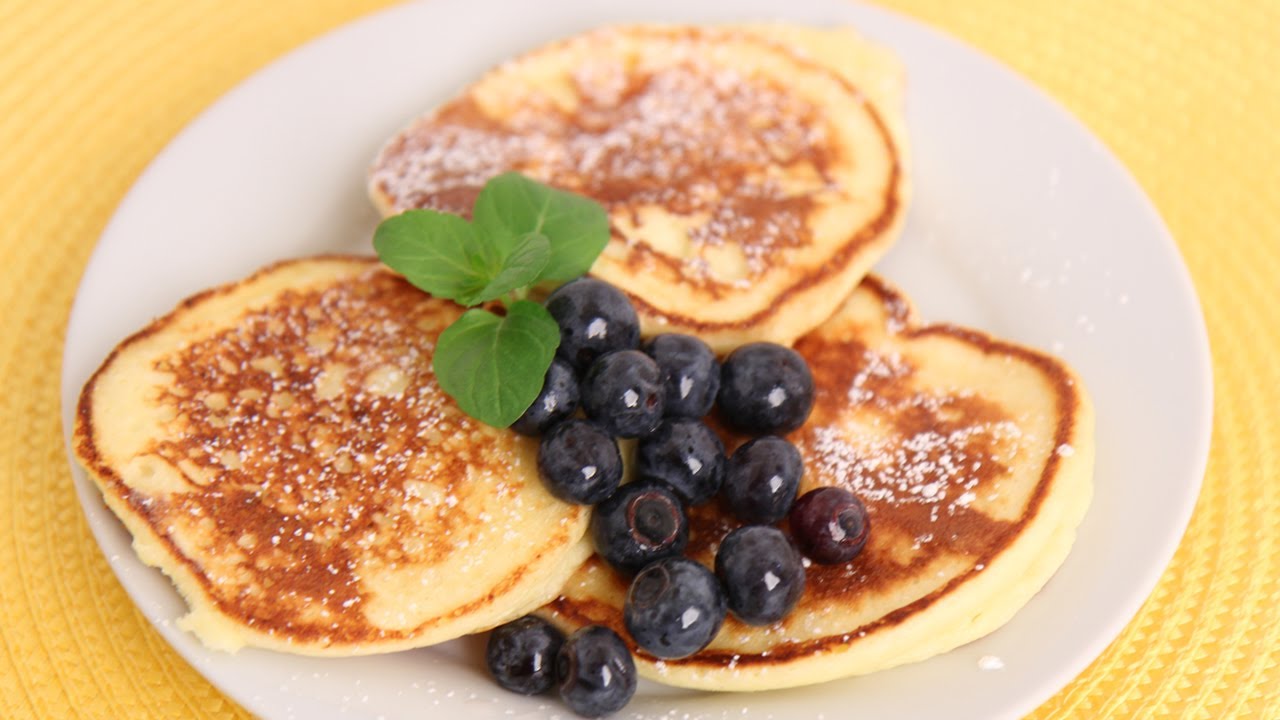
Ricotta Pancakes Recipe: Let’s face it—regular pancakes can sometimes fall a bit flat, both in texture and in taste. Enter ricotta pancakes: fluffy, creamy, and luxurious. They’re the brunch staple that makes your weekend feel like a five-star experience. If you’ve only had classic buttermilk pancakes before, you’re in for a delicious surprise. Ricotta adds richness without making the pancakes heavy. The result? Pillowy, soft pancakes with a slight tang and a moist interior that melts in your mouth.
These pancakes are ideal for when you want something a little extra special. Think weekend breakfasts, holiday brunches, or even a cozy dinner when you’re in the mood for breakfast-for-dinner. And the best part? They’re easier to make than you might think.
What Makes Ricotta Pancakes Different from Regular Pancakes
Ricotta is the game-changer here. It’s a mild, creamy cheese that adds both texture and subtle flavor. Instead of being dry or crumbly like some traditional pancakes, ricotta pancakes are airy, moist, and tender. Some recipes even separate the eggs and whip the egg whites to create a souffle-like pancake. Whether you keep it simple or go all out, the ricotta ensures a luxurious mouthfeel you won’t get from typical batter.
Also, these pancakes aren’t overly sweet, which makes them incredibly versatile. They can go either sweet—with maple syrup, berries, or whipped cream—or savory, with smoked salmon, herbs, or even a poached egg on top.
List of Ingredients You’ll Need
Basic Ingredients
To whip up the best-ever ricotta pancakes, you only need a few pantry staples and, of course, some good-quality ricotta. Here’s your grocery list:
- 1 cup ricotta cheese (full-fat for best texture)
- 3/4 cup all-purpose flour
- 1/2 teaspoon baking powder
- 1/4 teaspoon baking soda
- 1/4 teaspoon salt
- 2 tablespoons sugar (optional, but adds light sweetness)
- 2 large eggs, separated
- 1/2 cup milk (whole milk recommended)
- 1/2 teaspoon vanilla extract
- Butter or oil (for cooking)
Optional Ingredients for Extra Flavor
If you want to go above and beyond with flavor, here are some tasty additions you can mix into your batter:
- Zest of 1 lemon – for a bright, citrusy touch
- 1/2 teaspoon cinnamon – adds warmth and depth
- Mini chocolate chips or blueberries – because why not?
- A splash of almond extract – enhances the nutty aroma
Using fresh, high-quality ricotta really makes a difference here. Avoid pre-shredded or overly processed options. You want creamy, smooth ricotta—not grainy or watery cheese.
Kitchen Tools Required
Let’s keep things simple—you won’t need a professional kitchen to make these heavenly pancakes. Just gather a few essentials:
- Mixing bowls (you’ll need at least two)
- Whisk or electric mixer (for beating egg whites)
- Spatula
- Measuring cups and spoons
- Non-stick skillet or griddle
- Ladle or 1/4 cup measure (for pouring batter)
A stand mixer or handheld mixer can be super helpful for whipping egg whites, but a strong arm and a whisk will do the trick if you’re going manual.
Preparation Tips Before You Start
How to Get the Batter Just Right
Before diving into the mixing, here are a few smart tips:
- Drain the ricotta slightly if it’s watery. Just place it in a mesh sieve for a few minutes.
- Separate your eggs carefully. The whites should be clean—no yolk—so they whip up properly.
- Use room-temperature ingredients. Cold eggs and milk can make your batter clump.
What You Should Avoid
There are a few common pitfalls people fall into when making ricotta pancakes:
- Don’t overmix the batter. Mix until just combined to keep things fluffy.
- Avoid cooking on too high heat. Medium-low to medium is ideal.
- Never add all the wet to dry in one go. Combine gradually to avoid lumps.
Now that you’re set up and ready, let’s dive into the step-by-step cooking process!
Step-by-Step Guide to Making Ricotta Pancakes
Step 1: Mixing Dry Ingredients
In a bowl, whisk together flour, baking powder, sugar, and a pinch of salt. This ensures even lifting and balanced flavor.
Step 2: Whipping Egg Whites (Secret to Fluffy Pancakes)
Separate the eggs. Whip the egg whites until soft peaks form. This adds air and gives the pancakes their light, fluffy texture.
Step 3: Combining Wet Ingredients
In another bowl, mix ricotta cheese, egg yolks, milk, vanilla, and melted butter or oil until smooth and creamy.
Step 4: Folding the Batter
Add the dry ingredients to the wet mixture and stir gently. Carefully fold in the whipped egg whites using a spatula, working slowly to keep the batter airy.
Step 5: Heating the Pan Perfectly
Heat a non-stick pan or griddle over medium heat. Lightly grease with butter or oil. The pan should be warm, not too hot.
Step 6: Cooking the Pancakes
Spoon batter onto the pan. Cook for 2–3 minutes until bubbles form and edges set, then flip and cook another 1–2 minutes until golden. Serve warm with fruit, honey, or syrup.
Pro Tips for Flipping the Pancakes
When to Flip for Golden Perfection
Flipping too early is one of the most common mistakes. Wait until you see bubbles forming on top and the edges look set. Only then is it safe to flip.
If you try to lift the pancake and it sticks, it’s not ready. Give it another 30 seconds.
Avoiding Pancake Breakage
- Use a thin, wide spatula to get underneath cleanly.
- Flip with confidence—don’t hesitate mid-air.
- If your pancake tears, it’s likely too wet or the heat is too high. Lower the heat and let it firm up more before flipping the next one.
Serving Suggestions
Once your ricotta pancakes are golden and fluffy, it’s time to serve. Here are some delicious ideas:
Sweet Toppings:
- Maple syrup (always a classic)
- Fresh berries – blueberries, strawberries, raspberries
- Whipped cream
- Lemon curd or honey
- Powdered sugar with a dash of cinnamon
- Nutella or chocolate drizzle
Savory Variations:
Yes, ricotta pancakes can go savory too!
- Topped with smoked salmon and cream cheese
- A poached egg and avocado slices
- Sautéed spinach and feta cheese
- Fresh herbs and olive oil drizzle
The ricotta base makes them mild enough to pair well with a wide range of toppings, so get creative!
Making Pancakes Ahead of Time
If you’re planning brunch for a crowd or just want to make mornings easier, you can prep your pancakes in advance.
Storing in the Fridge:
Let the pancakes cool completely, then layer them between pieces of parchment paper in an airtight container. Store in the fridge for up to 3 days.
Freezing Tips:
To freeze, follow the same parchment paper method and store in a zip-top freezer bag. They’ll last up to 2 months. To reheat, just pop them in a toaster or warm in the oven.
How to Reheat Without Drying Them Out
Microwaving works, but can leave the pancakes soggy. Instead, try one of these methods:
Skillet Reheat:
Place pancakes in a dry skillet over medium-low heat. Cover with a lid and heat for 2 minutes per side.
Oven Reheat:
Preheat oven to 300°F (150°C). Wrap pancakes in foil and warm for 10 minutes.
Toaster Reheat:
For thinner pancakes, the toaster can be a quick fix—but be careful not to dry them out too much.
Nutritional Breakdown
Calories and Protein per Pancake
Let’s be honest—most of us don’t eat pancakes thinking they’re super healthy. But ricotta pancakes actually offer a nice balance of indulgence and nutrition. Here’s what you can expect per pancake (based on a batch of 8):
- Calories: ~120
- Protein: ~6–7 grams
- Fat: ~6 grams
- Carbs: ~10–12 grams
- Sugar: ~2–3 grams
Thanks to the ricotta and eggs, you get more protein than your average pancake. That means they’ll keep you fuller longer—great for energy throughout your morning.
Healthier Ingredient Swaps
Want to keep things a bit lighter or adjust for dietary needs? Try these swaps:
- Use whole wheat flour instead of all-purpose for extra fiber.
- Swap in low-fat ricotta to reduce calories and fat.
- Use almond milk or oat milk in place of whole milk.
- Add mashed banana or unsweetened applesauce for natural sweetness.
These tweaks won’t drastically change the texture, but they can lighten things up for a more balanced breakfast.
Common Mistakes to Avoid
We’ve all been there: rubbery pancakes, raw centers, or worse—burnt outsides with soggy insides. Let’s break down the biggest ricotta pancake mistakes and how to avoid them:
1. Overmixing the Batter
This is the number one reason pancakes turn out dense and chewy. Stir gently and only until your dry and wet ingredients are just combined. It’s okay if it’s lumpy!
2. Using Cold Ricotta or Eggs
Cold ingredients don’t mix well and can cause your batter to seize or clump. Always let your ricotta, eggs, and milk come to room temperature before mixing.
3. Skipping the Egg Whites Step
Some people skip whipping the egg whites to save time. Big mistake! That step is key to making your pancakes extra fluffy. It takes a few minutes, but it’s totally worth it.
4. Cooking on Too High Heat
High heat = pancakes that burn outside before cooking through. Keep it at medium-low, and be patient.
5. Not Letting the Batter Rest
Let your batter sit for 5–10 minutes before cooking. This allows the flour to hydrate and the bubbles to settle, giving you a smoother texture.
Avoid these and you’re already halfway to pancake perfection.
Gluten-Free and Dairy-Free Adaptations
Want to enjoy ricotta pancakes without gluten or dairy? No problem—there are easy swaps that don’t sacrifice flavor or texture.
For Gluten-Free:
- Use a 1:1 gluten-free all-purpose flour blend.
- Add an extra 1/4 teaspoon of baking powder to help with structure.
- Avoid overmixing—gluten-free batters can turn gummy if overworked.
For Dairy-Free:
- Swap ricotta with almond milk ricotta or cashew-based cheese alternatives (make sure they’re unsweetened).
- Use a dairy-free milk like oat, soy, or almond.
- Replace butter with coconut oil or vegan butter for cooking.
These adjustments work well and keep your pancakes just as delicious—perfect if you’re cooking for a group with dietary restrictions.
Ricotta Pancakes for Kids
Want a kid-friendly breakfast they’ll actually finish (without begging)? Ricotta pancakes are surprisingly kid-approved! They’re softer, fluffier, and just the right amount of sweet.
Here are some tips to make them even more fun:
- Add chocolate chips or rainbow sprinkles to the batter.
- Use cookie cutters to shape pancakes into stars, hearts, or animals.
- Let your kids build their own stack with bowls of toppings like berries, whipped cream, or peanut butter.
They’re also a great way to sneak in protein for picky eaters. You can even mix in mashed banana or pumpkin for added nutrition. Bonus: they freeze well, so you can make a big batch and reheat during the school week!
What to Serve with Ricotta Pancakes
These pancakes are fantastic on their own, but pairing them with the right sides and drinks makes your meal feel complete.
Best Drinks:
- Fresh orange juice or mimosa
- Iced latte or hot cappuccino
- Herbal tea with honey and lemon
- Smoothie with banana and spinach
Tasty Side Ideas:
- Crispy bacon or turkey sausage
- Scrambled or poached eggs
- Fresh fruit salad
- Greek yogurt with honey drizzle
Make it a brunch spread to remember!
FAQs about Ricotta Pancakes Recipe
1. Can I make these with cottage cheese instead of ricotta?
Yes, you can! Just make sure to blend the cottage cheese first to smooth out the curds. The texture will be slightly different but still tasty.
2. How long will the batter last in the fridge?
You can store the batter for up to 24 hours in the fridge. Stir gently before using, as it may settle or separate a bit.
3. Can I make them vegan?
It’s tricky but possible. Use a vegan ricotta alternative, non-dairy milk, and a flax or chia egg substitute. You’ll lose some fluffiness, but the flavor can still be great.
4. Do they taste cheesy?
Not really! Ricotta adds creaminess, not a strong cheese flavor. Most people are surprised at how mild and slightly sweet they taste.
5. What’s the best syrup to pair with them?
Classic maple syrup works great, but lemon syrup, honey, or even berry compote pair beautifully with the richness of the ricotta.
Conclusion
Ricotta pancakes are the perfect way to level up your breakfast or brunch game. They’re fluffy, creamy, and just the right balance of sweet and savory. With their luxurious texture and surprisingly easy prep, they’ll quickly become a household favorite. Whether you stick to the classic recipe or experiment with your own toppings and twists, these pancakes deliver every time.
Once you try making them at home, you’ll wonder why you ever settled for boxed pancake mix. So go ahead—grab some ricotta, fire up that skillet, and enjoy a stack of warm, delicious pancakes that taste like they came straight out of a gourmet café.