Red Salsa Recipe: Red salsa is one of those magical kitchen creations that seems so simple—just a handful of ingredients tossed together—yet it can elevate any dish from average to unforgettable. Whether you’re scooping it with crunchy tortilla chips or spooning it over your favorite tacos, a good red salsa is essential. But what makes a salsa truly great? The balance of heat, acidity, and texture.
If you’ve only ever used store-bought salsa, you’re seriously missing out. Homemade red salsa bursts with flavor and freshness, and the best part? It’s incredibly easy to make. In this guide, we’ll walk you through everything—from choosing the right tomatoes and chilies to blending it all together for that perfect consistency. Whether you like your salsa spicy or mild, chunky or smooth, we’ve got a version that fits your taste buds perfectly.
So grab your apron (or not—this is a mess-friendly process), and let’s make the ultimate red salsa right from scratch.
Ingredients You’ll Need
Before we dive into the steps, let’s take a close look at what you’ll need. The beauty of salsa is that it doesn’t require fancy ingredients—just fresh, simple ones that pack a punch.
Basic Ingredients:
- Tomatoes – Roma or plum tomatoes are the go-to choice for their meaty texture and low moisture.
- Onion – White or yellow onions work best for a balanced bite.
- Garlic – Just a clove or two will add depth.
- Fresh Chilies – Jalapeños, serranos, or even habaneros depending on your spice preference.
- Cilantro – Optional but highly recommended for a burst of freshness.
- Salt – Enhances all the other flavors.
- Lime Juice or Vinegar – Adds necessary acidity to balance the richness of the tomatoes.
Optional Add-ins:
- Cumin – Adds a smoky, earthy undertone.
- Sugar – Just a pinch to cut through the acidity.
- Tomatillos – For a tangy twist.
- Chipotle Peppers – For a smoky, spicy flavor.
- Olive Oil – For a smoother finish in cooked salsas.
Tools and Equipment:
- Blender or Food Processor – To blend ingredients to your desired texture.
- Knife & Cutting Board – For prepping ingredients.
- Cast Iron Skillet or Grill Pan – For roasting.
- Tongs – To handle hot ingredients.
- Molcajete (optional) – For a traditional grind and texture.
Your salsa is only as good as the ingredients you use, so the fresher, the better. And don’t worry—most of these items are probably already in your kitchen!
Types of Red Salsa
Salsa isn’t just one recipe—it’s a whole family of flavor-packed sauces. The type of red salsa you make will depend on how the ingredients are prepared. Here are the most common types you’ll want to know:
Fresh Salsa (Salsa Fresca or Pico de Gallo)
This is the chunkiest and brightest of all. No cooking involved here—just finely chopped tomatoes, onions, chilies, cilantro, lime juice, and salt. It’s fresh, crunchy, and perfect for scooping with chips or topping tacos.
Cooked Salsa (Salsa Roja)
This classic version involves simmering or boiling the ingredients before blending. Cooking deepens the flavors and gives the salsa a richer, smoother texture. It’s great with eggs, grilled meats, and just about everything else.
Roasted Salsa (Salsa Asada)
Roasting your tomatoes, chilies, garlic, and onions adds a beautiful charred flavor. This is a game-changer. Toss them on a skillet or grill until the skins blister—then blend for a smoky, robust salsa you’ll want to put on everything.
Salsa Taquera
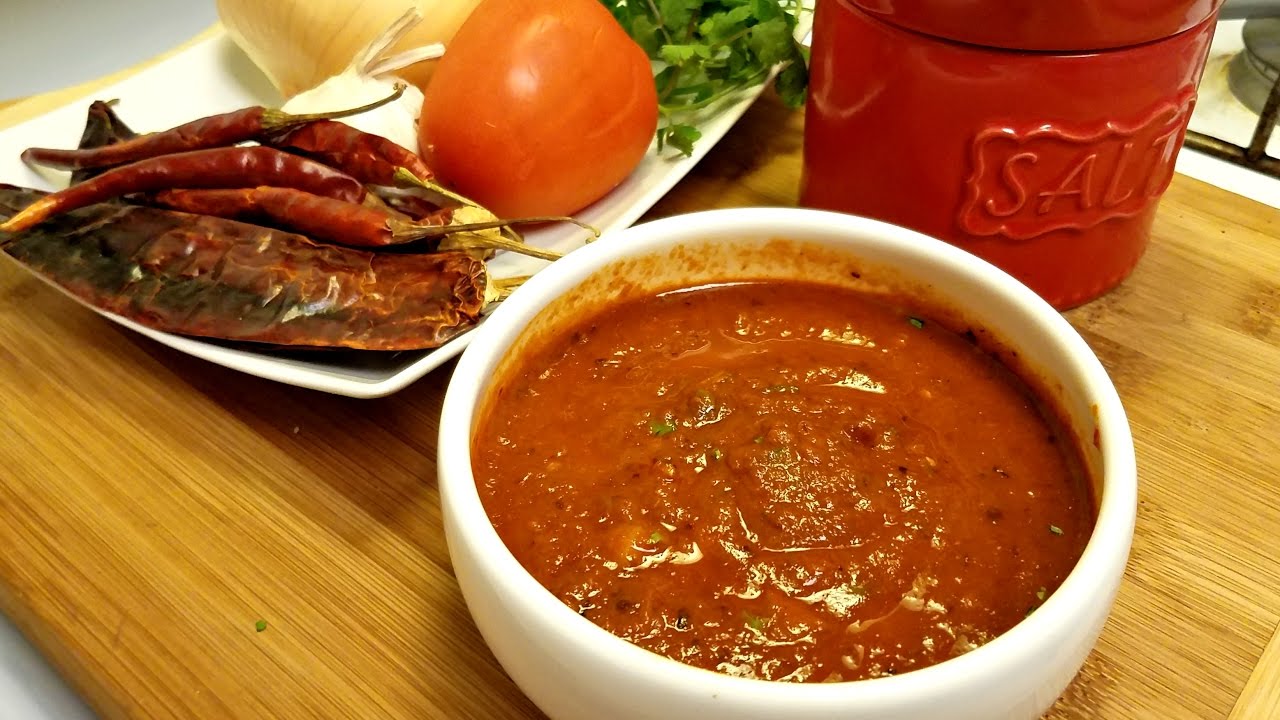
This is the kind of red salsa you find in taco joints—smooth, spicy, and bold. It’s usually made with dried chiles like chile de arbol, blended with vinegar and garlic for a punchy, pourable sauce.
Each style has its own vibe, and trying them all will help you find your go-to version. Want something quick and bright? Go fresh. Need depth and smokiness? Roast it up.
Choosing the Right Tomatoes
Tomatoes are the heart of red salsa, so choosing the right ones makes a huge difference. Here’s how to make the smartest pick:
Roma Tomatoes
These are the gold standard for red salsa. They’re dense, less watery, and have fewer seeds. Their meaty texture gives your salsa more body and a balanced sweetness.
Vine-Ripened Tomatoes
Juicier and more flavorful when in season, vine-ripened tomatoes can make a fantastic salsa—but be cautious. They have a higher water content, so you might need to cook the salsa a little longer to reduce it.
Cherry or Grape Tomatoes
Surprisingly good for salsa! Their natural sweetness and small size make them easy to roast quickly, resulting in a sweet, rich base.
Canned Tomatoes (If You Must)
In winter or when fresh tomatoes taste like cardboard, canned tomatoes can be a solid option. Look for San Marzano or fire-roasted canned tomatoes for the best results. Just drain the juice and blend as normal.
Choosing ripe, in-season tomatoes will always give you the best flavor. If your tomatoes are too sour or bland, a pinch of sugar or a splash of lime juice can save the day.
The Role of Chiles in Salsa
The chilies you choose determine not only the heat but the personality of your salsa. Think of them as the soul of the sauce.
Jalapeños
The most common pick for red salsa. Mellow heat, bright flavor, and widely available. Remove the seeds and ribs for a milder salsa.
Serrano Peppers
Hotter than jalapeños with a sharper bite. They work great if you want a salsa with a spicy kick but not overpowering.
Habaneros
Use with caution. These bring intense heat and fruity undertones. If you love fire, habaneros are your best friend—but start with a small amount.
Chile de Árbol
These dried red chilies bring a smoky, fiery flavor—perfect for Salsa Taquera. Toast them before blending for the best flavor.
Controlling the Heat
- Milder salsa? Remove seeds and membranes from the chiles.
- Spicy salsa? Leave seeds in or use hotter peppers.
- Roasting your chiles mellows their heat and adds depth.
The beauty of salsa-making is how customizable it is. Whether you’re a mild-spice kind of person or a heat chaser, there’s a chile combo that’s perfect for you.
Optional Ingredients to Enhance Flavor
You’ve got your basics covered, but these add-ins can elevate your red salsa to gourmet level.
Garlic
Raw garlic gives a sharp kick, while roasted garlic adds a mellow, sweet richness. One or two cloves go a long way.
Onions
White onions are crisp and clean-tasting. Yellow onions are sweeter when cooked. Red onions work best raw in fresh salsas. You can also grill or roast them for deeper flavor.
Lime Juice or Vinegar
Salsa needs acidity to balance the richness of tomatoes. Fresh lime juice is the most traditional, but apple cider vinegar works well too. A splash brings all the flavors together.
Cilantro
Love it or hate it, cilantro adds that signature salsa flavor. If you’re not a fan, substitute with parsley or skip it altogether.
Sugar
Sometimes, especially when tomatoes are out of season, they can be too acidic. A tiny pinch of sugar can round out the flavor without making the salsa sweet.
These ingredients don’t just enhance flavor—they bring balance, depth, and harmony. Play around and see what suits your taste best!
Kitchen Tools You’ll Need
Making homemade red salsa doesn’t require fancy gadgets, but having the right tools can make the process smoother and more enjoyable. Here’s a breakdown of what you’ll need and why each tool matters.
Blender or Food Processor
The MVP of salsa making. A blender will give you a smooth, restaurant-style salsa, while a food processor offers more control for chunkier textures. If you’re going for a thick, rustic salsa, pulse the ingredients instead of fully blending.
Knife and Cutting Board
It all starts with prepping. A sharp knife helps you dice tomatoes, chilies, onions, and garlic quickly and safely. A large, sturdy cutting board keeps your ingredients in place.
Cast Iron Skillet or Grill Pan
Want that smoky, roasted flavor? A cast iron skillet is your best friend. Use it to char tomatoes, onions, and chilies. You can also use a grill pan or outdoor grill to get that fire-kissed taste.
Tongs
Simple but essential. Use tongs to flip your veggies while roasting or grilling, especially when handling hot peppers.
Molcajete (Traditional Mortar and Pestle)
If you want the most authentic flavor and texture, a molcajete is the way to go. Crushing ingredients by hand releases oils and aromas you can’t get with a blender. Plus, it looks great on the table!
Mixing Bowls and Spoons
You’ll need bowls to mix, taste, and adjust your salsa before serving. Wooden or silicone spoons are best for stirring and taste-testing.
Storage Containers
Whether you’re making salsa ahead or saving leftovers, glass or BPA-free plastic containers with tight lids will keep it fresh in the fridge or freezer.
With just these basic tools, you’ll be fully equipped to whip up the best red salsa of your life. No need for anything fancy—just good ingredients and a little heat.
Step-by-Step Guide to Making Red Salsa
Alright, let’s get into the fun part—actually making the salsa. Whether you’re a total beginner or a salsa veteran, these steps will walk you through the process from start to finish. You’ll be amazed at how easy and satisfying it is.
Step 1: Gather and Prep Your Ingredients
Wash tomatoes, chilies, onion, and garlic. Remove stems from chilies and peel garlic. Roughly chop for even cooking.
Step 2: Roast or Boil Your Veggies
For smoky flavor, roast tomatoes, chilies, onion, and garlic in a dry pan or oven until lightly charred. For a fresher taste, boil them in water until soft. Drain well.
Step 3: Blend to Your Desired Texture
Transfer vegetables to a blender. Blend until smooth or slightly chunky, depending on preference. Add a little cooking liquid if needed.
Step 4: Season and Adjust
Season with salt, cumin, lime juice, and chopped cilantro. Taste and adjust heat, acidity, or salt as needed.
Step 5: Chill and Serve
Refrigerate for 20–30 minutes to let flavors develop. Serve with tortilla chips, tacos, or grilled meats.
Tips for Perfecting Your Salsa
Even a simple salsa recipe can be made extraordinary with a few expert tricks. Here’s how to take yours to the next level:
Avoid Watery Salsa
No one likes a soggy chip. To prevent watery salsa:
- Use firm, ripe tomatoes (Roma is best).
- Roast or simmer ingredients to reduce moisture.
- Let your blended salsa sit in a fine mesh strainer for 10 minutes if needed.
Get the Texture Right
The perfect texture is a matter of taste, but here’s how to control it:
- Chunky: Pulse in a food processor or mash by hand with a fork.
- Smooth: Blend fully in a high-speed blender.
- Rustic: Use a molcajete for a truly traditional feel.
Make it Ahead for More Flavor
Salsa gets better over time. The flavors deepen after a few hours in the fridge, so if you can, make it ahead of time—especially if you’re planning to serve it for a party or event.
Don’t Skip the Acid
Whether it’s lime juice or vinegar, acid balances out the richness and sweetness of the tomatoes. It also helps preserve your salsa longer.
Always Taste Before Serving
Even the most trusted recipe needs adjustment. Your tomatoes, chiles, or onions might vary in flavor, so taste and tweak until it’s just right.
Serving Suggestions
Homemade red salsa is incredibly versatile, and once you’ve made your first batch, you’ll realize just how many ways it can transform your meals. Whether you’re using it as a dip, a topping, or a cooking sauce, red salsa brings freshness and fire to every dish.
As a Dip
Let’s start with the classic: chips and salsa. This is the go-to appetizer or snack that never fails to satisfy. Pair your red salsa with crispy tortilla chips, preferably warm and freshly made. Want to take it up a notch? Add guacamole, queso, or even a bean dip for the ultimate snack spread.
On Tacos and Burritos
Tacos are made for salsa. Whether you’re eating carne asada, chicken tinga, or veggie tacos, a spoonful of bright red salsa on top adds acidity and heat that cuts through the richness. Burritos and quesadillas love it too—pour some inside or on top for extra flavor.
With Eggs
Breakfast just got an upgrade. Add red salsa to scrambled eggs, fried eggs, or go full-on with huevos rancheros. It also works great on breakfast burritos and avocado toast. Trust us—once you try it, you’ll never go back.
As a Marinade or Cooking Sauce
Did you know you can cook with salsa, too? Use it as a marinade for chicken, shrimp, or tofu. Simmer it with beans, add it to rice, or stir it into stews. It brings instant depth and freshness to otherwise simple dishes.
On Grilled Meats and Veggies
Use it as a finishing touch for grilled steak, pork, or roasted vegetables. A spoonful of red salsa adds color, flavor, and that zesty hit that makes grilled food even better.
Salsa isn’t just a side—it’s a star. Keep a jar in the fridge and find new ways to enjoy it every day.
How to Store Red Salsa
So, you’ve made a big batch of red salsa. What now? Don’t worry—storing it properly is simple and helps it stay delicious longer. Let’s walk through your options.
Refrigeration
- Store salsa in an airtight container in the fridge.
- Glass jars or BPA-free plastic containers work best.
- Fresh homemade salsa will last 5–7 days in the fridge.
- The flavor actually improves over the first day or two!
Make sure to always use a clean spoon when serving to avoid contamination. If you see bubbles, discoloration, or notice a sour smell, it’s time to toss it.
Freezing
Yes, you can freeze salsa—but there are a few things to know:
- Salsa with a smooth texture freezes best. Chunky versions may get watery when thawed.
- Use freezer-safe containers and leave a bit of space at the top for expansion.
- Frozen salsa can last up to 3 months.
- Thaw in the fridge overnight and stir before using.
Shelf Life Tips
- Adding vinegar or lime juice increases acidity, helping the salsa stay fresher longer.
- Cooked salsas tend to last longer than raw ones.
- If you’re canning, you’ll need to follow proper food safety and pH guidelines (which is a whole separate process).
Proper storage means your hard work doesn’t go to waste. Make a double batch and enjoy salsa whenever you want!
Common Mistakes to Avoid
Even though red salsa is simple to make, there are a few common missteps that can ruin the flavor or texture. Here’s what to watch out for:
Over-Blending
This can turn your salsa into soup. Unless you’re aiming for a very smooth texture, it’s better to pulse your ingredients in the blender or food processor. Chunky salsa has more body and looks more appetizing.
Using Raw Onions Incorrectly
Raw onions can overpower salsa with a harsh bite. If you’re making fresh salsa, soak chopped onions in cold water for 10 minutes before using. This removes that sharp flavor and makes them more mellow.
Skipping the Acid
Lime juice or vinegar is not optional—it’s what gives your salsa balance and brightness. Skipping it can make your salsa taste flat or overly sweet.
Not Tasting As You Go
Every batch of salsa should be unique because your ingredients vary. Always taste and adjust after blending. Add more salt, lime juice, or chili depending on your preferences.
Using Unripe Tomatoes
Under-ripe tomatoes lack flavor and can make your salsa watery or sour. Always go for ripe, red, juicy tomatoes for the best results.
Avoid these simple mistakes, and your salsa will shine every single time.
Variations You Can Try
Once you master the basic red salsa, it’s time to explore new flavors. Salsa is incredibly flexible—here are a few exciting variations to spice up your life:
Spicy Roasted Salsa
Want more heat? Use roasted habaneros, guajillo, or arbol chilies. Add a bit of smoked paprika or chipotle in adobo for that deep, smoky fire.
Salsa with Mango or Pineapple
A tropical twist! Blend in diced mango, pineapple, or peach with your tomatoes for a sweet and spicy salsa. It’s perfect with grilled meats, tacos, or as a dip with chips.
Smoky Chipotle Salsa
Add one or two chipotle peppers in adobo sauce to your basic salsa recipe. It brings rich, smoky heat and depth. Great with grilled chicken, tacos, or breakfast burritos.
Creamy Red Salsa
Mix your salsa with a spoonful of sour cream, Greek yogurt, or avocado for a creamy, smooth texture. This is perfect for tacos, nachos, and kids who might not love the heat.
Don’t be afraid to experiment. That’s the beauty of homemade salsa—you can tweak it endlessly until it’s your perfect version.
Nutritional Value and Health Benefits
Red salsa isn’t just delicious—it’s actually good for you, too. Packed with fresh vegetables, low in calories, and free from preservatives or weird additives, it’s a condiment you can feel good about eating every day.
Low-Calorie, High Flavor
Most homemade red salsas are naturally low in calories, typically clocking in at around 15–25 calories per 2-tablespoon serving. Since there’s no added sugar, cream, or oil in traditional recipes, salsa offers flavor without the guilt. You can load up your tacos or spoon it over grilled meats without worrying about extra calories.
Rich in Vitamins and Antioxidants
Tomatoes, the star of the show, are loaded with vitamin C, vitamin A, potassium, and lycopene—a powerful antioxidant known for its heart-health and anti-cancer benefits. The other ingredients like onions, garlic, and chilies bring their own perks, too:
- Garlic: Natural anti-inflammatory and immune booster
- Onions: High in quercetin, a strong antioxidant
- Chilies: Contain capsaicin, which may boost metabolism and fight inflammation
Hydrating and Refreshing
With tomatoes making up the bulk of the ingredients, red salsa also provides a hydrating boost. If you’re pairing it with spicy food, it helps cut through heat while keeping the dish balanced and fresh.
Customizable for Dietary Needs
- Vegan & Vegetarian: Naturally plant-based with no animal products.
- Gluten-Free: 100% safe for gluten-sensitive or celiac individuals.
- Low-Sodium: You control the salt! Make a low-sodium version easily.
- Keto & Paleo-Friendly: With no added sugars or processed ingredients, salsa fits perfectly into low-carb and clean-eating lifestyles.
So, next time you scoop that spoonful of salsa, know that you’re not just adding flavor—you’re fueling your body with real, wholesome ingredients.
FAQs about Red Salsa Recipe
1. Can I use canned tomatoes for red salsa?
Yes! Canned tomatoes work well when fresh ones aren’t in season. Just be sure to choose high-quality whole or fire-roasted tomatoes, and drain them slightly before blending. You can still roast your other ingredients for added flavor.
2. How long does homemade red salsa last?
When stored in an airtight container in the fridge, it should stay fresh for 5 to 7 days. You can also freeze it for up to 3 months, though the texture may change slightly when thawed.
3. What’s the best chile for mild salsa?
Jalapeños (seeded) are your best bet for a mild but flavorful salsa. You can also use red bell peppers for zero heat and add just a touch of spicier chile to taste.
4. How do I thicken watery salsa?
- Use meaty tomatoes like Roma.
- Strain after blending to remove excess liquid.
- Add a spoonful of tomato paste or roast your ingredients to reduce moisture before blending.
5. Can I make red salsa without a blender?
Absolutely! Use a molcajete (mortar and pestle) for a traditional, rustic salsa. Or finely chop all ingredients by hand for a chunky version like Pico de Gallo. The flavor is just as bold—sometimes even better!
Conclusion
And there you have it—the ultimate guide to making red salsa from scratch. From selecting the right tomatoes to roasting chilies for that irresistible smoky flavor, every step is a chance to create something uniquely yours. Homemade salsa is more than just a condiment—it’s a celebration of fresh, bold flavors that can transform any dish into something extraordinary.
What’s amazing is how flexible and forgiving salsa is. Want it chunky and rustic? Go for it. Prefer it smooth and spicy? Done. Whether you’re making it for taco night, game day, or just to level up your weekday eggs, your homemade red salsa will taste better than anything from a jar.
So roll up your sleeves, grab those fresh ingredients, and start blending. Once you experience the burst of flavor from your own homemade salsa, there’s no going back.