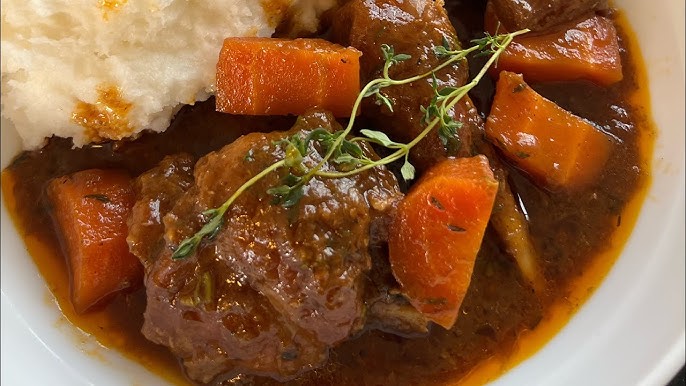
Rabbit Stew Recipe: There’s nothing like a hearty rabbit stew to warm you up from the inside out. Whether you’re a seasoned cook or just exploring new recipes, rabbit stew offers a cozy, rich, and deeply flavorful experience that’s as comforting as it is classic.
Health Benefits of Eating Rabbit Meat
Rabbit meat isn’t just delicious—it’s also incredibly nutritious. If you’re looking to switch things up from chicken, beef, or pork, rabbit is a smart and healthy alternative. It’s high in protein and remarkably low in fat, making it a great option for those watching their cholesterol or calorie intake. In fact, rabbit meat contains more protein per serving than most traditional meats and is also easier to digest, making it suitable for people with sensitive stomachs.
On top of that, rabbit is rich in essential nutrients like Vitamin B12, selenium, phosphorus, and niacin. These nutrients play a major role in energy production, immune system support, and cellular repair. The meat is also low in sodium, which is great for heart health. One more bonus? Rabbit meat is often considered more sustainable compared to beef or lamb, as rabbits require less land, feed, and water to raise.
Whether you’re eating it for the flavor or the health benefits, rabbit meat is worth trying—especially when cooked into a mouthwatering stew.
What Does Rabbit Meat Taste Like?
If you’ve never tried rabbit before, you’re probably wondering: what does it taste like? The short answer—it tastes like chicken, but better. Rabbit has a mild flavor that absorbs the seasonings and broth in a stew incredibly well. It’s not gamey, especially when farm-raised, and it has a delicate sweetness that sets it apart from other meats.
Texture-wise, rabbit is tender and lean. Depending on how it’s cooked, it can be fall-off-the-bone soft, especially after simmering in a flavorful broth for an hour or more. When prepared correctly, rabbit meat becomes juicy, with a rich, slightly earthy taste that pairs beautifully with herbs, root vegetables, and a splash of wine.
So, if you’re on the fence about trying rabbit, just imagine your favorite chicken stew—only deeper, more flavorful, and somehow even more comforting.
Where to Buy Quality Rabbit Meat
Finding quality rabbit meat isn’t as hard as it used to be. Here are a few reliable places where you can get fresh or frozen rabbit:
- Local Butchers – Ask your butcher if they can source rabbit. Many can get it fresh from farms or suppliers.
- Farmer’s Markets – In rural or farm-heavy areas, small vendors often sell freshly dressed rabbit.
- Online Suppliers – Websites like D’Artagnan, Marx Foods, and local meat delivery services offer farm-raised rabbit.
- Specialty Grocery Stores – Some international or gourmet stores stock rabbit in the freezer section.
Tips for Buying:
- Look for meat that is pinkish and firm, not grey or slimy.
- Whole rabbit is great, but you can also buy pre-cut pieces for easier cooking.
- Check for USDA or local health certifications to ensure quality.
List of Ingredients You’ll Need
Before diving into the cooking process, gather all your ingredients. This is a rustic stew, so it uses wholesome, earthy ingredients that are probably already in your kitchen.
Main Ingredients:
- 1 whole rabbit (about 2.5–3 lbs), cut into pieces
- 2 tablespoons olive oil or butter
- 1 onion, chopped
- 2 cloves garlic, minced
- 3 carrots, sliced
- 2 celery stalks, chopped
- 3 potatoes, cubed
- 1 cup mushrooms (optional), sliced
- 2 tablespoons tomato paste
- 1 cup red wine (optional but recommended)
- 4 cups chicken or vegetable broth
- 2 bay leaves
- 1 teaspoon thyme
- 1 teaspoon rosemary
- Salt and pepper to taste
Optional Add-ins:
- 1 tablespoon flour (for thickening)
- 1 teaspoon paprika for a smoky flavor
- Chopped parsley for garnish
You can mix and match vegetables based on what’s in season or what you like. Turnips, leeks, or parsnips also go great in this stew.
Essential Tools and Equipment
To make your rabbit stew a success, having the right kitchen tools can make all the difference. Here’s what you’ll need:
- Dutch Oven or Large Heavy Pot – For slow simmering and even heat distribution.
- Sharp Knife – For cutting the rabbit and chopping vegetables.
- Cutting Board – Preferably one for meat and another for vegetables.
- Tongs – Useful for turning meat during browning.
- Wooden Spoon or Silicone Spatula – Great for stirring without scratching your cookware.
- Ladle – To serve the stew easily.
- Strainer or Slotted Spoon (Optional) – If you want to remove solids temporarily for skimming fat or adjusting seasoning.
Having these tools ready makes the whole process smoother—and keeps you focused on flavor, not fuss.
Preparing the Rabbit Meat
Cleaning and preparing the rabbit properly is a big part of getting that perfect texture. If you’ve purchased a whole rabbit, start by rinsing it under cold water and patting it dry with paper towels. Use a sharp knife or kitchen shears to separate the rabbit into sections—typically, front legs, back legs, and the loin. You’ll want evenly sized pieces so they cook at the same rate.
Remove any visible fat or silvery sinew, as these can become chewy when cooked. If the rabbit comes with kidneys or liver, you can use those for added flavor or save them for another recipe.
For added tenderness, you can soak the rabbit in buttermilk or lightly salted water for a couple of hours before cooking. This not only draws out any gamey flavor but also helps tenderize the meat further.
Marinating the Rabbit (Optional but Recommended)
Marinating rabbit is optional, but it takes the flavor to another level. A simple overnight marinade can infuse the meat with herbs and acidity, which helps tenderize and flavor it beautifully.
Basic Marinade Recipe:
- 1 cup red wine
- 2 cloves garlic, crushed
- 1 sprig rosemary
- 1 sprig thyme
- 1 tablespoon olive oil
- Salt and pepper
Place the rabbit pieces in a zip-top bag or a glass bowl, pour the marinade over, cover, and refrigerate for at least 4 hours or overnight. When ready to cook, remove from the marinade and pat dry before browning. Don’t toss the marinade—you can use it in the stew after boiling for safety.
Step-by-Step Guide to Making Rabbit Stew
Now that your ingredients are prepped and your rabbit is ready, it’s time to dive into the actual cooking process. This part is where all the magic happens—flavors meld, textures soften, and that rich, savory aroma fills your kitchen.
Here’s the complete, step-by-step guide to making a mouthwatering rabbit stew:
Step 1: Browning the Meat
Season rabbit pieces with salt and pepper. Heat oil in a heavy pot over medium-high heat and brown the rabbit on all sides until golden. Remove and set aside. Browning adds depth and richness to the stew.
Step 2: Sautéing Vegetables
In the same pot, add chopped onions, carrots, celery, and garlic. Sauté until softened and lightly golden, scraping up browned bits from the bottom.
Step 3: Deglazing and Simmering
Deglaze the pot with wine or broth, stirring to release flavor. Return the rabbit to the pot, add herbs (thyme, bay leaf), and enough stock to partially cover. Simmer gently for 60–90 minutes until the meat is tender.
Step 4: Final Touches
Taste and adjust seasoning. Remove herbs and finish with fresh parsley or a splash of vinegar for brightness. Serve hot with potatoes, bread, or polenta.
Rabbit Stew Variations
Want to experiment with flavors? Here are a few popular rabbit stew variations from around the world:
Rustic French Rabbit Stew (Lapin à la Moutarde)
- Use Dijon mustard, white wine, and cream.
- Add a splash of heavy cream at the end for a silky texture.
- Swap tomato paste for grainy mustard for tangy, deep flavor.
Mediterranean Rabbit Stew
- Include olives, sun-dried tomatoes, oregano, and a hint of lemon zest.
- Use olive oil and finish with crumbled feta.
Southern Rabbit Stew
- Add okras, bell peppers, and a touch of cayenne or hot sauce.
- Serve over rice or cornbread for that Southern comfort style.
How to Thicken Your Rabbit Stew
Nobody likes a watery stew, right? Here are several ways to get that rich, velvety consistency:
- Flour or Cornstarch Slurry: Mix 1 tbsp of flour or cornstarch with 2 tbsp cold water. Stir into the stew and simmer.
- Pureed Vegetables: Scoop out some of the cooked potatoes or carrots, mash them, and stir them back in.
- Reduction Method: Simply remove the lid and let the stew simmer uncovered until some of the liquid evaporates.
- Cream Finish: For a silky texture, add ¼ cup of heavy cream at the end.
Each method adds a different texture—choose what fits your taste best.
What to Serve with Rabbit Stew
The great thing about rabbit stew is how well it pairs with classic sides. Here are some perfect companions:
Starches:
- Mashed potatoes – Creamy and great for soaking up that gravy.
- Crusty bread – A warm, rustic loaf is perfect for dipping.
- Rice or egg noodles – Light and easy, ideal for bigger crowds.
- Polenta – Smooth, buttery, and Italian-inspired.
Drinks:
- Red wine – Merlot, Pinot Noir, or Syrah complement rabbit stew beautifully.
- Hard cider – Especially good with a slightly sweet stew variation.
- Sparkling water with lemon – Keeps the meal refreshing.
Make your meal extra cozy by serving it in deep bowls and pairing it with a chilled glass of your favorite wine or cider.
Storage and Reheating Tips
Stew always tastes better the next day, and rabbit stew is no exception.
Storage:
- Cool the stew completely before storing.
- Place in an airtight container and refrigerate for up to 4 days.
- For longer storage, freeze in portions for up to 3 months.
Reheating:
- Reheat gently on the stovetop over medium-low heat.
- Add a splash of broth or water if it has thickened too much in the fridge.
- Avoid microwaving in plastic containers—always transfer to a microwave-safe bowl.
Note: The texture of vegetables may soften more after freezing, but the flavor deepens!
Common Mistakes to Avoid
Even with a great recipe, a few simple missteps can take your stew from amazing to average. Here’s what to watch for:
- Overcooking the Rabbit: Unlike beef, rabbit is lean and can dry out quickly. Keep the heat low and steady.
- Skipping the Browning Step: That golden crust from browning adds tons of flavor to the stew base.
- Too Much Liquid: It’s easier to add liquid than take it out. Start with enough to cover the meat, and add more only if needed.
- Under-seasoning: Rabbit has a mild flavor—season boldly, especially with herbs and aromatics.
- Using Gamey Wild Rabbit Without Soaking: Wild rabbit can have a strong flavor. Soak it in salt water or buttermilk first to mellow it out.
Final Tips for the Perfect Rabbit Stew
Want to make this your signature dish? Here are some extra tips:
- Use Fresh Herbs: Fresh rosemary or thyme brings a whole new dimension to your stew.
- Add Acid at the End: A splash of vinegar or lemon juice at the end brightens the flavors.
- Let It Rest: Like a good roast, let your stew sit for 10 minutes before serving. This lets flavors settle and deepen.
- Cook Low and Slow: Always simmer gently. A rushed stew is never a good stew.
Rabbit stew may not be your everyday meal—but once you taste it, it just might become your favorite comfort food.
FAQs about Rabbit Stew Recipe
1. Can I substitute rabbit with chicken in this recipe?
Yes, you can easily use chicken thighs or legs as a substitute. Just reduce the cooking time by about 20–30 minutes.
2. What wine pairs best with rabbit stew?
Dry red wines like Pinot Noir, Merlot, or a full-bodied rosé pair beautifully with rabbit stew.
3. Can I cook rabbit stew in a slow cooker?
Absolutely. Brown the meat and veggies first, then transfer everything to the slow cooker and cook on low for 6–8 hours.
4. How long does rabbit stew last in the fridge?
Rabbit stew will stay fresh in an airtight container in the fridge for up to 4 days.
5. Is rabbit meat sustainable?
Yes. Rabbit is one of the most sustainable meats available. It requires less feed, land, and water compared to cattle or pork.
Conclusion
Rabbit stew is more than just a meal—it’s a tradition, a comfort, and a culinary experience that brings warmth to your kitchen and soul. With tender meat, hearty vegetables, and a rich, savory broth, it’s the perfect dish for cozy family dinners, rustic celebrations, or whenever you crave something truly special.
Don’t be afraid to tweak the recipe and make it your own. Whether you go classic, French, or Southern-style, this guide gives you all the tools you need to master the art of rabbit stew.