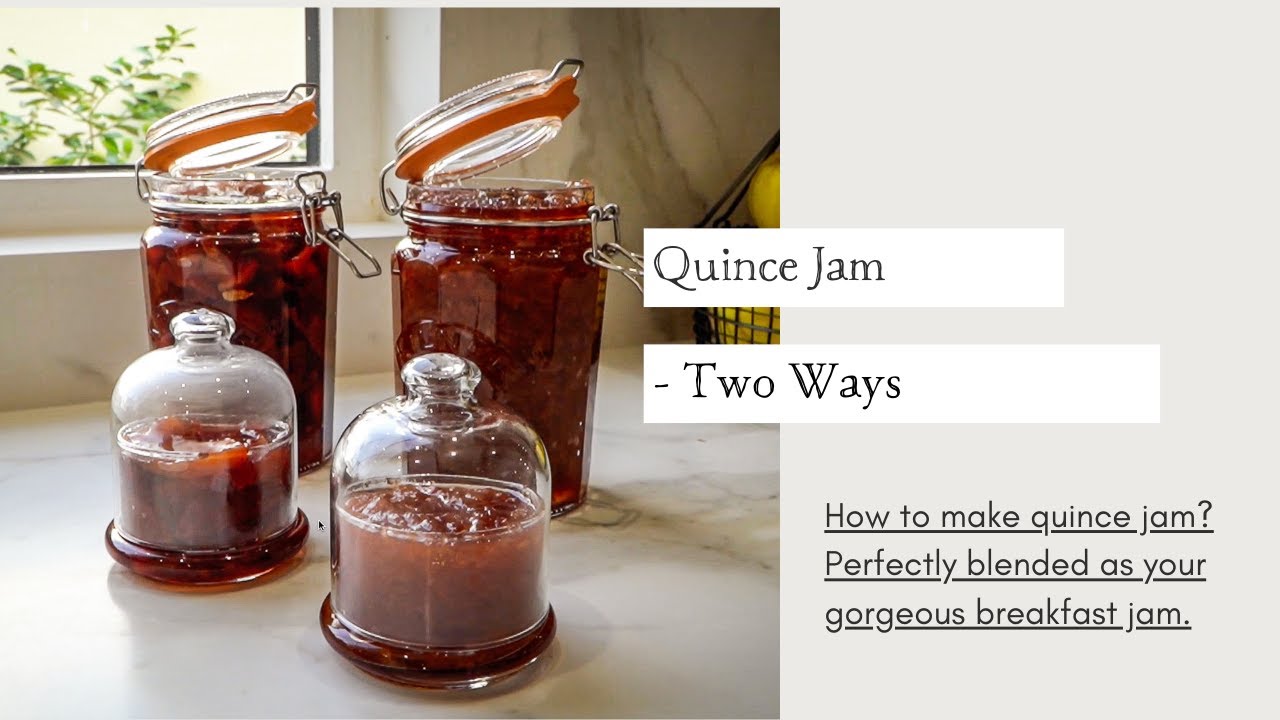
Quince Jam Recipe: Have you ever tried quince jam? If you haven’t, you’re in for a seriously underrated treat. Quince, a fruit that looks like a mix between an apple and a pear, transforms into a beautiful amber jam that’s both sweet and slightly tart. It’s like autumn in a jar—warm, fragrant, and utterly comforting. Making quince jam is one of those age-old traditions that connects us to generations past. Whether you’re a seasoned home cook or a total beginner in the kitchen, this recipe will guide you every step of the way.
Homemade jams often carry flavors and textures that you simply can’t get from store-bought ones. Quince jam, in particular, is a showstopper—it thickens naturally without added pectin, smells divine while cooking, and pairs perfectly with bread, cheese, or even roasted meats. So, why settle for generic spreads when you can whip up a batch of this golden goodness right in your own kitchen?
What is Quince?
The Origin and History of Quince
Quince (pronounced kwins) is an ancient fruit that dates back thousands of years. Originally cultivated in the Mediterranean and parts of Asia, quince has a long and fascinating history. It was even mentioned in Greek mythology and was believed to be the “golden apple” of love. In fact, some historians believe the quince, not the apple, tempted Eve in the Garden of Eden.
Taste and Texture: What to Expect
When raw, quince is hard, pale, and not particularly palatable. It’s tart, astringent, and very firm—definitely not the kind of fruit you’d bite into like an apple. But once you cook it, something magical happens. The flesh turns a rosy, golden color and the flavor mellows into something delightfully floral and sweet, with a subtle spice-like aroma. It’s this transformation that makes quince perfect for jam.
Health Benefits of Quince
Nutritional Profile
Quince isn’t just a pretty face in the fruit world—it’s packed with good stuff. It’s low in calories, high in dietary fiber, and contains decent amounts of vitamin C, potassium, and iron. All of which contribute to better immune health and energy levels.
Antioxidants and Digestive Benefits
One of the biggest perks of quince is its high antioxidant content. These compounds fight off free radicals, reducing inflammation and potentially lowering the risk of chronic diseases. On top of that, quince is rich in fiber, which is great for digestion. Its natural pectin can also soothe the stomach lining—making this fruit not just delicious, but functional too.
Why Make Homemade Quince Jam?
Freshness and Flavor
Let’s be real—homemade always wins when it comes to taste. Store-bought jams often have added preservatives, artificial flavors, and way too much sugar. When you make quince jam at home, you control everything: the ingredients, the sweetness level, and the flavor profile.
No Preservatives or Additives
You don’t need any fancy additives to make quince jam set. The fruit contains enough pectin to create a perfect jammy consistency. Plus, it’s a great way to use up a seasonal harvest, avoid waste, and gift something handmade and meaningful.
List of Ingredients You’ll Need
Simple, Pantry-Friendly Ingredients
Here’s what you’ll need to get started:
- 4 to 5 medium quinces (about 2 lbs)
- 3 cups of granulated sugar
- 4 cups of water
- 1 to 2 tablespoons of lemon juice (freshly squeezed)
Optional Flavor Boosters
- 1 cinnamon stick
- 2-3 cloves
- 1 vanilla bean or 1 tsp vanilla extract
These add a warm, spiced depth that complements the quince’s natural flavor beautifully.
Essential Kitchen Tools
What You Need to Make Perfect Jam
- A large, heavy-bottomed saucepan
- A sharp knife and peeler
- A cutting board
- A wooden spoon for stirring
- Clean, sterilized jars with lids
- A canning funnel (optional but helpful)
- A potato masher (for a chunkier texture)
Alternatives if You Don’t Have Jam-Making Gear
No need to panic if you don’t have special canning tools. Just make sure your jars are thoroughly cleaned and boiled before use to ensure they’re safe for storing.
How to Prepare Quince for Jam
Washing and Peeling
Quince has a fuzzy outer layer that you need to wash off before peeling. Scrub them well under running water and then peel the skin off using a vegetable peeler.
Removing the Core and Slicing
Next, cut the quince into quarters and remove the tough core. The fruit is firm, so take your time and be careful with the knife. Slice the quarters into thin pieces or small chunks depending on your preferred texture.
Step-by-Step Quince Jam Recipe
This section will walk you through the full process of making quince jam from start to finish. Trust me, it’s easier than it sounds—and way more rewarding than buying a jar at the store.
Step 1: Peel and Cut the Quince
Peel quince with a sturdy knife or peeler—they’re very firm. Cut into quarters, remove the core, then dice into 1–2 cm pieces. Smaller pieces cook faster and more evenly.
Step 2: Cook the Quince Until Soft
Place quince pieces in a heavy-bottomed pot and cover with water. Simmer over medium heat for 30–40 minutes, stirring occasionally, until very soft and pinkish. Drain, reserving a little cooking liquid.
Step 3: Add Sugar and Lemon Juice
Return quince to the pot. Add sugar equal to about ¾–1 cup sugar per cup of cooked quince. Stir in fresh lemon juice—this balances sweetness, helps the jam set, and preserves color.
Step 4: Simmer Until Jam Sets
Cook over medium-low heat for 20–30 minutes, stirring frequently to prevent sticking. The jam will thicken and deepen in color.
Test for doneness: Spoon a little onto a cold plate. If it wrinkles when pushed, it’s ready. Cool slightly before jarring.
Optional Additions to Customize Your Jam
Cinnamon, Clove, or Vanilla
Want to spice things up a little? Quince jam pairs beautifully with warm spices. A single cinnamon stick, a couple of cloves, or half a vanilla bean can elevate the flavor profile and give your jam a gourmet twist. Be sure to remove whole spices before jarring the jam.
Combining Quince with Other Fruits
Feeling creative? You can blend quince with apples, pears, or even cranberries for a unique twist. Just adjust your sugar and cooking time to suit the blend. Apples and pears work especially well since they share a similar texture and flavor depth with quince.
How to Store Your Quince Jam
Sterilizing Jars Properly
Before transferring your jam, make sure your jars are completely clean and sterilized. Here’s a quick method:
- Wash jars and lids in hot soapy water.
- Place them in a large pot of boiling water for 10 minutes.
- Remove carefully and let them air dry without touching the insides.
Storage Tips for Longevity
Once your jam is ready and still hot, ladle it into jars using a funnel (if you have one). Leave about ¼ inch of space at the top, seal tightly, and flip the jars upside down for 5 minutes. Then flip them back and let them cool completely. This helps with sealing if you’re not doing a full water-bath canning process.
Store your jam in a cool, dark place, and it’ll last unopened for up to 12 months. Once opened, keep it in the fridge and use within 2–3 weeks.
Creative Ways to Use Quince Jam
Pairing with Cheese and Bread
If you think quince jam is only for toast, think again. It’s a perfect pairing for cheese boards, especially with sharp cheeses like Manchego, aged cheddar, or blue cheese. Spread it on crusty sourdough, or serve it with warm brie and crackers.
Using It in Baking and Glazes
Quince jam also works wonders in desserts:
- Swirl it into cheesecakes or yogurt
- Use it as a filling in thumbprint cookies or tarts
- Glaze roasted meats like pork or chicken for a sweet-savory combo
Basically, it’s a pantry staple that adds gourmet flair to both sweet and savory dishes.
FAQs about Quince Jam Recipe
1. Can I freeze quince jam?
Yes! Once your jam is cooled, pour it into freezer-safe containers, leaving space for expansion. It can last up to 6 months in the freezer.
2. How long does quince jam last unopened?
If stored in sterilized, sealed jars in a cool, dark place, quince jam can last up to 12 months unopened.
3. Can I make this jam without sugar?
Sugar not only sweetens the jam but also acts as a preservative. You can reduce the sugar, but for sugar-free versions, you’ll need alternative thickeners and should store the jam in the fridge.
4. Do I need to add pectin?
Nope! Quince is naturally high in pectin, which means your jam will set beautifully without needing any added pectin.
5. What can I use instead of lemon juice?
If you don’t have lemon juice, you can use a bit of citric acid or even a splash of apple cider vinegar to provide the necessary acidity for setting and flavor balance.
Conclusion
Making quince jam from scratch is more than just a recipe—it’s an experience. From the moment you slice that oddly tough fruit to the final dollop of golden jam on warm toast, you’re part of a time-honored tradition. It’s simple, satisfying, and endlessly customizable. And the best part? You don’t need fancy tools or ingredients—just a few quinces, some sugar, lemon juice, and a bit of time.
Whether you’re preserving a seasonal harvest, giving a heartfelt homemade gift, or just want something unique to brighten your breakfast, quince jam has you covered. So go ahead, give it a try—and savor every spoonful.