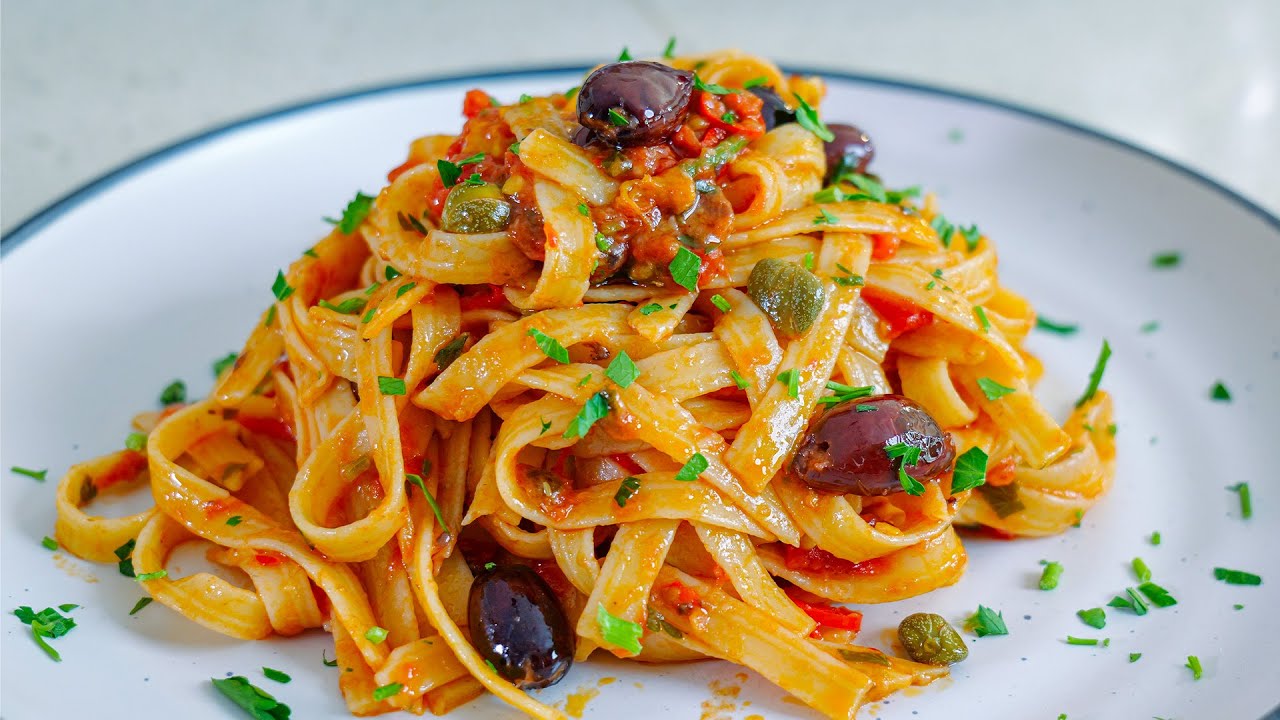
Puttanesca Sauce Recipe: You know those pasta dishes that taste like they took hours to make—but really only needed 20 minutes and a handful of pantry staples? That’s exactly what makes Puttanesca sauce a winner.
Packed with bold, punchy flavors like garlic, anchovies, olives, and capers, this sauce brings Italy straight to your plate with minimal effort. Whether you’re cooking for one, meal prepping for the week, or impressing guests, this dish delivers flavor without the fuss.
What Is Puttanesca Sauce?
Puttanesca is a traditional Italian pasta sauce that originated in Naples. The name itself has a colorful and slightly controversial history (yes, it’s a little cheeky), but one thing’s for sure—it’s rich, vibrant, and full of character. It’s a tomato-based sauce infused with the umami depth of anchovies, the briny kick of olives and capers, and a touch of heat from red pepper flakes.
The beauty of this sauce lies in its simplicity and speed. It was meant to be a dish that could be thrown together quickly, using ingredients most people had in their pantry. That tradition still lives on today.
Why You’ll Love This Recipe
Let’s be real—when you’re hungry and short on time, you need a sauce that delivers. Here’s why you’ll become obsessed with this Puttanesca:
- Big, bold flavors – Every bite is bursting with garlic, olive, tomato, and a slight anchovy saltiness that melds beautifully.
- Quick to prepare – Ready in just 20-30 minutes.
- Perfect pantry meal – Most ingredients are shelf-stable.
- Super versatile – Goes with spaghetti, linguine, gnocchi, even roasted veggies.
This is one of those rare dishes that tastes like a restaurant-style meal but takes almost no effort. It’s perfect for lazy weeknights, romantic dinners, or impressing your foodie friends.
List of Ingredients You’ll Need
Here’s what you’ll need to whip up an authentic Puttanesca sauce:
Main Ingredients:
- 2 tablespoons olive oil – Extra virgin, always.
- 4 cloves garlic, finely chopped
- 4–6 anchovy fillets, chopped (don’t skip—this is the umami magic!)
- 1/2 teaspoon red pepper flakes (optional for heat)
- 1/2 cup black olives, pitted and chopped (Kalamata or Gaeta)
- 2 tablespoons capers, rinsed and drained
- 1 can (28 oz) crushed tomatoes – San Marzano if possible
- Salt and pepper, to taste
- Fresh parsley for garnish (optional)
Optional Add-Ins:
- Chopped onions
- White wine
- A pinch of sugar (if tomatoes are too acidic)
- Lemon zest for brightness
These ingredients work together to create a sauce that’s tangy, salty, savory, and just a bit spicy—like a flavor bomb in every spoonful.
Kitchen Tools & Equipment
To make the perfect Puttanesca, keep these tools nearby:
- Large skillet or sauté pan
- Wooden spoon or spatula
- Garlic press (optional but handy)
- Chef’s knife
- Cutting board
- Measuring cups/spoons
Simple tools, big flavors. No special gadgets required!
How to Choose the Best Ingredients
This sauce is only as good as the ingredients you put in—so go for quality when you can.
- Tomatoes – Go for canned crushed tomatoes or whole peeled San Marzano tomatoes and crush them yourself.
- Anchovies – Look for anchovies packed in olive oil, preferably from Italy or Spain.
- Olives – Kalamata or Italian Gaeta olives offer the best depth of flavor. Avoid canned black olives—they’re too bland.
- Capers – Nonpareil capers have the best texture and size.
The better your ingredients, the less you’ll need to tweak the sauce later.
Prepping Before Cooking
A little prep makes things flow smoothly:
- Mince your garlic finely so it infuses the oil quickly.
- Chop the anchovies into a paste—they’ll dissolve as they cook.
- Pit and roughly chop the olives.
- Rinse capers under water to reduce brininess.
- Have your crushed tomatoes measured and ready.
Mise en place, baby! It keeps the chaos out of cooking.
Step-by-Step Guide to Making Puttanesca Sauce
Let’s break this down into simple steps so you can crush it on your first try:
Step 1: Heat the Olive Oil
Pour 2 tablespoons of olive oil into your skillet and warm it over medium heat. Don’t let it smoke—just warm enough to start sizzling when garlic hits the pan.
Step 2: Sauté Garlic and Anchovies
Add the minced garlic and chopped anchovies. Stir gently. The anchovies will begin to melt into the oil—that’s exactly what you want. This step creates the base umami flavor of the whole sauce.
- Cook for 2–3 minutes until fragrant.
- Add a pinch of red pepper flakes here if you like heat.
Step 3: Add Olives and Capers
Toss in the olives and capers. Stir well and let them cook for about 2 minutes, so they soak up the garlicky, anchovy-infused oil.
This step adds saltiness and briny intensity, which balances the sweetness of the tomatoes.
Step 4: Add the Crushed Tomatoes
Pour in your crushed tomatoes (or crushed whole peeled tomatoes). Stir everything to combine.
Let it come to a gentle simmer, then reduce the heat to low-medium.
Step 5: Let It Simmer
Simmer for 15–20 minutes, stirring occasionally. The sauce will thicken and the flavors will marry beautifully.
Taste and adjust:
- Add salt if needed (go easy—anchovies and capers already bring salt).
- Add a pinch of sugar if your tomatoes are acidic.
Step 6: Final Touches
Once thickened to your liking:
- Taste again for seasoning.
- Add chopped fresh parsley or a sprinkle of lemon zest if desired.
Serve hot over your favorite pasta—or store for later!
Pro Tips for the Perfect Puttanesca
Getting your Puttanesca sauce just right isn’t about fancy techniques—it’s about understanding how the flavors work together. Here are some professional tips that can take your sauce from good to unforgettable:
- Balance is everything. Anchovies, capers, and olives are naturally salty. That means you need to be extra cautious with additional salt. Always taste before seasoning!
- Don’t burn the garlic. Once it turns brown, it becomes bitter. Keep your heat at medium and stir constantly during the garlic phase.
- Use whole tomatoes if you want a chunky texture. Just crush them with your hands or use a spoon to break them down while cooking.
- Simmer low and slow. Even though Puttanesca is a quick sauce, letting it simmer gently for 15–20 minutes will help deepen the flavor.
- Let it sit. Like chili or stew, this sauce actually tastes better after a few hours (or the next day). The flavors intensify as they meld together.
Want a thicker sauce? Let it simmer uncovered. Need it thinner? Add a splash of the pasta water when mixing with your noodles.
Serving Suggestions
Pasta is the classic partner for Puttanesca, but don’t stop there! This sauce is more versatile than it gets credit for.
Best Pasta Pairings:
- Spaghetti – The gold standard.
- Linguine – Slightly flatter but works beautifully.
- Bucatini – Hollow pasta that traps sauce like a pro.
- Penne or Rigatoni – Great for scooping up chunky bits.
Toss cooked pasta directly into the sauce and stir vigorously for the best coating. Add a splash of reserved pasta water to help it cling better.
Other Creative Uses:
- Over grilled or baked fish like cod or tilapia
- As a topping for roasted eggplant or zucchini
- Served with crusty bread as a dip or starter
- As a pizza base for something bold and savory
The strong, savory notes of Puttanesca can elevate almost any dish—just don’t pair it with subtle flavors that will get overwhelmed.
How to Make It Vegan
Traditional Puttanesca relies on anchovies for that punchy umami flavor, but there are clever workarounds to make it completely plant-based without losing its character.
Vegan Substitutes for Anchovies:
- Miso paste – 1/2 teaspoon can mimic the savory depth.
- Olive tapenade – Already rich in umami, use a tablespoon or two.
- Dulse or nori flakes – Seaweed brings a briny, oceanic vibe.
Just sauté these substitutes with the garlic to blend the flavors into the oil. You’ll be shocked at how close it gets to the real deal.
Remember, Puttanesca is all about bold flavors, and a vegan version can be just as exciting with the right tweaks.
How to Store and Reheat
Got leftovers? Lucky you. Puttanesca stores beautifully and reheats like a dream.
In the Fridge:
- Store in an airtight container for up to 5 days.
- Flavor actually improves after a day or two.
In the Freezer:
- Let the sauce cool completely.
- Store in freezer-safe bags or containers.
- Keeps well for up to 3 months.
- Thaw overnight in the fridge before reheating.
Reheating Tips:
- Warm gently in a skillet over low heat, stirring often.
- Add a splash of water or broth if it’s too thick.
- Avoid microwaving unless you’re in a rush—it can unevenly heat and ruin the texture.
Pro tip: Make a big batch and freeze in portions for easy weeknight dinners!
Variations You Can Try
Once you’ve nailed the classic, it’s time to get creative! Here are a few fun spins on the traditional Puttanesca sauce:
Spicy Puttanesca:
- Add extra red pepper flakes or even a fresh chili.
- Stir in a spoon of Calabrian chili paste for a real kick.
Chunky Veggie Puttanesca:
- Add chopped bell peppers, zucchini, or mushrooms during the simmering phase.
- A great way to use up fridge veggies and add texture.
White Puttanesca (No Tomato):
- Replace tomatoes with a splash of white wine, lemon juice, and olive oil.
- Lighter and brighter, perfect for seafood.
With Tuna:
- Stir in a can of good-quality tuna at the end.
- Adds richness and makes it a full meal.
There’s no one “right” way to make Puttanesca—just start with the base and build your own signature style from there.
Common Mistakes to Avoid
Even a simple sauce like this can go wrong if you’re not careful. Here’s how to steer clear of the most common missteps:
- Over-salting – With anchovies, olives, and capers, it’s easy to go overboard. Always taste before adding extra salt.
- Burning garlic – It happens fast! Cook on medium heat and watch it closely.
- Using bland canned tomatoes – Low-quality tomatoes can make your sauce taste tinny or flat. Look for San Marzano or organic brands.
- Forgetting to simmer – Even though it’s quick, let it simmer for at least 15 minutes to develop the flavors.
- Skipping the anchovies – If you eat fish, don’t skip them. They completely dissolve and don’t taste “fishy”—just deeply savory.
Avoid these, and you’re golden.
Nutritional Information (Approximate per serving)
| Nutrient | Amount per Serving |
|---|---|
| Calories | 180 |
| Total Fat | 12g |
| Saturated Fat | 2g |
| Sodium | 720mg |
| Total Carbohydrates | 15g |
| Dietary Fiber | 3g |
| Sugars | 5g |
| Protein | 3g |
Note: Values are for sauce only, not including pasta or protein add-ins.
FAQs about Puttanesca Sauce Recipe
1. Can I freeze Puttanesca sauce?
Absolutely! Freeze it in airtight containers for up to 3 months. Thaw overnight in the fridge and reheat gently.
2. What if I don’t have anchovies?
You can still make it! Try substituting with miso paste or olive tapenade to add depth and umami.
3. Can I make it ahead of time?
Yes, and it actually tastes better the next day. Store in the fridge and reheat when ready.
4. Is Puttanesca gluten-free?
The sauce itself is naturally gluten-free. Just serve it with gluten-free pasta or other GF-friendly options.
5. How spicy is traditional Puttanesca?
It has a subtle kick from red pepper flakes. You can adjust the spice level up or down depending on your taste.
Conclusion
Puttanesca sauce is the ultimate “lazy but legendary” meal. It’s bold, briny, comforting, and so fast you’ll wonder why you haven’t been making it weekly. With just a few pantry staples and some basic cooking skills, you can create a rich and flavorful Italian dish that tastes like it came straight from a trattoria in Naples.
So next time you’re staring into your pantry wondering what to cook, just remember: if you’ve got garlic, tomatoes, olives, and capers—you’ve got dinner.