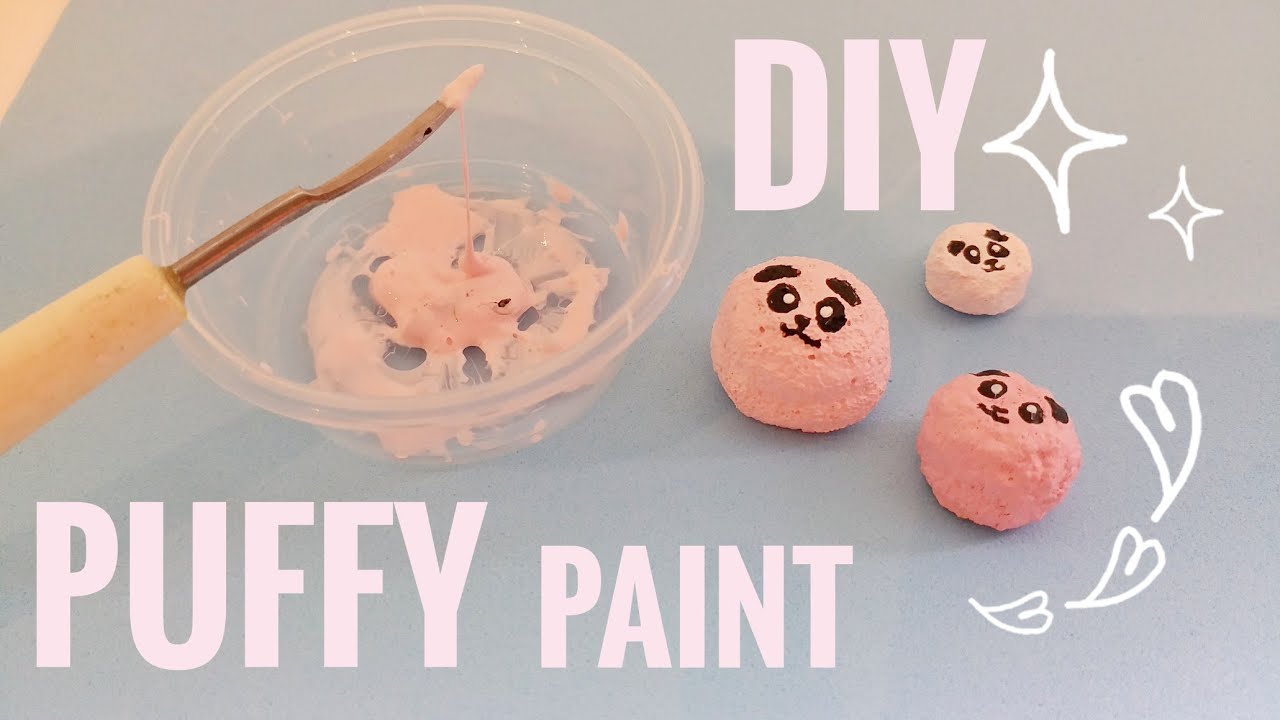
Puffy Paint Recipe: Ever seen those bright, bumpy, 3D artworks made with paint that almost jumps off the page? That’s puffy paint—a super fun, textured medium used by kids and crafters alike. Unlike regular paint, puffy paint has a thick, foamy feel that expands and puffs up when it dries, creating a vibrant, tactile experience.
Why make your own? Store-bought puffy paints can be expensive or come in limited colors. Making it at home is not only cheaper, but it also opens the door to unlimited creativity. Plus, it’s a great science-meets-art activity for a rainy afternoon. Let’s dive in and get you started on this squishy, colorful journey!
Benefits of Making Your Own Puffy Paint
Creating puffy paint at home isn’t just fun—it has a bunch of practical benefits too:
- Cost-Effective: Most of the ingredients are already in your kitchen—no fancy craft store runs needed.
- Safe & Non-Toxic: Perfect for kids, especially when you use edible ingredients like flour and shaving cream.
- Customizable: Want neon pink or sparkly green? You’ve got full control over colors and textures.
- Creative Learning: Mixing, measuring, and creating art helps boost fine motor skills and creative expression.
- Mess-Friendly Fun: It’s meant to be messy. So roll up your sleeves and let kids go wild!
List of Ingredients You’ll Need
To make classic DIY puffy paint, you only need a few simple items:
- 1 cup shaving cream (non-gel type, plain white)
- 1/2 cup white glue (like Elmer’s)
- 1/4 cup flour (all-purpose works best)
- Food coloring or washable paint (optional, for color)
- Glitter or confetti (optional, for sparkle)
- Scented oils (optional, for aroma)
Most of these can be swapped or customized. Want a more eco-friendly version? Swap glue with flour paste. Want an edible puffy paint? Use whipped cream and cornstarch instead of glue and shaving cream!
Essential Tools & Materials
Before you dive in, make sure you’ve got the right tools. Here’s what you’ll need:
- Mixing bowls (one for each color)
- Measuring cups and spoons
- Spoons or spatulas for stirring
- Small containers or squeeze bottles
- Paintbrushes or cotton swabs
- Thick paper or cardboard (as your canvas)
Having everything ready ahead of time makes the process smoother, especially when crafting with little ones who can’t wait to see the magic happen!
Understanding the Science Behind Puffy Paint
Ever wonder why puffy paint… well, puffs? It’s all about air and moisture. When you mix shaving cream (which is full of air) with glue and flour, you create a thick foam that holds its shape. As it dries—either in the air or microwave—the moisture evaporates, leaving behind a raised, puffy texture.
Heating (especially in the microwave) speeds up the drying process and causes a small chemical reaction in the glue and flour, enhancing the “puff” factor. It’s like watching your art come alive—almost like baking a cake, but with colors!
Step-by-Step Guide to Making Puffy Paint
Ready to make some magic? Here’s a super easy step-by-step guide:
Step 1: Gather Your Ingredients
Measure out:
- 1 cup shaving cream
- 1/2 cup white glue
- 1/4 cup flour
Have your coloring and extras ready too.
Step 2: Mix the Base
In a bowl, combine the shaving cream, glue, and flour. Mix gently to avoid deflating the foam. You want a light, fluffy texture.
Step 3: Add Color
Split the mixture into different bowls if you want multiple colors. Add a few drops of food coloring or washable paint to each, then stir.
Step 4: Adjust the Texture
If it’s too thick, add a teaspoon of water. Too runny? Add a pinch more flour. Aim for a consistency like whipped cream or frosting.
Step 5: Pour Into Containers
Use spoons, zip bags (with snipped corners), or squeeze bottles for easy painting. And you’re done!
Best Coloring Options for Puffy Paint
Color is where the fun really kicks in. Whether you’re making rainbow clouds or galaxy scenes, the right coloring can take your puffy paint from cool to absolutely epic. Here are the best options to make your puffy paint pop:
- Food Coloring: A few drops go a long way. It blends well and is safe for young kids.
- Washable Kids’ Paint: These give you vibrant, intense colors and are easier to wash out of clothes or furniture.
- Natural Dyes: Want an all-natural recipe? Beet juice, turmeric, spinach water, or blueberry juice work too, though the shades are softer.
- Acrylic Paint: Only for older kids or adults. These make stronger colors but can stiffen the mixture slightly.
Pro Tip: Always start with a small amount of color, mix, and then add more if needed. It’s easier to darken a color than lighten it!
Tips for Mixing Puffy Paint Perfectly
Perfecting your mix is key to getting that dreamy, cloud-like texture. Here are some must-know tips:
- Use Fresh Shaving Cream: Old shaving cream tends to be watery and loses its fluffiness.
- Stir, Don’t Whip: Gently fold the ingredients together to preserve air in the mix. Overmixing makes it flat.
- Add Color Before Fine-Tuning Consistency: Some colorants change the texture—adjust only after coloring.
- Store Airtight: If you’re prepping ahead of time, store your puffy paint in airtight containers to prevent drying.
Quick Ratios Recap:
- 2 parts shaving cream
- 1 part glue
- ½ part flour
This mix gives you a puffy paint that’s thick, smooth, and easy to apply.
Different Ways to Apply Puffy Paint
How you apply puffy paint can totally change the look of your artwork. Experiment with these fun methods:
- Paintbrushes: Great for younger kids or free-form art. Ideal for making thick lines or abstract shapes.
- Squeeze Bottles: Want to draw fine lines, write letters, or make raised doodles? This is the best way!
- Cotton Swabs/Q-tips: Perfect for dot art, tiny details, or small hands.
- Ziplock Bags: Cut a corner and squeeze like a mini piping bag—great for precision or even multi-colored paint in one go.
Each method brings its own vibe. Mix and match for added texture!
Creative Project Ideas Using Puffy Paint
Wondering what to do with your puffy paint once it’s ready? Here are some awesome ideas to unleash your imagination:
- 3D Greeting Cards: Birthdays, holidays, thank yous—puffy paint adds that wow factor.
- Holiday Crafts: Puffy snowmen, spooky ghosts, Valentine hearts—the texture makes it pop!
- T-Shirt Art: Yes, you can use puffy paint on fabric! Just let it fully dry and iron from the back to set.
- Canvas Wall Art: Make statement pieces with layered, colorful textures.
- DIY Puffy Stickers: Paint on wax paper, let it dry, peel off, and stick!
Let your creativity run wild. The best part? There’s no wrong way to do it.
Microwave vs. Air Drying: Which Is Better?
Both methods work—but each has its pros and cons.
Microwave Drying
- Pros: Fast (10-30 seconds), immediate puff effect, fun to watch.
- Cons: Only works on microwave-safe paper (like thick cardstock); uneven results if overcooked.
Air Drying
- Pros: No special equipment needed, safe and easy.
- Cons: Takes 6–12 hours (or longer in humid environments).
Verdict? Microwave is great for instant gratification, especially with kids. Air drying is better for large projects or delicate work.
How Long Does Puffy Paint Last?
Fresh puffy paint doesn’t keep forever, but with proper storage, it can last up to a week. Here’s how to store it:
- Use Airtight Containers: Small plastic jars or sealed squeeze bottles work best.
- Refrigerate if Needed: Especially if you’re using dairy or natural ingredients.
- Mix Before Use: Some separation is normal—just stir it up again before painting.
Once dried on paper, puffy paint art can last indefinitely. Just avoid crushing it or getting it wet.
Is Puffy Paint Safe for Kids and Toddlers?
Absolutely—when made with safe ingredients. Here’s what to know:
- Non-Toxic Ingredients: Shaving cream, glue, flour, and food coloring are generally safe.
- Supervised Use: Toddlers should be watched to make sure they don’t eat it (especially if using non-edible ingredients).
- Edible Alternatives: For babies or toddlers who might taste, try a version using whipped cream and cornstarch with natural food coloring.
Bottom line? With a bit of care, this is a fantastic sensory and creative activity for all ages.
Troubleshooting Common Issues
Sometimes, things don’t go as planned. Here’s how to fix the most common problems:
Paint is Too Runny
- Solution: Add more flour or shaving cream. Stir gently.
Paint is Too Thick
- Solution: Mix in a little water or more glue.
Paint Doesn’t Puff
- Did you microwave it? If air-drying, give it more time.
- Check your glue—cheap brands don’t always work well.
Color Fades or Dulls
- Use better quality food coloring or washable paints.
- Don’t over-mix after adding color.
Troubleshooting is part of the process. Once you nail your recipe, you’ll be painting like a pro!
FAQs about Puffy Paint Recipe
Can I use puffy paint on fabric?
Yes! Puffy paint can be used on cotton t-shirts, bags, and more. Just make sure to let it dry completely and set it with an iron from the backside (using a cloth in between).
2. Can I store leftover puffy paint?
Definitely. Store in airtight containers and use within a week. Stir before reuse.
3. What’s the best surface to use?
Thick paper like cardstock, cardboard, canvas, or fabric. Thin paper might wrinkle or collapse.
4. Is puffy paint washable?
Mostly yes—especially when made with washable glue and colors. Always test on fabrics first.
5. Can I add glitter or scent?
Go wild! Glitter adds sparkle, and scented oils (like lavender or peppermint) make it smell amazing. Just a few drops will do.
Conclusion
DIY puffy paint is more than just a craft—it’s a way to spark creativity, explore textures, and enjoy a hands-on, screen-free activity. With just a few household ingredients and a little imagination, you can make artwork that literally pops. Whether you’re crafting with kids, decorating a birthday card, or just looking for something fun to do on a weekend, this step-by-step guide has got you covered.
So grab that shaving cream, pick your colors, and start painting your world with 3D magic. You’re going to love the results—guaranteed.