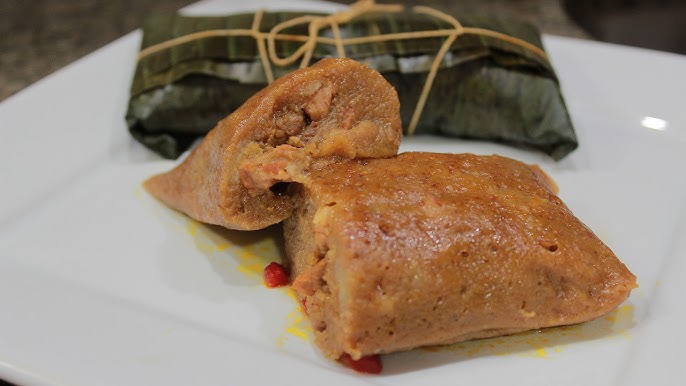
Puerto Rican Pasteles Recipe: If you’ve ever been lucky enough to experience Christmas in a Puerto Rican household, chances are you’ve been offered a pastel. But here’s the thing—it’s not the kind of pastel you’re probably imagining. Puerto Rican pasteles aren’t sweet pastries or cakes. They’re a rich, savory, flavor-packed bundle of love wrapped in banana leaves and filled with seasoned meat and root vegetable dough. Making pasteles is a tradition that runs deep in Puerto Rican culture, especially around the holidays. It’s the kind of meal that brings families together in the kitchen—grating, stirring, laughing, and storytelling for hours.
Making pasteles from scratch is no small feat. It’s a labor of love, but one that’s worth every second when you finally unwrap that banana leaf and take the first bite. This guide will walk you through each step, from grating the masa to the final boil. Whether you’re recreating abuela’s recipe or trying it for the first time, we’ve got you covered.
Ingredients You’ll Need
Main Ingredients for the Masa (Dough)
The masa is the heart of every pastel. It’s made from a combination of tropical root vegetables and green bananas, giving it a distinct texture and flavor. Here’s what you’ll need:
- Green bananas (5–6 medium)
- Yautía (malanga or taro root) – about 2 lbs
- Green plantains – 2 large
- Calabaza (Caribbean pumpkin) – 1 lb
- Achiote oil – 1/2 cup (for color and flavor)
- Salt and pepper to taste
- Sofrito – 1/2 cup (adds deep flavor)
Tips:
- Wear gloves while peeling green bananas and plantains to avoid stained hands.
- If you’re short on time, some Latin markets sell pre-made masa blends, but fresh always tastes best.
- You can also grate the ingredients ahead and store them in the fridge for up to a day.
Ingredients for the Filling (Meat Mixture)
Traditionally, pork shoulder is used, but you can also opt for chicken, turkey, or even beef. What matters most is the seasoning.
- Pork shoulder or chicken thighs – 2 lbs, diced
- Sofrito – 1/2 cup
- Tomato sauce – 1/2 cup
- Olives (with pimentos) – 1/3 cup
- Capers (optional) – 2 tablespoons
- Garlic cloves – 4, minced
- Adobo seasoning – 1 tablespoon
- Sazón with achiote – 2 packets
- Oregano – 1 teaspoon
- Bay leaves – 2
- Oil – 2 tablespoons for sautéing
Pro Tip:
Let the meat marinate overnight in the fridge with the seasonings and sofrito. It intensifies the flavor and makes the pasteles even more mouthwatering.
Ingredients for Assembling
Once the masa and filling are ready, it’s time to wrap.
- Banana leaves (or parchment paper) – cut into 10×12-inch squares
- Kitchen string – for tying
- More achiote oil – to grease the banana leaves
- Optional garnishes: chickpeas, raisins, or more olives
Step-by-Step Guide to Making Puerto Rican Pasteles
Step 1: Gather and Prep All Ingredients
Organize your workspace before starting. Peel and chop root vegetables, season and cut the meat, and wipe banana leaves clean. Briefly pass banana leaves over a flame or hot pan to soften and prevent cracking.
Step 2: Make the Masa (Grated Root Dough)
Grate green bananas, yautía, and plantains until fine. Blend with broth, oil, achiote, and seasonings until smooth. The masa should be thick but spreadable, with a light yellow color and rich aroma.
Step 3: Cook the Filling
Brown the meat in oil, then add sofrito, tomato sauce, olives, capers, and spices. Simmer until flavorful and thick—not watery—to prevent soggy pasteles.
Step 4: Prepare the Wrapping Station
Lay softened banana leaves or parchment on the table. Arrange masa, filling, oil, and string nearby to keep assembly fast and efficient.
Step 5: Assemble the Pasteles
Spread masa on the leaf, add filling in the center, and top with a little oil. Fold tightly, seal well, and tie securely with string.
Step 6: Boil the Pasteles
Boil in salted water for about 45–60 minutes. They’re done when firm and fragrant. Avoid overcrowding the pot.
Step 7: Store or Serve
Serve hot with rice or salad. Freeze uncooked pasteles for months or refrigerate cooked ones. Reheat by boiling or steaming to keep them moist.
Tips for Making the Best Puerto Rican Pasteles
Want to make your pasteles truly unforgettable? Here are some insider tips:
- Use fresh ingredients: Nothing beats the flavor of freshly grated masa.
- Double the filling: Some people love more meat in their pasteles—don’t be shy!
- Make it a party: Invite family to help and turn it into a pastel-making day.
- Try different meats: Turkey or chicken are great leaner options.
- Add crunch or sweetness: Some people toss in nuts or raisins for variety.
Also, don’t stress about making them perfect. Like any traditional food, every family does it differently. The important thing is the love and time you put into them.
Nutritional Information
Here’s an approximate breakdown per pastel (using pork and traditional ingredients):
| Nutrient | Amount (Per Pastel) |
|---|---|
| Calories | 350–450 kcal |
| Protein | 15–20 g |
| Carbohydrates | 35–45 g |
| Fat | 20–25 g |
| Fiber | 5–7 g |
| Sodium | 400–600 mg |
Healthier tips:
- Use lean meat like chicken breast.
- Cut back on oil by using nonstick spray.
- Steam instead of boil to retain more nutrients.
Cultural Significance of Pasteles in Puerto Rican Cuisine
Pasteles are more than just food—they’re a cultural symbol, a family ritual, and a connection to heritage. In Puerto Rico, they’re the centerpiece of holiday meals, especially around Christmas and New Year’s. Every family has their own take on the recipe—some add garbanzo beans, some leave out the olives, and others use sweet potato in the masa.
But one thing they all have in common? The love and unity they bring. Making pasteles is often a family affair, where multiple generations gather to cook, share stories, and preserve tradition. For many Puerto Ricans living abroad, pasteles are a way to feel connected to home.
Even if you’re not Puerto Rican, making pasteles is a wonderful way to explore a new culture through food. Once you’ve made them, you’ll understand why they’re treasured by so many.
FAQs about Puerto Rican Pasteles Recipe
1. Can you make Puerto Rican pasteles vegetarian?
Absolutely! Swap the meat filling with seasoned vegetables, tofu, or plant-based meat. You can even add garbanzo beans or mushrooms for texture.
2. How long do pasteles last in the freezer?
They can last 3–4 months in the freezer when stored properly. Make sure to wrap them well to prevent freezer burn.
3. Can I use a food processor instead of grating by hand?
Yes, and it’ll save a lot of time! Just make sure not to over-process—you want the masa to have a slightly grainy texture, not be a purée.
4. What can I use instead of banana leaves?
If you can’t find banana leaves, parchment paper is a great substitute. Some even use aluminum foil. Just brush with achiote oil to prevent sticking.
5. Are pasteles spicy?
Traditional pasteles are flavorful but not spicy. If you like heat, you can always add a little hot sauce or crushed red pepper to the filling.
Conclusion
Making Puerto Rican pasteles is not just about the end result—it’s about the journey. From peeling root vegetables to tying that final string, every step is soaked in tradition and love. Sure, it’s a bit of work. But the moment you unwrap that banana leaf and take in the aroma of seasoned meat and masa? Totally worth it.
Whether you’re making pasteles for the first time or carrying on a family tradition, this step-by-step guide will walk you through every part of the process. So gather your loved ones, roll up your sleeves, and get ready to create a delicious piece of Puerto Rican heritage.