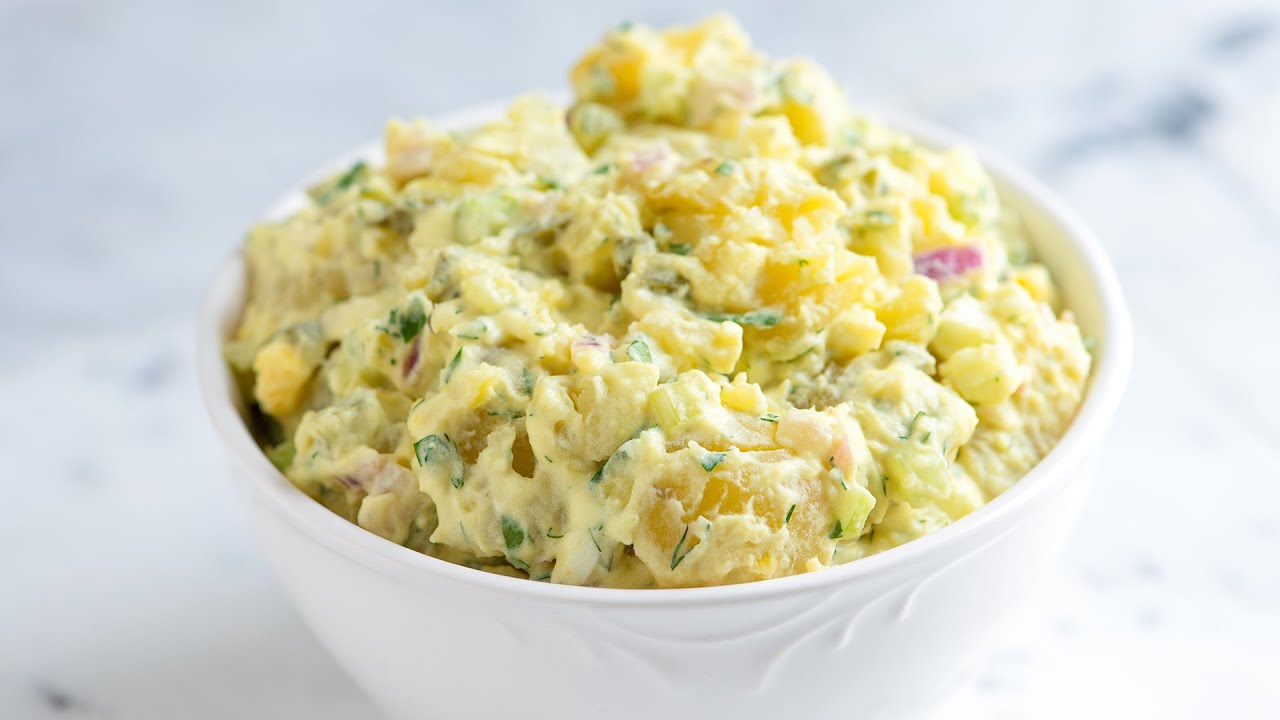
Potatoes Salad Recipe: Potato salad is one of those classic comfort dishes that shows up everywhere—from summer cookouts and potlucks to holiday dinner tables. But while it may seem simple on the surface, the perfect potato salad is all about getting the texture just right, the flavor balance on point, and the ingredients to play off each other beautifully. Whether you’re a kitchen newbie or a seasoned cook, making a homemade potato salad that wows your guests (or your taste buds) is totally doable.
What makes this recipe special? It’s the ideal combination of creamy and tangy, with a little crunch from fresh veggies and just enough seasoning to keep you coming back for more. We’re not just tossing potatoes into mayo and calling it a day—nope, this is a flavor-packed experience.
In this guide, you’ll learn everything from picking the right potatoes to cooking them perfectly and mixing up a dressing that hits all the right notes. We’ll also cover common mistakes to avoid and share creative variations you can try. And don’t worry—we’ve got detailed instructions for every step, so you’ll never feel lost. Plus, the ingredient list is flexible, so feel free to make it your own!
So, ready to master the ultimate potato salad? Grab your apron, and let’s get started.
History of Potato Salad
Believe it or not, potato salad has roots that stretch way back—like, centuries ago. The dish as we know it actually originated in Germany, where it was traditionally served warm and dressed with vinegar, mustard, onions, and bacon fat (yes, seriously flavorful). This warm version is still popular today and is often called German Potato Salad.
When German immigrants came to the United States in the 19th century, they brought their love of potato salad with them. But as recipes evolved, the American version became its own thing—cold, creamy, and rich with mayonnaise. Over time, ingredients like boiled eggs, sweet pickles, mustard, and celery got added in, and today, just about every family has their own version of “Grandma’s potato salad.”
In other parts of the world, potato salad took on even more forms. In Japan, for instance, it’s slightly sweet and includes thinly sliced vegetables like cucumber and carrots. In the Mediterranean, it’s often made with olive oil, lemon juice, and fresh herbs instead of mayo. Every culture adds its own twist, which is part of what makes potato salad so endlessly fascinating—and delicious.
So, whether you’re team warm and tangy or cool and creamy, one thing’s for sure: potato salad is timeless. And with the recipe you’re about to learn, you’ll be carrying on a tradition that’s been loved for generations.
Benefits of Making Homemade Potato Salad
Why go through the trouble of making potato salad from scratch when you can grab a tub from the grocery store? Easy. Homemade tastes better, it’s healthier, and you’re in control. Let’s break it down.
First, when you make your own potato salad, you get to decide what goes in it. Want less mayo? Done. Prefer crunchy bits of pickle or bacon? Add them in. Avoiding sugar or preservatives? You can totally skip those. No mystery ingredients, no aftertaste—just real food made your way.
Second, it’s way more budget-friendly. Buying ingredients like potatoes, eggs, and mayo in bulk is cheaper in the long run, especially if you’re cooking for a crowd. You can whip up a big bowl of potato salad for a fraction of what you’d pay at a deli—and you’ll likely have leftovers too.
Third, there’s just something satisfying about putting it together yourself. Boiling the potatoes, chopping the veggies, tasting the dressing, tweaking the flavors—it turns a basic side dish into a fun, creative process. Plus, when people ask you what brand of potato salad you bought, you’ll get to smile and say, “I made it.”
Lastly, homemade potato salad is healthier by default. No artificial flavors, fewer calories if you choose light mayo or yogurt, and no overload of salt or sugar. Want to make it vegan or gluten-free? Totally possible.
So yes, it takes a little more effort—but trust us, your taste buds (and your guests) will thank you.
Types of Potato Salad
If you think all potato salad is the same, think again. There’s a whole world of potato salad styles out there, and each one brings something unique to the table. Let’s break down the main types so you can find your favorite (or mix and match!).
1. Classic American Potato Salad
This is the creamy, cold version you’re probably familiar with. Made with mayonnaise, mustard, chopped celery, onions, and sometimes chopped boiled eggs, this style is smooth, rich, and perfect for picnics or BBQs. Sweet pickle relish is a popular addition, giving it a slightly tangy-sweet kick.
2. German Potato Salad
Unlike the American version, this one is typically served warm, and the dressing is made with vinegar, mustard, and bacon drippings instead of mayo. It’s tangier, more savory, and often includes sautéed onions and herbs. A great side for sausages or grilled meats!
3. Southern Potato Salad
Think of this as the heartier cousin of the classic American version. It usually includes hard-boiled eggs, a generous scoop of yellow mustard, and sometimes even hot sauce or a sprinkle of paprika on top. It’s bold, creamy, and always satisfying.
4. Vegan or Healthier Options
If you’re looking for a lighter option, go for olive oil or Greek yogurt instead of mayo. Add chopped herbs like dill or parsley for freshness, and toss in crunchy veggies like bell peppers, cucumbers, or radishes. Vegan versions skip the eggs and dairy completely but are still super flavorful.
5. International Twists
- Japanese Potato Salad: Slightly sweet and mashed, with cucumbers, carrots, and sometimes ham
- French-style Potato Salad: Tossed in vinaigrette with shallots and herbs
- Indian-inspired Potato Salad: Spiced with turmeric, cumin, and chili flakes
Whatever your preference, there’s a potato salad style out there that’s just right for you.
Ingredients You’ll Need
Making the best potato salad starts with gathering the right ingredients—and trust me, they matter more than you think. Using fresh, high-quality items will level up your salad from average to absolutely irresistible. Here’s a breakdown of everything you’ll need to whip up a classic, creamy potato salad, along with a few optional add-ins to make it your own.
Main Ingredients:
- Potatoes (about 2 pounds) – Go for Yukon Gold or red potatoes for the best texture. More on this in the next section!
- Mayonnaise (1 cup) – The creamy base of the dressing. You can go full-fat, light, or even vegan if you’d like.
- Dijon or yellow mustard (2 tablespoons) – This adds that essential tang and a little sharpness.
- Hard-boiled eggs (2–3, chopped) – Optional, but they add a creamy richness and protein boost.
- Celery (2 stalks, finely diced) – Adds a crisp texture.
- Red onion or green onions (1/2 cup, finely chopped) – For a bit of sharpness and bite.
- Pickle relish or chopped dill pickles (2–3 tablespoons) – Sweet or tangy, this brings a punch of flavor.
- Apple cider vinegar (1 tablespoon) – Balances the richness of the mayo and enhances the flavor.
- Salt & black pepper (to taste) – Don’t skimp; potatoes need seasoning!
Optional Additions:
- Fresh herbs (dill, parsley, chives) – These lift the flavor and add freshness.
- Paprika (for garnish) – A classic touch on top.
- Bacon bits – For a smoky, salty crunch.
- Sour cream or Greek yogurt – To lighten up the mayo or add a tangy note.
- Chopped bell peppers or radishes – Add color and crunch.
- Jalapeños or hot sauce – If you want a spicy twist.
You don’t have to use every ingredient listed. Think of this as your flavor toolbox. You can customize it based on what you like or what you’ve got on hand. Just remember the basic rule of thumb: balance creaminess with crunch and tang. That’s the holy trinity of a great potato salad.
Choosing the Right Potatoes
Potatoes are the star of the show, so choosing the right kind makes a huge difference. Not all potatoes are created equal, especially when it comes to potato salad. You want potatoes that hold their shape after cooking, soak up flavor without turning to mush, and have a nice creamy texture.
Waxy vs. Starchy Potatoes
There are two main categories of potatoes: waxy and starchy. Waxy potatoes are ideal for potato salad because they:
- Hold their shape after boiling
- Have a smooth, creamy texture
- Absorb flavor without falling apart
Best waxy or all-purpose varieties:
- Yukon Gold: Hands-down the best choice. They’re creamy, buttery, and stay intact when boiled.
- Red Potatoes: Another great pick. They’re slightly firmer and add color to the salad.
- New Potatoes: Small, tender, and perfect if you want to leave the skin on.
Avoid starchy potatoes like:
- Russet Potatoes: These are better for mashed potatoes. They fall apart easily and can make your salad mushy if you’re not careful.
Tips for Prepping Your Potatoes:
- Peel or no peel? It’s up to you! Thin-skinned varieties like Yukon Gold or red potatoes don’t need peeling. Plus, the skin adds color and nutrients.
- Cut evenly: Dice the potatoes into bite-sized pieces—around 1 to 1.5 inches. Uniform size ensures even cooking.
- Rinse after cutting: This helps remove excess starch and prevents clumping.
The right potato makes everything better. Once you’ve nailed this part, you’re already halfway to a killer potato salad.
Other Essential Ingredients
Potatoes are important, but the ingredients that surround them? That’s where the magic happens. Let’s dive deeper into the supporting cast—each one playing a vital role in creating a balanced, flavorful salad.
Eggs
Hard-boiled eggs add creaminess and protein. Some people skip them, but if you’re making Southern or classic American-style potato salad, they’re pretty much essential. Pro tip: make sure your eggs are fully cooled before chopping, or they can get rubbery.
Mayonnaise
This is the heart of your dressing. Go for real mayo (like Hellmann’s or Duke’s) if you want that classic richness. You can also use:
- Avocado mayo – For a healthier fat option
- Vegan mayo – If you’re avoiding eggs
- Half mayo, half Greek yogurt or sour cream – For a lighter, tangier taste
Mustard
Whether you use yellow mustard for that traditional tang or Dijon for a sharper flavor, mustard cuts through the creaminess of the mayo perfectly.
Vinegar
A splash of apple cider vinegar or white vinegar gives your salad a slight acidity that keeps things from feeling too heavy.
Pickles & Relish
Sweet relish is common in American-style salads, but dill pickles add a more savory note. Chop them fine to get that flavor in every bite.
Crunchy Veggies
- Celery: Adds a classic crunch and freshness.
- Red onion or scallions: Bring that savory edge.
- Bell peppers or radishes: Optional, but colorful and crunchy.
Seasonings
Don’t underestimate simple salt and pepper—potatoes need it! You can also sprinkle in:
- Garlic powder
- Smoked paprika
- Celery salt
Flavor is everything, and each of these ingredients brings something special to the table. Adjust based on your preferences and the vibe you’re going for—classic, bold, spicy, or light.
How to Cook Potatoes Perfectly
This step can seriously make or break your potato salad. Cook them too little, and you’re biting into crunchy centers. Cook them too much, and you end up with mashed potatoes instead of salad. So let’s talk about how to nail the potato cooking process every single time.
1. Cut Evenly
Start by cutting your potatoes into uniform, bite-sized chunks (about 1 to 1.5 inches). This ensures they all cook at the same rate. Uneven chunks = some pieces too firm, others too soft.
2. Start in Cold, Salted Water
Place your chopped potatoes in a large pot and cover them with cold water. Add a generous pinch of salt—this flavors the potatoes as they cook. Starting in cold water helps them cook evenly, inside and out.
3. Bring to a Boil, Then Simmer
Turn the heat to high and bring the water to a gentle boil. Once it’s boiling, reduce to a simmer. A rolling boil can break up the potatoes and make them mushy on the outside before the insides are fully cooked.
4. Check for Doneness
Potatoes are done when you can pierce them easily with a fork or knife—tender but not falling apart. This usually takes about 10 to 15 minutes, depending on the size and type of your potato chunks.
5. Drain and Cool Properly
Once done, drain the potatoes immediately. Let them sit in the colander for a few minutes to let steam escape (this dries them out a bit, which helps the dressing stick better). If you’re in a rush, spread them out on a baking sheet for quicker cooling.
Some people like to toss the warm potatoes in a splash of vinegar or pickle juice right after draining—this adds a pop of flavor and helps them absorb even more taste.
Bonus Tip: Don’t Overcook!
If you overboil your potatoes, they’ll fall apart when you try to mix them with other ingredients. If you’re unsure, it’s better to undercook slightly than overcook. You can always let them steam a bit longer after draining if needed.
Perfectly cooked potatoes are the foundation of any great potato salad. Get this step right, and everything else will fall into place.
Step-by-Step Guide to Making Classic Potato Salad
Alright, it’s time to roll up your sleeves and make some mouthwatering potato salad. This step-by-step guide is easy to follow—even if you’ve never made it before. By the end, you’ll have a creamy, flavorful bowl of comfort that’s perfect for any occasion.
Step 1: Boil the Potatoes
As detailed earlier, start by cutting your potatoes evenly and placing them in a pot of cold, salted water. Bring to a boil, simmer until fork-tender (about 12–15 minutes), then drain and let cool slightly.
Step 2: Boil the Eggs
While the potatoes are cooking, place your eggs in a small saucepan, cover with water, and bring to a boil. Once boiling, cover and remove from heat. Let sit for 10–12 minutes. Then transfer to cold water and peel once cooled.
Step 3: Prepare the Dressing
In a large mixing bowl, whisk together:
- 1 cup mayonnaise
- 2 tablespoons mustard (yellow or Dijon)
- 1 tablespoon apple cider vinegar
- Salt and pepper to taste
Optional: Add a teaspoon of sugar if you like a slightly sweet edge.
Taste the dressing and adjust the flavors to your liking.
Step 4: Add the Crunch
Dice your celery, onions, and pickles (or relish). Add them to the dressing and stir to combine. These crunchy bits add texture and zing to your salad.
Step 5: Combine Everything
Add your cooled, cooked potatoes to the bowl with the dressing. Gently fold them in using a spatula—don’t stir too aggressively or the potatoes will break apart.
Next, chop your hard-boiled eggs and gently fold them in as well. If you like a chunky salad, leave the eggs in larger pieces.
Step 6: Chill and Serve
Cover your salad and refrigerate for at least 2 hours. This lets the flavors meld and the dressing thicken a bit. Some folks like to let it sit overnight—and it’s often even better the next day.
Before serving, give it a quick taste. Add extra salt, pepper, or a touch of mustard if needed. Sprinkle with paprika or chopped herbs for a finishing touch.
That’s it! You’ve just made a classic, creamy potato salad that’s leagues above anything you’ll find in a store.
Tips for Creamy Potato Salad
Want that smooth, rich, luscious texture? The kind that coats each bite perfectly without feeling too heavy? Here’s how to make your potato salad ultra-creamy and crave-worthy.
1. Use the Right Mayo Ratio
A common mistake is using either too much or too little mayo. Start with about 1 cup of mayo for every 2 pounds of potatoes. You can always add more later, but too much mayo right away can drown the flavors.
2. Mix Dressing Separately First
Always mix your mayo, mustard, vinegar, and seasonings before adding them to the potatoes. This helps the flavors distribute evenly and avoids overmixing the potatoes.
3. Add Dressing While Potatoes Are Warm (Optional)
If you like a salad that absorbs more flavor, toss the dressing with the potatoes while they’re still slightly warm. They soak up the tangy goodness and stay moist.
4. Fold Gently
Don’t stir aggressively—use a folding motion to keep the chunks intact and creamy. You want the potatoes to stay tender but not mashed.
5. Use a Combo of Creamy Ingredients
Try mixing in:
- Sour cream or Greek yogurt with mayo for extra richness
- A touch of cream cheese for decadence (yes, it works!)
- Even a bit of buttermilk for a Southern-style tang
6. Chill Before Serving
Letting the salad chill in the fridge allows everything to blend together beautifully. Two hours is good—overnight is better.
Creaminess is about more than just dumping in mayo. It’s about balance—between richness, tang, and texture. Follow these tips, and your potato salad will be silky, dreamy, and unforgettable.
Common Mistakes to Avoid
Even though potato salad is a relatively simple dish, there are a few common mistakes that can throw off the taste, texture, or overall vibe. Don’t worry—we’ve all made them at some point. But once you know what to watch out for, you’ll avoid these pitfalls and get perfect results every time.
1. Overcooking or Undercooking the Potatoes
This is the #1 potato salad sin. Overcooked potatoes turn to mush and break apart when mixed. Undercooked ones are hard and unpleasant to eat. Follow the fork-tender rule—the potatoes should be soft enough to poke easily but still firm enough to hold their shape.
2. Not Seasoning the Water
Season your boiling water like you would pasta water. If you skip this, your potatoes will taste bland no matter how good your dressing is. Salt in the water helps season the potatoes from the inside out.
3. Adding Dressing to Hot Potatoes (the wrong way)
While adding dressing to slightly warm potatoes helps them absorb flavor, adding it when the potatoes are too hot can melt the mayo and make the salad greasy. Let them cool for a few minutes before dressing.
4. Overmixing
Vigorously stirring the salad breaks the potatoes apart and ruins the texture. Be gentle. Use a folding motion to combine everything slowly and evenly.
5. Skipping the Chill Time
Flavors need time to meld! Serving it right after mixing means it won’t taste as balanced. Refrigerate for at least 2 hours, ideally overnight.
6. Not Tasting and Adjusting
Taste your salad before serving. Potatoes can soak up a lot of flavor, so you might need to add extra salt, pepper, or mustard after chilling.
7. Using the Wrong Potatoes
As mentioned earlier, avoid overly starchy varieties like russets. Stick to Yukon Golds, red potatoes, or new potatoes for best results.
8. Going Overboard with Mayo
It’s easy to go heavy-handed with mayo and end up with a salad that’s too gloopy. Start with a moderate amount and increase gradually as needed.
Avoiding these simple mistakes will help you create a potato salad that tastes great and looks appealing. No one wants mushy, bland, or overly wet potato salad, right?
Creative Variations to Try
Classic potato salad is always a crowd-pleaser, but once you’ve mastered the basics, why not get a little creative? There are so many fun and flavorful twists you can try to customize your salad and impress your guests—or just keep things interesting for yourself.
1. Loaded Baked Potato Salad
If you love baked potatoes, you’ll adore this version:
- Use chopped baked potatoes
- Add bacon bits, shredded cheddar cheese, chives, and a sour cream–based dressing
- Garnish with green onions for that steakhouse feel
2. Avocado Potato Salad
For a creamy and healthy twist:
- Mash one ripe avocado into your mayo/yogurt dressing
- Add lime juice for brightness
- Mix with red onions, cilantro, and a pinch of chili flakes
3. Greek-Inspired Potato Salad
Skip the mayo and go Mediterranean:
- Use a vinaigrette dressing made with olive oil, lemon juice, and oregano
- Add feta cheese, Kalamata olives, cucumbers, and cherry tomatoes
- Serve chilled with grilled meats or pita
4. Spicy Jalapeño Potato Salad
Kick up the heat:
- Stir in diced jalapeños, hot sauce, or chipotle powder
- Use a mix of mayo and sour cream
- Add chopped cilantro for freshness
5. Dill Pickle Lover’s Potato Salad
This one’s for the pickle fans:
- Use chopped dill pickles and a splash of pickle juice
- Add fresh dill for a bright herby kick
- Pairs beautifully with fried chicken or burgers
6. Vegan Potato Salad
No mayo, no eggs—just clean, plant-based goodness:
- Use vegan mayo or mashed avocado
- Add chopped veggies like bell peppers and red onions
- Toss with lemon juice, mustard, and herbs
Feel free to mix and match these ideas or come up with your own signature version. Potato salad is super versatile, so there’s no reason to stick to one recipe forever!
What to Serve with Potato Salad
Potato salad may be a side dish, but let’s be real—it often steals the show. Still, pairing it with the right main course or other sides can create the ultimate meal, especially at cookouts, picnics, or family dinners.
Perfect Pairings:
- Grilled meats: Chicken, ribs, steak, burgers—you name it. The creamy coolness of potato salad balances out the smoky, charred flavors of grilled meats perfectly.
- Fried chicken: A Southern staple. Crispy chicken and tangy potato salad? Yes, please.
- Pulled pork or BBQ brisket: The richness of BBQ sauce pairs beautifully with the cold, creamy salad.
- Sandwiches or wraps: Serve it as a side to cold-cut sandwiches, sliders, or wraps. Great for picnics!
- Seafood: Think grilled shrimp skewers, crab cakes, or fish tacos.
Other Sides That Go Well:
- Coleslaw: Add some crunch and vinegary bite.
- Corn on the cob: Sweet, buttery, and simple.
- Pasta salad: For a carb-on-carb combo (no judgment here).
- Grilled vegetables: Zucchini, peppers, and mushrooms balance out the creaminess of the salad.
And of course, don’t forget the drinks—iced tea, lemonade, or even a cold soda make great sips on the side.
Potato salad shines in casual settings, but it can also be dressed up for holiday tables or potlucks. Wherever you serve it, just make sure it’s chilled and fresh, and you’re good to go.
Storage and Make-Ahead Tips
One of the best things about potato salad—besides how delicious it is—is how well it stores. Whether you’re preparing for a big event or saving leftovers, knowing how to properly store potato salad ensures it stays fresh, creamy, and safe to eat.
How Long Does Potato Salad Last?
Homemade potato salad can be safely stored in the fridge for up to 4–5 days, assuming it was handled properly and kept cold the whole time. If it’s been sitting out at a picnic or potluck for hours, that’s a different story (more on that in a second).
Best Storage Practices:
- Use airtight containers: This keeps out moisture and other fridge odors.
- Keep it cold: Potato salad needs to be stored at 40°F (4°C) or below. Always refrigerate it as soon as possible after making or serving.
- Label with the date: If you’re prepping ahead of time, mark the container so you know when to toss it.
Can You Freeze Potato Salad?
Technically, you can freeze it, but it’s not recommended. Why? Because mayo and creamy dressings don’t freeze well. They tend to separate and become watery when thawed. The potatoes can also get grainy or mushy.
If you absolutely must freeze it, do so without the mayo-based dressing, and add it fresh after thawing. But again—this dish is best enjoyed fresh from the fridge.
Make-Ahead Tips:
- You can prep your potatoes and eggs a day in advance. Just store them separately and combine with the dressing when you’re ready.
- Or, make the entire salad a day ahead. In fact, many people find the flavor improves overnight.
- Add fresh herbs or garnish right before serving so they stay vibrant.
Transporting Tips for Picnics and Parties:
- Use an insulated cooler with ice packs.
- Keep it in a sealed container to avoid leaks.
- Serve in small batches and keep the rest chilled until needed.
Proper storage = better flavor, safer food, and less waste. Don’t skip this important final step in your potato salad journey!
FAQs about Potatoes Salad Recipe
1. Can I make potato salad without mayo?
Absolutely! Use alternatives like Greek yogurt, sour cream, mashed avocado, or even an olive oil–based vinaigrette. You’ll still get a creamy texture with a unique twist.
2. How long should potato salad chill before serving?
At least 2 hours in the fridge is ideal. This gives the flavors time to blend and the dressing to thicken up nicely. It’s even better when made a day ahead.
3. What’s the best way to transport potato salad for a picnic?
Use an insulated cooler with ice packs, and keep the salad in a sealed, airtight container. Take out only what you need and keep the rest chilled to avoid spoilage.
4. How do I fix a dry potato salad?
Just stir in a bit more mayo, sour cream, or even a splash of milk or pickle juice to loosen it up. Taste as you go so you don’t overdo it.
5. Can I use leftover baked potatoes for potato salad?
You can! Just make sure they’re still firm and not too soft. Chop them into chunks and skip the boiling step. This can add a great rustic flavor to your salad.
Conclusion
Potato salad might seem like a simple dish, but as you’ve seen, there’s a whole world of flavor, technique, and creativity wrapped up in that humble bowl of creamy goodness. From choosing the right type of potatoes to mastering the dressing and adding your own twists, every step matters—and every bite tells a story.
Whether you’re making it for a casual family BBQ, a fancy holiday dinner, or just meal prepping for the week, this dish delivers comfort, nostalgia, and big-time flavor. And the best part? You now have all the tools you need to make your own signature potato salad, just the way you like it.
So don’t be afraid to experiment, taste as you go, and share it proudly. After all, food always tastes better when it’s made with love—and a whole lot of mayo.
Happy cooking, and enjoy every creamy, crunchy, tangy bite!