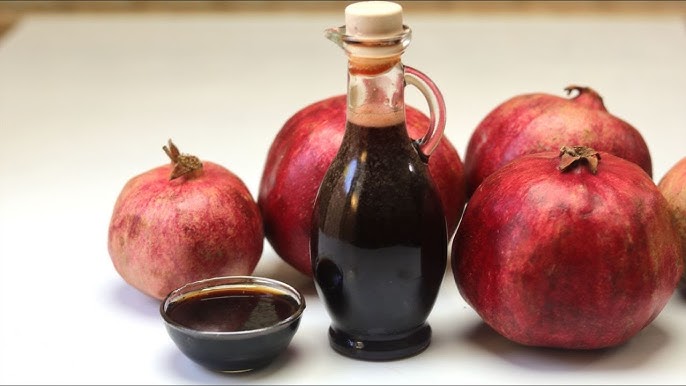
Pomegranate Molasses Recipe: If you’ve ever enjoyed Middle Eastern or Mediterranean dishes, chances are you’ve tasted the rich, tangy-sweet depth of pomegranate molasses. It’s that dark, glossy syrup that adds a pop of flavor to everything it touches—from grilled meats and savory salads to fizzy drinks and desserts. The good news? You don’t need to buy a bottle. You can make it yourself at home with just three ingredients. And trust me—it’s easier than you think.
This guide will walk you through everything you need to know to create your own homemade pomegranate molasses. From picking the perfect fruit to storing it correctly, we’re covering all the bases. Whether you’re a cooking newbie or a seasoned kitchen pro, this is your complete, foolproof guide.
What is Pomegranate Molasses?
Pomegranate molasses isn’t technically molasses in the traditional sense (like the kind made from sugarcane), but it shares the same thick, syrupy consistency. It’s made by reducing pomegranate juice, often with a bit of sugar and lemon juice, into a tart, slightly sweet, intensely flavored syrup.
Origin and Cultural Significance
It’s a staple in Middle Eastern, Persian, Turkish, and Mediterranean kitchens. Known as “dibs rumman” in Arabic, pomegranate molasses is used both as a sweetener and a flavor enhancer. In Persian cuisine, it’s a key ingredient in dishes like Fesenjan, a walnut and pomegranate stew. In Turkish cooking, it’s used in salad dressings and marinades.
Culinary Uses Around the World
From drizzling it over roasted veggies to adding a splash in cocktails, its uses are endless. Chefs love it because it adds a complex balance of sweet, sour, and umami—a flavor booster like no other.
Why Make Pomegranate Molasses at Home?
So, why not just buy it at the store? Well, there are some solid reasons to go homemade:
Health Benefits
- Store-bought versions often have preservatives, additives, and excess sugar. When you make it yourself, you control what goes in.
- Pomegranate is loaded with antioxidants, particularly punicalagins and anthocyanins, which are great for heart health and inflammation reduction.
Cost-Effectiveness
- A tiny bottle of pomegranate molasses can cost a fortune in specialty stores. Making it at home is way cheaper—especially if you catch pomegranates on sale or use 100% juice.
Freshness and Purity
- Homemade molasses means no artificial stuff, just pure pomegranate goodness.
- The flavor is often more intense and fresh than anything off the shelf.
List of Ingredients You’ll Need
Making pomegranate molasses is simple and requires only a few ingredients:
Main Ingredients
- 100% Pomegranate Juice (4 cups) – Fresh or bottled, as long as it’s unsweetened
- Granulated Sugar (½ cup) – Adjust based on how sweet you like it
- Fresh Lemon Juice (2 tablespoons) – Helps preserve and balance the flavor
Optional Add-ins for Enhanced Flavor
- A pinch of salt – Enhances the natural flavors
- Cinnamon stick – Adds a warm undertone
- Orange zest – For a citrusy twist
That’s it! Three main ingredients and a couple of optional twists. No fancy stuff required.
Tools and Equipment Required
You don’t need a fancy kitchen setup to make this recipe, but here’s what will help make the process smooth and efficient.
Kitchen Tools Checklist
- Medium to Large Saucepan – Preferably heavy-bottomed to avoid burning
- Wooden Spoon or Silicone Spatula – For stirring without scratching your pan
- Measuring Cups and Spoons – For accurate proportions
- Strainer or Cheesecloth – If using fresh pomegranates
- Glass Jar or Bottle – For storing the finished product
Tips for Best Results
- Use non-reactive cookware (like stainless steel or enameled pans) to avoid any metallic taste.
- Stir occasionally and keep an eye on it. It can go from perfect to burnt very quickly!
Choosing the Right Pomegranates
The quality of your molasses starts with the juice. Whether you’re juicing your own fruit or using bottled juice, go for the best you can find.
How to Pick the Best Pomegranates
- Look for deep red, heavy fruits—that means they’re juicy.
- The skin should be firm but not rock-hard, and without any soft spots or cracks.
Can You Use Bottled Juice?
Absolutely. Just make sure it’s:
- 100% pomegranate juice
- Unsweetened and preservative-free
Brands like POM Wonderful work great if fresh pomegranates aren’t in season or you’re short on time.
Step-by-Step Guide to Making Pomegranate Molasses
Now the fun part! Let’s get into how to make this ruby-red magic at home.
Step 1: Extract the Juice (If Using Fresh Pomegranates)
Cut the pomegranates in half and juice them using a citrus juicer or by blending the seeds briefly, then pressing through a sieve.
Step 2: Strain the Juice
Pour the juice through a fine-mesh strainer or cheesecloth to remove seeds and pulp. This ensures a smooth final syrup.
Step 3: Add Sweetener and Lemon Juice
Transfer the juice to a saucepan. Add sugar or honey to taste and a small amount of fresh lemon juice to balance sweetness and preserve color.
Step 4: Simmer and Reduce
Bring the mixture to a gentle simmer over medium-low heat. Stir occasionally and let it reduce for 45–60 minutes until thick and syrupy. Do not boil rapidly.
Step 5: Cool and Store
Remove from heat and allow to cool completely. Pour into a clean glass jar and refrigerate. It will thicken further as it cools and keep for several weeks.
Storage Instructions
Once your pomegranate molasses has cooled down and been poured into a clean jar, it’s time to think about proper storage. Unlike some syrups or sauces that spoil quickly, pomegranate molasses is pretty shelf-stable if stored correctly. However, there are still a few important rules to follow to make sure it stays fresh and safe for months.
How to Store Pomegranate Molasses Properly
- Refrigeration is your best bet. While some recipes claim it can be stored at room temperature, keeping it chilled helps retain its flavor and thickness.
- Store it in a glass jar with an airtight lid. Avoid plastic containers, which can absorb odors and stain over time.
- Label your jar with the date you made it, so you can keep track of how long it’s been stored.
Shelf Life and Spoilage Signs
Homemade pomegranate molasses can last up to 6 months in the fridge, and sometimes even longer if stored perfectly.
Watch out for:
- Off smells – It should have a sweet and tangy aroma, not sour or funky.
- Mold growth – Any signs of mold on the surface means it’s time to toss it.
- Unusual texture – If it turns watery or gritty, it’s likely gone bad.
Always use a clean spoon when scooping out molasses to avoid introducing bacteria or food particles that could shorten its shelf life.
How to Use Pomegranate Molasses
This ingredient is incredibly versatile. Once you have your jar ready, you’ll find yourself reaching for it way more than you’d expect. It adds an exotic tangy-sweet richness that enhances both savory and sweet recipes.
In Marinades and Sauces
- Add a few tablespoons to a meat marinade—it works beautifully with chicken, beef, or lamb.
- Use it as a glaze for grilled veggies, giving them a caramelized edge with a punch of flavor.
- Stir it into BBQ sauce or homemade ketchup for an unexpected twist.
In Salads and Dressings
- Combine it with olive oil, salt, pepper, and a touch of mustard to make a vibrant salad dressing.
- Drizzle over roasted beet salad, tabbouleh, or arugula with feta and walnuts.
In Beverages and Desserts
- Add a splash to sparkling water or cocktails for a tangy note.
- Swirl into Greek yogurt or ice cream as a topping.
- Use it in place of honey or maple syrup in baking recipes for a unique flavor boost.
Honestly, once you start using it, you’ll get hooked—it’s like the secret sauce you didn’t know you needed.
Flavor Profile and Texture
So, what exactly does pomegranate molasses taste like? Imagine the bold, fruity essence of pomegranate—but more intense, slightly tart, with just the right amount of natural sweetness and a rich, syrupy texture. It’s not candy-sweet like some syrups, and that’s what makes it so powerful in cooking.
What Does It Taste Like?
- Tartness: This is the dominant flavor, thanks to the natural acidity of the fruit.
- Sweetness: Subtle and balanced—just enough to round off the sharp edges.
- Fruitiness: Deep, rich pomegranate notes that are almost wine-like in their complexity.
How Thick Should It Be?
You’re aiming for something that:
- Coats the back of a spoon
- Slowly drips, not pours
- Has a syrupy consistency, not as thick as honey, but more than juice
If your molasses is too runny, cook it a bit longer. If it gets too thick, you can loosen it up with a splash of warm water before using.
Tips and Tricks for Perfect Molasses
Getting that perfect consistency and flavor isn’t hard, but a few expert tips can make all the difference:
Avoiding Burning
- Never walk away from the stove during the last 20 minutes of simmering.
- Keep the heat on low, especially once the liquid starts to thicken.
- Stir gently every few minutes to prevent sticking at the bottom.
Achieving the Perfect Consistency
- Use a wide saucepan for faster evaporation.
- Don’t rush the process. A slow simmer is key to flavor concentration.
- Remember, it thickens more as it cools—don’t wait for it to become molasses-thick while hot, or it will harden too much later.
If you’re unsure, take it off the heat when it has reduced to about 1 to 1¼ cups from 4 cups of juice.
Common Mistakes to Avoid
Even though the recipe is simple, it’s easy to make mistakes that ruin your batch. Here are some things to watch out for:
Cooking Too Fast
- Turning up the heat to speed things up will burn the sugar and leave you with a bitter mess.
- Always cook on low to medium-low and keep your eye on it.
Over-sweetening
- It might be tempting to add more sugar, especially if you prefer sweet over sour. But too much sugar masks the beautiful tartness that makes pomegranate molasses so unique.
Skipping the Lemon Juice
- It’s not just for flavor—it helps balance the acidity and acts as a natural preservative.
Substitutes and Variations
Maybe you’re out of pomegranate juice, or you want to mix things up. No problem! Here are some options and variations.
Other Fruit Molasses
- Grape Molasses: Sweeter, and a good alternative for desserts.
- Date Molasses: Much thicker and sweeter, often used in Middle Eastern sweets.
- Tamarind Paste: Offers tanginess but needs extra sweetener.
Vegan and Sugar-Free Options
- Skip the sugar altogether and just reduce the juice. It will be more tart and less syrupy, but still usable.
- Use maple syrup or agave instead of sugar for a vegan twist with a smoother sweetness.
Pomegranate Molasses vs Pomegranate Syrup
These two often get confused, so let’s break it down:
| Feature | Pomegranate Molasses | Pomegranate Syrup |
|---|---|---|
| Texture | Thick, sticky, syrup-like | Runny, like flavored syrup |
| Sweetness | Tart with mild sweetness | Very sweet |
| Usage | Cooking, marinades, salads | Desserts, drinks, toppings |
| Ingredients | Juice + lemon + sugar | Juice + a lot of sugar |
In short: if you’re looking for a bold, tangy kick, use molasses. If you’re topping a pancake, go for syrup.
FAQs about Pomegranate Molasses Recipe
1. Can I freeze pomegranate molasses?
Yes! Pour it into an ice cube tray, freeze, and then store in a freezer bag. Just thaw a cube when needed—super convenient.
2. Is pomegranate molasses healthy?
Absolutely. It’s rich in antioxidants, vitamin C, and polyphenols. Just watch the sugar content if you’re keeping an eye on your intake.
3. How long does it take to make?
From start to finish, including cooling time, you’re looking at around 1.5 to 2 hours.
4. Can I make it without sugar?
Yes, you can reduce just the juice with lemon juice. It will be more tart, but still delicious—great for savory dishes.
5. Where can I use pomegranate molasses?
Literally everywhere! Salads, meat glazes, cocktails, desserts, marinades—you name it. It’s a kitchen MVP.
Conclusion
Pomegranate molasses is a total game-changer in the kitchen. It’s one of those secret ingredients that can elevate the flavor of almost any dish, sweet or savory. Making it at home is not only easy and affordable, but also gives you complete control over the ingredients and flavor. With just a few steps and a little patience, you can whip up a batch that beats anything from the store.
So next time you’ve got some pomegranate juice on hand (or a pile of fresh fruit), give this recipe a try. Your taste buds will thank you—and so will anyone lucky enough to eat your food.