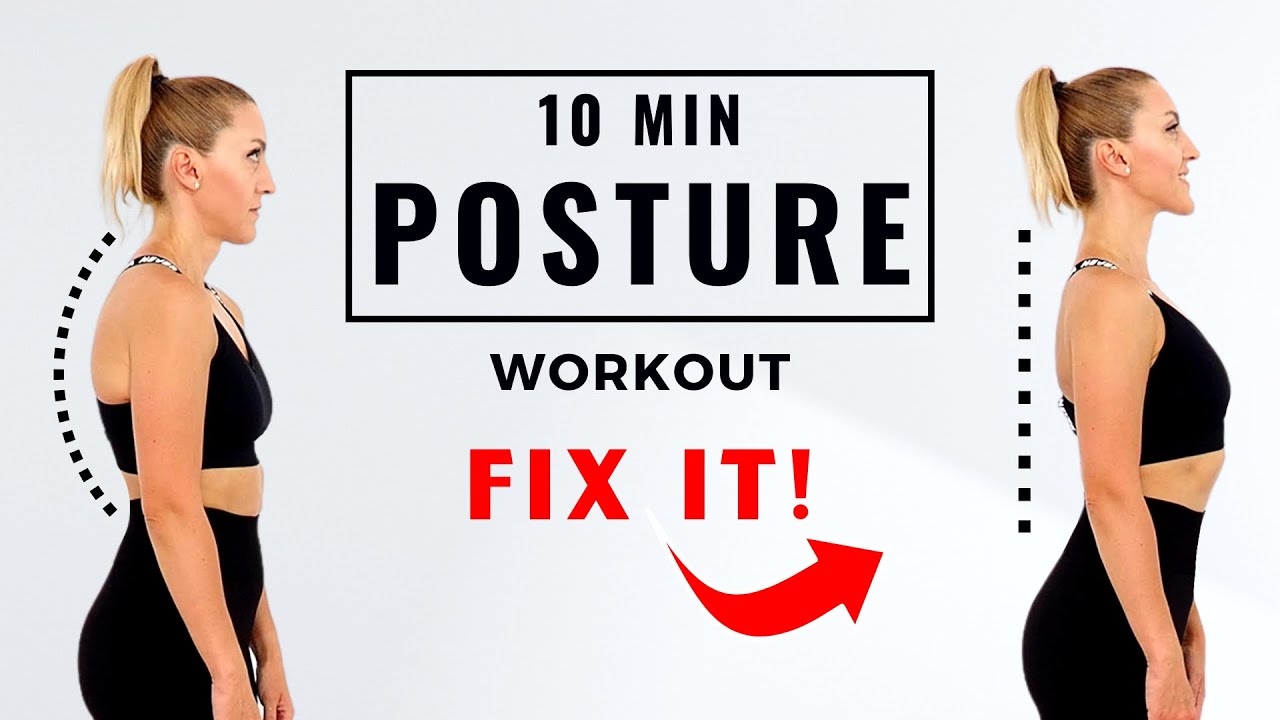
How to Improve your Posture: Posture isn’t just about looking confident—it’s the foundation of how your body moves and functions. Standing tall with your shoulders back isn’t just a cliché advice from gym teachers; it’s an essential part of your overall health. Whether you’re sitting at your desk for long hours, scrolling through your phone, or even sleeping—your posture plays a role in how your body feels, performs, and ages.
Most people don’t realize the importance of posture until they start feeling chronic pain in their neck, back, or shoulders. Bad posture can slowly wear down your body, leading to fatigue, joint issues, breathing problems, and even poor digestion. On the flip side, improving your posture not only prevents injuries and discomfort but also boosts your energy and self-esteem.
This article dives deep into everything you need to know about posture—from what causes bad posture, to how to fix it with exercises, tools, and lifestyle changes. Let’s break it down and help you stand taller, feel stronger, and move smarter.
What is Posture?
Posture is the position in which you hold your body while standing, sitting, or lying down. Good posture keeps your bones and joints aligned properly so your muscles are used correctly, reducing strain and preventing fatigue or injury.
There are two types of posture:
- Dynamic posture: How you hold yourself while moving, like walking, running, or bending.
- Static posture: How you hold yourself when you’re not moving, like sitting, standing, or sleeping.
Keeping both dynamic and static posture in check is important for overall wellness. It’s not just about standing straight—posture involves your core, your spine, your shoulders, your hips, and even how your feet are positioned.
The Difference Between Good and Bad Posture
Good posture means your body is aligned in a way that puts the least stress on muscles and ligaments. Your spine has natural curves, and good posture supports these without exaggerating them. It looks like this:
- Chin parallel to the ground
- Shoulders back and relaxed
- Neutral spine (not arched or rounded)
- Core engaged
- Knees slightly bent
- Feet hip-width apart
Bad posture, on the other hand, often includes slouched shoulders, forward head, rounded upper back, and misaligned hips. This puts excess pressure on your muscles and joints, leading to stiffness, pain, and fatigue.
Common Causes of Poor Posture
Sedentary Lifestyle
Let’s be honest—most of us spend too much time sitting. Whether it’s for work, school, or leisure, sitting for hours can weaken key muscles, shorten others, and encourage slouching. Over time, the body adapts to this unnatural position, leading to postural imbalances that are hard to correct without effort.
Poor Ergonomics
Working on a laptop that’s too low, using a chair with no back support, or texting for hours with your neck bent down all contribute to bad posture. These small habits add up. Ergonomics—the way your environment supports your body—is a huge piece of the posture puzzle.
Muscle Imbalances and Weak Core
When certain muscles are overused and others are underused, it throws your whole system out of balance. A weak core can’t support your spine properly, while tight chest muscles can pull your shoulders forward. Strengthening and stretching the right muscle groups is key to reversing this.
Stress and Mental Health
Did you know that emotional stress can affect your posture? Anxiety and depression often cause people to hunch over, close off their body, and carry tension in the shoulders and neck. Your mental state has a physical impact—and improving posture can actually help with mood and confidence.
Signs and Symptoms of Bad Posture
Physical Signs
Bad posture doesn’t always scream for attention. It often whispers in the form of subtle aches and discomforts. Some physical signs include:
- Rounded shoulders
- Forward head position
- Hunched upper back (kyphosis)
- Excessive arch in the lower back (lordosis)
- Back, neck, and shoulder pain
- Tension headaches
- Limited range of motion
These signs can become part of your daily life so gradually that you don’t even notice them. Maybe you’re constantly adjusting your chair at work or rubbing your neck after scrolling on your phone. These are clues your posture might be off balance.
Long-Term Health Consequences
Ignoring bad posture doesn’t just lead to discomfort—it can lead to chronic problems. Over time, poor posture may contribute to:
- Degenerative spinal conditions
- Joint wear and tear (especially in the knees and hips)
- Digestive issues due to compressed abdominal organs
- Poor lung capacity and breathing
- Fatigue due to inefficient body mechanics
When your body is out of alignment, it has to work harder. That drains your energy and increases your risk of injury—even from simple tasks like lifting a grocery bag or bending down to tie your shoes.
Benefits of Good Posture
Improved Breathing and Digestion
When you stand tall, your lungs have more room to expand, and your diaphragm works better. That means deeper, more effective breaths—great for energy, focus, and reducing stress. Similarly, proper posture can prevent compression of internal organs, supporting smoother digestion and reducing bloating or acid reflux.
Boosted Confidence and Mood
Believe it or not, posture affects your brain. Studies have shown that standing or sitting upright can improve your self-esteem, increase positivity, and reduce symptoms of anxiety. Why? Because your body posture sends signals to your brain about how you’re feeling—even if you’re not aware of it.
Think about it: Do confident people slump over? No—they take up space, hold their head high, and stand strong. Mimicking that physically can actually make you feel more confident.
Enhanced Physical Performance
Athletes, dancers, and performers all rely on excellent posture. It supports balance, coordination, and strength. Even if you’re not training for the Olympics, posture plays a big role in how you move every day—whether it’s going for a walk, lifting weights, or climbing stairs.
Plus, improved posture reduces the risk of injury and helps you move more efficiently, saving energy and improving performance in nearly every activity.
How to Assess Your Posture
Simple At-Home Posture Tests
Want to know where your posture stands right now? Try these quick checks:
- Wall Test
Stand with your back against a wall. Your heels, buttocks, shoulders, and head should touch the wall. If there’s a large gap between your lower back and the wall, or your head can’t reach it without strain, your posture may need some work. - Mirror Check
Look at yourself in the mirror. Your shoulders should be level, your head straight (not tilted), and your hips even. If one side looks higher or rotated, it might indicate muscle imbalances. - Chin Tuck Test
Sit up straight and gently tuck your chin in, like you’re making a double chin. If this feels difficult or causes tension, it might suggest a forward head posture.
When to See a Professional
While self-assessment is a good start, seeing a professional can provide more in-depth insight. Consider booking an appointment with:
- Physical therapists for alignment and muscle assessments
- Chiropractors for spinal posture and adjustments
- Orthopedic specialists for posture-related pain
- Personal trainers who specialize in posture correction
These professionals can tailor exercises and techniques specifically for your posture issues, helping you make faster and more permanent improvements.
Ergonomics and Workspace Adjustments
Setting Up a Posture-Friendly Desk
If you spend a lot of time at a desk, how you sit and work can make or break your posture. Here’s what an ergonomic workspace should look like:
- Monitor at eye level: You shouldn’t have to tilt your head up or down.
- Feet flat on the floor: Use a footrest if necessary.
- Elbows at a 90-degree angle: Your arms should rest comfortably on the desk.
- Back supported: Use a chair with lumbar support or add a cushion.
Small tweaks like these can make a huge difference over time.
Best Chairs and Monitor Positions
Investing in a good chair is a game changer. Look for these features:
- Adjustable height
- Lumbar (lower back) support
- Armrests that keep shoulders relaxed
- Seat that allows your knees to bend at 90 degrees
For monitors, use a riser or books to elevate your screen to eye level. Laptops, by default, encourage poor posture unless paired with external keyboards and stands.
Proper Keyboard and Mouse Placement
Your keyboard should sit directly in front of you, close enough so your elbows stay tucked. The mouse should be on the same level and within easy reach—don’t stretch or strain. Keep wrists straight and supported with a soft pad or towel if needed.
Exercises to Improve Posture
Stretching Tight Muscles
Bad posture often tightens muscles like the chest, hip flexors, and upper traps. Daily stretching helps release tension and open up tight areas.
- Chest stretch (doorway stretch)
- Hip flexor stretch
- Upper trapezius and neck stretches
- Cat-cow stretch for spine mobility
Stretching for 5–10 minutes daily can dramatically improve how your body feels and moves.
Strengthening Weak Muscles
Weak muscles like the glutes, abs, and mid-back muscles can’t support proper posture. Strengthening them is essential:
- Planks and dead bugs for core
- Rows and reverse flys for upper back
- Glute bridges and clamshells for hips and glutes
Add strength training 2–3 times a week for long-lasting posture correction.
Daily Routines for Lasting Changes
Good posture doesn’t happen overnight—it’s a habit. Incorporate posture work into your day:
- 5-minute posture break every hour at your desk
- Morning mobility routine
- Evening stretching before bed
Consistency beats intensity. Make small changes and build momentum over time.
Posture Correction Tools and Devices
Posture Corrector Braces
Posture corrector braces are wearable devices designed to help you maintain a neutral spine. They gently pull your shoulders back and align your upper back, which helps reinforce muscle memory. While they’re not a permanent fix, they can serve as a helpful reminder, especially if you’re just starting your posture improvement journey.
However, posture correctors should be used wisely. Wearing them for too long can cause your muscles to become dependent on external support. Use them in short bursts—around 20 to 30 minutes a day—to retrain your posture, not to replace muscle engagement. Look for options that are adjustable, breathable, and comfortable for extended wear.
Foam Rollers and Stability Balls
Foam rollers are fantastic for self-massage and releasing muscle tightness. Rolling your thoracic spine (upper back), quads, and hip flexors can increase mobility and reduce stiffness that contributes to poor posture. Use it as part of your warm-up or cooldown routine.
Stability balls, also known as exercise balls, help activate your core while sitting or working out. Swapping your office chair with a stability ball for short periods encourages subtle movements and better alignment. However, it’s not a full-time replacement for an ergonomic chair—balance is key.
Standing Desks and Ergonomic Chairs
Standing desks allow you to alternate between sitting and standing throughout the day. This reduces prolonged pressure on your lower back and encourages more movement, which your body loves. If you invest in one, make sure you maintain proper posture while standing—don’t lock your knees or slouch.
Pair your workspace with a good ergonomic chair. Features to prioritize:
- Adjustable height and armrests
- Lumbar support that fits the curve of your back
- Seat depth that allows two inches between the back of your knees and the edge of the seat
When used together, these tools create a posture-friendly environment that supports long-term health and productivity.
Yoga and Pilates for Posture
Top Poses for Posture Correction
Yoga and Pilates are incredibly effective for improving posture. These practices focus on body awareness, flexibility, and strength—all key ingredients for standing and sitting tall. Some powerful yoga poses include:
- Mountain Pose (Tadasana) – teaches alignment and grounding
- Downward Dog – stretches hamstrings, calves, and spine
- Cobra Pose – opens the chest and strengthens the back
- Child’s Pose – relieves spinal tension
- Bridge Pose – activates glutes and opens the front body
These can be practiced daily, even in short sessions, to promote body balance and posture correction.
How Mindful Movement Helps
Both yoga and Pilates emphasize mindful movement. You’re not just going through motions—you’re tuning into how your body feels. This awareness helps identify posture habits, like where you carry tension or when your body is out of alignment.
Pilates, in particular, targets the deep core muscles that support the spine. Exercises like the hundred, plank, and pelvic tilt build the foundation of strong posture. When your core is strong and stable, the rest of your body can stack properly without strain.
Incorporating just 15–30 minutes of yoga or Pilates a few times a week can transform your posture and overall mobility.
Building Core Strength for Better Posture
Why Core Muscles Matter
Your core isn’t just your abs—it includes your deep abdominal muscles, obliques, lower back, and even your pelvic floor. These muscles act like a natural corset, supporting your spine and keeping you upright throughout daily movements.
When your core is weak, other muscles—like those in your back and neck—have to overcompensate. That leads to tension, poor alignment, and fatigue. A strong core, on the other hand, helps distribute weight evenly and maintains a stable base, which makes good posture effortless.
Best Core Exercises
You don’t need fancy gym equipment to strengthen your core. Try these beginner-friendly, posture-focused exercises:
- Plank – Strengthens the entire core and promotes spinal alignment
- Dead Bug – Improves coordination and core control
- Bird-Dog – Builds stability and balance
- Glute Bridge – Activates the posterior chain and supports hip alignment
- Side Plank – Targets the obliques and side body
Aim to do core training 3–4 times a week, starting with short sessions and gradually increasing time or reps. Consistency beats intensity when it comes to building core strength.
Posture Tips for Daily Life
Sitting, Standing, and Walking Tips
No matter how strong or flexible you are, daily habits shape your posture more than any workout. Here are posture tips you can apply to everyday life:
When Sitting:
- Keep your feet flat on the floor
- Avoid crossing your legs for long periods
- Sit back in your chair with support behind your lower back
- Take breaks every 30 minutes to stand or stretch
When Standing:
- Distribute your weight evenly across both feet
- Keep your knees slightly bent—not locked
- Align your ears, shoulders, and hips vertically
When Walking:
- Keep your head up, not down at your phone
- Swing your arms naturally
- Engage your core slightly as you move
These simple changes can drastically reduce daily strain on your body and reinforce better posture.
Posture While Sleeping
Posture doesn’t end when the day does—your sleep position matters too. Poor sleeping posture can cause back and neck pain, tight shoulders, and poor spinal alignment.
Best sleeping positions:
- On your back with a pillow under your knees to reduce lower back pressure
- On your side with a pillow between your knees to keep hips aligned
- Use a supportive pillow to keep your head in line with your spine
Avoid stomach sleeping if possible—it twists your neck and flattens the natural curve of your spine.
Fixing Posture at Different Ages
Posture Tips for Teens
Teens today are growing up in a digital-first world—between school, smartphones, gaming, and streaming, many are sitting for 8 to 10+ hours a day. This can lead to a hunched posture known as text neck or tech slouch.
Here’s how teens can protect and improve their posture:
- Limit screen time and take regular breaks
- Hold phones at eye level to avoid bending the neck
- Use backpacks correctly, with both straps and light loads
- Strengthen core and back muscles through basic bodyweight exercises
- Practice posture-friendly sports like swimming or martial arts
Building these habits early not only prevents future pain but sets the foundation for a healthy spine for life.
Adults and Office Workers
For adults, posture problems often arise due to long work hours, stress, and poor ergonomics. Many experience issues like lower back pain, forward head posture, or shoulder tension.
What can help?
- Set up an ergonomic workspace with a proper chair, monitor height, and keyboard position
- Take micro-breaks every 30 minutes to stretch and move
- Include posture-focused workouts in your weekly routine
- Use wearable tech or apps to remind you to sit up straight
- Manage stress with breathing exercises or yoga, which also encourages better posture
Seniors and Aging Populations
As we age, we naturally lose some muscle mass, bone density, and flexibility—all of which can affect posture. Seniors often experience issues like a hunched back or forward-tilted hips.
Helpful strategies for seniors include:
- Gentle strength training for the core and back
- Flexibility and balance exercises to maintain range of motion
- Daily walking and mobility work to prevent stiffness
- Regular posture assessments with a physical therapist or chiropractor
- Supportive footwear and walking aids, if necessary, to maintain alignment
It’s never too late to work on your posture. Even small improvements can lead to less pain, better mobility, and a more confident appearance.
Mental Health and Posture Connection
Posture’s Effect on Emotions
Posture and emotions are deeply linked. When you feel sad or anxious, your body often reflects it—slumped shoulders, a lowered head, and a caved-in chest. But it also works in reverse: poor posture can cause or worsen negative emotions.
Research shows that upright posture:
- Reduces self-reported depression and anxiety
- Increases energy and alertness
- Improves memory and concentration
- Helps you manage stress better
This is due to the feedback loop between body language and brain function. When you hold your body in a confident, open posture, it triggers a hormonal response—reducing cortisol (stress) and increasing testosterone (confidence).
Body Language and Confidence
Good posture is one of the quickest ways to boost your confidence—no speech required. When you stand tall, with shoulders back and chin up, you communicate assertiveness, strength, and openness. That makes a difference in social situations, job interviews, presentations, or even casual conversations.
If you ever feel nervous, try this: take a few deep breaths, ground your feet, lift your chest, and stand tall. You’ll feel the shift internally, and others will notice too.
Creating a Long-Term Posture Plan
Tracking Progress
Fixing your posture is a long game—not an overnight fix. The good news? Small steps lead to big results when done consistently. Use these ideas to track your posture progress:
- Take weekly posture photos from the front, side, and back
- Keep a journal of your pain levels, posture cues, or exercises
- Use an app or posture tracker to monitor sitting and movement habits
- Note improvements in flexibility, energy, or mobility
Being able to see and feel your progress will keep you motivated and help you make adjustments as needed.
Staying Consistent Without Burnout
Let’s be real—sticking to new habits is tough. That’s why your posture plan should be realistic, not perfect. Here’s how to stay on track:
- Start small – Add just 5–10 minutes of posture work a day
- Use habit stacking – Pair posture exercises with existing habits (like after brushing teeth)
- Set reminders – Post-it notes, alarms, or app notifications
- Celebrate small wins – Fewer headaches? Less back pain? That’s progress!
- Adjust when needed – Life changes, and so should your posture routine
Think of this journey like brushing your teeth—you don’t do it for instant results, but for lifelong health. Posture works the same way.
FAQs about How to Improve your Posture
1. Can posture really affect my mood?
Yes! Posture plays a big role in how you feel emotionally. Standing upright can boost confidence, reduce stress, and improve energy. Slouching has been linked to feelings of depression and fatigue.
2. How long does it take to fix bad posture?
It depends on the severity and your consistency. With daily effort, you may start noticing improvements in 2–4 weeks. Full correction can take several months, but the key is consistency over intensity.
3. Is a posture corrector safe to wear every day?
Yes, but only for short periods—15 to 30 minutes a day. Overuse can weaken your muscles. It’s best to use it as a training tool, not a crutch.
4. What’s the best sleeping position for posture?
Sleeping on your back with a pillow under your knees, or on your side with a pillow between your knees, supports proper spinal alignment. Avoid sleeping on your stomach.
5. Are posture apps on smartphones reliable?
They can be helpful reminders, especially those that track sitting time or vibrate when you slouch. While not perfect, they raise awareness and support habit-building.
Conclusion
Posture affects almost everything—from how you feel, move, and look, to how others perceive you. In our modern, screen-filled lives, poor posture has become the norm. But with awareness, the right tools, and consistent habits, you can take control back.
Improving your posture isn’t just about standing straight—it’s about building a healthier, more confident version of yourself. Start by stretching tight muscles, strengthening your core, adjusting your workspace, and moving more each day. Make small changes that fit into your lifestyle and build from there.
No matter your age or fitness level, it’s never too early or too late to improve your posture. Stand tall, breathe deep, and move through life with intention.

