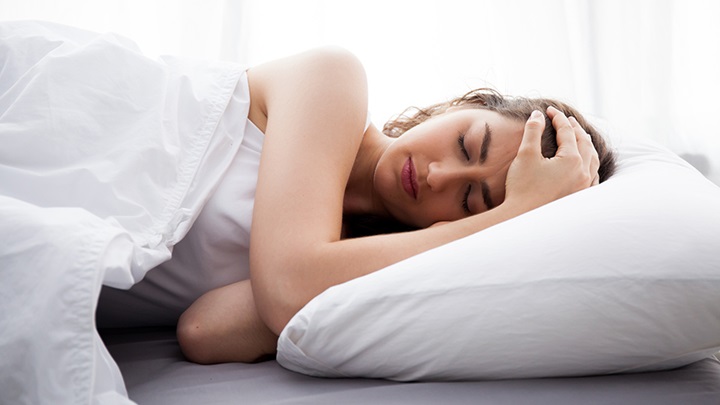
Natural Sleep Aids: We’ve all been there — lying awake in bed, staring at the ceiling, calculating how many hours of sleep we’ll get if we fall asleep right now. In today’s fast-paced world, sleep has become a luxury rather than a necessity. But it shouldn’t be that way. Quality sleep is essential for physical recovery, mental sharpness, emotional well-being, and even immune system strength. Yet, millions of people struggle every night to fall asleep, stay asleep, or wake up feeling rested.
Many turn to prescription sleep medications for help. While these drugs might work temporarily, they often come with a laundry list of side effects — morning grogginess, dependency, tolerance buildup, and in some cases, serious health risks. That’s why more and more people are searching for natural sleep aids as a safer, more holistic alternative.
This article is your comprehensive guide to all things natural when it comes to getting better sleep. We’ll cover the most effective herbal remedies, supplements, and lifestyle changes that promote restful, restorative sleep without relying on pharmaceuticals. Ready to wake up refreshed and energized? Let’s dive in.
Understanding Sleep Disorders
Sleep isn’t just a passive state where our bodies shut down. It’s an active process where the brain goes through different stages of REM and non-REM sleep, helping us repair, reset, and recharge. When this process is disrupted, the effects can ripple across every area of our lives.
Common causes of sleep disorders include stress, anxiety, depression, poor sleep hygiene, irregular sleep schedules, underlying medical conditions, and substance use (including caffeine, alcohol, and nicotine). Insomnia is the most widely known condition, but others like restless leg syndrome, sleep apnea, and circadian rhythm disorders can also severely impact sleep quality.
The effects of poor sleep go far beyond feeling tired. Chronic sleep deprivation has been linked to:
- Weakened immunity
- Weight gain and obesity
- High blood pressure
- Diabetes
- Depression and mood disorders
- Decreased cognitive performance and memory
Understanding what’s disrupting your sleep is the first step toward reclaiming it. And in many cases, natural remedies can help — not just by knocking you out but by restoring balance to your body’s natural rhythms.
What Are Natural Sleep Aids?
Natural sleep aids are substances or practices that promote sleep without the use of synthetic chemicals or prescription drugs. They can include herbal remedies, plant extracts, minerals, hormones naturally produced in the body, and even certain behaviors or lifestyle interventions.
Key characteristics of natural sleep aids:
- Derived from nature (plants, minerals, or hormones)
- Minimal side effects when used correctly
- Non-addictive and not habit-forming
- Often support overall well-being beyond sleep (e.g., reduced anxiety)
Unlike synthetic medications, natural sleep aids work gently with the body’s own systems to promote a state of calm, relaxation, and readiness for sleep. They are best suited for people with mild to moderate sleep issues, or those looking to avoid pharmaceuticals due to health concerns or personal preference.
Whether you’re curious about teas, tinctures, supplements, or breathwork, there’s a natural solution out there that may help you find your way back to a good night’s rest.
Benefits of Using Natural Sleep Aids
Switching to natural remedies for sleep offers several clear benefits, especially when compared to over-the-counter or prescription drugs. Let’s break down why more people are turning to nature for their nightly rest:
1. Fewer Side Effects
Unlike pharmaceutical options, which can lead to dependency, drowsiness, or impaired cognitive function the next day, natural sleep aids typically have fewer and milder side effects. Most herbal and nutritional sleep aids are gentle on the body and won’t leave you feeling groggy in the morning.
2. Non-Habit Forming
One of the biggest concerns with prescription sleep aids is that they can be addictive. Natural alternatives like valerian root, magnesium, or chamomile don’t create dependency, meaning you can use them as needed without building a tolerance or becoming reliant.
3. Improves Overall Wellness
Many natural sleep aids don’t just help you sleep — they can improve your overall health. For instance, magnesium supports muscle and nerve function, while chamomile helps with digestion and anxiety. It’s a win-win when you can address multiple issues with a single solution.
4. Works in Harmony with Your Body
Natural sleep aids usually enhance the body’s own production of sleep hormones like melatonin or promote relaxation through calming neurotransmitters like GABA. Instead of forcing your brain to sleep, they gently nudge it in the right direction.
5. Cost-Effective and Accessible
Natural options are widely available and often much cheaper than ongoing prescriptions. You can find them in grocery stores, health shops, or even grow your own in a garden.
Ready to explore which ones might work for you? Let’s start with some of the most popular herbal remedies that have stood the test of time.
Popular Herbal Remedies for Sleep
Herbs have been used for centuries to soothe the mind and body, especially when it comes to promoting restful sleep. Today, science is catching up to what ancient cultures already knew — plants can be powerful allies in your quest for a good night’s rest. Here are some of the most trusted herbal remedies that have been shown to support sleep naturally and effectively.
Chamomile Tea
Chamomile is probably the first thing that comes to mind when you think of calming teas — and for good reason. This daisy-like plant is known for its gentle, soothing effects. For generations, chamomile has been a go-to remedy for insomnia, anxiety, and even digestive issues.
How It Works
Chamomile contains a flavonoid called apigenin, which binds to receptors in the brain that promote sleepiness and reduce anxiety. Think of it as nature’s mild sedative. It doesn’t knock you out like a sleeping pill but rather helps ease your body and mind into a state of calm.
Best Ways to Consume
- Tea: The most common method. Steep 1–2 teaspoons of dried chamomile flowers in hot water for 5–10 minutes. Drink it 30–60 minutes before bedtime.
- Extracts: Liquid extracts or tinctures are more concentrated and may work faster.
- Capsules: Ideal for people who don’t enjoy the taste or want a consistent dose.
Chamomile is safe for most people, but those with ragweed allergies should approach it cautiously. Overall, it’s a gentle and effective first step if you’re new to natural sleep aids.
Valerian Root
Valerian root has a long history as a natural sedative and is often called the “natural Valium.” Native to Europe and parts of Asia, valerian has been used since ancient Greek and Roman times to treat insomnia and nervous tension.
Traditional Use and Modern Evidence
Valerian works by increasing the levels of GABA (gamma-aminobutyric acid) in the brain. GABA is a neurotransmitter that helps calm nerve activity, leading to relaxation and better sleep. Clinical studies suggest valerian root can:
- Reduce the time it takes to fall asleep
- Improve sleep quality
- Reduce night awakenings
However, it may take a week or two of consistent use to notice significant results.
Dosage Guidelines
- Capsules/Tablets: 300–600 mg, taken 30 minutes to two hours before bed
- Tea: 1 teaspoon of dried root steeped in hot water for 10–15 minutes
- Tincture: ½ to 1 teaspoon in a small amount of water or juice
The scent of valerian root can be strong (some say it smells like feet!), but don’t let that deter you — its effects are worth it.
Lavender
Lavender isn’t just a fragrant flower used in perfumes and candles — it’s a potent sleep aid backed by science. Studies have shown that the scent of lavender can significantly improve sleep quality, lower heart rate, and reduce anxiety.
Aromatherapy and Oral Supplements
- Aromatherapy: Add a few drops of lavender essential oil to a diffuser before bed, or sprinkle some on your pillow.
- Topical Use: Apply diluted lavender oil to your wrists, neck, or temples.
- Supplements: Some people prefer lavender capsules (like Silexan) that offer standardized doses for consistent results.
Effectiveness Backed by Studies
A 2015 study found that college students who inhaled lavender oil before bed experienced better sleep and lower levels of daytime fatigue. Another study showed lavender increased deep (slow-wave) sleep in participants, which is essential for feeling fully rested.
Lavender is non-addictive, smells amazing, and is one of the most versatile natural sleep aids available.
Passionflower
This beautiful, exotic flower isn’t just for decoration. Passionflower has a calming effect on the nervous system, making it a great option for people who lie awake with racing thoughts or anxiety.
Reducing Anxiety and Improving Sleep Quality
Passionflower enhances GABA levels in the brain, similar to valerian root, helping to reduce brain activity and induce sleep. It’s especially useful for:
- Stress-related insomnia
- Generalized anxiety
- ADHD-related sleep issues
Studies have shown that passionflower tea significantly improves sleep quality in just one week.
How to Use Passionflower
- Tea: Steep 1 teaspoon of dried herb in hot water for 10 minutes; drink 30 minutes before bedtime.
- Extracts/Tinctures: Follow dosage instructions on the bottle.
- Capsules: Typically 250–500 mg taken before bed
As with all herbal remedies, consistency is key. You may need to use passionflower nightly for a few days to see its full effects.
Melatonin – The Sleep Hormone
Melatonin is the hormone your body naturally produces to regulate your sleep-wake cycle. It’s often referred to as the “sleep hormone” because it signals to your brain that it’s time to sleep.
How Melatonin Regulates the Sleep-Wake Cycle
Your melatonin levels rise in the evening when it gets dark and decrease in the morning when it’s light. However, many factors — blue light exposure, shift work, jet lag, aging — can disrupt your body’s natural melatonin production.
Melatonin supplements are especially helpful for:
- Jet lag
- Shift workers
- Delayed sleep phase disorder
- Older adults with declining melatonin levels
When and How to Use Melatonin Supplements
- Dosage: Start with a low dose — 0.5 to 1 mg — 30 to 60 minutes before bed. Higher doses (3–5 mg) are sometimes used but can lead to grogginess or vivid dreams.
- Timing: Take melatonin consistently at the same time each evening.
- Form: Available as tablets, gummies, or liquid. Some formulas include other sleep-friendly ingredients like valerian or magnesium.
Melatonin is not a sedative. It won’t knock you out, but it helps signal your body that it’s time to wind down and rest. Best used short-term or when resetting your circadian rhythm.
Magnesium and Sleep
Magnesium is a mineral involved in over 300 biochemical reactions in the body — including those that influence sleep and relaxation. Unfortunately, many people don’t get enough of it.
The Role of Magnesium in Relaxation
Magnesium helps:
- Regulate neurotransmitters like GABA
- Relax muscles
- Lower cortisol levels (the stress hormone)
- Maintain healthy levels of melatonin
Low magnesium levels are often linked to insomnia, restless leg syndrome, and anxiety. Supplementing with magnesium can help quiet the mind and prepare the body for sleep.
Best Food Sources and Supplementation Tips
Food sources include:
- Leafy greens (spinach, kale)
- Nuts and seeds (almonds, pumpkin seeds)
- Legumes
- Whole grains
- Dark chocolate
Supplement types:
- Magnesium glycinate: Best for sleep and anxiety
- Magnesium citrate: Common, but may have a mild laxative effect
- Magnesium threonate: Great for brain health
Dosage: 200–400 mg taken in the evening, ideally 1–2 hours before bed
Many people report deeper, more restful sleep within just a few days of supplementing with magnesium — and it also helps relieve muscle cramps, tension, and mood swings.
L-Theanine and Sleep Quality
L-Theanine is an amino acid primarily found in green tea, but don’t worry — it won’t keep you up like caffeine. In fact, L-Theanine promotes relaxation without sedation, making it a fantastic natural aid for those who have trouble “turning off” their thoughts before bed.
Found in Green Tea – But Non-Caffeinated?
Yes! While green tea naturally contains both caffeine and L-Theanine, most L-Theanine supplements are decaffeinated. You get the calming benefits without the buzz. L-Theanine works by boosting the levels of GABA, dopamine, and serotonin — all of which help regulate mood, reduce stress, and improve sleep.
What sets it apart is that L-Theanine enhances alpha brain waves — the same brain activity experienced during meditation. This promotes a state of “wakeful relaxation,” ideal for easing into sleep rather than being knocked out cold.
Mechanism of Action and Ideal Dosage
Dosage:
- 100–400 mg, taken 30–60 minutes before bedtime
- You can also pair it with magnesium or melatonin for synergistic effects
Benefits include:
- Reduced sleep latency (time to fall asleep)
- Fewer nighttime awakenings
- Better sleep efficiency (how much of your time in bed you’re actually sleeping)
For people with high-stress lifestyles or anxiety-related insomnia, L-Theanine is a safe, non-habit forming way to calm the mind and prepare for sleep naturally.
CBD (Cannabidiol) for Better Sleep
Cannabidiol (CBD) has exploded in popularity — and not just among wellness influencers. This non-psychoactive compound from the cannabis plant has been praised for its calming, anti-inflammatory, and sleep-enhancing properties.
What Research Says About CBD and Insomnia
While research is still developing, several studies suggest that CBD can help with:
- Reducing anxiety that often keeps people awake
- Improving deep sleep, especially in people with chronic pain or anxiety
- Decreasing nightmares in PTSD patients
CBD interacts with the body’s endocannabinoid system, which plays a role in regulating sleep, mood, appetite, and immune function. Unlike THC, CBD won’t get you high — just relaxed.
Legal Status and Safe Usage
CBD is legal in many countries and U.S. states as long as it contains less than 0.3% THC. Still, always check your local laws before purchasing or traveling with it.
How to use CBD for sleep:
- Oils and tinctures: Fast-acting, placed under the tongue (sublingually)
- Capsules or gummies: Slower onset but longer-lasting effects
- Topicals: Better for pain relief than sleep
Dosage:
Start with 10–20 mg and gradually increase until you find the sweet spot. Many users find that 25–50 mg is effective for sleep.
Quality is everything when it comes to CBD. Always buy from reputable brands that offer third-party lab testing for purity and potency.
Diet and Nutrition for Better Sleep
The phrase “you are what you eat” also applies to how well you sleep. Certain foods promote relaxation and stimulate sleep hormones, while others interfere with your body’s natural rhythms.
Foods That Help You Sleep
These are rich in sleep-promoting nutrients like magnesium, calcium, melatonin, and tryptophan:
- Almonds – contain magnesium and healthy fats
- Kiwi – high in antioxidants and serotonin
- Tart cherries – one of the few natural sources of melatonin
- Bananas – contain magnesium, potassium, and tryptophan
- Turkey – rich in tryptophan, which helps increase melatonin production
- Oatmeal – a light carb-based bedtime snack can increase serotonin
Foods That Can Interfere with Sleep
Avoid these, especially within 2–3 hours of bedtime:
- Caffeine: Found in coffee, chocolate, tea, and some medications
- Alcohol: May help you fall asleep, but it disrupts REM sleep
- Spicy foods: Can cause indigestion and increase body temperature
- Heavy meals: Your body focuses on digestion instead of rest
Eating for sleep isn’t just about what you avoid — it’s about consistently fueling your body with nutrients that support healthy, balanced sleep cycles.
Lifestyle Changes That Support Natural Sleep
You can take all the herbal supplements in the world, but if your sleep hygiene is poor, you’re fighting an uphill battle. Sleep hygiene refers to daily habits and behaviors that influence your ability to fall and stay asleep.
Importance of Sleep Hygiene
Good sleep hygiene includes:
- Maintaining a consistent sleep schedule – even on weekends
- Keeping your bedroom dark, cool, and quiet
- Avoiding screens 1–2 hours before bedtime
- Limiting naps to 20–30 minutes earlier in the day
Sleep isn’t just about what you do at night — it’s about setting the stage all day long. From managing stress to creating a wind-down routine, every small habit adds up.
Creating a Sleep-Inducing Evening Routine
Here’s a sample 60-minute wind-down plan:
- 60 mins before bed: Turn off all screens, dim the lights
- 45 mins before bed: Take a warm bath or shower
- 30 mins before bed: Drink a calming tea (like chamomile or passionflower)
- 15 mins before bed: Journal, stretch, or do deep breathing exercises
Making your evenings more intentional and relaxing helps cue your body that it’s time to transition into rest — naturally and peacefully.
Physical Activity and Its Role in Sleep
Exercise doesn’t just help you stay fit — it plays a major role in how well you sleep. In fact, regular physical activity has been shown to:
- Reduce the time it takes to fall asleep
- Improve sleep duration and quality
- Reduce anxiety and depressive symptoms
Best Time to Exercise for Optimal Sleep
- Morning workouts: Help set your circadian rhythm and boost daytime energy
- Afternoon workouts: Great for stress relief
- Evening workouts: Can be helpful for some, but avoid high-intensity sessions close to bedtime as they may increase cortisol and adrenaline levels
Yoga and Meditation Practices That Help
Low-impact exercises like yoga or tai chi in the evening can help activate your parasympathetic nervous system — the one responsible for “rest and digest.”
Recommended yoga poses for better sleep:
- Child’s Pose (Balasana)
- Legs Up the Wall (Viparita Karani)
- Seated Forward Fold (Paschimottanasana)
Meditation or deep breathing techniques can further quiet the mind, reduce stress hormones, and help you transition peacefully into sleep.
Breathing Techniques and Relaxation Practices
You might be surprised how powerful your breath can be. When practiced regularly, breathing techniques signal your brain that it’s time to relax — and they cost nothing.
Deep Breathing
A simple method:
- Breathe in through your nose for 4 seconds
- Hold for 7 seconds
- Exhale slowly through your mouth for 8 seconds
Repeat 4–5 times. This “4-7-8” technique is excellent for calming anxiety and prepping your mind for sleep.
Progressive Muscle Relaxation (PMR)
This involves tensing and then slowly relaxing each muscle group in the body, starting from your toes and working up to your head. It’s particularly helpful for people who carry tension in their bodies without realizing it.
Guided Meditation
Apps like Calm, Headspace, or Insight Timer offer bedtime-specific meditations, soundscapes, and breathing sessions designed to lull you into rest.
These techniques take practice but are incredibly effective, especially when paired with other natural sleep aids.
The Role of Light Exposure in Sleep
Light plays a powerful role in regulating your sleep-wake cycle, also known as your circadian rhythm. Your brain takes cues from the environment — especially light — to decide when it’s time to be alert and when it’s time to wind down. If you’re struggling with sleep, one of the most overlooked (yet most effective) changes you can make is adjusting your light exposure.
Blue Light and Its Disruptive Effects
Modern life is filled with artificial light — from smartphones to TVs to LED bulbs. The problem? These devices emit blue light, which mimics sunlight and tricks your brain into staying alert.
Blue light suppresses melatonin production, which means your body doesn’t get the signal that it’s time to sleep. This can delay your sleep onset, reduce REM sleep, and lead to lighter, more fragmented rest.
Tips to reduce blue light at night:
- Turn off screens at least 1–2 hours before bed
- Use “Night Mode” on devices after sunset
- Install blue-light-blocking apps like f.lux on computers
- Wear blue-light-blocking glasses in the evening
Benefits of Morning Sunlight
Just like reducing light at night helps you sleep, getting natural light in the morning helps set your circadian rhythm and promotes better sleep later in the day.
Benefits of morning light exposure include:
- Increased melatonin production at night
- Improved mood and energy levels during the day
- Reduced insomnia and daytime sleepiness
Try spending at least 10–20 minutes outdoors in the morning — especially between 6 AM and 10 AM — without sunglasses (if safe). Even on cloudy days, natural light is more powerful than indoor lighting.
Your body is hardwired to respond to natural light. Aligning with this rhythm helps you sleep more deeply and wake up feeling more refreshed.
When to See a Doctor
While natural sleep aids and lifestyle changes are incredibly effective for most people, there are times when professional help is necessary. Chronic or severe sleep issues can be symptoms of underlying medical conditions that need more than herbal tea or magnesium to fix.
Recognizing Chronic Sleep Problems
If you’ve tried multiple natural remedies, optimized your sleep hygiene, and still struggle with sleep at least three nights a week for three months or more, it could be a sign of a more serious condition.
Conditions that may require medical attention include:
- Sleep apnea: Characterized by snoring and frequent nighttime awakenings
- Restless Leg Syndrome (RLS): Uncontrollable urge to move your legs, often in the evening
- Narcolepsy: Sudden sleep attacks during the day
- Chronic insomnia: Long-term inability to fall or stay asleep
How a Sleep Specialist Can Help
Sleep specialists can conduct sleep studies to diagnose disorders, suggest Cognitive Behavioral Therapy for Insomnia (CBT-I), or guide you through medication weaning if you’re dependent on sleep pills.
There’s no shame in seeking help. In fact, a combined approach — medical guidance along with natural lifestyle strategies — is often the most effective route for those dealing with persistent sleep challenges.
FAQs about Natural Sleep Aids
1. What is the most effective natural sleep aid?
The answer depends on the individual. However, melatonin, magnesium, and valerian root are among the most widely researched and effective options. For stress-related insomnia, L-Theanine and CBD also show promising results.
2. Can natural remedies completely replace sleeping pills?
Yes, in many cases, especially for mild to moderate insomnia. Natural sleep aids support the body’s natural rhythms and often come with fewer side effects. However, for chronic or severe sleep disorders, a medical evaluation is recommended.
3. Is it safe to combine different natural sleep aids?
Generally, yes — many natural sleep supplements are combined in formulations (e.g., melatonin + magnesium + L-theanine). Still, it’s important to read labels carefully and consult a healthcare provider if you’re taking other medications or have health conditions.
4. How long does it take for natural sleep aids to work?
Some, like melatonin, can start working within 30–60 minutes. Others, like valerian or CBD, may take a few days to a week of consistent use. Herbal remedies often work more gradually but provide lasting benefits.
5. Are there any risks associated with long-term use of herbal sleep aids?
Most are safe when used as directed, but long-term use should still be monitored. For instance, valerian root may cause liver issues if used in high doses over long periods. Always take breaks and speak with a healthcare provider if using consistently for several months.
Conclusion
From calming herbs like chamomile and valerian root, to supplements like magnesium, CBD, and melatonin, to lifestyle strategies like improving sleep hygiene, light exposure, and relaxation practices — there’s a rich toolbox available to help you reclaim your nights.
The key is consistency and personalization. Not every remedy works for every person, so be open to experimenting and journaling your progress. Small daily changes, over time, lead to major shifts in your ability to fall asleep faster, sleep deeper, and wake up genuinely refreshed.
So tonight, put the phone away a little earlier. Brew a cup of chamomile. Try a breathing technique. And let nature do what it does best — help you heal, restore, and rest.


