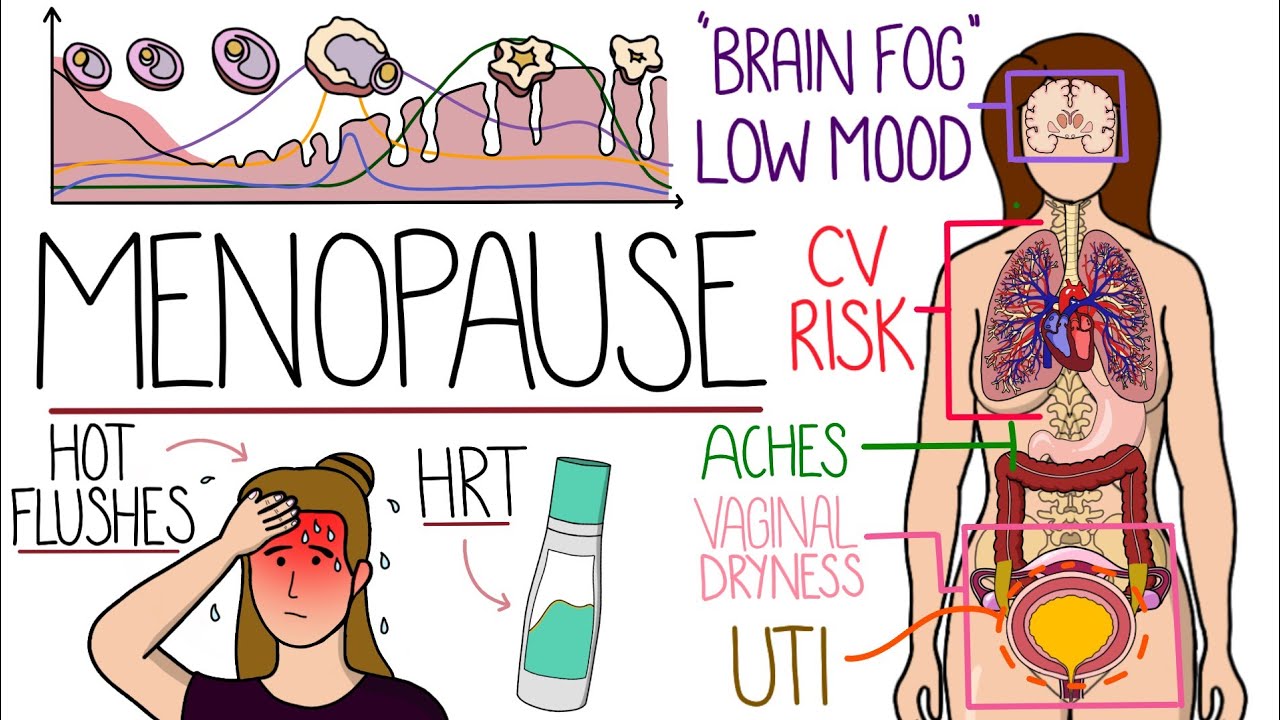
How to Manage Menopause Symptoms: Let’s be honest—menopause can feel like a rollercoaster you didn’t buy a ticket for. One minute you’re fine, and the next you’re sweating like you’re running a marathon in the desert. But here’s the good news: managing menopause symptoms is possible, and it doesn’t have to be overwhelming. Whether you’re approaching menopause or in the thick of it, this guide will give you practical, professional strategies to take control of your health and feel like yourself again.
This isn’t just about hot flashes—it’s about reclaiming your energy, mood, sex life, sleep, and overall wellbeing. From lifestyle tweaks to medical options, we’ll break it all down step by step. Let’s dive in.
Understanding Menopause
Menopause isn’t a disease—it’s a natural biological transition every woman experiences, usually between the ages of 45 and 55. Technically, menopause marks the point when a woman hasn’t had a menstrual period for 12 consecutive months. But the process can begin years earlier, known as perimenopause.
During this transition, your body gradually produces less estrogen and progesterone, two hormones that regulate your menstrual cycle and overall reproductive health. This hormonal shift is responsible for the cascade of symptoms many women experience.
There are three main stages:
- Perimenopause: Can last several years and is marked by irregular periods and early symptoms like hot flashes.
- Menopause: Officially begins 12 months after your last period.
- Postmenopause: The years after menopause, where symptoms may persist or change.
Understanding where you are on this journey helps you respond with the right strategies. It’s also crucial for knowing what’s normal and what requires medical attention.
Common Symptoms of Menopause
Menopause symptoms can be wildly different from one woman to another. Some sail through with barely a hiccup; others face symptoms that interfere with daily life. Here are the most common ones to watch for:
- Hot Flashes & Night Sweats: Sudden waves of heat, flushing, and sweating, often disrupting sleep and comfort.
- Mood Swings & Irritability: Hormonal shifts can wreak havoc on your emotional state.
- Insomnia or Poor Sleep: Waking up at odd hours, trouble falling asleep, or restless nights.
- Vaginal Dryness: Discomfort during intimacy, itching, and irritation.
- Weight Gain: Especially around the midsection, due to slower metabolism and hormonal changes.
- Brain Fog: Trouble focusing, forgetfulness, and feeling mentally sluggish.
- Low Libido: Decreased interest in sex, often linked to dryness and hormonal dips.
It’s not just about one symptom—it’s the cumulative effect that can make you feel out of sync with your body. The good news? With the right strategies, most symptoms can be significantly reduced or even eliminated.
Importance of Early Recognition
One of the smartest things you can do when navigating menopause is to recognize the symptoms early. You might be surprised how many women go months—even years—without realizing that what they’re experiencing is tied to hormonal changes. That moodiness? Not just stress. That sudden heat wave? Likely a hot flash. Being able to identify these signs early puts the power in your hands.
Early recognition also helps you take proactive steps. You can begin modifying your lifestyle, exploring medical treatments, and adopting wellness habits before symptoms escalate. Not only does this reduce discomfort, but it also lowers your risk for longer-term issues like osteoporosis, heart disease, and weight gain.
It’s worth noting that every woman’s menopause journey is different. While some may have severe symptoms, others may have none. The key is staying attuned to your body. Track your cycle, note emotional changes, sleep patterns, and physical shifts. This awareness allows you to respond rather than react, making your menopause transition more manageable and far less stressful.
Lifestyle Changes for Managing Symptoms
Lifestyle is your first line of defense in managing menopause symptoms. You’d be surprised how much of a difference simple, consistent changes can make. Think of your body as a high-performance vehicle—it runs better with the right fuel and maintenance.
1. Diet & Nutrition
A nutrient-rich diet is crucial. Focus on:
- Whole foods: Vegetables, fruits, lean proteins, and whole grains.
- Calcium and Vitamin D: Essential for bone health. Include yogurt, leafy greens, and fortified cereals.
- Phytoestrogens: Found in soy, flaxseeds, and chickpeas. These mimic estrogen in the body and may help balance hormones naturally.
Avoid excess caffeine, sugar, and alcohol, which can trigger hot flashes and mood swings.
2. Hydration
Hormonal changes can make you more prone to dehydration, leading to fatigue and dry skin. Aim for at least 8 glasses of water a day. Add slices of cucumber, lemon, or mint to make it more refreshing.
3. Physical Activity
Regular exercise helps with:
- Managing weight
- Reducing stress
- Boosting mood (thanks to endorphins)
- Improving sleep quality
- Strengthening bones
Try a mix of cardio, strength training, and flexibility exercises like yoga or Pilates. Even a brisk 30-minute walk can make a noticeable difference.
The goal isn’t perfection—it’s consistency. Build habits that fit into your lifestyle and adapt as your needs change.
Stress Management Techniques
Let’s face it—menopause can be stressful. But chronic stress doesn’t just mess with your mind; it exacerbates symptoms like insomnia, mood swings, and fatigue. That’s why stress management isn’t optional during menopause—it’s essential.
Mindfulness and Meditation
Even 10 minutes a day can help:
- Calm your mind
- Reduce anxiety
- Improve focus and emotional regulation
Use apps like Headspace or Calm to get started, or simply sit in silence, breathe deeply, and focus on your breath.
Breathing Exercises
Try the 4-7-8 method:
- Inhale through your nose for 4 seconds.
- Hold your breath for 7 seconds.
- Exhale slowly through your mouth for 8 seconds.
Repeat for a few minutes to trigger a relaxation response in your body.
Journaling and Self-Reflection
Writing down your thoughts can help you process emotions, identify triggers, and feel more in control. Journaling isn’t about being a good writer—it’s about getting clarity.
Stress is like a pressure cooker—if you don’t release the steam, something will burst. Prioritize your peace, even in small daily rituals.
Sleep Hygiene and Better Rest
If menopause had a “Most Annoying Symptom” award, sleep problems would probably win. Whether it’s waking up drenched in sweat or lying awake at 2 a.m. replaying your entire life, poor sleep is common but manageable.
Establish a Night Routine
Your body loves routine. Try this:
- Go to bed and wake up at the same time every day.
- Avoid screens an hour before bed.
- Use blackout curtains and keep your room cool.
Cut the Caffeine and Alcohol
Caffeine can stay in your system for hours, disrupting sleep. Alcohol might help you fall asleep but often leads to restless nights.
Create a Sleep-Friendly Space
- Invest in cooling sheets and breathable pajamas.
- Use a white noise machine to drown out disturbances.
- Keep electronics out of the bedroom.
If you still struggle, talk to your doctor. Sleep is the foundation of healing and balance—don’t ignore chronic fatigue.
Hormone Replacement Therapy (HRT)
Hormone Replacement Therapy (HRT) is one of the most talked-about options when it comes to managing menopause symptoms—and for good reason. It’s highly effective for many women, especially those experiencing moderate to severe symptoms like hot flashes, night sweats, and vaginal dryness.
What is HRT?
HRT involves taking estrogen, or a combination of estrogen and progesterone, to replace the hormones your body stops producing during menopause. It comes in various forms including:
- Pills
- Patches
- Creams
- Gels
- Vaginal rings
These methods help restore hormonal balance, making a significant difference in daily comfort and long-term health.
Pros of HRT
- Dramatically reduces hot flashes and night sweats
- Improves sleep and mood
- Relieves vaginal dryness
- May help prevent bone loss and fractures
Cons and Considerations
- Not suitable for women with a history of breast cancer, blood clots, or liver disease
- Potential side effects like bloating, headaches, and nausea
- Long-term use may slightly increase the risk of certain cancers and heart conditions, depending on your age and health history
HRT isn’t a one-size-fits-all solution. Talk with your healthcare provider about your symptoms, medical history, and risk factors. For many women, the benefits outweigh the risks—but the key is individualized care.
Natural Remedies and Supplements
If you’re not ready to go the pharmaceutical route, natural remedies and supplements can offer gentle, effective support. However, always consult your doctor before trying new herbs or vitamins, especially if you’re taking other medications.
Herbal Remedies
- Black Cohosh: Often used to ease hot flashes and mood swings.
- Red Clover: Contains phytoestrogens that may help balance hormones.
- Dong Quai: A traditional Chinese herb used for hormonal regulation.
Vitamins and Minerals
- Vitamin D & Calcium: Essential for bone strength.
- Magnesium: Helps with sleep, mood, and muscle cramps.
- Vitamin B Complex: Supports energy and reduces fatigue.
Lifestyle-Complementary Options
- Evening Primrose Oil: May relieve breast tenderness and mood swings.
- Flaxseed: Contains lignans that mimic estrogen.
While “natural” sounds safe, these remedies still interact with the body’s chemistry. It’s best to start slow, track symptoms, and talk to a healthcare provider trained in integrative medicine if you’re unsure.
Managing Hot Flashes and Night Sweats
Hot flashes aren’t just annoying—they can disrupt your sleep, work, and even your confidence. But they don’t have to run your life. Small, strategic adjustments can lead to big relief.
Daily Habits to Reduce Triggers
Avoid common triggers like:
- Spicy foods
- Caffeine
- Alcohol
- Stress
- Smoking
Keep a symptom journal to pinpoint what sets yours off. Once you know, you can avoid or limit those triggers.
Cooling Techniques
- Dress in layers you can peel off easily
- Use a fan or carry a handheld one
- Choose breathable fabrics like cotton or moisture-wicking materials
- Sleep with a cooling pillow or use a chill pad under your sheets
Hydration and Nutrition
Drink cold water throughout the day. Eating smaller, cooler meals can help your body regulate temperature better.
When to Seek Medical Help
If hot flashes are severely disrupting your life, talk to your doctor. HRT or other medications may be necessary to restore comfort and quality of life.
Dealing with Emotional and Mental Health
Let’s be real—menopause doesn’t just mess with your body; it can shake up your emotions too. Mood swings, anxiety, irritability, even bouts of depression are not uncommon. And no, you’re not “going crazy.” These feelings are often hormone-driven and completely valid.
Recognizing Emotional Changes
If you’re feeling:
- More irritable than usual
- Unmotivated
- Sad for no apparent reason
- Anxious or overwhelmed
These could all be signs of hormonal shifts. Acknowledging these feelings is the first step. Don’t dismiss them or feel ashamed.
Mental Health Support
- Therapy: Talking to a professional helps you process changes and develop coping strategies.
- Support Groups: Sharing your experience with other women going through the same thing can be incredibly validating.
- Journaling: Documenting your emotional highs and lows can reveal patterns and help you feel more grounded.
Self-Care Isn’t Selfish
Make time for joy. Whether it’s reading, walking in nature, or treating yourself to a quiet evening, protecting your peace is vital.
Mental and emotional wellness is just as important as physical comfort. Never hesitate to ask for help—your mental health matters.
Sexual Health and Intimacy
For many women, menopause brings unexpected changes in sexual health and intimacy—some physical, others emotional. Reduced estrogen levels can lead to vaginal dryness, decreased libido, and discomfort during intercourse. These changes can affect not only your body but also your relationship and self-esteem.
Understanding the Physical Changes
- Vaginal Dryness: With less estrogen, the vaginal walls become thinner and less lubricated, causing irritation and pain during sex.
- Loss of Libido: Hormonal changes can reduce sexual desire and arousal.
- Pelvic Floor Weakness: This may result in less sexual satisfaction and even urinary incontinence.
Practical Solutions
- Vaginal Moisturizers: Use daily to maintain hydration.
- Water-Based Lubricants: Apply during intercourse to reduce friction and pain.
- Topical Estrogen Creams: Applied directly to vaginal tissue for targeted relief (consult your doctor).
Emotional and Relationship Aspects
Communicating openly with your partner is key. Let them know how you’re feeling—physically and emotionally. You’re not broken, and intimacy doesn’t have to fade. It may take some adjustments, but many couples find that menopause can open new doors for connection and vulnerability.
Don’t forget the power of touch, cuddling, and non-sexual intimacy. Sometimes, re-igniting passion is less about hormones and more about presence and affection.
Finally, pelvic floor exercises like Kegels can strengthen muscles, enhance sensation, and support overall vaginal health. You may even want to consult a pelvic floor therapist for guided help.
Weight Management During Menopause
If you feel like you’re gaining weight without changing your habits—you’re not imagining it. Many women find that menopause comes with stubborn belly fat, a slower metabolism, and resistance to traditional diet and exercise routines.
Why It Happens
- Lower Estrogen: Affects how your body stores fat—usually around the abdomen.
- Slower Metabolism: You may burn fewer calories than you used to.
- Muscle Loss: With age, you naturally lose muscle mass, which lowers your calorie burn.
What You Can Do
- Prioritize Strength Training
Build lean muscle through resistance workouts 2–3 times per week. This helps boost metabolism and maintain bone density. - Cardiovascular Exercise
Walking, swimming, or cycling for at least 150 minutes per week can support fat loss and heart health. - Smart Eating Habits
- Reduce processed carbs and sugar
- Eat more fiber (fruits, vegetables, whole grains)
- Incorporate healthy fats (avocados, nuts, olive oil)
- Don’t skip meals—especially breakfast
- Track Your Progress
Use a journal or app to monitor what you eat and how you feel. Adjust as necessary, but avoid crash diets—they often backfire.
Mind Over Mirror
Weight gain can affect confidence, but remember: this is a natural part of the process. The goal is not to be skinny—it’s to be strong, energetic, and healthy. Give yourself grace. Your worth isn’t measured by a number on a scale.
The Role of Regular Medical Checkups
Menopause is a prime time to reset your health strategy—and that includes regular doctor visits. You’re entering a new phase of life, and your medical needs are changing along with your hormones.
Key Screenings to Keep Up With
- Bone Density Test: Estrogen loss increases your risk of osteoporosis.
- Mammogram: Breast cancer risk rises with age—stick to annual screenings.
- Blood Pressure and Cholesterol Checks: Menopause increases the risk of heart disease.
- Thyroid Function Test: Menopause and thyroid symptoms often overlap.
- Pap Smear and Pelvic Exam: Still important, even post-menopause.
How to Talk to Your Doctor
Prepare a list of symptoms—physical, emotional, and sexual. Be open and specific. Ask questions like:
- Are my symptoms normal for this stage?
- What treatments do you recommend?
- Should I consider HRT or other therapies?
- Are there natural options that might work for me?
Build a Support Team
You might benefit from more than one expert:
- Gynecologist
- Endocrinologist
- Nutritionist
- Mental health therapist
Menopause isn’t a one-and-done doctor visit. It’s a journey that deserves professional support along the way.
Alternative Therapies
Not every woman wants or needs pharmaceuticals to manage menopause symptoms. For those looking beyond traditional treatments, alternative therapies can offer effective, holistic options that support both body and mind. These approaches often complement lifestyle changes and help create a more balanced, personalized menopause management plan.
Acupuncture
This ancient Chinese medicine technique involves inserting fine needles into specific points on the body. Studies suggest acupuncture can help:
- Reduce hot flashes
- Improve mood
- Enhance sleep quality
- Support hormonal balance
It’s a safe, low-risk therapy when performed by a licensed practitioner. Many women report feeling calmer and more grounded after sessions.
Yoga and Tai Chi
Both yoga and tai chi focus on mind-body connection, gentle movement, and breath control—perfect for easing menopause symptoms.
Benefits include:
- Reduced anxiety and mood swings
- Improved flexibility and bone strength
- Better sleep
- Enhanced mental clarity
Try starting with a beginner class or YouTube video tailored to menopause or hormonal health.
Bioidentical Hormone Therapy (BHT)
Unlike conventional HRT, bioidentical hormones are derived from natural plant sources and are chemically identical to those your body produces. While BHT is popular among women seeking a “natural” option, it’s still a medical treatment and must be prescribed and monitored by a knowledgeable provider.
While many women swear by it, BHT is still under review by major health organizations, so consult with a provider who specializes in hormone therapy.
Other Alternative Options
- Aromatherapy (e.g., lavender oil for relaxation)
- Massage therapy to reduce stress and muscle tension
- Reflexology to promote balance and energy flow
Alternative therapies aren’t a replacement for medical care but can be valuable allies in your menopause journey when used mindfully and safely.
Creating a Personalized Menopause Plan
Every woman’s menopause experience is unique—so your approach to managing it should be too. A personalized menopause plan helps you stay in control, minimize discomfort, and support your physical and emotional health through every phase.
Step 1: Track Your Symptoms
Use a journal or an app to record:
- Menstrual cycle changes
- Mood swings or irritability
- Sleep patterns
- Hot flashes and night sweats
- Weight changes
- Energy levels
Tracking allows you to identify triggers, see patterns, and share accurate information with your doctor.
Step 2: Set Realistic Health Goals
These might include:
- Sleeping 7+ hours per night
- Exercising 4 times per week
- Reducing hot flash frequency
- Feeling calmer and less anxious
- Improving intimacy with your partner
Break these down into weekly, actionable steps to stay motivated and focused.
Step 3: Create a Daily Routine
Consistency is key. Build routines around:
- Meals and hydration
- Movement and exercise
- Relaxation and mindfulness
- Sleep hygiene
Keep it flexible but structured enough to support your health consistently.
Step 4: Regularly Reassess
Your body will continue to change, especially in postmenopause. Revisit your plan every few months and make adjustments as needed. Don’t be afraid to try new therapies or stop things that aren’t working.
A personalized plan empowers you to manage menopause on your terms—intentionally and confidently.
When to Seek Professional Help
While menopause is a natural transition, you don’t have to suffer through it. Some symptoms can significantly disrupt your life or even indicate other underlying health issues. Knowing when to call a professional can save you time, energy, and discomfort.
Red Flags You Shouldn’t Ignore
- Bleeding after menopause (even a little)
- Sudden, unexplained weight loss
- Persistent sleep issues that affect daily functioning
- Severe depression or anxiety
- Pain during sex that doesn’t improve with OTC treatments
- Symptoms that worsen instead of getting better
These could be signs of issues beyond menopause, such as thyroid disease, uterine problems, or mental health disorders. Early intervention matters.
Types of Professionals Who Can Help
- Gynecologist: For symptom management, HRT, and screenings
- Primary care physician: For overall health, medication checks, and referrals
- Mental health therapist: For emotional well-being
- Dietitian or nutritionist: For weight management and food-based healing
- Pelvic floor therapist: For urinary incontinence and sexual health
You don’t need to “tough it out.” Seeking support is a sign of strength and self-respect.
FAQs about How to Manage Menopause Symptoms
1. How long do menopause symptoms last?
Menopause symptoms can start during perimenopause and last anywhere from a few months to several years. On average, they persist for about 4–5 years, but some women experience them longer.
2. Is weight gain during menopause inevitable?
Not necessarily. While hormonal changes can make it easier to gain weight, healthy eating, strength training, and regular activity can help you manage your weight effectively.
3. Are hot flashes dangerous?
No, hot flashes aren’t dangerous, but they can be disruptive. However, if they’re frequent or intense, they may affect sleep, mental clarity, and daily function—so it’s worth exploring treatments.
4. What’s the difference between HRT and BHT?
Hormone Replacement Therapy (HRT) uses synthetic hormones, while Bioidentical Hormone Therapy (BHT) uses plant-based hormones that are chemically identical to human hormones. Talk to your doctor to determine which is best for you.
5. Can menopause affect my mental health?
Yes, fluctuations in estrogen and progesterone can influence brain chemistry, leading to anxiety, mood swings, and even depression. If symptoms are intense or persistent, professional support is recommended.
Conclusion
Menopause is not the end—it’s the beginning of a new chapter in your health journey. Yes, it comes with its fair share of challenges, but with the right information, strategies, and support, you can manage symptoms and even thrive during this stage of life.
Whether you’re dealing with hot flashes, weight gain, mood swings, or sleep issues, there’s no one-size-fits-all solution—but there is hope. From lifestyle changes and hormone therapies to natural remedies and emotional support, you have a wide range of tools available.
Don’t be afraid to explore what works for you. Be patient with yourself. Give your body grace. And most importantly, remember that menopause doesn’t define you—it reveals your strength.


