Thyroid Disease Symptoms: Let’s face it—most people don’t give their thyroid gland much thought until something goes wrong. But this little butterfly-shaped gland in your neck plays a colossal role in how your body functions every day. From controlling your metabolism to regulating body temperature, the thyroid is a powerhouse in the endocrine system.
Thyroid disease refers to a range of disorders that affect the structure or function of the thyroid gland. It’s more common than many realize, especially among women. Millions of people worldwide suffer from thyroid-related conditions, and many go undiagnosed for years due to vague or misinterpreted symptoms.
In this article, we’re breaking down the key symptoms and causes of thyroid disease in a clear and professional way—because understanding is the first step toward better health.
Understanding the Thyroid Gland
The thyroid might be small, but its influence is enormous. Nestled just below your Adam’s apple, this gland secretes hormones—mainly T3 (triiodothyronine) and T4 (thyroxine)—that affect nearly every cell in your body.
These hormones play a critical role in:
- Metabolism regulation – how fast or slow your body burns calories
- Heart rate control
- Body temperature maintenance
- Brain development and mood regulation
The thyroid is part of the broader endocrine system, which manages your body’s hormones. It receives signals from the pituitary gland, specifically through Thyroid-Stimulating Hormone (TSH), which tells the thyroid when to produce more or less hormone. When this feedback loop malfunctions, thyroid disease can occur.
Types of Thyroid Disorders
Thyroid disease isn’t just one thing. It’s an umbrella term for various conditions that disrupt thyroid function. Here’s a quick breakdown:
- Hypothyroidism – When the thyroid doesn’t produce enough hormones. This is the most common type and is often linked to Hashimoto’s thyroiditis.
- Hyperthyroidism – The opposite of hypothyroidism. It occurs when the thyroid makes too much hormone, often due to Graves’ disease.
- Goiter – An enlarged thyroid gland. It can occur with both overactive and underactive thyroids and may be visible as a swelling in the neck.
- Thyroid nodules – These are lumps that form within the thyroid. Most are benign, but some can be cancerous.
- Thyroid cancer – Though relatively rare, it can be serious and typically requires surgery and further treatment.
Each of these disorders brings its own set of challenges and symptoms, which we’ll explore in detail.
Common Symptoms of Thyroid Disease
Thyroid issues can mimic many other conditions, making diagnosis tricky. However, the symptoms often fall into two broad categories:
Symptoms of Hypothyroidism
- Fatigue
- Weight gain
- Depression
- Cold sensitivity
- Dry skin and hair
- Slow heart rate
- Constipation
- Puffy face
- Memory issues
Symptoms of Hyperthyroidism
- Weight loss despite increased appetite
- Rapid heartbeat or palpitations
- Nervousness or anxiety
- Tremors
- Sweating
- Difficulty sleeping
- Increased bowel movements
- Bulging eyes (in Graves’ disease)
Some symptoms overlap, like fatigue or mood changes, which is why proper diagnosis is critical. Left untreated, both forms of thyroid dysfunction can lead to serious health complications.
Causes of Thyroid Disease
There’s no single cause for thyroid disease—it often stems from a mix of genetic, environmental, and lifestyle factors. Here are the main culprits:
Autoimmune Conditions
The most common causes of thyroid dysfunction are autoimmune diseases:
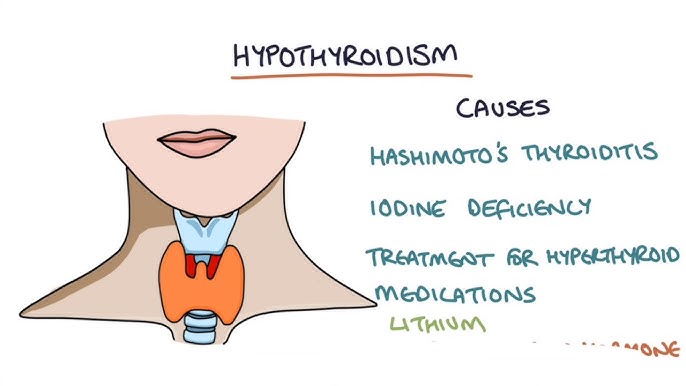
- Hashimoto’s thyroiditis (causes hypothyroidism)
- Graves’ disease (causes hyperthyroidism)
In both, the immune system mistakenly attacks thyroid tissue, disrupting hormone production.
Iodine Imbalance
Iodine is essential for thyroid hormone synthesis. Too little iodine can lead to goiter and hypothyroidism, while too much can trigger hyperthyroidism.
Genetics
Family history plays a big role. If your parent or sibling has a thyroid issue, your chances increase.
Medications and Treatments
Certain drugs like lithium or amiodarone, and treatments such as radiation therapy (especially to the neck), can impact thyroid function.
Pregnancy and Postpartum
Pregnancy alters hormone levels, and some women develop postpartum thyroiditis, which can cause temporary or long-term thyroid problems.
Other Factors
- Exposure to environmental toxins
- High stress levels
- Nutritional deficiencies (selenium, zinc)
Who Is at Risk?
Thyroid disease doesn’t discriminate, but certain groups are more prone to developing thyroid problems than others. Understanding the risk factors can help you stay proactive about your health or support a loved one who might be at risk.
Gender and Age Factors
Women are up to 8 times more likely than men to develop thyroid disorders. This is largely due to hormonal fluctuations related to menstruation, pregnancy, and menopause, all of which can influence thyroid function. Most cases of thyroid disease are diagnosed in people aged 30 to 50, but it can occur at any age—even in infants.
Family History
Genetics can play a significant role. If your parents or siblings have been diagnosed with a thyroid condition, your risk increases significantly. That’s why doctors often recommend routine screenings for people with a strong family history, even if they’re asymptomatic.
Lifestyle and Environmental Influences
A poor diet, high stress levels, smoking, and exposure to certain chemicals (like pesticides, radiation, or BPA) can all negatively affect thyroid health. Additionally, people who have undergone treatment for other illnesses, such as cancer, particularly involving radiation to the neck area, are at increased risk.
You may also be more susceptible if you have:
- Type 1 diabetes or other autoimmune disorders
- Turner syndrome or Down syndrome
- A history of postpartum thyroiditis
Being aware of these risk factors is the first step in taking control of your thyroid health and catching any potential issues early.
Diagnosing Thyroid Disorders
Getting to the root of thyroid symptoms often involves a mix of medical history, physical exams, and lab tests. Since thyroid symptoms can be vague or mimic other conditions, accurate diagnosis is crucial.
Physical Examination and Medical History
Your doctor will start by asking about your symptoms, family history, and any medications you’re taking. They’ll also perform a physical exam, feeling your neck for any swelling or nodules on the thyroid gland.
Blood Tests
Blood tests are the gold standard for diagnosing thyroid disorders. The most common include:
- TSH (Thyroid-Stimulating Hormone) – High levels usually indicate hypothyroidism; low levels point to hyperthyroidism.
- Free T4 and Free T3 – These measure the actual thyroid hormones in your blood.
- Thyroid Antibody Tests – Used to diagnose autoimmune thyroid diseases like Hashimoto’s or Graves’.
Imaging Tests
If your doctor suspects nodules or structural problems, they may order:
- Thyroid Ultrasound – A non-invasive scan that helps detect nodules or cysts.
- Radioactive Iodine Uptake Test (RAIU) – Measures how much iodine your thyroid absorbs, which can indicate how active your gland is.
Biopsy
If a nodule is found and has suspicious features, a fine-needle aspiration biopsy may be performed to rule out cancer. Thankfully, most nodules turn out to be benign.
Accurate diagnosis is essential not just for treatment but for long-term management. Thyroid problems are rarely one-size-fits-all, so personalized care makes all the difference.
Impact of Thyroid Disease on Overall Health
Thyroid disease can quietly wreak havoc on your overall well-being. Because the thyroid influences so many bodily systems, its dysfunction can lead to complications far beyond fatigue or weight changes.
Cardiovascular Complications
Both hyperthyroidism and hypothyroidism can affect your heart. An underactive thyroid can slow your heart rate and raise cholesterol levels, increasing your risk for heart disease. On the other hand, hyperthyroidism can cause:
- Rapid or irregular heartbeat
- High blood pressure
- Increased risk of stroke
Mental Health Effects
Mood swings, anxiety, and depression are common symptoms—especially if the condition remains undiagnosed. In fact, some people are misdiagnosed with psychiatric conditions before the thyroid issue is identified.
Reproductive and Fertility Concerns
Thyroid disease can lead to irregular menstrual cycles, infertility, or complications during pregnancy. Miscarriage, premature birth, and developmental issues in infants are risks when thyroid issues go untreated during pregnancy.
Weight and Metabolism
A sluggish thyroid slows your metabolism, making it harder to lose weight—even with diet and exercise. Conversely, an overactive thyroid can lead to rapid weight loss, which isn’t healthy either. It’s a metabolic balancing act, and the thyroid is at the center of it.
Managing thyroid health isn’t just about hormone levels—it’s about your entire quality of life.
Treatment Options
The good news? Most thyroid conditions are manageable, and many people live full, healthy lives with the right treatment. Depending on the specific diagnosis, several treatment paths exist.
Medications
- Levothyroxine – A synthetic thyroid hormone used to treat hypothyroidism. It must be taken daily, usually for life.
- Anti-thyroid medications – Such as methimazole or propylthiouracil (PTU), used to control overactive thyroids.
Radioactive Iodine Therapy
Commonly used to treat hyperthyroidism or thyroid cancer, this therapy destroys overactive thyroid cells. It’s effective but often results in permanent hypothyroidism, which then requires lifelong hormone replacement.
Surgery
In cases of large goiters, nodules, or thyroid cancer, a thyroidectomy (partial or total removal of the gland) may be necessary. After surgery, patients usually require lifelong hormone replacement therapy.
Natural and Complementary Therapies
While not a substitute for medical treatment, some people benefit from:
- Selenium supplements (especially for Hashimoto’s)
- Acupuncture
- Stress management techniques like yoga or meditation
Always talk to your doctor before starting any alternative treatments.
Lifestyle and Dietary Recommendations
Your lifestyle and diet can significantly influence thyroid health, especially when used in conjunction with medical treatment.
Foods to Eat
- Iodine-rich foods like seafood, dairy, and iodized salt (in moderation)
- Selenium sources like Brazil nuts, eggs, and sunflower seeds
- Zinc found in meat, shellfish, and legumes
- Anti-inflammatory foods like berries, leafy greens, and fatty fish
Foods to Avoid
- Soy and cruciferous vegetables (like broccoli and cabbage) in large quantities may interfere with hormone absorption, especially for hypothyroid patients.
- Gluten, particularly for those with autoimmune thyroid disease
- Highly processed foods with additives and preservatives
Exercise and Stress Management
Regular movement helps regulate metabolism and improves energy. Low-impact activities like walking, swimming, and yoga are great options. Stress is also a known trigger for thyroid flare-ups, so daily mindfulness or relaxation techniques can be a game-changer.
Thyroid Disease in Women
Women are disproportionately affected by thyroid disorders, and in many cases, symptoms may go unnoticed or be mistaken for PMS, menopause, or even postpartum changes. It’s important to recognize that the thyroid plays a major role in female hormonal balance.
Menstrual Irregularities
An underactive thyroid (hypothyroidism) can lead to heavy or irregular periods, while an overactive thyroid (hyperthyroidism) may cause lighter or missed periods. These fluctuations can sometimes be the first clue that something’s off with your thyroid.
Pregnancy Complications
Pregnancy causes significant hormonal shifts, and the thyroid must work harder to support both the mother and the developing baby. Undiagnosed thyroid disease during pregnancy can lead to:
- Pre-eclampsia
- Preterm birth
- Low birth weight
- Miscarriage
- Developmental delays in the baby
For women planning to conceive, it’s crucial to check thyroid levels as part of preconception care.
Postpartum Thyroiditis
Some women develop postpartum thyroiditis within the first year after giving birth. It often starts with hyperthyroid symptoms followed by hypothyroid symptoms, which can be confusing and exhausting during a time when a mother’s energy and mental health are already taxed. Fortunately, in many cases, this condition resolves within a year—but some women are left with long-term hypothyroidism.
Thyroid health in women is deeply connected to overall reproductive and emotional well-being. That’s why regular screenings, especially during major hormonal life stages, are vital.
Thyroid Health in Men
While thyroid disorders are less common in men, they are often underdiagnosed because symptoms may be attributed to stress, aging, or other common male health concerns.
Symptoms in Men
Men with hypothyroidism may experience:
- Low energy and fatigue
- Weight gain
- Cold intolerance
- Depression
- Decreased libido
- Erectile dysfunction
Men with hyperthyroidism might deal with:
- Anxiety
- Rapid heartbeat
- Unexplained weight loss
- Excessive sweating
- Muscle weakness
Testosterone and Thyroid Link
There’s a strong connection between thyroid function and testosterone levels. Hypothyroidism can lower testosterone, leading to reduced muscle mass, libido, and mood stability. Men with thyroid disease may also experience infertility or changes in sperm quality.
Though not talked about as often, thyroid health is just as important for men as it is for women. If you’re a man experiencing any of the above symptoms, it’s worth getting your thyroid checked.
Children and Thyroid Disorders
Thyroid problems aren’t just an adult issue—they can affect infants, children, and teenagers, too. And in kids, the effects can be even more profound, as thyroid hormones are essential for growth and brain development.
Signs in Infants
Congenital hypothyroidism (present at birth) can cause:
- Poor feeding
- Constipation
- Jaundice
- Sleepiness
- Puffy face
- Slow growth
Because early detection is crucial, many countries screen newborns for thyroid function within days of birth.
Symptoms in Older Children and Teens
- Slowed or stunted growth
- Delayed puberty
- Poor concentration or memory
- Weight gain
- Mood swings
- Irregular periods in girls
Early diagnosis and treatment in children are vital to prevent intellectual and developmental delays. Pediatric endocrinologists typically manage these cases with care tailored to the child’s age and growth needs.
Preventing Thyroid Disease
While you can’t always prevent thyroid disorders—especially if they’re autoimmune or genetic—there are several lifestyle habits and strategies that can support thyroid health and potentially reduce your risk.
Regular Screenings
Especially if you have risk factors like family history, autoimmune disease, or are over the age of 30, regular screenings for TSH and thyroid hormone levels can catch issues early—before symptoms worsen.
Proper Iodine Intake
Iodine is essential for thyroid hormone production. Most people get enough through iodized salt, seafood, and dairy. However, both deficiency and excess can cause problems, so it’s important not to overdo iodine supplements unless advised by a doctor.
Balanced Nutrition
Eating a diet rich in:
- Selenium (found in Brazil nuts and tuna)
- Zinc (in beef, shellfish, and legumes)
- Vitamin D
- Iron
…can help your thyroid function optimally.
Minimize Environmental Toxins
Limit exposure to endocrine-disrupting chemicals found in some plastics, pesticides, and industrial pollutants. Filter your drinking water and opt for non-toxic household and personal care products when possible.
Manage Stress
Chronic stress can disrupt the hypothalamus-pituitary-thyroid (HPT) axis and trigger autoimmune responses. Incorporate mindfulness, meditation, deep breathing, and sleep hygiene into your routine.
While not all thyroid diseases can be prevented, a proactive and healthy lifestyle can go a long way in maintaining balance.
When to See a Doctor
Don’t ignore signs that your body is out of balance. The thyroid might be small, but the impact it has when it’s not functioning properly can be massive.
Warning Signs to Watch For
- Sudden or unexplained weight changes
- Persistent fatigue
- Irregular heartbeat
- Depression or mood changes
- Difficulty concentrating
- Hair thinning or dry skin
- Neck swelling or visible lump
If you’re experiencing these, especially a combination, schedule a check-up and ask for a full thyroid panel, not just a basic TSH test.
Questions to Ask Your Endocrinologist
- What kind of thyroid disorder do I have?
- What caused it?
- What treatment options are available?
- Will I need lifelong medication?
- How often should I have my levels checked?
- Can diet and lifestyle changes help?
Empower yourself by being informed and proactive about your thyroid health.
FAQs about Thyroid Disease Symptoms
1. Can thyroid disease be reversed?
Some thyroid disorders, like postpartum thyroiditis or certain cases of subclinical hypothyroidism, can be temporary. However, autoimmune thyroid diseases like Hashimoto’s or Graves’ are typically lifelong and require ongoing management.
2. What are the early warning signs of thyroid problems?
Fatigue, weight changes, mood swings, hair thinning, and temperature sensitivity are often early indicators. Always consult a doctor for proper testing.
3. How does diet affect thyroid health?
Diet plays a significant role in managing thyroid function. Nutrients like iodine, selenium, and zinc are essential. Avoiding excessive soy, gluten (if sensitive), and processed foods may also help.
4. Is thyroid disease genetic?
Yes, a family history increases your risk. If you have relatives with thyroid disease, consider routine screenings even if you don’t have symptoms.
5. Can stress trigger thyroid issues?
Absolutely. Chronic stress can affect your immune system and endocrine function, potentially triggering or worsening thyroid disorders, especially autoimmune ones.
Conclusion
Thyroid disease is incredibly common, yet widely misunderstood. From the silent symptoms that creep in over time to the major impact on everything from mood to metabolism, thyroid disorders affect every part of life. Whether you’re newly diagnosed, supporting someone who is, or just curious, understanding the symptoms and causes of thyroid disease is the first step to taking control.
By paying attention to your body, seeking timely medical advice, and embracing a lifestyle that supports hormonal health, you can manage—or even prevent—thyroid issues before they become serious.


