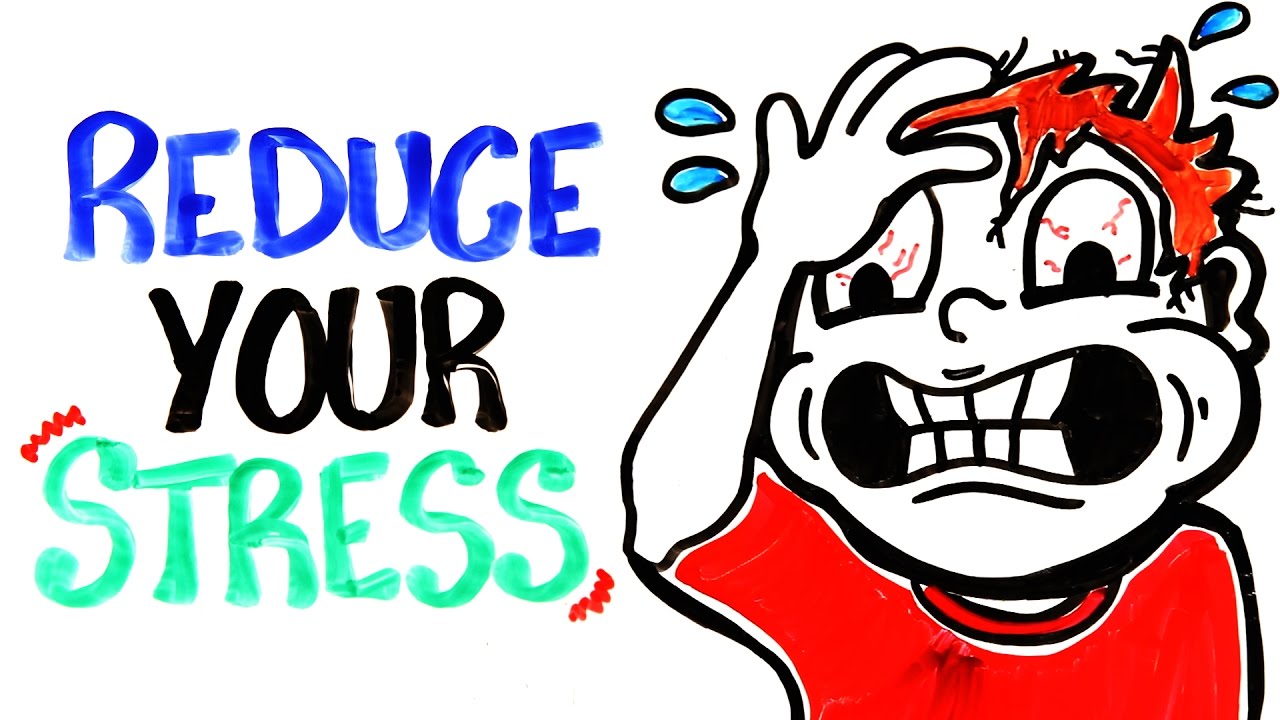
How to Reduce Stress Naturally: Let’s face it—stress has become a default setting in modern life. With endless to-do lists, constant notifications, financial pressures, and global uncertainties, it’s no wonder that so many people feel overwhelmed on a daily basis. Whether you’re juggling responsibilities at home, grinding at work, or just navigating life’s ups and downs, stress creeps in, often unnoticed—until it starts affecting your health, relationships, and happiness.
But here’s the good news: you don’t need to rely on pills or prescriptions to manage stress. You can take control naturally, starting with small, daily habits. Managing stress is not just about avoiding it—it’s about changing how you respond to it. This article will guide you through powerful, research-backed ways to reduce stress naturally and sustainably.
Why Natural Stress Relief Matters
You might be wondering, “Why should I go natural when there are medications available?” While prescription drugs can help in certain situations, they often come with side effects and don’t address the root of the problem. Natural remedies, on the other hand, work with your body’s own systems to promote relaxation and balance.
Plus, they empower you to take an active role in your mental health. That’s a game-changer. By adopting natural stress reduction techniques, you’re not just treating symptoms—you’re building a lifestyle that supports long-term well-being.
What is Stress?
Definition and Common Causes
Stress is your body’s natural response to any demand or challenge. It’s not inherently bad—it’s a survival mechanism that helps you respond to danger. However, when stress becomes chronic (long-term), it can take a serious toll.
Common causes of stress include:
- Work pressure and deadlines
- Financial issues
- Relationship conflicts
- Health problems
- Lack of time or balance
Even seemingly positive events—like planning a wedding or starting a new job—can be stress-inducing.
The Science Behind Stress: How the Body Reacts
When you perceive a threat, your body triggers the “fight-or-flight” response. This involves:
- The release of cortisol and adrenaline
- Increased heart rate and blood pressure
- Heightened alertness
In short bursts, this response is helpful. But if you’re constantly stressed, your system stays in overdrive. That’s when problems begin: weakened immunity, digestive issues, fatigue, anxiety, and even chronic diseases like hypertension and diabetes.
Understanding how stress works is the first step in reducing its power. Once you know what’s going on inside, you can start making smarter choices to manage it.
Signs and Symptoms of Chronic Stress
Emotional Symptoms
Stress doesn’t just make you feel frazzled—it alters your emotional state in deeper ways. You may notice:
- Increased irritability or mood swings
- Feelings of anxiety or helplessness
- Difficulty concentrating or making decisions
- A sense of being overwhelmed all the time
These signs are often mistaken for personality changes or even depression. But in many cases, chronic stress is the hidden culprit.
Physical and Behavioral Signs
The body keeps score. Here’s how stress often shows up physically:
- Headaches or migraines
- Digestive problems (like IBS or bloating)
- Muscle tension or jaw clenching
- Sleep disturbances
- Changes in appetite
Behaviorally, you might find yourself:
- Snapping at loved ones
- Procrastinating more than usual
- Using alcohol, caffeine, or junk food to cope
Recognizing these symptoms early can help you course-correct before stress spirals out of control.
The Long-Term Impact of Stress
Effects on Physical Health
Chronic stress isn’t just uncomfortable—it’s dangerous. Over time, it can contribute to:
- High blood pressure
- Heart disease
- Type 2 diabetes
- Suppressed immune function
- Weight gain or loss
Your body simply isn’t designed to live in a constant state of tension. Overloading your nervous system every day creates wear and tear that adds up over the years.
Effects on Mental and Emotional Well-being
Mentally, long-term stress increases the risk of:
- Anxiety disorders
- Depression
- Burnout
- Memory problems
- Poor decision-making
Your brain becomes less efficient, and your emotional resilience takes a hit. That’s why it’s crucial to have effective natural stress management tools that you can rely on.
Natural Ways to Reduce Stress: Overview
Why Choose Natural Remedies?
So why go the natural route? First, natural stress relievers often work with your body, not against it. They typically have fewer side effects, and many come with added benefits—like better sleep, improved immunity, and sharper focus. They’re also sustainable. You don’t become dependent on a pill; you learn skills and build habits that serve you for life.
Natural remedies are especially helpful for preventing stress, not just reacting to it. Imagine building up your emotional immunity like you would physical immunity—by consistently feeding your body and mind the right stuff.
Top Categories of Natural Stress Relief Techniques
There’s no one-size-fits-all solution. That’s why this guide explores a wide variety of natural methods. These fall into several main categories:
- Physical (exercise, sleep, nutrition)
- Emotional (journaling, therapy, connection)
- Mental (mindfulness, meditation, gratitude)
- Environmental (nature, aromatherapy, detoxing tech)
- Herbal/Alternative (adaptogens, teas, oils)
Let’s dig into the most effective ones next.
Practice Mindful Breathing
The Power of Deep Breathing
Breathing is something we all do, but most of us do it wrong—shallow, fast, and from the chest instead of the diaphragm. Deep, mindful breathing is one of the quickest and most powerful ways to reduce stress. Why? Because it tells your nervous system, “Hey, we’re safe now. You can relax.”
Breathing deeply stimulates the parasympathetic nervous system—your body’s “rest and digest” mode. This lowers heart rate, reduces blood pressure, and brings you back to a calm, centered place. And guess what? It only takes a minute or two to feel the effects.
Simple Breathing Techniques to Try
Here are a few beginner-friendly breathing exercises:
- Box Breathing: Inhale for 4 seconds → Hold for 4 → Exhale for 4 → Hold for 4. Repeat for 2-3 minutes.
- 4-7-8 Breathing: Inhale for 4 seconds → Hold for 7 → Exhale for 8. Excellent before sleep or during anxiety.
- Belly Breathing: Place a hand on your stomach. Breathe in deeply, pushing the hand out as your belly expands. Exhale slowly. Repeat.
Practice daily—especially during stressful moments. Over time, this simple act becomes your secret weapon against chaos.
Exercise Regularly
How Physical Activity Reduces Stress Hormones
Exercise is a natural stress-buster—and you don’t have to run marathons to see results. Moving your body helps release endorphins (your brain’s feel-good chemicals) and reduces levels of cortisol (your primary stress hormone). It also helps you sleep better, boosts self-esteem, and gives you a healthy outlet for frustration or worry.
When you’re physically active, you’re not just burning calories—you’re processing emotions. Movement literally moves stuck energy out of the body.
Best Stress-Relief Exercises: Yoga, Walking, Swimming
Some workouts are better than others for stress reduction:
- Yoga: Combines movement with breath and mindfulness. Great for flexibility, mental clarity, and relaxation.
- Walking in Nature: A daily 20-30 minute walk can shift your entire mood. Nature amplifies the calming effect.
- Swimming: Low-impact and rhythmic, swimming provides both a mental break and full-body engagement.
Don’t overthink it—just move. Dance in your living room, take the stairs, stretch after work. Consistency matters more than intensity.
Eat a Stress-Reducing Diet
Foods That Help You Stay Calm
Yes, what you eat affects how you feel. Your brain and gut are deeply connected—your gut even produces neurotransmitters like serotonin! A nourishing, balanced diet can support your mood and reduce stress levels.
Some top calming foods include:
- Fatty fish (salmon, sardines): High in omega-3s that help reduce anxiety
- Leafy greens: Rich in magnesium, a natural muscle relaxant
- Nuts and seeds: Full of healthy fats and mood-boosting minerals
- Berries and citrus fruits: Packed with antioxidants to fight oxidative stress
- Whole grains: Stabilize blood sugar and support serotonin production
What to Avoid: Stress-Triggering Foods
Just as some foods help, others hurt. Limit or avoid:
- Refined sugar and carbs: Spike and crash your energy and mood
- Caffeine: Overstimulates your nervous system and disrupts sleep
- Alcohol: A depressant that worsens anxiety in the long run
- Processed foods: Loaded with additives that increase inflammation
Start slow—swap soda for herbal tea, add a handful of spinach to your smoothie, choose nuts instead of chips. Small changes = big impact.
Prioritize Quality Sleep
How Sleep Affects Stress Levels
Sleep and stress are in a toxic relationship. Poor sleep increases cortisol levels and emotional reactivity. High stress makes it harder to fall asleep. It’s a vicious cycle that many people live with for years.
But when you sleep well, your brain processes emotions better. You make clearer decisions, feel more in control, and respond calmly instead of reacting impulsively.
Tips for Improving Sleep Naturally
- Stick to a schedule: Go to bed and wake up at the same time daily.
- Wind down: Avoid screens and bright lights at least an hour before bed.
- Create a sleep sanctuary: Keep your room cool, dark, and quiet.
- Use calming rituals: Try herbal tea, gentle stretching, or light reading.
- Limit late caffeine or alcohol: Both disrupt REM sleep cycles.
Even a 1% improvement in your sleep can create a 10% improvement in your stress levels. Aim for 7–9 hours of uninterrupted rest per night.
Limit Caffeine and Alcohol
The Hidden Effects of Stimulants on Stress
Caffeine and alcohol are two of the most commonly consumed substances worldwide, especially by people dealing with stress. Ironically, though, they often make stress worse—not better.
Caffeine, found in coffee, energy drinks, and many sodas, stimulates your central nervous system. While that morning cup might feel like a necessity, too much caffeine can spike cortisol levels, increase heart rate, and trigger anxiety symptoms like restlessness or jitteriness. If you’re already stressed, caffeine can make you feel even more on edge.
Alcohol, on the other hand, is often used to “wind down” after a long day. It may help you relax temporarily, but alcohol is a depressant. It disrupts your sleep quality, dehydrates the body, and can impair mood regulation. Over time, it increases anxiety and makes it harder for your body to deal with stress naturally.
Healthier Alternatives
If you’re not ready to quit caffeine or alcohol cold turkey, consider cutting back or swapping them with healthier options:
- Replace coffee with herbal teas like chamomile, peppermint, or green tea (which contains less caffeine and is rich in antioxidants).
- Try adaptogen-based drinks like ashwagandha lattes or mushroom-based coffees for energy without the crash.
- Use sparkling water with lemon or kombucha as a refreshing alternative to alcoholic drinks.
- Hydrate more—many people confuse dehydration with stress symptoms like fatigue and irritability.
Reducing your reliance on stimulants will help your body regulate stress more effectively and improve your energy, focus, and sleep in the long run.
Try Herbal Remedies
Top Herbal Adaptogens: Ashwagandha, Rhodiola, Chamomile
Nature has provided us with incredible herbs that support our body’s ability to adapt to stress. These are known as adaptogens—natural substances that help balance stress hormones and promote a sense of calm without sedation.
Here are a few of the most effective ones:
- Ashwagandha: Known for reducing cortisol levels and calming the nervous system. Great for long-term anxiety and fatigue.
- Rhodiola Rosea: Helps improve energy, mental clarity, and stress resilience—especially useful if you’re feeling burned out.
- Chamomile: A gentle herb often used as a tea. Helps with relaxation, sleep, and anxiety.
- Lavender: Known for its calming scent, it’s also available in teas and supplements.
- Lemon balm: A mild mood enhancer that can ease anxiety and tension.
How to Use Them Safely and Effectively
Before diving into herbal remedies, a few things to keep in mind:
- Always start small and observe how your body reacts.
- Speak to your doctor or naturopath if you’re on medication or have health conditions.
- Choose high-quality sources—organic, non-GMO, and third-party tested supplements are best.
- Stick to one or two herbs at a time, rather than overwhelming your system with multiple new things.
These herbs are not a quick fix—but taken consistently, they can become powerful allies in your stress management toolkit.
Meditation and Mindfulness
The Science of Mindfulness for Stress
Meditation isn’t just for monks and yogis. Backed by thousands of scientific studies, mindfulness and meditation have become widely accepted tools for stress relief. Practicing mindfulness means being present—aware of your thoughts, feelings, and surroundings without judgment.
This awareness helps you break the cycle of overthinking and anxiety. Instead of reacting emotionally, you learn to respond calmly. Meditation has been shown to:
- Reduce cortisol
- Improve focus and memory
- Decrease anxiety and depression
- Boost self-awareness and emotional intelligence
And the best part? You don’t need hours to feel the benefits. Even 5-10 minutes a day can shift your mindset.
Easy Daily Practices to Start With
Here’s how to get started without feeling overwhelmed:
- Guided Meditation: Use apps like Calm, Insight Timer, or Headspace.
- Breath Awareness: Sit quietly and focus on your breath. Inhale, exhale, repeat.
- Body Scan: Lie down and mentally scan your body from head to toe, noticing sensations.
- Walking Meditation: Take a slow walk, paying attention to each step, breath, and sound.
Mindfulness is like a muscle. The more you use it, the stronger it becomes. Over time, it can completely change your relationship with stress.
Connect with Nature
The Calming Effect of Green Spaces
There’s something magical about stepping into a forest, walking barefoot on grass, or simply sitting under a tree. It’s not your imagination—nature is a proven stress reliever.
Time spent in green spaces reduces:
- Blood pressure
- Heart rate
- Muscle tension
- Cortisol levels
The Japanese practice of Shinrin-yoku, or forest bathing, has shown remarkable effects on mood, immunity, and overall well-being. Even city dwellers can benefit—just 20 minutes in a park can help reset your nervous system.
Forest Bathing and Outdoor Activities
You don’t have to go full survivalist to reap the benefits. Try these nature-based practices:
- Take a morning walk in a local park
- Have lunch outdoors or near a window with natural light
- Start a small balcony or indoor garden
- Go hiking, biking, or kayaking on weekends
- Practice yoga or meditation outside
Even listening to nature sounds or looking at nature scenes has a calming effect. So if you can’t get outside today, bring a bit of nature in—plants, photos, or an essential oil diffuser can make a difference.
Build Strong Social Connections
How Social Support Reduces Stress
Humans are wired for connection. We thrive in community, and when life gets tough, having people to lean on can make all the difference. Strong social ties not only help us feel emotionally supported but also buffer the negative effects of stress.
When you spend time with friends or loved ones, your brain releases oxytocin, a hormone that promotes feelings of trust, bonding, and safety. This hormone counteracts cortisol—the stress hormone—so simply being around people you care about can literally calm your nervous system.
Loneliness and isolation, on the other hand, are strongly linked to increased stress, anxiety, and even physical illness. That’s why prioritizing connection isn’t a luxury—it’s essential for mental health.
Tips for Staying Connected
- Schedule regular check-ins with family and friends—even just a quick text or voice note.
- Join a local club, group, or class based on your interests (book club, dance, yoga, etc.).
- Volunteer: Helping others boosts your mood and connects you with like-minded people.
- Say yes to invitations when possible—don’t isolate yourself.
- Practice vulnerability: Share how you’re really feeling instead of hiding behind “I’m fine.”
If you struggle to find in-person connections, online communities can also be incredibly supportive—just be mindful of the platforms and the energy they bring into your life.
Journaling and Expressive Writing
Emotional Release Through Writing
Ever feel like your thoughts are just spinning in circles? That mental overload is a classic symptom of stress. Journaling helps break that cycle by getting those thoughts out of your head and onto paper.
Writing down your feelings helps you:
- Process emotions
- Identify stress patterns
- Gain clarity and insight
- Reduce anxiety and mental clutter
Studies show that expressive writing—the act of freely writing about your thoughts and emotions—can lower cortisol levels, improve mood, and even boost immune function.
Journaling Prompts to Relieve Anxiety
Not sure what to write? Start with simple prompts:
- What’s weighing on my mind right now?
- What am I grateful for today?
- What’s something small I can let go of?
- How did I feel today, and why?
- What would I tell a friend going through what I’m experiencing?
You don’t need to be a writer. No one’s grading you. Just write what’s real. Make it a daily or weekly habit and see how your stress levels shift.
Limit Screen Time and Digital Overload
The Link Between Tech Use and Stress
We live in a digital world—and it’s both a blessing and a curse. While technology connects us and makes life easier, constant screen time also increases stress levels. Social media, emails, breaking news, and notifications create a state of hyper-alertness that your nervous system isn’t designed to handle 24/7.
Excessive screen time is linked to:
- Poor sleep
- Decreased attention span
- Eye strain and headaches
- Increased anxiety and depression
Your brain needs downtime. Without it, you stay stuck in a cycle of mental fatigue and stress.
Creating a Digital Detox Plan
You don’t have to give up technology entirely, but setting boundaries can drastically improve your mental health:
- Use “Do Not Disturb” mode during work or rest hours.
- Limit social media apps to certain times of the day.
- Avoid screens 1–2 hours before bedtime to protect your sleep.
- Use time-tracking apps to monitor your screen usage.
- Replace screen time with real-world activities—reading, drawing, walking, or spending time with loved ones.
Even one screen-free hour per day can restore calm and focus. Try a weekend digital detox and feel the difference.
Practice Gratitude Daily
How Gratitude Rewires the Brain for Calm
Gratitude isn’t just a feel-good trend—it’s a powerful psychological tool. When you focus on what’s going right in your life, instead of what’s going wrong, you train your brain to become more optimistic and resilient.
Studies show that practicing gratitude:
- Lowers stress and depression
- Improves relationships
- Boosts emotional regulation
- Enhances sleep and physical health
Gratitude activates the brain’s reward system and increases dopamine and serotonin—two of your natural “happy chemicals.”
Easy Gratitude Habits to Adopt
- Keep a gratitude journal: Write 3 things you’re thankful for every morning or night.
- Practice mental gratitude: Think of something positive during stressful moments.
- Share appreciation: Tell someone why you’re grateful for them.
- Create a gratitude jar: Drop in notes of appreciation regularly and review them when you’re feeling low.
- Start or end your day with a gratitude ritual—even 30 seconds can shift your energy.
Consistency is key. The more you focus on what’s good, the more good you’ll notice—and the less stress you’ll carry.
Aromatherapy and Essential Oils
Best Scents for Stress Relief
Scent is a direct line to your brain’s emotional center. That’s why aromatherapy can instantly shift your mood and calm your mind. Essential oils are concentrated plant extracts with therapeutic properties, and many are excellent for stress relief.
Top stress-relieving oils include:
- Lavender: Calms anxiety, improves sleep
- Bergamot: Uplifting and mood-stabilizing
- Frankincense: Grounding and spiritually calming
- Ylang Ylang: Balances emotions and lowers blood pressure
- Chamomile: Soothes tension and supports relaxation
How to Use Aromatherapy at Home
- Diffuser: Add a few drops to an essential oil diffuser and let the scent fill the room.
- Inhalation: Place a drop or two on a tissue or your palms and breathe deeply.
- Topical: Mix with a carrier oil (like coconut or jojoba) and apply to wrists, temples, or behind the ears.
- Bath soak: Add essential oils to Epsom salt and enjoy a warm, relaxing bath.
Aromatherapy can quickly become a daily ritual to de-stress your mind and refresh your space. Choose your favorite scents and experiment with blends.
Laughter as Medicine
The Stress-Reducing Power of Humor
You’ve probably heard the saying, “Laughter is the best medicine.” Well, it’s true—especially when it comes to stress. Laughter releases endorphins, relieves tension, and boosts immunity. It also improves circulation and relaxes your muscles for up to 45 minutes afterward.
Even anticipating a funny moment can reduce stress hormones. That’s how powerful humor is.
Laughter is a natural antidote to worry, and it’s free, fun, and available any time you need it.
Incorporating Laughter Into Daily Life
- Watch a comedy show or funny movie
- Listen to humorous podcasts or stand-up routines
- Spend time with playful people or children
- Try laughter yoga (yes, it’s a thing!)
- Allow yourself to be silly and not take everything so seriously
Look for joy and levity in everyday situations. Laugh at your mistakes. Find the funny in the mundane. It’s not about ignoring life’s problems—it’s about giving yourself a moment to breathe between them.
When to Seek Professional Help
Signs Your Stress Needs Expert Support
While natural remedies are powerful, there are times when stress becomes too much to handle alone. If stress is interfering with your daily life, affecting your health, or leading to feelings of hopelessness, it’s important to seek professional support. Mental health is just as important as physical health, and there’s no shame in getting help when you need it.
Here are some signs that it might be time to speak with a therapist or healthcare provider:
- Persistent anxiety or panic attacks
- Depression, sadness, or emotional numbness
- Trouble sleeping or eating for extended periods
- Using alcohol, food, or substances to cope
- Constant fatigue despite rest
- Withdrawing from friends, family, or responsibilities
Remember, reaching out doesn’t mean you’re weak—it means you’re strong enough to take control. Therapists can work with you on stress management strategies, and many natural techniques—like meditation, journaling, or herbal supplements—can complement professional care.
Natural Techniques Complementing Therapy
If you are working with a professional, they may recommend incorporating holistic tools into your recovery. Some therapists use:
- Mindfulness-Based Stress Reduction (MBSR)
- Cognitive Behavioral Therapy (CBT) with meditation
- Breathwork and grounding techniques
- Dietary and lifestyle coaching
The most effective stress relief comes from a balanced approach: mental health support + daily self-care + natural tools. Don’t wait until you’re burnt out. The sooner you take action, the better you’ll feel.
FAQs about How to Reduce Stress Naturally
1. Can stress be fully eliminated naturally?
While stress can’t be completely eliminated—because life will always have challenges—it can be managed naturally. By adopting daily practices like mindfulness, healthy eating, exercise, and herbal remedies, you can significantly reduce stress and build resilience against future stressors.
2. What are the best herbs for anxiety and stress?
Some of the best natural herbs for reducing stress include:
- Ashwagandha: Balances cortisol
- Rhodiola Rosea: Boosts energy and focus
- Chamomile: Calms nerves and helps with sleep
- Lavender: Reduces anxiety
- Lemon Balm: Promotes relaxation
Always consult with a healthcare provider before starting any herbal supplement.
3. How long does it take for natural remedies to work?
It depends on the method. Breathing exercises and aromatherapy can work in minutes. Herbal remedies, lifestyle changes, and mindfulness practices may take days or weeks of consistent use to show noticeable results. The key is consistency.
4. Is it safe to combine herbal supplements with medications?
Not always. Some herbs can interact with medications. It’s essential to consult your doctor or a licensed naturopath before mixing herbs with prescriptions, especially if you’re taking medication for anxiety, depression, or blood pressure.
5. How can I naturally reduce stress at work?
Here are some tips:
- Take short breathing breaks
- Use a standing desk or go for a quick walk
- Listen to soothing music or nature sounds
- Avoid multitasking; use the Pomodoro technique
- Set boundaries: Don’t check work emails after hours
Small changes in your routine can lead to big shifts in how you feel during your workday.
Conclusion
Stress is a part of life—but it doesn’t have to control your life.
The key to reducing stress naturally lies in building a lifestyle that nurtures your mind, body, and soul. It’s about making small, sustainable changes that, over time, transform the way you think, feel, and respond to the world around you.
From mindful breathing and exercise to gratitude journaling, nature walks, herbal support, and laughter—every natural remedy we’ve discussed empowers you to take back your calm. And when you combine several of these techniques, their effects multiply.
Here’s a gentle reminder: You don’t have to do everything at once. Start with one or two strategies that feel manageable. Stay consistent. Be patient with yourself. Stress may not vanish overnight, but your capacity to handle it will grow stronger with each passing day.
Take care of yourself, set boundaries, and make space for joy, rest, and connection. That’s how you thrive—not just survive.

